


In a landmark moment for inclusion and remembrance, representatives of the RAF Air Cadets joined veterans, serving personnel and distinguished guests, including His Majesty King Charles III, at the unveiling of the United Kingdom’s first national memorial dedicated to LGBT members of the armed forces. The ceremony, held at the National Memorial Arboretum in Staffordshire, marked the King’s first official engagement in support of the LGBT+ community.
The memorial, titled An Opened Letter, is a striking bronze sculpture shaped like a crumpled piece of paper, etched with words from personal letters written by LGBT+ service members. These letters, once used as evidence against them under the military’s former “gay ban,” now form the heart of a tribute to their courage and sacrifice.
Among the distinguished attendees were Mr Adam Olivant, Region Inclusion Advisor for Central & East Region, and Mrs Lou Cromie, Region Inclusion Advisor for Scotland & Northern Ireland. Both serve within the RAFAC Inclusion Team and represented the RAF Air Cadets at the ceremony, underscoring the organisation’s commitment to diversity and remembrance.
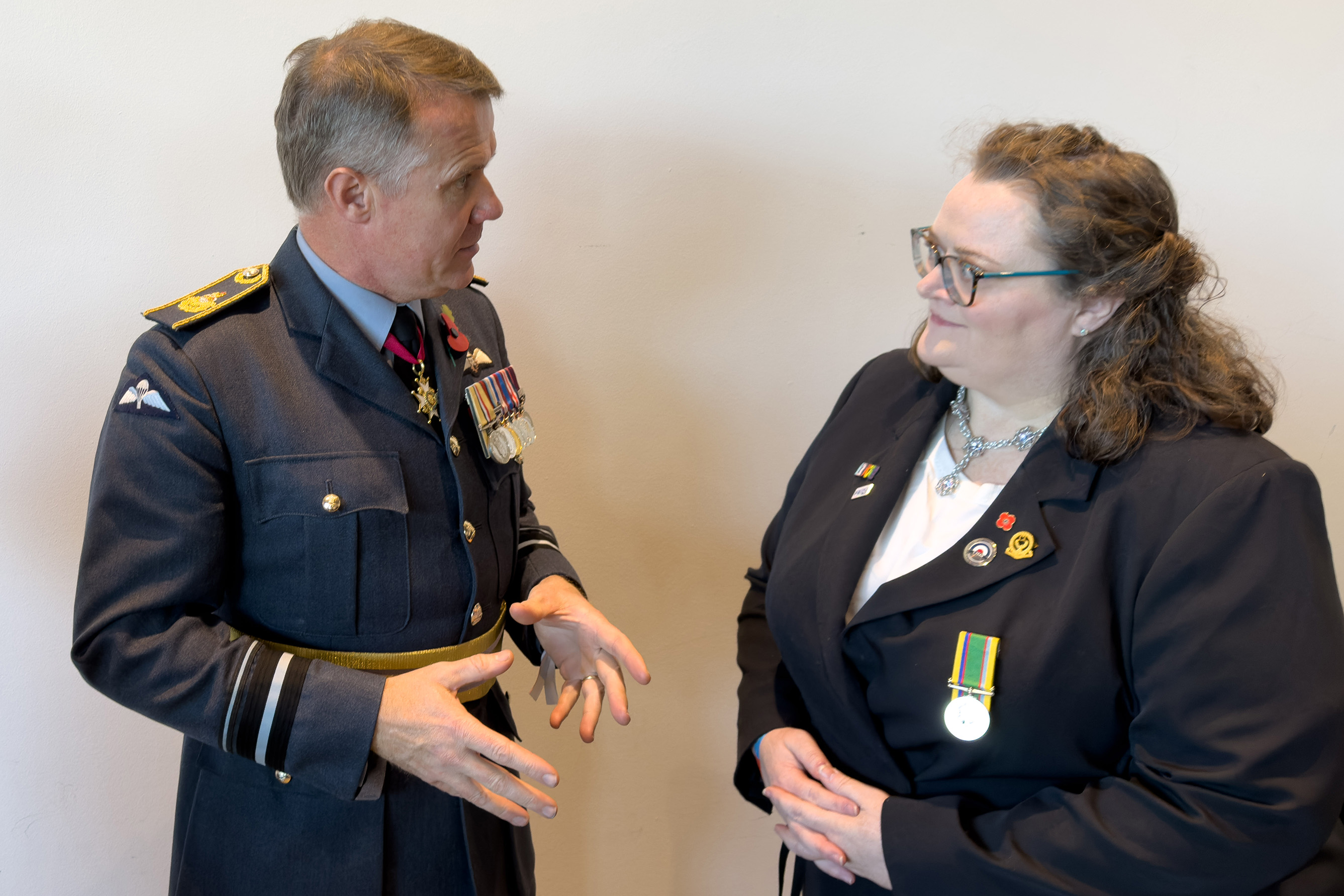
The event brought together serving personnel, veterans, and families affected by the ban, which was in place from 1967 until its repeal in 2000. Many shared deeply personal stories of dismissal, discrimination, and lifelong consequences. Brigadier Clare Phillips, speaking at the event, reflected on her journey from secrecy to pride, stating: “Today’s unveiling is about remembering that we stand on the shoulders of giants – those who fought discrimination so we can now serve openly and proudly.”
King Charles laid flowers at the memorial and met with veterans, including those who had been discharged under the ban.
Conversations throughout the day highlighted the profound impact of this moment. Many retired and serving guests, including senior RAF personnel, expressed how thrilled they were to see the RAF Air Cadets continuing the path they paved. They spoke of the joy in knowing that the next generation can parade as their authentic selves because of the fight and sacrifices made by those who suffered under the ban. For many, seeing cadet forces represented – even by just two RAF Air Cadet members and one from the Army Cadets – was powerful evidence that their struggle was not in vain. Their hard-won progress is making a real difference to the future generations, and our very presence stood as a testament to that legacy.
The RAF Air Cadets’ presence at the ceremony, through the Inclusion Team, highlighted the organisation’s ongoing efforts to foster a culture of respect, belonging, and historical awareness among its members.