

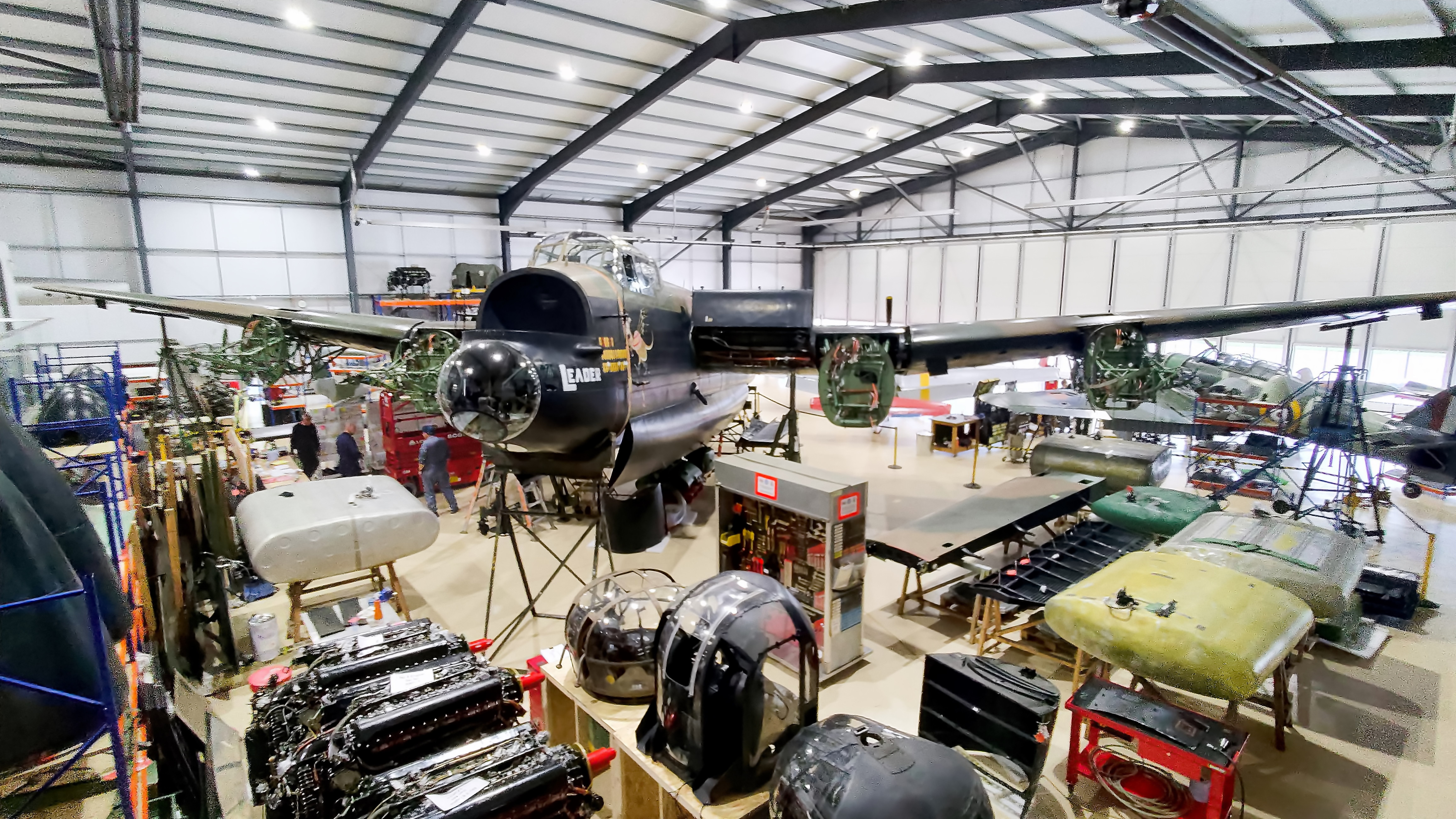
Further good progress has been made by the Aircraft Restoration Company (ARCo) engineers at Duxford on the ‘Major’ maintenance programme for BBMF Lancaster PA474, which is now seven months into the 18-month programme.
Over a third of the 757 work cards which make up the Major have now been completed and all 82 of the Structurally Significant item (SSI) inspections have been carried out and reports submitted. The significant amount of non-destructive testing (NDT) which was planned up to this stage of the Major has taken longer than expected but has now been completed with no failures reported. The sample of ten chains, that we reported in the previous update had been removed from the Lancaster’s wings and which are part of the system for controlling the engines, have been examined and a report is being submitted to the BBMF Project Team (PT). Meanwhile, bay maintenance work continues on numerous items which have been removed from the aircraft.
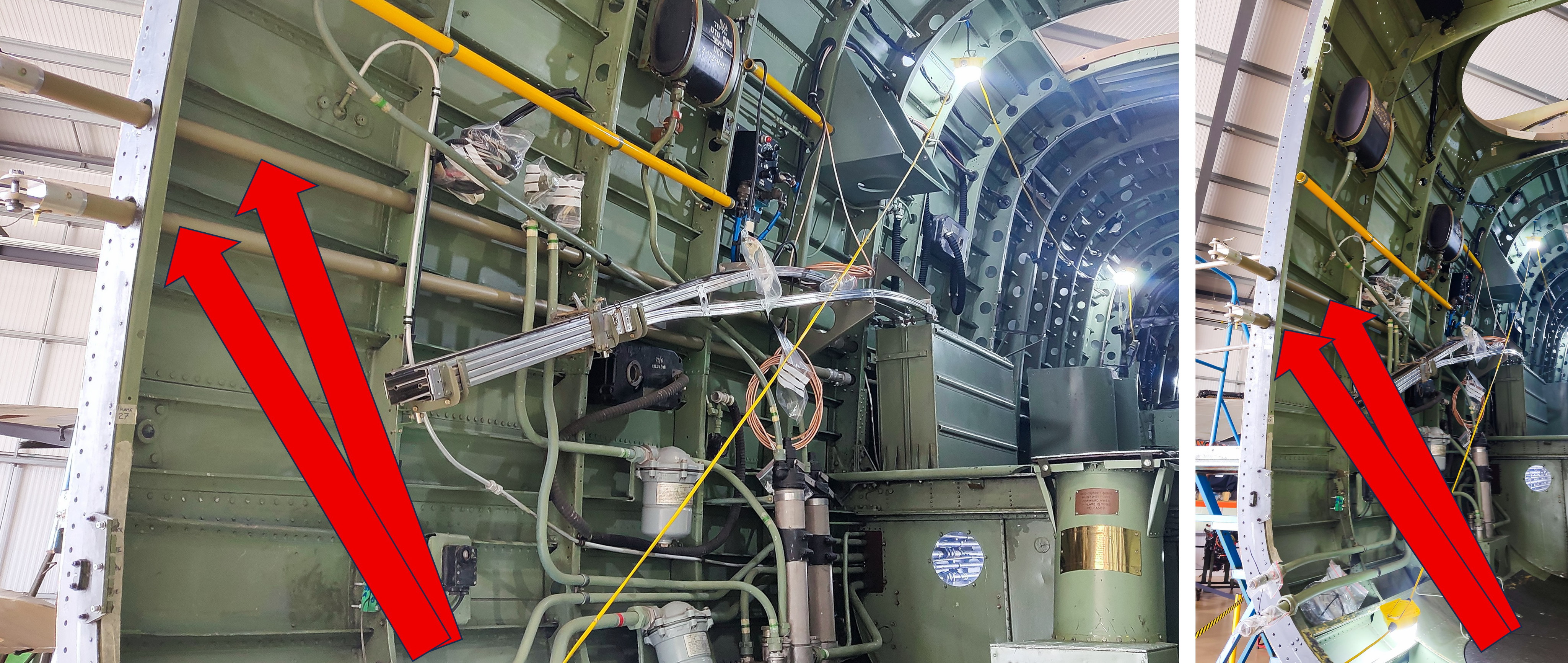
One significant task which has been completed is the replacement of the control rods for the Lancaster’s elevators and rudders and their associated bearings. This was the reason for splitting the rear fuselage at the transport joint just aft of the mid-upper turret mounting. The rear fuselage can now be reattached and that will be happening imminently.
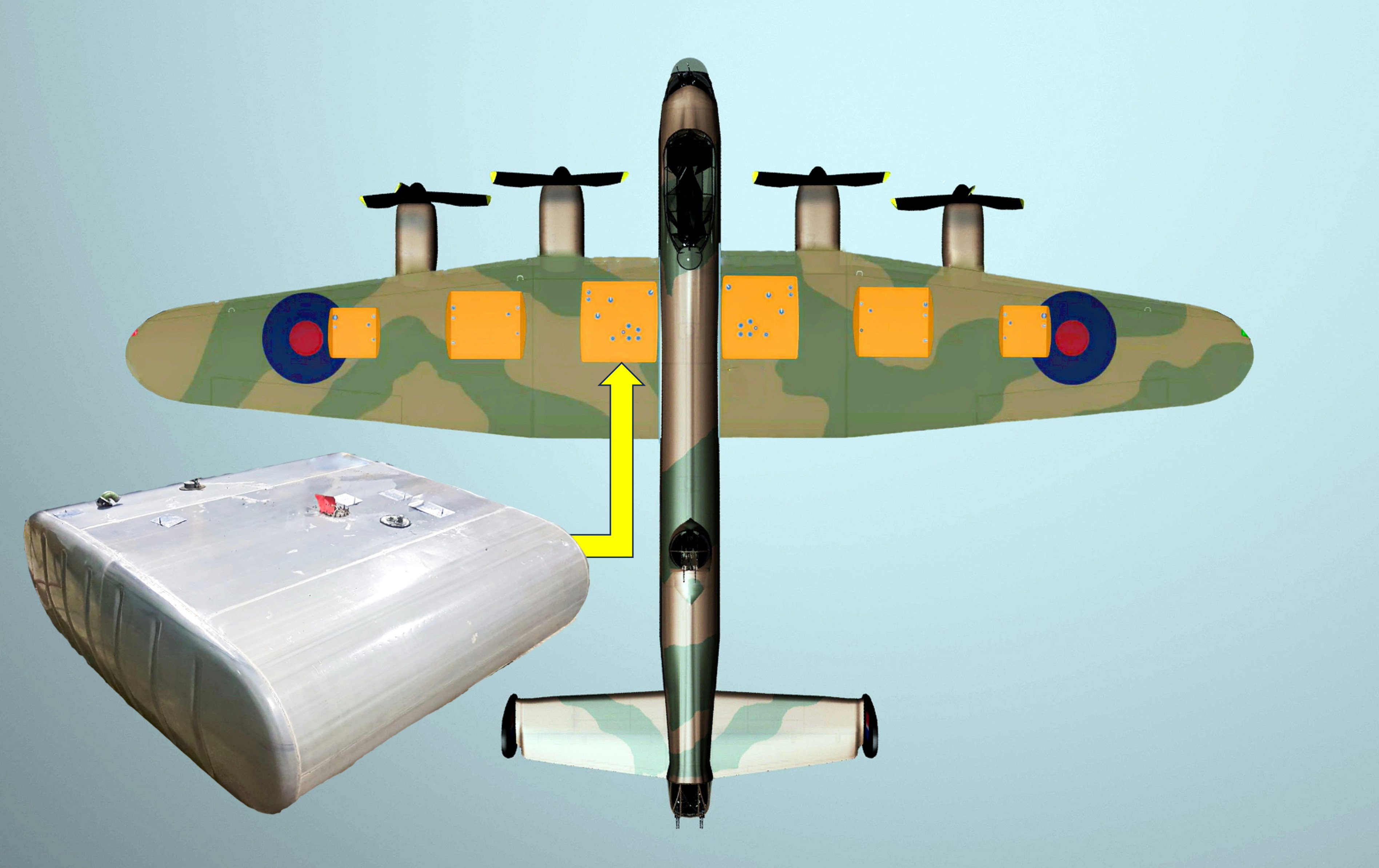
The off-aircraft servicing of the Lancaster’s six fuel tanks has been completed, and a repair has been carried out to the starboard No 1 tank. The original fabric covering and fire retardant finish has been stripped off the tanks, as it is no longer needed and tended to mask leaks. A new set of fuel tanks is being built for the Lancaster, a project being overseen by BAES, but delivery of these has slipped to December 2026. It was always intended that, if necessary and to keep on schedule, the old tanks could be refitted to the Lancaster until the new ones are ready and approved. The old tanks are now being refitted to PA474 to allow trials of the new ‘rubberised cork’ material, which will act as packing and fill the space between the tanks and the straps that hold them in place, now that the tank covering material has been removed. The stress panels that cover the tank bays can then be refitted to allow functional checks to be carried out as well as the important invasive inspections of the wing spar boom fastener holes and wing attachment reinforcing plates and shackles on both the front and rear wing spars. These reinforcing plates and shackles connect the inner centre portion of the wing to the outer wings. During these inspections over 100 fastener holes will be subjected to intensive rotary eddy-current non-destructive testing (NDT).
The Lancaster’s main undercarriage, which has been bay serviced off the aircraft, has now been refitted and the tail leg will also be reattached when the rear fuselage is rejoined. Some old ‘legacy’ Shackleton main wheels are being provided to ARCo to allow the aircraft to be lowered off jacks and turned round in its slot in the hangar, so that it is in the correct position for the extensive wing shackle plate and spar boom inspections.
There is still much to do, but the Major maintenance programme remains on schedule for the Lancaster to return to Coningsby for the 2027 Display Season.


