Boeing has released guidance stating their military aircraft can operate on sustainable aviation fuel (SAF) at currently approved limits of up to 50% blend with conventional fuel.
The guidance, announced at the Royal International Air Tattoo (RIAT), aims to support global militaries, such as the Royal Air Force, who are evaluating the adoption of SAF into their fleets.
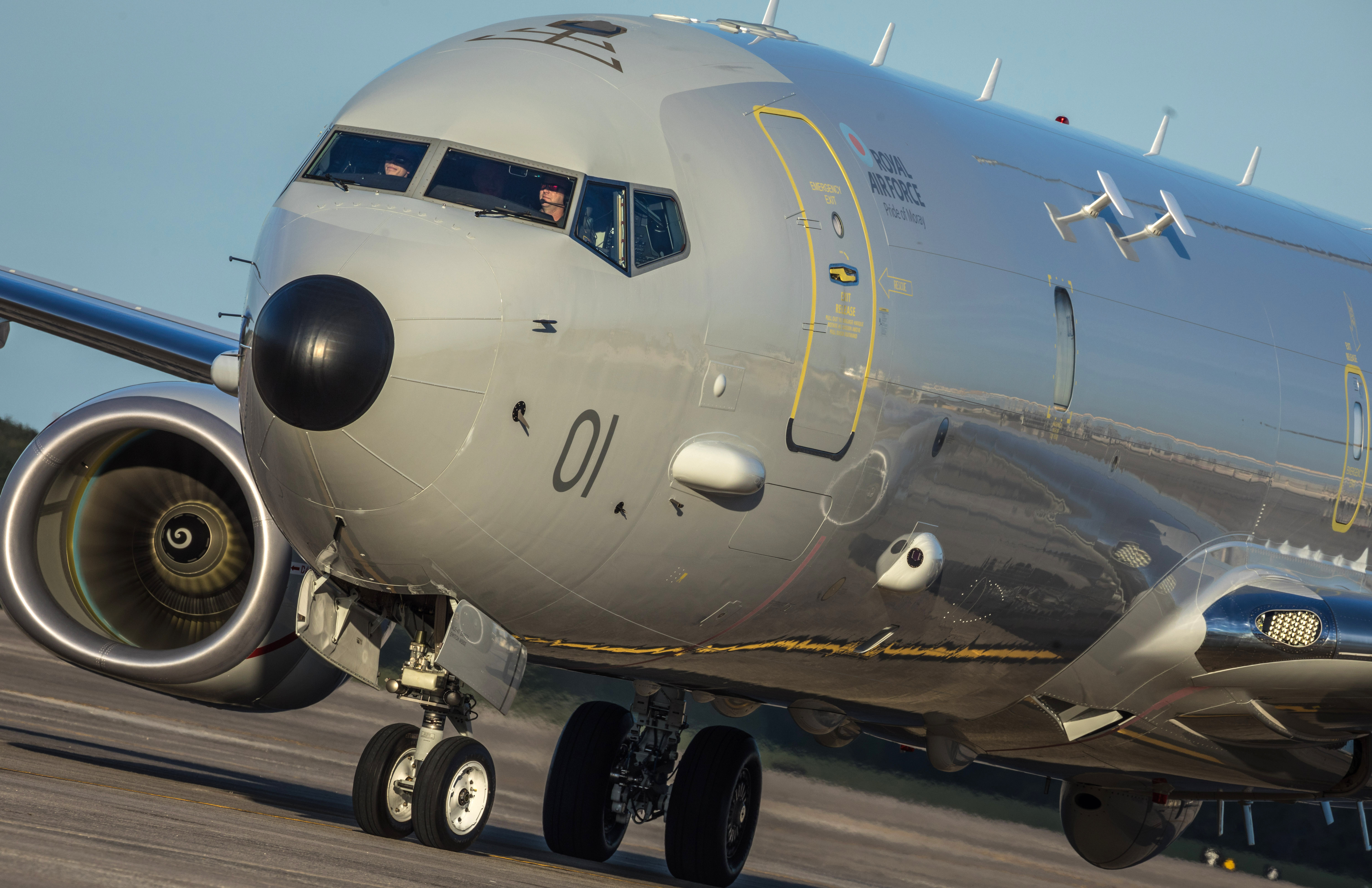
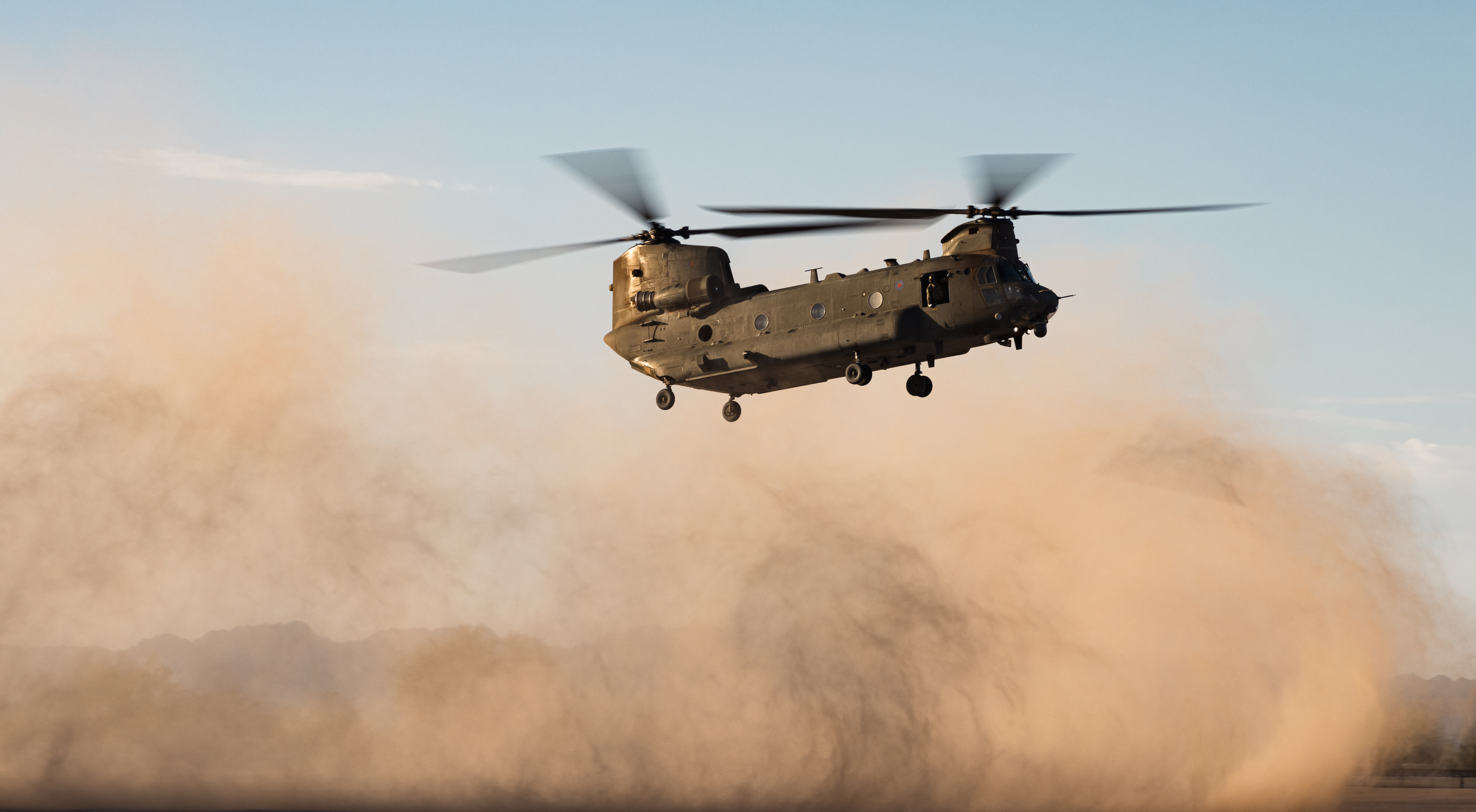
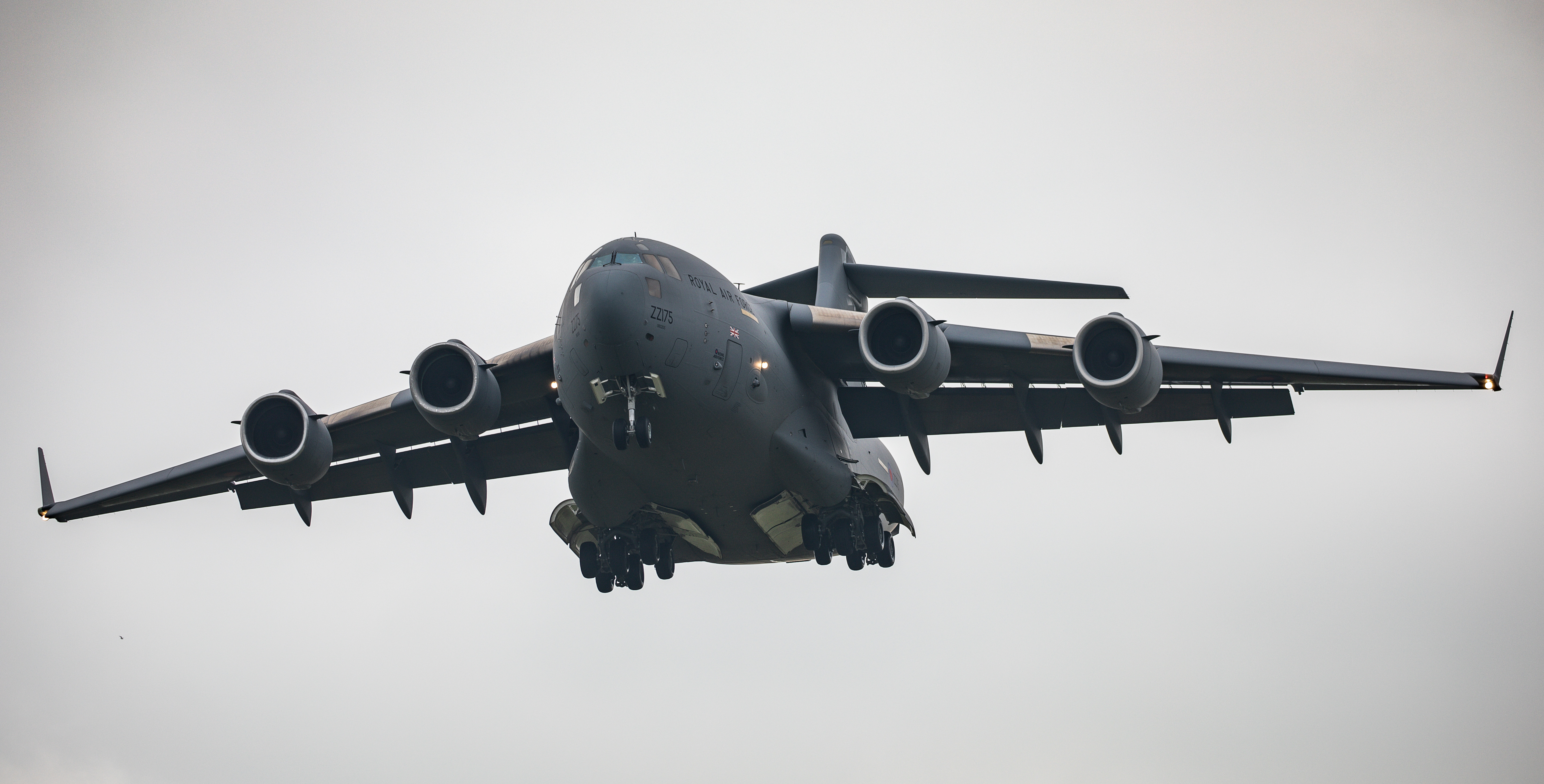
The global No Technical Objection (NTO) states there are no technical issues with Boeing defence aircraft operating on synthetic aviation turbine fuels, which includes SAF. The NTO applies to all Boeing-built defence aircraft and their derivatives. This includes RAF Poseidon, C-17 Globemaster, and Chinook aircraft as well as future RAF aircraft such as the Wedgetail.
“SAF is widely accepted today as a drop-in replacement that works with existing aircraft, and also provides opportunities for global interoperability as well as strategic resilience through local fuel production.
“We hope this NTO will clear the way for more widespread SAF adoption by our military customers and propel greater alignment between commercial and military fuel standards, to the benefit of all.”
Steve Parker
Boeing Defense, Space and Security
Unblended, or “neat” SAF, which is totally free of fossil fuels, can reduce lifecycle carbon emissions up to 84% when compared to conventional jet fuel and offers the industry’s largest potential to reduce carbon emissions over the next 30 years in all aviation segments.
Currently, the maximum allowable limits for SAF is a 50-50 blend with conventional fossil fuels.
“Boeing’s announcement at RIAT that all their military aircraft can operate on a 50% blend of SAF is a welcome step in the more widespread adoption of SAF by air forces around the world.
“As a result of previous work in 2020, the RAF cleared all of its military aircraft for 50% SAF. We have continued to be at the forefront of trailing the use of SAF with the data we have gathered informing the MoD’s Defence Aviation Net Zero Strategy.
“As well as contributing to a reduction in carbon emissions, more widespread adoption of SAF amongst our allies will enhance global interoperability, maintaining our ability to operate anywhere that the RAF is required.”
Air Vice-Marshal Shaun Harris
Director Support
Synthetic aviation turbine fuels are produced through alternative processes from sources other than petroleum. SAF is one category of synthetic fuels and uses recycled carbon from renewable materials like waste oils, municipal solid waste and plant residues.
SAF is a fully approved fuel source that is fully interchangeable with conventional fuels such as Jet A or Jet A-1.

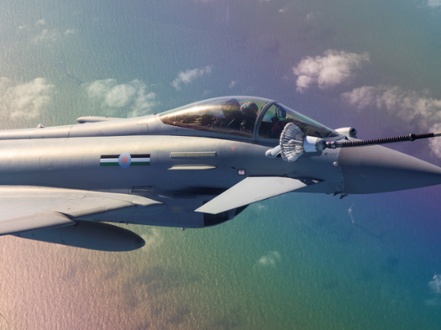
In 2023, the Royal Air Force successfully used SAF to achieve the first SAF blend air-to-air refuelling of a Typhoon and C-130 Hercules aircraft.
The Voyager that conducted the refuelling was previously used in successful initial trials in November 2022 where it flew on 100% sustainable aviation fuel. The leftover fuel from the Voyager trial was mixed with regular fuel at around 46-48%.