

As the Red Arrows head west across the Atlantic for their landmark United States deployment, they are following a route shaped by generations of Royal Air Force personnel who crossed the same ocean in support of operations, partnerships and shared security.
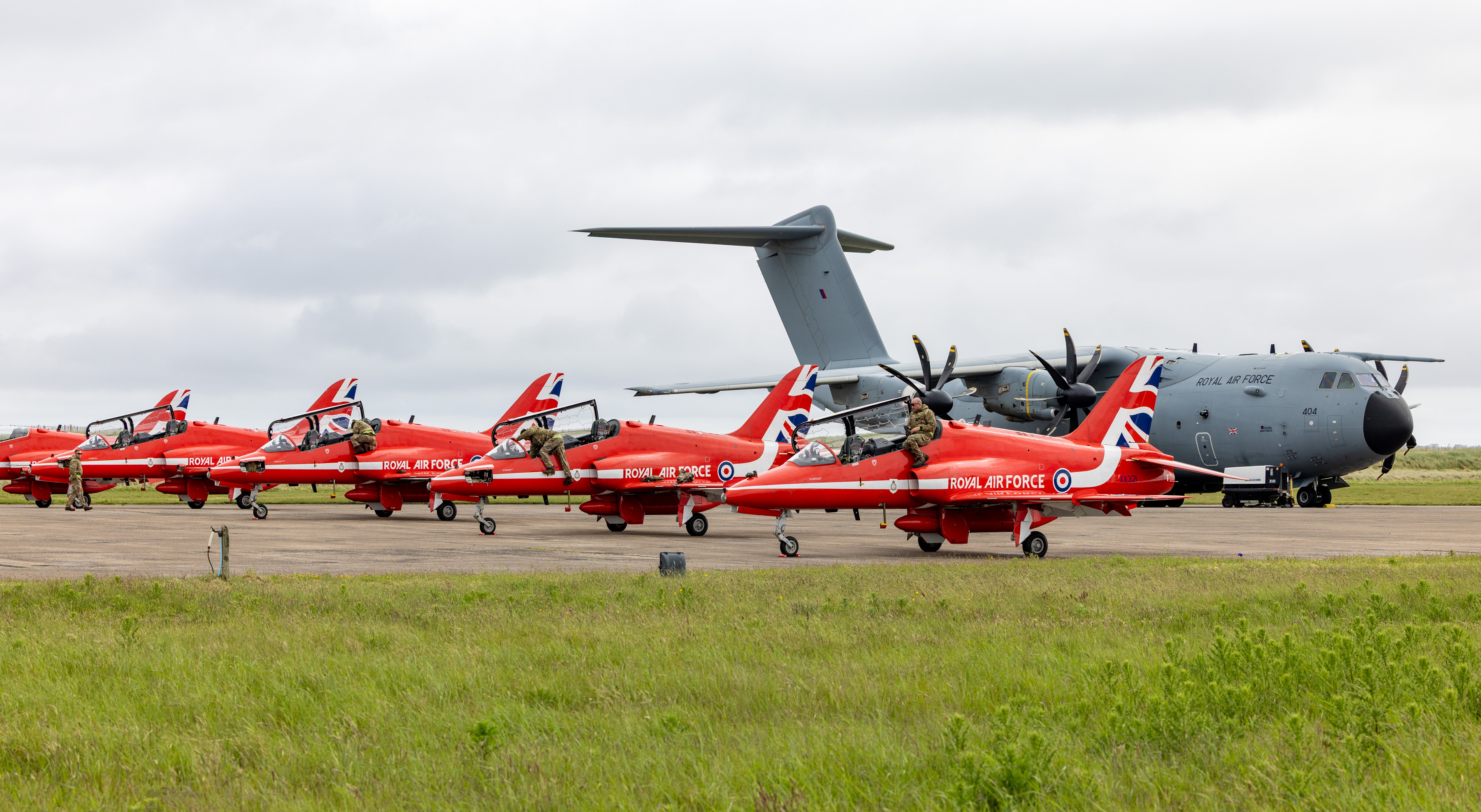
The month-long deployment, conducted under Operation Eagle Hawk, will see the Royal Air Force Aerobatic Team perform across the United States as part of celebrations marking the 250th anniversary of American independence. But behind the distinctive red, white and blue smoke trails lies a much broader RAF story – one that stretches from the flying boats of the Second World War to the global air mobility force of today.
More than 80 years ago, RAF crews flew the legendary Short Sunderland across the North Atlantic. Operating in some of the harshest conditions imaginable, Sunderland crews hunted German U-boats, protected Allied shipping and helped secure the vital maritime lifeline between North America and Europe. Their mission was simple but critical: keep the Atlantic open and keep allies connected.
Today, the aircraft have changed, but the importance of that connection remains.
The Red Arrows’ journey to North America has been made possible by the RAF’s Air Mobility Force and, in particular, the A400M Atlas. While the Hawks may be the most visible part of the deployment, it is Atlas crews who have transported personnel, equipment, engineering support and essential stores across thousands of miles to enable the team to operate far from home.
It is a role that reflects the aircraft’s importance across almost every RAF operation and exercise. From supporting NATO missions in Europe and humanitarian relief operations around the world to deploying personnel and equipment into austere locations, Atlas provides the ability to move people and capability wherever they are needed. It is often the first aircraft to arrive and the last to leave, connecting operations across multiple continents.
The same spirit of connection is reflected in another RAF aircraft operating across the Atlantic region – the P-8A Poseidon.
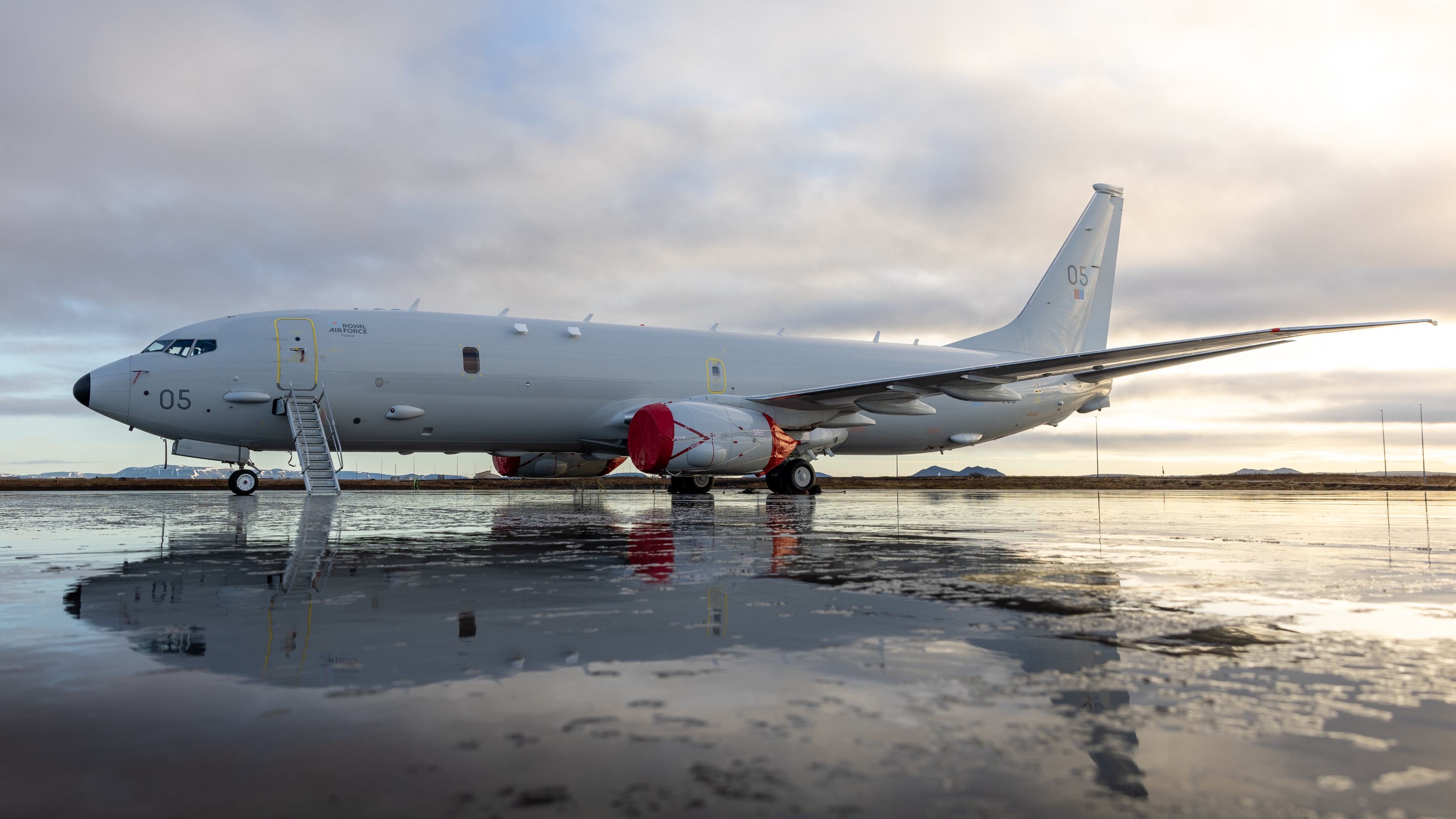
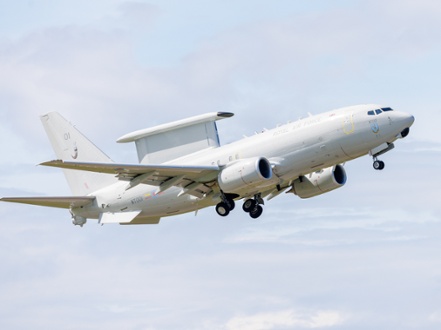
Based at RAF Lossiemouth, Poseidon crews routinely patrol the North Atlantic, conducting maritime surveillance, anti-submarine warfare and intelligence-gathering missions. In many ways, they are the modern successors to the Sunderland crews who once watched over these same waters, helping to safeguard the routes that continue to underpin transatlantic security.
The deployment also coincides with the work of RAF Envoy aircraft operating across North America and the wider region. Though far less visible than frontline combat aircraft, Envoy provides a critical command support and liaison capability, connecting senior leaders, enabling defence engagement and helping strengthen the relationships that sit at the heart of modern military partnerships.
Together, these aircraft tell a wider story about the Royal Air Force. While each performs a different role, all are focused on the same outcome: connecting allies, enabling operations and projecting British air power wherever it is required.
That relationship with the United States remains one of the RAF’s most important. Every day, RAF personnel train, exercise and operate alongside American counterparts across the globe. From carrier strike operations and NATO activities to intelligence sharing and multinational exercises, the partnership continues to evolve while remaining rooted in decades of shared history.
As crowds gather to watch the Red Arrows display across the United States this summer, many will see only the precision and spectacle of one of the world’s premier aerobatic teams.
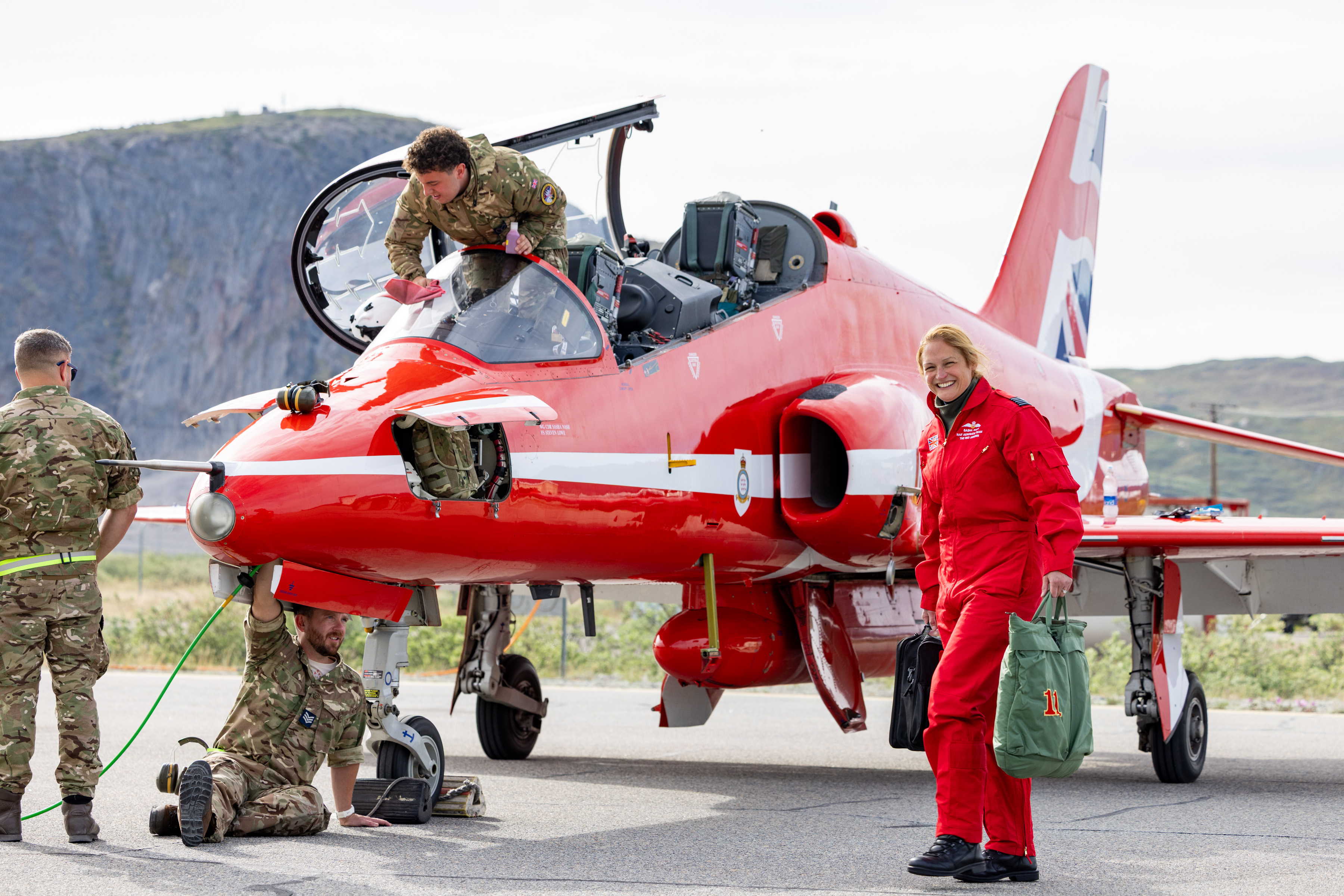
Behind the display, however, lies a deeper story.
It is a story that begins with Sunderland crews battling storms and enemy submarines over the Atlantic, continues through Poseidon patrols protecting the maritime domain today, and is enabled by Atlas and Envoy aircraft connecting people, equipment and partnerships across continents.
The aircraft may have changed. The mission has not.
For more than eight decades, the Royal Air Force has helped link the United Kingdom and North America across the Atlantic. This summer’s Red Arrows deployment is simply the latest chapter in that enduring story.