




31 Squadron, proudly known as the Goldstars, has a legacy as bright as its name. Formed on 11 October 1915 at Farnborough, this pioneering RAF unit has been shaping aviation history for over a century.
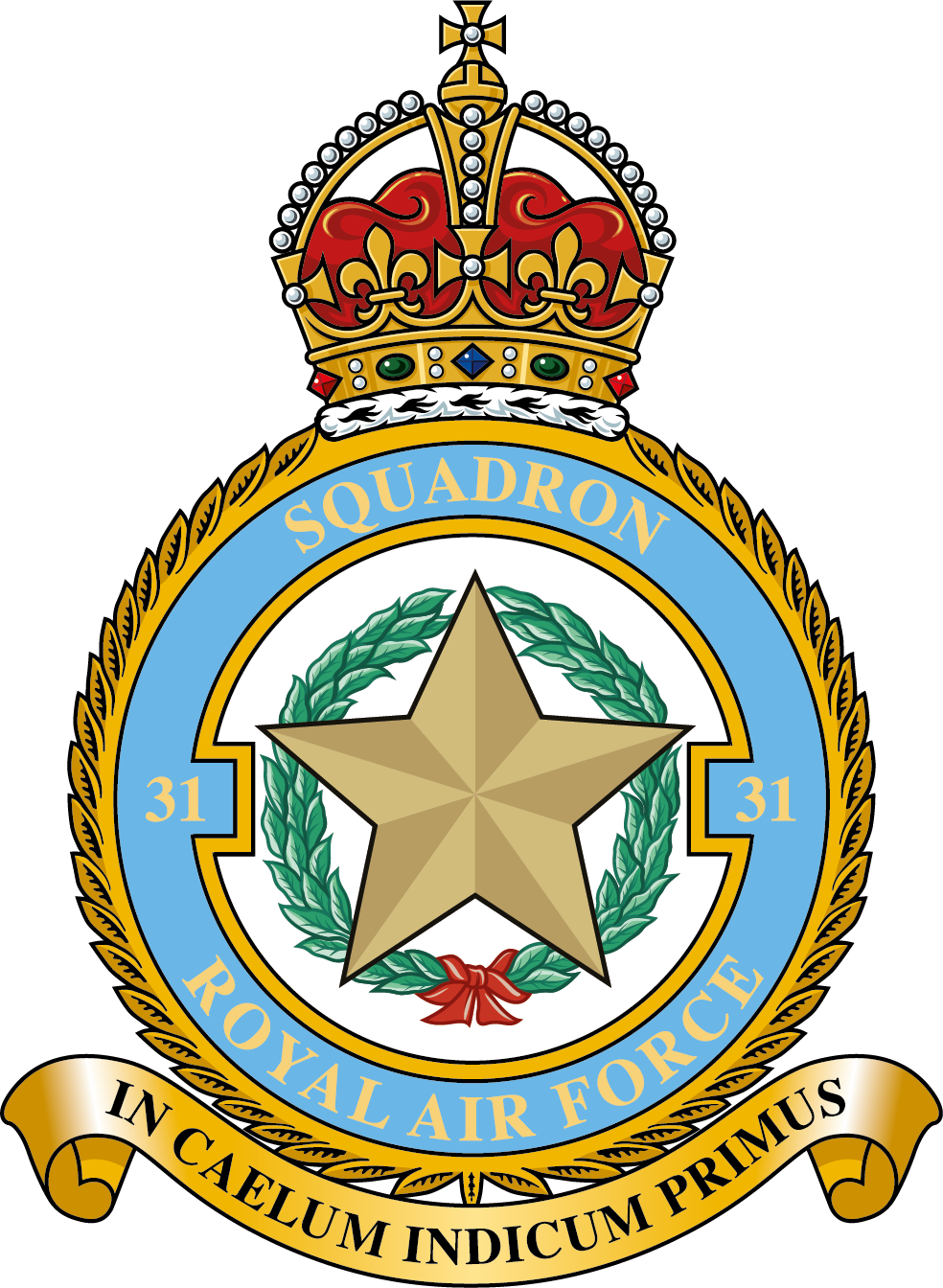
Their nickname stems from the striking gold star on their squadron badge, which features a mullet (a five-pointed star) set in front of a wreath of laurel. This design was inspired by an earlier unofficial emblem, with the mullet symbolising the Star of India, a nod to 31 Squadron’s distinction as the first military unit to fly in India.
The laurel wreath represents the high honour and distinguished service the squadron has achieved over its long history. The badge was formally approved by King George VI in June 1937, cementing its place as a proud emblem of the Goldstars’ legacy and enduring spirit.
The Goldstars first took flight during the First World War, earning their motto “In Caelum Indicum Primus”, Latin for “First into Indian Skies.” Tasked with aerial patrols over the North-West Frontier, they flew aircraft like the Bristol F.2 Fighter under the blazing sun, marking the beginning of a long and distinguished operational history.
In subsequent years 31 Squadron played an active role in the Second World War shifting focus to transport and supply with the Dakota, but it was during the Cold War where their adaptability and skill became their hallmark, whilst stationed in Germany flying SEPECAT Jaguars in tactical strike and reconnaissance roles.
In the modern era, the Squadron transitioned to the iconic Tornado GR1 and later the GR4, taking part in major operations such as the Gulf War, Kosovo, and Afghanistan. After the Tornado’s retirement in 2019, the Goldstars were reborn in 2022 as the RAF’s first Protector RG Mk1 squadron, operating cutting-edge remotely piloted aircraft for intelligence and surveillance missions.
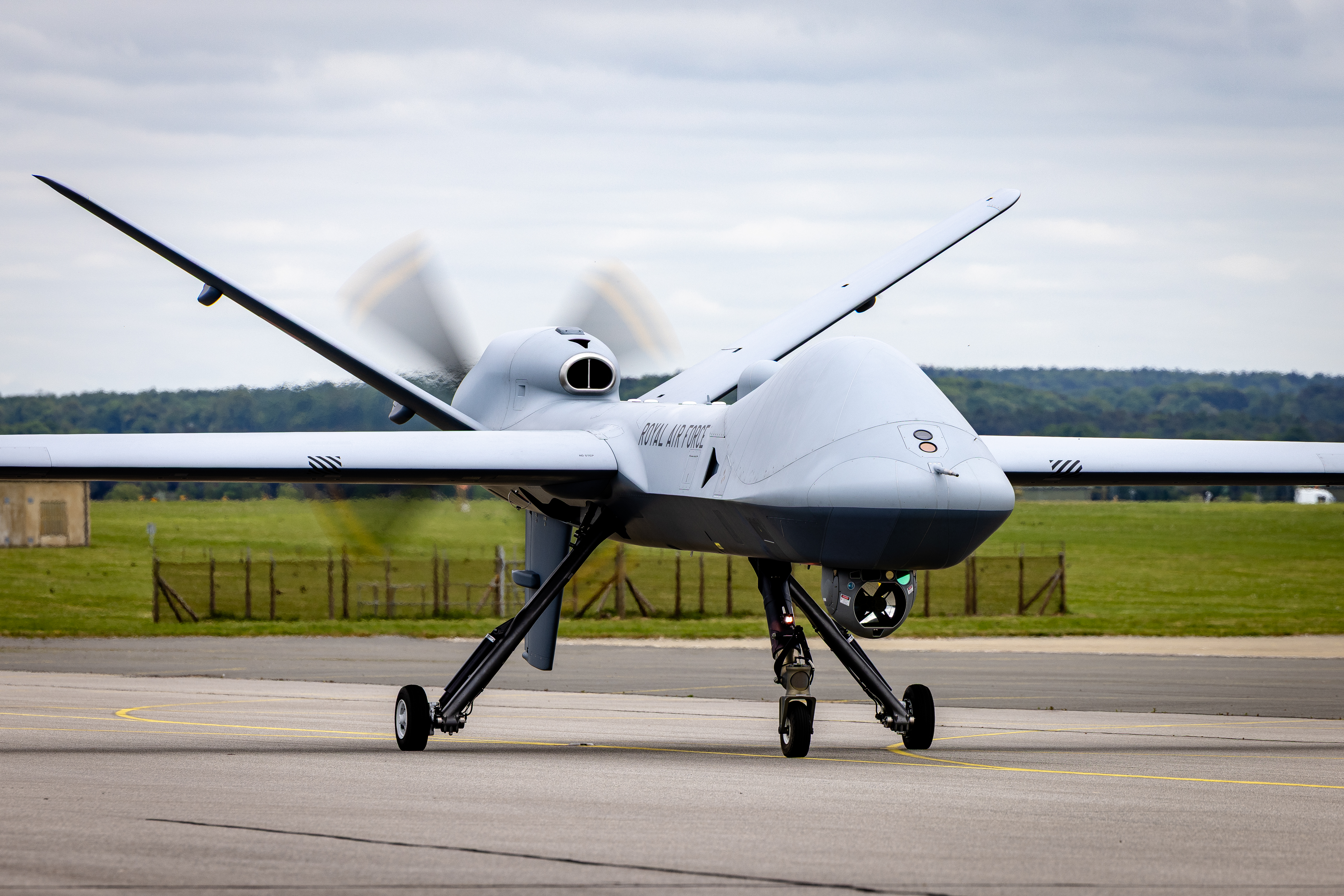
Protector is the RAF’s next-generation Remotely Piloted Aircraft System (RPAS), designed to provide advanced Intelligence, Surveillance, Target Acquisition, and Reconnaissance (ISTAR) capabilities. It represents a significant leap forward in unmanned aerial technology, offering greater endurance, flexibility, and precision than its predecessors.
From the skies of India to the digital battlefields of today, 31 Squadron has always been a step ahead. The Goldstars continue to shine brightly, proving that their legacy is as timeless as their motto.