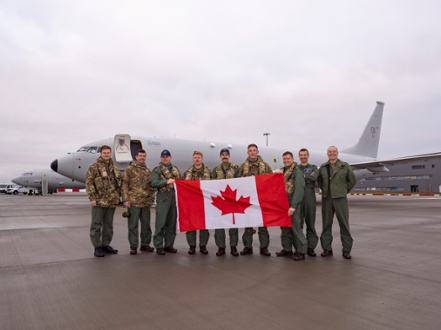
Maritime forces from the USA, Canada, Germany, and Norway, visited RAF Lossiemouth last week to attend the first Joint Exploration and Discussion of Initiatives (JEDI) Symposium of 2025.
The JEDI Symposium commenced on the 18 January with the arrival of the international participants to RAF Lossiemouth and concluded on the 23 January. Over the course of the week, personnel attended briefings to agree on their combined initiatives and priorities, as well as exchange information to allow the 40+ Poseidon aircraft from these five nations operating throughout Europe to act as a ‘single fleet’.
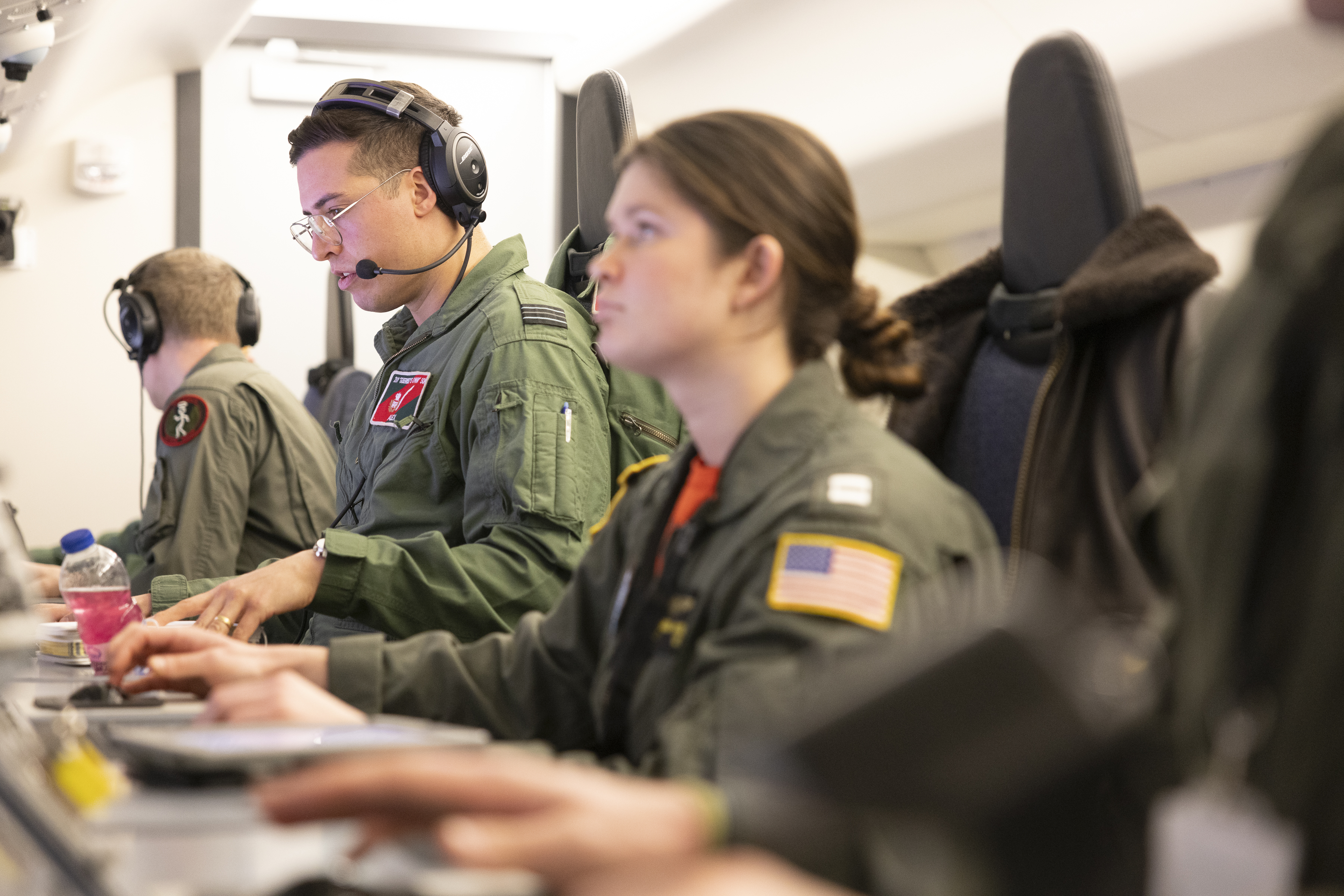
Working together as combined international crews, personnel completed simulated Poseidon anti-submarine missions as part of a training exercise to develop their skills and improve collaboration between the nations.
“Despite some differences in procedures at a tactical level, the crews were able to operate effectively thanks to common aircraft, mission systems, and weapons”
Poseidon Instructor
RAF Lossiemouth
The Poseidon aircraft is primarily utilised for maritime surveillance, regularly monitoring the waters around the UK for threats on and below the surface as well as supporting the Royal Navy to protect the UK. The aircraft is also capable of being deployed on search and rescue missions. On the 16 January 2025, it was confirmed by the Royal Air Force that a P-8A Poseidon from RAF Lossiemouth had been involved in the tracking of a Russian landing ship, the RFN Aleksandr Shabalin, through the English Channel. The RAF and Royal Navy are continuing to track the situation as the ship remains within the area.

“Maritime patrol is a team game, requiring close cooperation with allies and NATO partners to ensure a coherent response to any threats we may face.
This is why the JEDI Symposium is such an important event, allowing operators from the five nations to exchange ideas and build bonds, both professionally and socially. RAF Lossiemouth is the ideal location, due to its strategic position on the northern approaches to the UK, and close to the entrance to the Baltic Sea.”
Squadron Leader Barber
Executive Officer, 120 Squadron

Each of the five nations participating in JEDI currently, or will the near future, operate the Poseidon aircraft across Europe. RAF Lossiemouth is currently home to nine Poseidon aircraft and are regular hosts to international partners looking to conduct exercises in the North Sea or receive training from the RAF. In 2024, a US Naval Support Facility was opened on the station to provide a permanent hub for the US forces returning to RAF Lossiemouth.
The Trinity House Agreement was signed in October 2024, allowing Germans to regularly operate their own Poseidon aircraft, following procurement, out of the Scottish airbase. No. 42 (Torpedo Bomber) Squadron, based out of RAF Lossiemouth, has continued their training of Norwegian maritime patrol crews throughout the year with aircrew from the Royal Canadian Air Force aircrew training with the squadron as Canada begins its transition to the Poseidon.
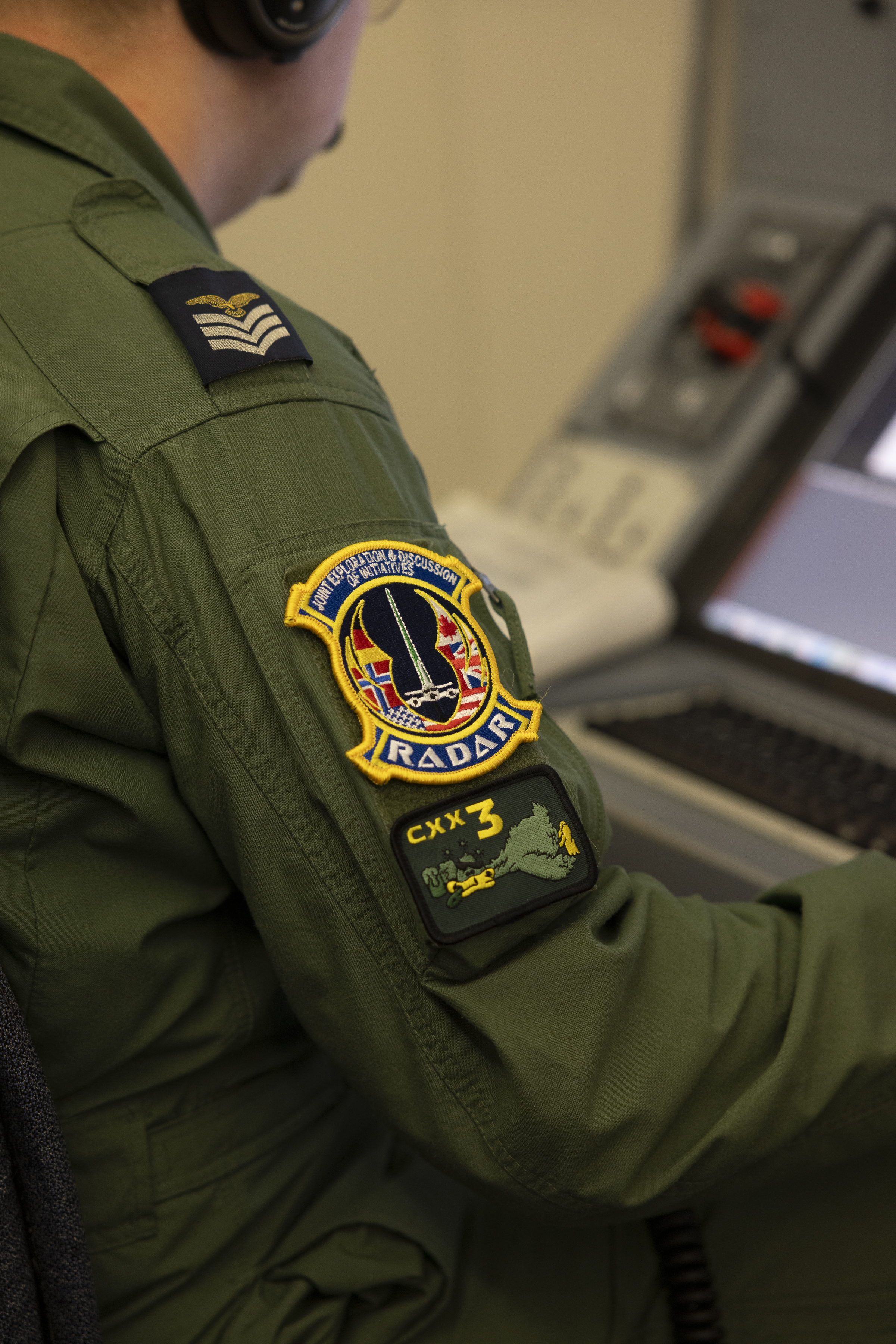
This has been the third JEDI Symposium since January 2024 and was deemed a huge success by all participating personnel. RAF Lossiemouth will continue to support NATO operations and work closely with its allies.