

Currently deployed on Operation Highmast, the RAF is exercising with Italian allies on Exercise Falcon Strike, flying aircraft deeply familiar to generations of RAF aircrew, the Harrier and Tornado. These legacy platforms, once the backbone of UK air power, now operate in synergy with 5th-generation assets, adding depth and dimension to the battlespace.
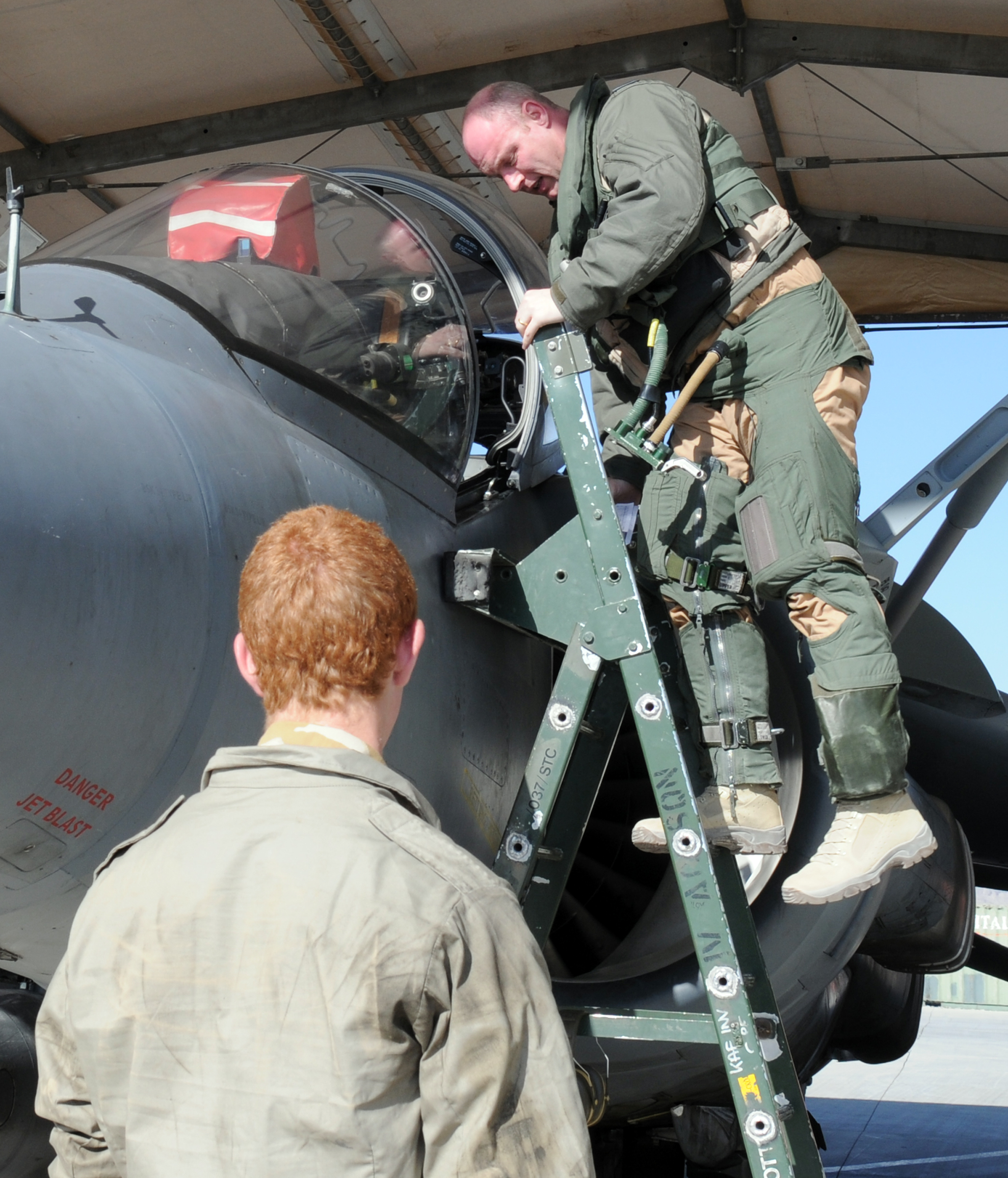
This fusion of past and present reflects the journey of Air Chief Marshal Harv Smyth, who leads the Royal Air Force at a pivotal moment in its evolution. A seasoned combat pilot and strategic thinker, Smyth’s career from Harrier cockpits to the highest levels of Defence leadership mirrors the RAF’s transition from legacy platforms to 5th-generation air power.
Since joining the RAF in 1991, Smyth has flown hundreds of operational missions over Bosnia, Kosovo, Iraq, and Afghanistan.
“Flying the Harrier taught us to be exceptionally agile and unconventional in our approach. The Lightning takes that mindset and supercharges it.”
Air Chief Marshal Smyth
Now Chief of the Air Staff, Smyth oversees the RAF’s shift to warfighting readiness following the Strategic Defence Review. This includes the UK’s decision to purchase 12 F-35A jets and join NATO’s nuclear mission, part of a broader effort to deliver greater security through the government’s Plan for Change.
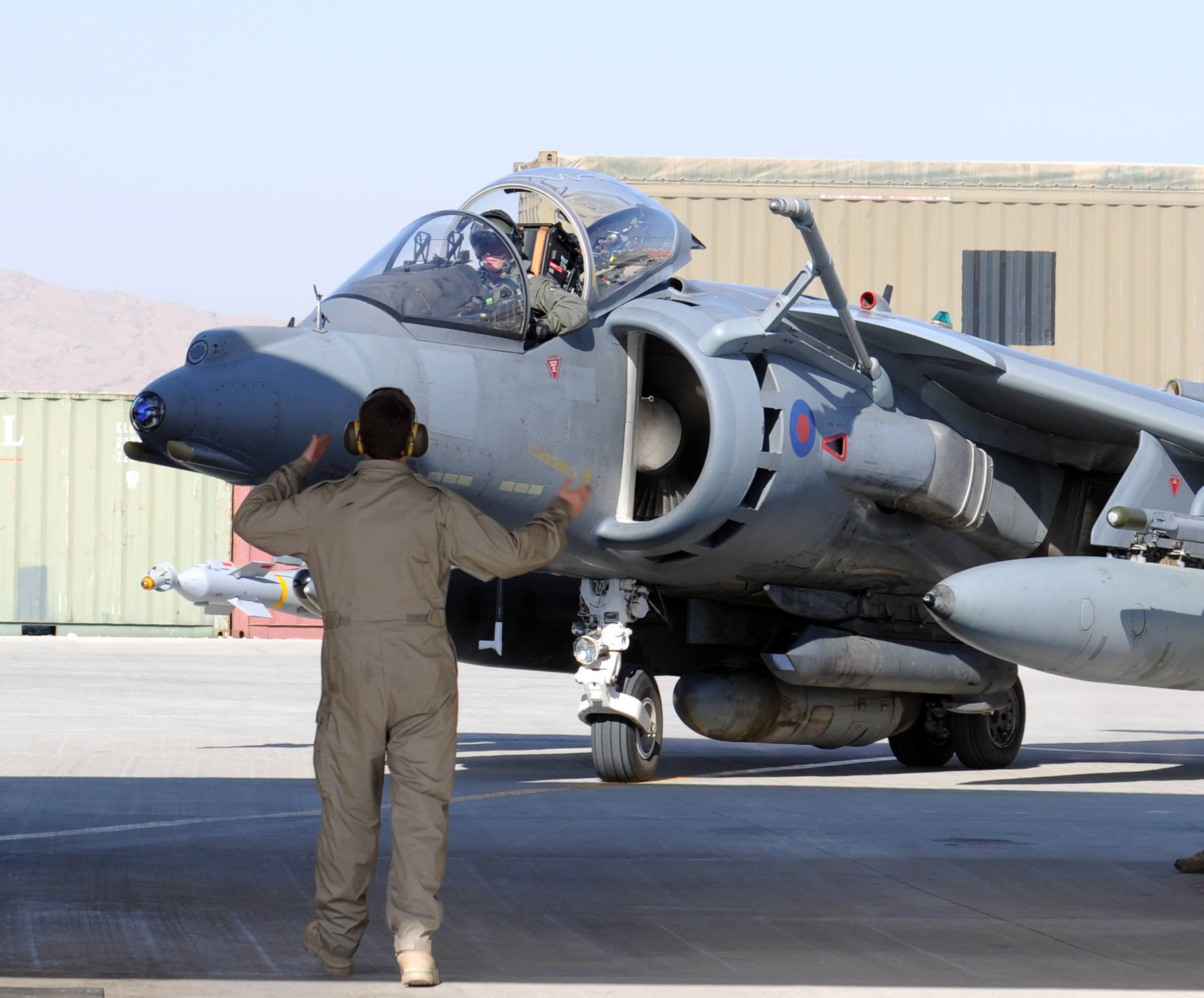
Vertical Thinking: From Harrier to Lightning
The Harrier wasn’t just a technological marvel, it was a mindset shift. Its STOVL (Short Take-Off and Vertical Landing) capability redefined basing options and survivability in austere environments.
“STOVL isn’t just something the jet can do, it enables us to show up where others can’t. That can make a difference fast, especially in terms of readiness and responsiveness.”
Air Chief Marshal Smyth
With the F-35B, STOVL has evolved into a strategic enabler. Combined with stealth and sensor fusion, it allows dispersed operations, agile basing and rapid force projection in contested zones, capabilities that are vital in today’s volatile global landscape.
Multi-Role Mastery: Tornado’s Tactical Legacy
Exercise Falcon Strike also provides a unique opportunity to operate in the same battlespace as the Tornado. An aircraft that served as the RAF’s multi-role workhorse for decades, delivering deep strike, reconnaissance, air defence and more across global theatres. Its crews mastered the art of flexibility shifting roles mid-mission, adapting to dynamic threats and operating seamlessly with coalition partners.
Today’s F-35B pilots inherit that legacy. With integrated ISR, strike, electronic warfare and defensive counter-air capabilities, every Lightning functions as a sensor, shooter and networked node in the battlespace. The Tornado instilled adaptability; the Lightning makes it instinctive. Integrating 5th-gen assets with legacy aircraft adds a powerful dimension to air power and operational flexibility.
From Platform to Ecosystem
Legacy aircraft operated in analogue environments. The 5th-gen battlespace is digital, integrated and data-driven. Yet the core principles; survivability, adaptability, mission effectiveness remain.
“What 5th Gen enables beyond legacy platforms is decision superiority and that is battle-winning.”
Air Chief Marshal Smyth
The transition from legacy to Lightning isn’t just about replacing metal it’s about evolving mindset. Harrier and Tornado crews innovated under pressure, adapted tactics to technology and thought beyond the cockpit. "These attributes have never been more apposite in an unpredictable, volatile world, where agility, integration and readiness are essential."
Conclusion: A Legacy That Lives On
As the RAF operates globally from the Atlantic to the Indo-Pacific and NATO’s eastern flank, the echoes of legacy platforms are unmistakable. The Harrier’s agility and the Tornado’s tenacity live on in the Lightning’s every mission.
Today’s 5th-gen tactics aren’t conjured from thin air, they’re the evolution of decades of hard-earned lessons. As the RAF looks ahead to the F-35A, GCAP and beyond, it does so standing on the shoulders of giants, aircrew and ground teams whose innovation, courage and commitment continue to shape the battlespace