The Ministry of Defence is carrying out essential resurfacing and improvement works on the airfield operating surface at RAF Brize Norton.
This is a planned programme of modernisation work designed to ensure the base remains fully operational and fit for the decades to come.
These works will mean that the airfield will need to be temporarily closed for a period of time and all airfield operations and flights will be relocated to a number of alternative locations around the UK. The Atlas and Globemaster fleets will operate primarily out of MoD Boscombe Down with occasional use of Bournemouth Airport, while the A330 Voyager fleet will operate out of Prestwick, East Midlands and Stansted airports.
All aircraft that are normally located at RAF Brize Norton will begin moving to their temporary alternative locations in July. Once the resurfacing work has been completed the aircraft are expected to return in late November.
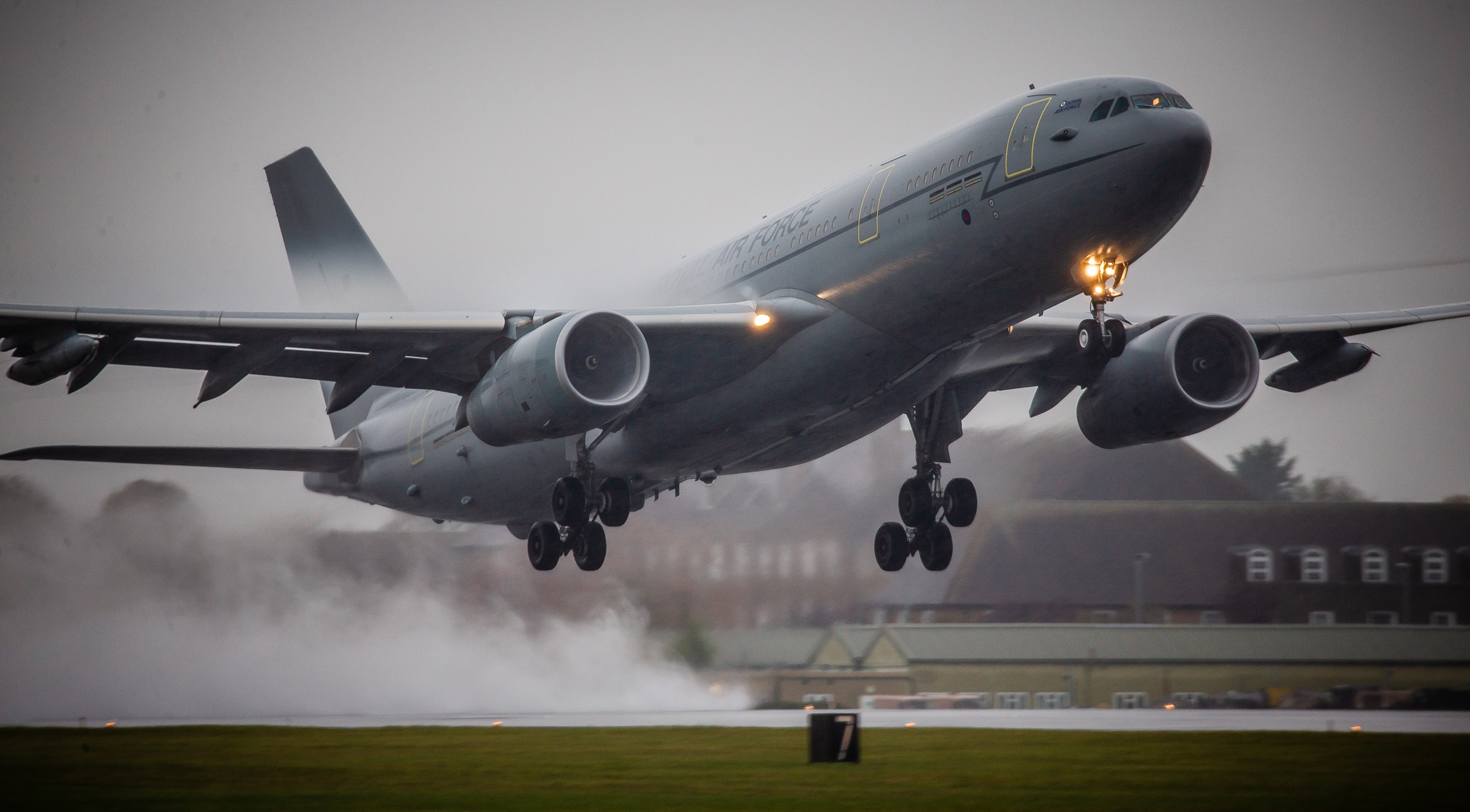
RAF Brize Norton is the UK's primary military air mobility hub, supporting the movement of personnel, equipment and humanitarian supplies across the globe. These works are part of a long-term investment in Defence infrastructure that directly supports the UK's ability to respond rapidly to emerging threats and crises anywhere in the world.
The Royal Air Force has been actively testing and refining its ability to operate in a dispersed, agile way, across multiple locations, through structured exercises including Exercise Agile Warrior. Utilising this approach means the Air Mobility Force can maintain its full operational tempo even when works are ongoing at any single site. The RAF does not rely on any one location to deliver its mission.
We continue to assess the global security environment but the nature and timing of any potential crisis or conflict remains, by definition, uncertain. That is precisely why this programme of resilience-building, including the dispersal model being developed alongside this work, is so important.
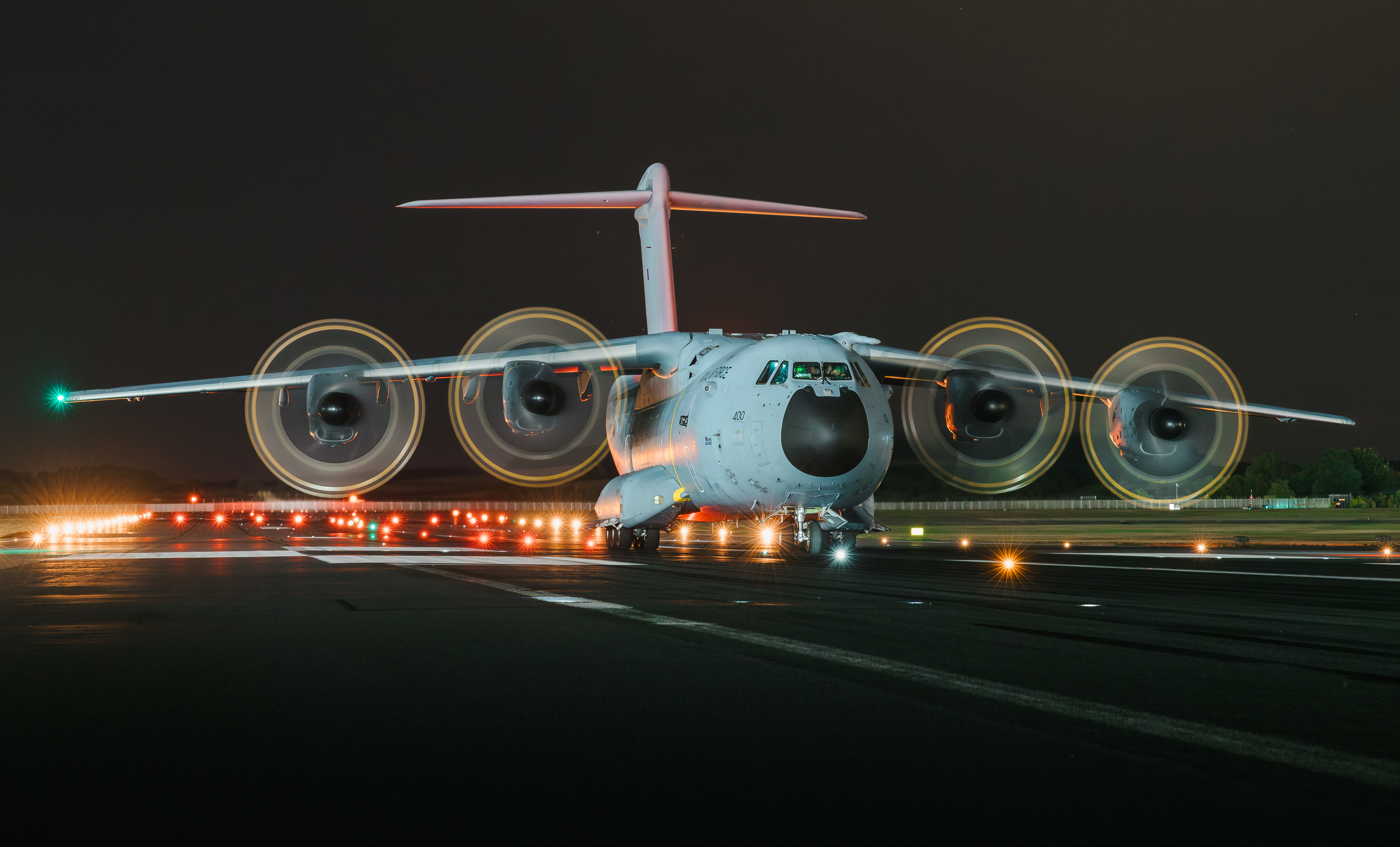
Investing in long-term Defence capability
The airfield improvement works are part of a wider programme to modernise RAF Brize Norton, ensuring it continues to serve as a world-class hub for UK air mobility for decades to come. This is Defence delivering value for money through transformation and infrastructure investment.
Building a more resilient and agile Air Force
Rather than concentrating all air mobility capability in one location, the RAF is actively developing the ability to operate from dispersed sites across the UK and overseas. This dispersal model has been tested and refined through Exercise Agile Warrior 2026 and means that works at Brize Norton do not reduce the RAF's ability to respond to a crisis or conflict.
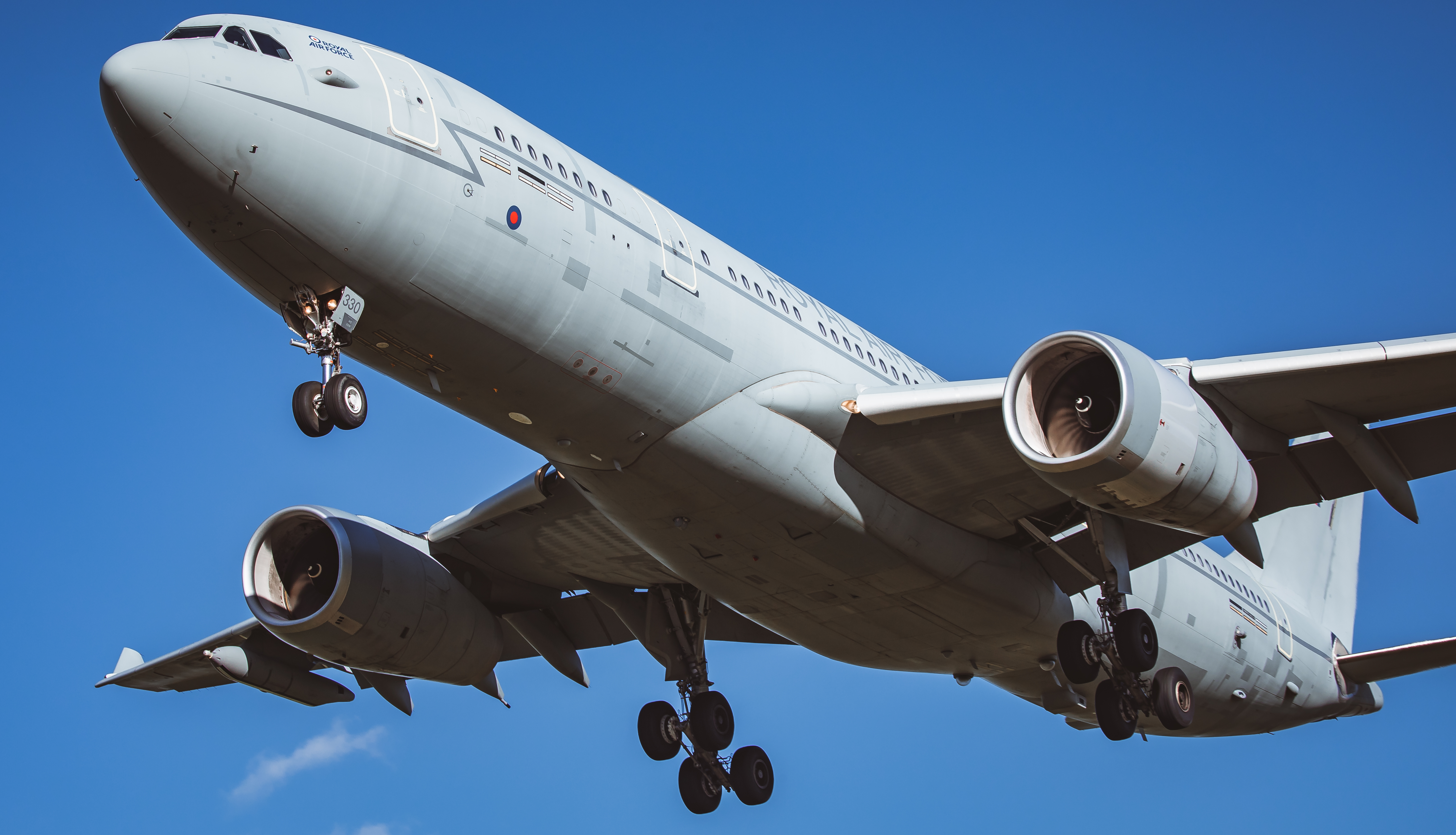
Maintaining a constant state of readiness
The Air Mobility Force is maintaining full operational tempo throughout the works. Missions, including global logistics, humanitarian operations and support to allies, will continue without interruption. Dispersal locations are being secured and protected, with robust force protection and security measures in place to counter threats across all domains.
Protecting against threats to information and national security. The RAF's dispersed operating model includes measures to counter information activities and other multi-domain threats. An internal culture of adaptability and combat readiness is being actively reinforced across the force.
There is no cause for public concern.
The UK's military air mobility capability is not diminished by these works.
Members of the public living near RAF Brize Norton or near dispersal locations may notice increased activity at some sites during this period. This is entirely planned and expected.
Passenger Information - RAF Brize Norton
Passenger Information - Mount Pleasant Complex
Passenger Information - RAF Akrotiri