A Royal Air Force officer has made history by becoming the first RAF servicewoman to successfully complete the All Arms Pre Para Selection (AAPPS) course, commonly known as “P Company”.
Flight Lieutenant Alice, an RAF parachuting officer currently serving with 16 Air Assault Brigade Combat Team Headquarters, completed the demanding course in August, earning the coveted maroon beret awarded to those who successfully pass the selection.
AAPPS is designed to test whether military personnel have the physical and mental resilience required to serve in the Airborne Forces. Those who pass are eligible to undertake the parachuting course required to earn their military parachuting wings.
For Flt Lt Alice, however, the achievement was about more than gaining the qualification.
She had already earned her parachuting wings four years ago after completing the RAF Basic Parachuting Course. But having obtained her wings without completing P Company, she wanted to prove to herself that she had truly earned them.
Her journey began with six weeks of intensive “beat up” training at Merville Barracks in Colchester, preparing her for the physical demands of the selection course.
That was followed by three and a half weeks at Catterick, North Yorkshire, where candidates are pushed through a series of arduous tests before facing the final test week.
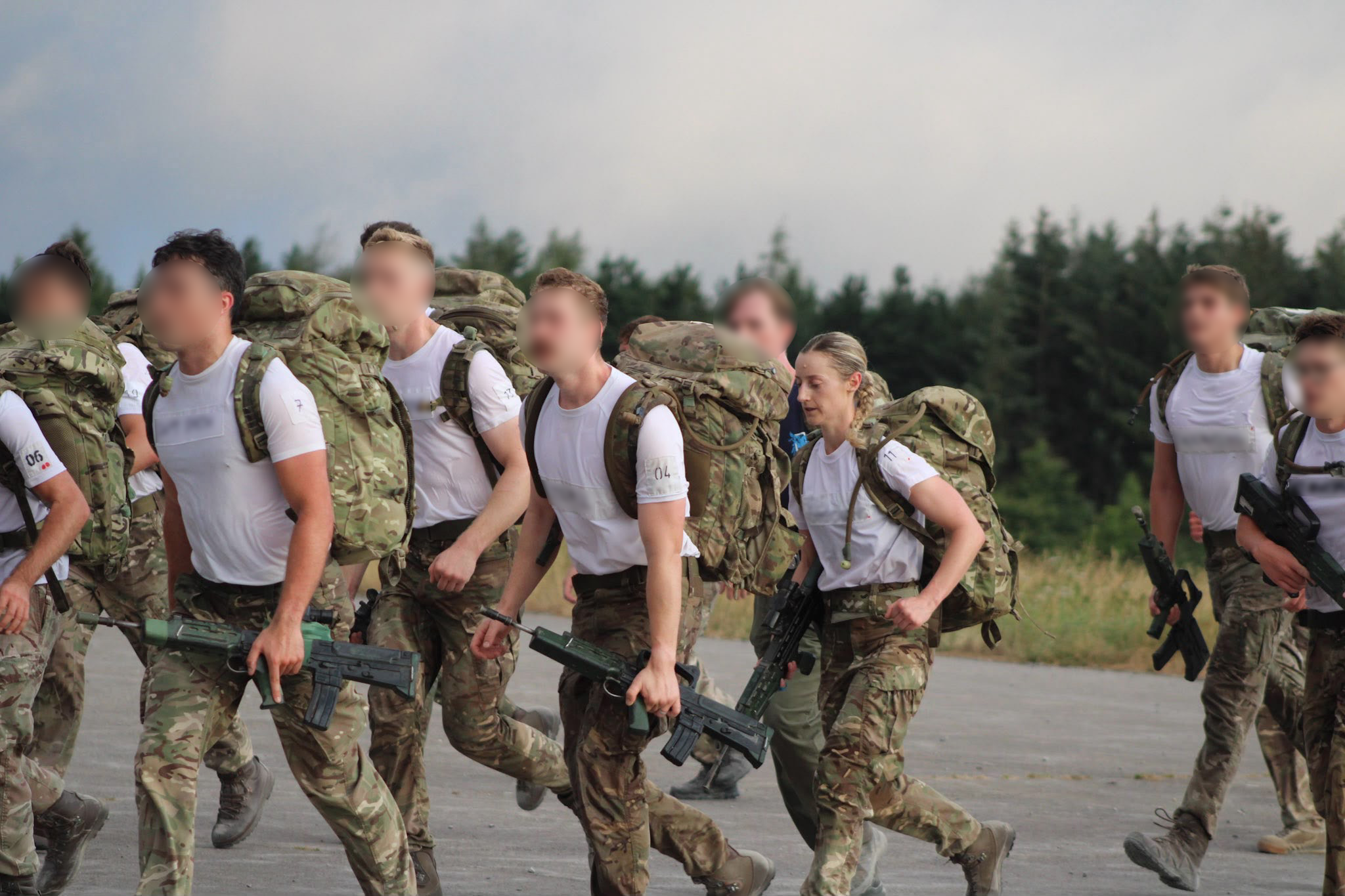
The course is deliberately designed to challenge candidates physically and mentally, with those taking part required to demonstrate the determination, teamwork and resilience expected of personnel serving in the Airborne Forces.
For Alice, successfully completing the course culminated in the presentation of her maroon beret, a visible symbol of her achievement and her place within the Airborne community.
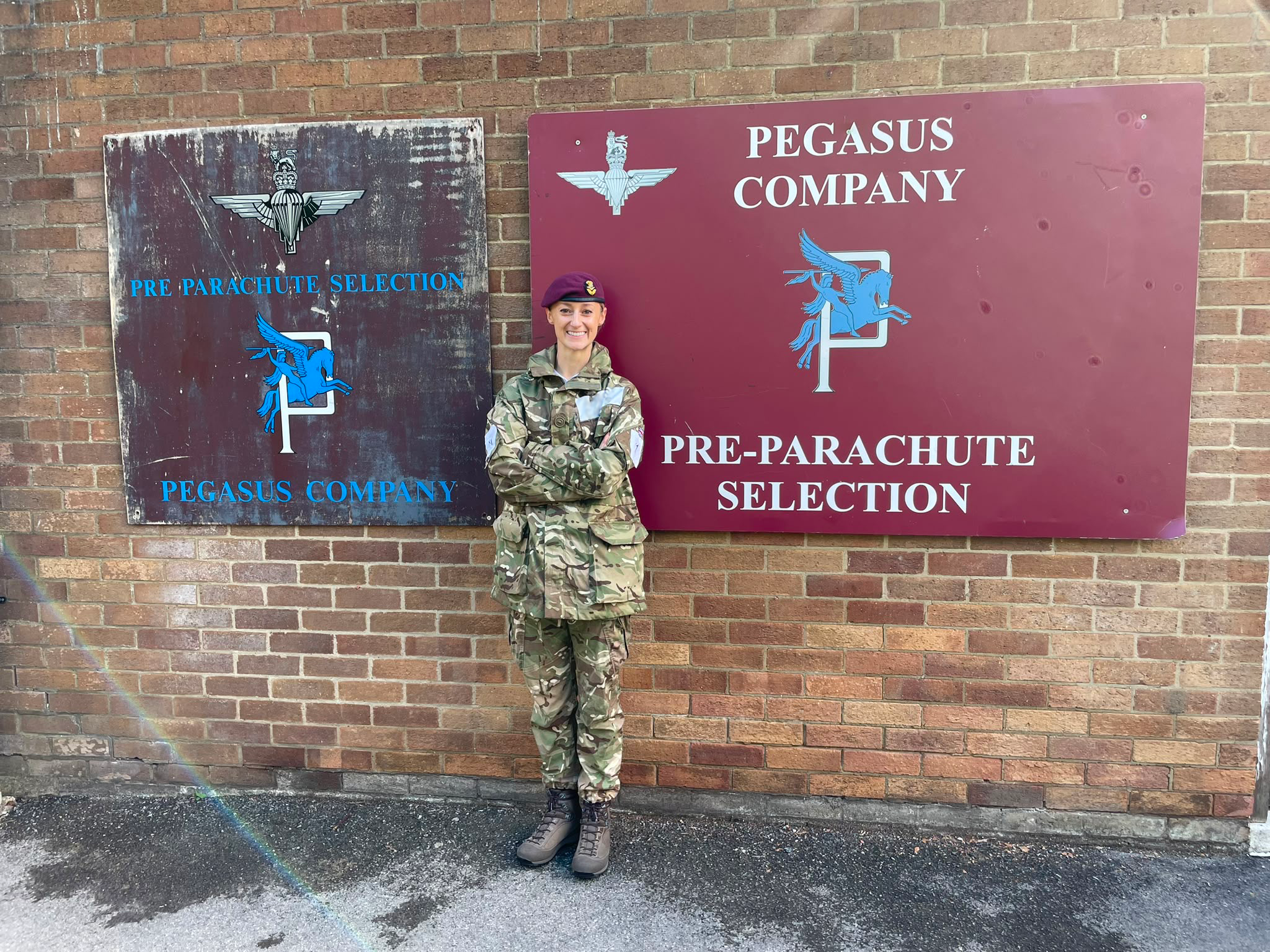
Only a handful of servicewomen have successfully completed AAPPS, making Alice’s achievement particularly significant. She is the first woman from the RAF to pass the course.
Her success also highlights the increasingly diverse range of personnel serving within Britain’s airborne capability, demonstrating that the demanding selection process is open to those prepared to meet its exacting standards.
For the RAF officer, the significance of the achievement is perhaps best summed up by the personal motivation that drove her through the gruelling weeks of preparation and selection: having already earned the wings, she wanted to prove she deserved them.