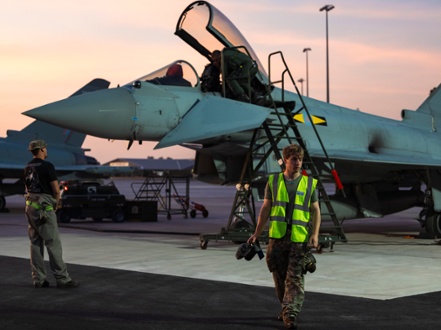
More than 1,300 skilled jobs across the UK will be sustained into the next decade as the government commits over half a billion pounds this week to strengthen and upgrade the RAF's Typhoon fighter jet fleet.
Under the new contract, BAE Systems, Leonardo UK and Parker Meggitt will equip Royal Air Force Typhoons with the new radar systems over the coming years. In addition to the 300 skilled roles in Edinburgh, the work secures 120 jobs in Lancashire and more than 100 in Luton. The full Typhoon programme supports more than 20,000 jobs across 330 UK companies.
The ECRS Mk2 radar will ensure the RAF maintains its operational advantage in contested environments. It provides high-powered jamming capability whilst engaging targets beyond the reach of threats.
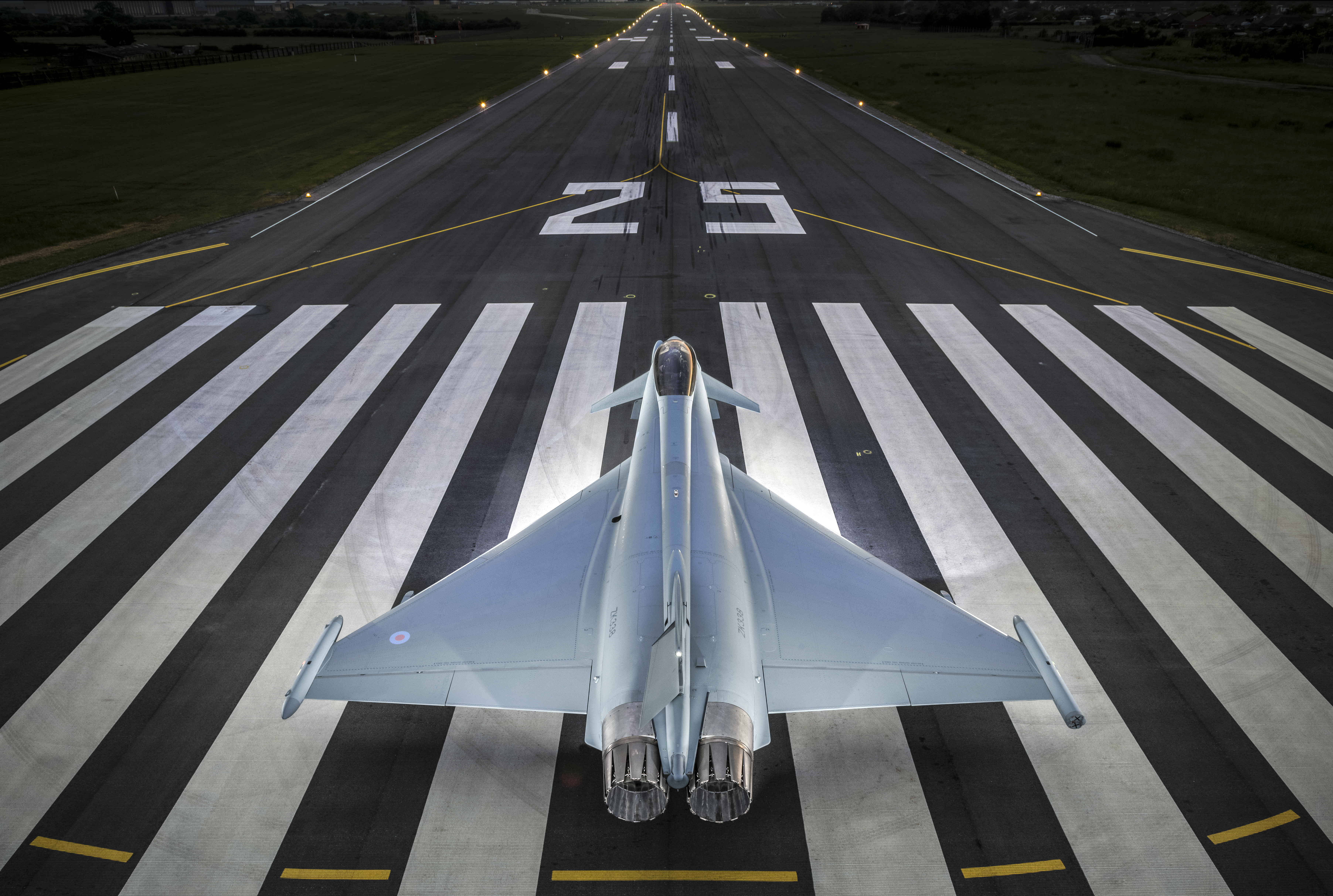
Typhoon remains the backbone of UK combat air capability and will continue protecting British skies until at least the 2040s. Continuing to upgrade Typhoons was a commitment in the Strategic Defence Review, forming part of the next-generation Royal Air Force.
The radar investment follows a £205 million contract announced earlier this week for the long-term provision of specialist Typhoon technical and engineering support by QinetiQ (sustaining up to 250 UK jobs) to help upgrade the Typhoon weapon system and keep the aircraft safe and airworthy for years to come.
This week's combined investment of over £650 million demonstrates how defence is as an engine for growth, creating good jobs and growing businesses while strengthening national security. Apprentices and workers in Scotland will benefit from the contract, with more than half of Leonardo UK’s almost 3,000 Edinburgh employees working in highly skilled professions, such as hardware, software, electronics and systems engineering.
"Our Typhoon fleet is the backbone of UK and NATO air defence, operated across Europe by the Royal Air Force and our allies to protect our skies and security.
As the threats we face increase, and as Russian drones continue to strike Ukraine and violate NATO airspace, this cutting-edge radar capability will keep Britain secure at home and strong abroad for many years to come.
In Edinburgh and across the UK, we’re backing more than 20,000 skilled workers on the Typhoon programme who ensure our RAF remains ready to protect Britain. Our government has backed their high-skilled work with more than £650 million of investment this week alone, securing British jobs and making defence an engine for growth in Scotland and beyond.
This massive workforce will be sustained for years following the biggest fighter jet exports deal in a generation, worth £8 billion which we secured with Türkiye in October.”
John Healey MP
Defence Secretary
The investment will deliver an additional 40 advanced European Common Radar System (ECRS) Mk2 radars for RAF Typhoons, including 38 new systems and modifications to two test systems, ensuring radars will be fitted to 40 aircraft. These radars will simultaneously detect, identify and track multiple targets in the air and on the ground.
The announcement supports the government's Plan for Change by investing in working people through high-value employment whilst strengthening national security.
“The Typhoon programme is a fundamental pillar of the UK’s national defence and security. Operating at the heart of NATO operations, Typhoon aircraft provide air policing along Europe’s eastern flank. The continued investment in Typhoon capability is crucial and ensures we’re able to maximise the UK’s investment in the aircraft and accelerate combat air technologies critical for defence capabilities.”
Richard Hamilton
BAE Systems Managing Director – Europe & International
“The award of this contract underpins the UK’s commitment to provide our warfighters with the very best, cutting-edge capabilities to defend our Nation’s airspace, protect our allies, and deter potential adversaries. It also reinforces the UK’s commitment to Typhoon as the backbone of Combat Air within the Royal Air Force.”
Air Commodore Lowe DSO
Head Capability Delivery Combat Air and Typhoon Senior Responsible Officer