

The first RAF Auxiliary Air Force squadron to be formed — and the unit credited with bringing down the first German bomber on UK soil — is marking its centenary.
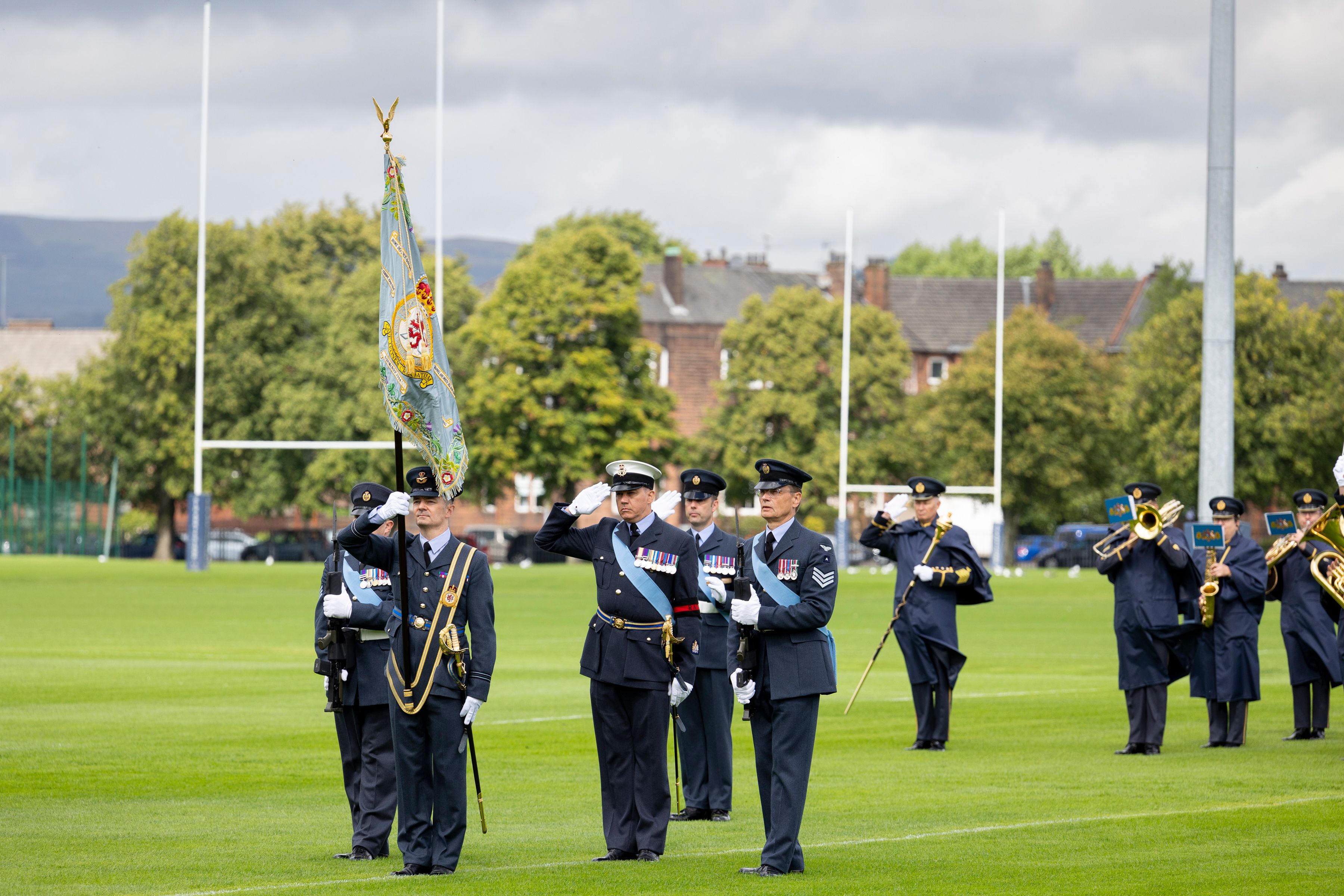
In May 1925, 502 (Ulster) Squadron was formed in Belfast as part of the RAF Special Reserve, a mix of regular personnel and reservists. Later that year, on 12 September 1925, 602 (City of Glasgow) Squadron became the first unit of the newly created Auxiliary Air Force — an organisation made up entirely of reservists and the foundation of today’s RAF Reserve.
The squadron was based in Renfrew, beginning life as a light bomber squadron flying DH.9As and Avro 504s.
It quickly became known as “Glasgow’s Own,” reflecting its close ties to the city and the West of Scotland.
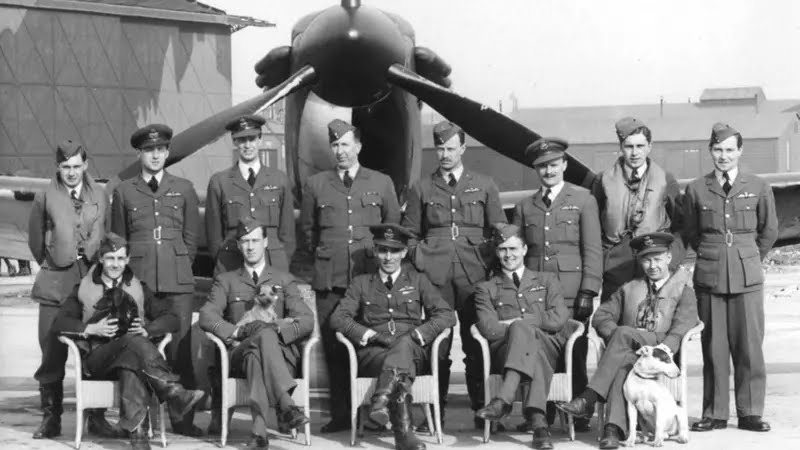
In April 1933, the squadron’s commanding officer, the Marquess of Douglas and Clydesdale, and his deputy David McIntyre, made aviation history by becoming the first men to fly over Mount Everest.
Piloting open-cockpit Westland aircraft fitted with oxygen systems, they braved sub-zero temperatures and extreme altitudes.
Both were awarded the Air Force Cross and granted the Freedom of Renfrew. The feat placed Scottish aviation firmly on the world stage and inspired the founding of Prestwick Airport and Scottish Aviation Ltd.
On 16 October 1939, 602 was scrambled from Drem in East Lothian to intercept German bombers over the Firth of Forth.
The Luftwaffe had been targeting Royal Navy ships at Rosyth, expecting little opposition.
Flying Spitfires, Flight Lieutenant George Pinkerton led the first interception and fired the shots that opened the air war over Britain, while his colleague Flight Lieutenant Archie McKellar shot down a Junkers 88 which crashed into the sea off East Lothian.
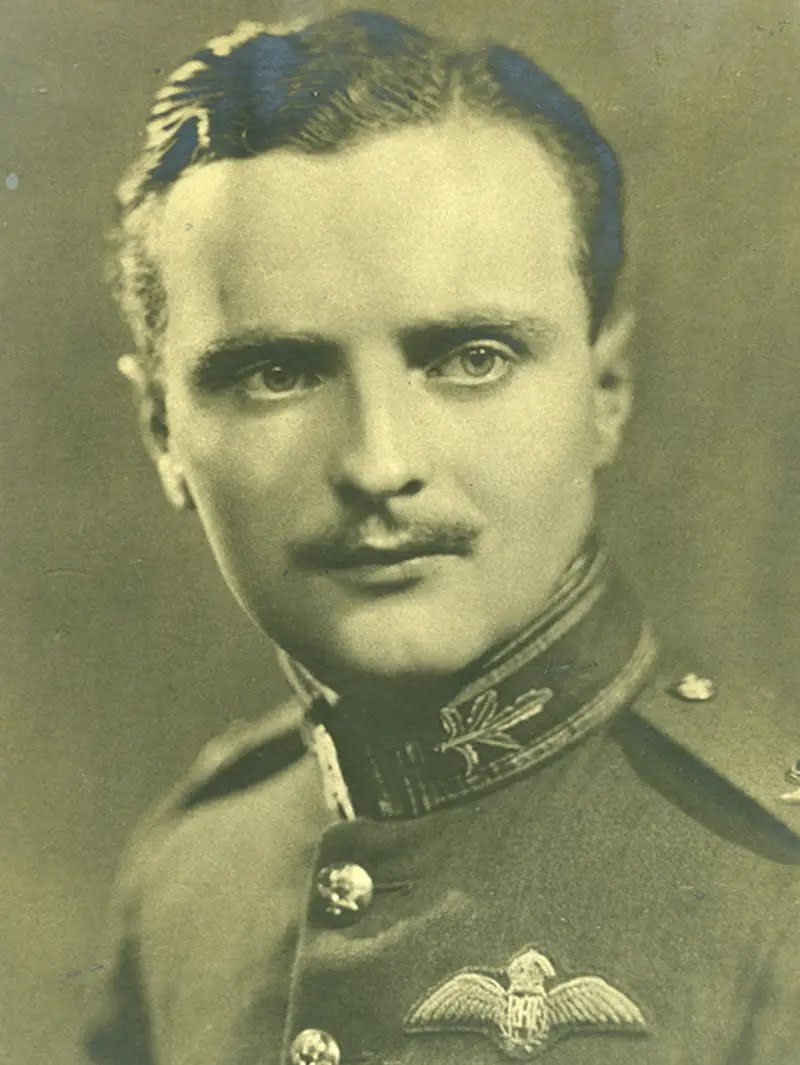
Another Junkers was destroyed by 603 Squadron and also fell into the sea. A third bomber, damaged by Pinkerton, ditched near Crail, its pilot surviving to be captured.
Air Chief Marshal Sir Hugh Dowding, Commander-in-Chief of Fighter Command, praised the Auxiliary squadrons’ achievement, declaring: “Well done. First blood to the Auxiliaries.”
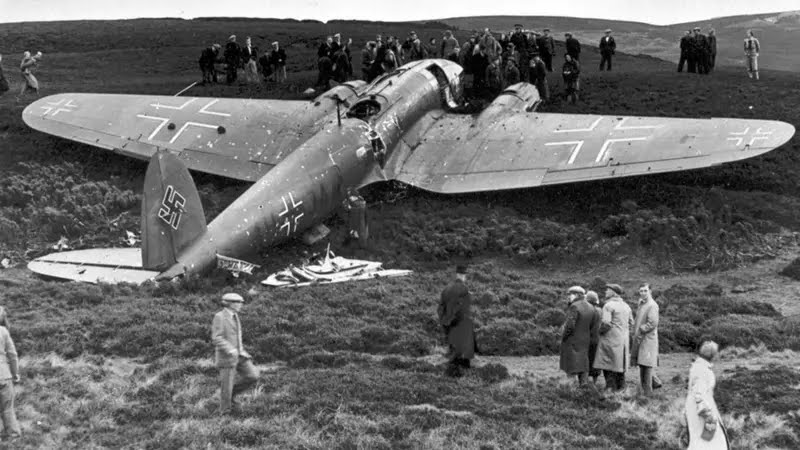
Twelve days later, on 28 October, McKellar downed a Heinkel He 111 which crash-landed at Humbie in East Lothian — the first German aircraft to come down on British soil.
The squadron went on to play a full role in the Battle of Britain before returning north to defend the Clydeside during the Blitz.
It later flew bomber escorts and shipping strikes, and operated from the Orkneys with high-altitude Spitfires.
In 1944 it covered the D-Day landings before moving to Europe for ground-attack missions. A low-level raid on the Shell Mex building in The Hague, which housed German headquarters staff, became one of its defining wartime operations.
After the conflict, 602 was re-formed with Spitfires before moving into the jet age with Vampires and Meteors, until budget cuts led to its disbandment in 1957.
Its Standard was laid up in Glasgow Cathedral.
The squadron re-formed in 2006, this time as a specialist support unit.
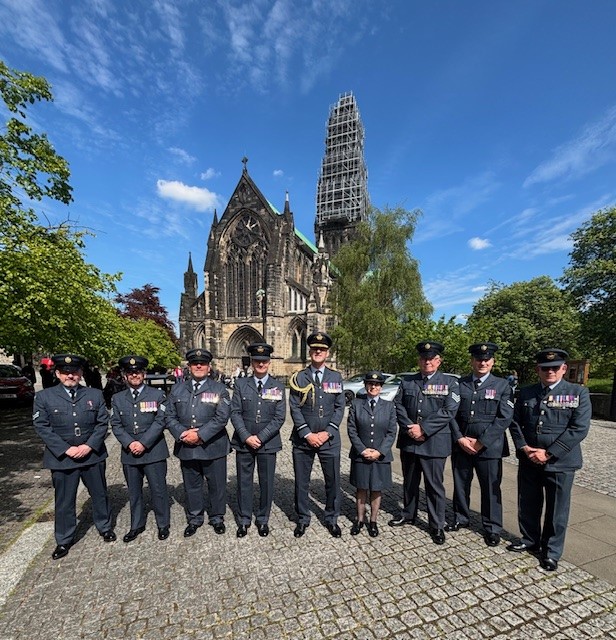
Today, its reservists provide expertise in intelligence, logistics, cyber, air operations and law.
Members have deployed worldwide, from Iraq, Cyprus, Oman and Qatar to Malaysia, the Falklands and Gibraltar, while also supporting the London Olympics and the UK’s COVID-19 response.
In 2024, 602 made history again by the first dedicated reserve Space Flight in Scotland. In RAF terms, a “flight” is a sub-unit within a squadron.
The new Space Flight works directly with UK Space Command, monitoring threats in orbit and supporting satellite operations.
602's centenary will be marked with three days of events in Glasgow. On Friday 12 September a civic reception will be held at the City Chambers and hosted by the Lord Provost.
The following day the squadron’s Kings Park headquarters will host a friends and families barbecue, giving colleagues a chance to meet personnel and see displays of its history.
On Sunday 14 September a joint service at Glasgow Cathedral will combine the centenary with the annual Battle of Britain commemoration.
“As Officer Commanding No. 602 (City of Glasgow) Sqn RAuxAF, I am extremely honoured to be a member of the squadron at such a milestone in our illustrious history.
“Celebrating a century of service is a once in a lifetime moment, I am both humbled and proud of all our RAF Reserve personnel.
“From flying bi-planes in the early years, to now recruiting personnel from civilian life to serve in the RAF Reserve’s many cutting edge professions, from space and cyber to logistics and engineering.
“Our centenary celebrates the RAuxAF journey, and we continue to look forward to another 100 years.”
Squadron Leader James Martin VR, Officer Commanding 602 Squadron
The Rt Hon the Lord Provost of Glasgow, Dr Jacqueline McLaren, said:“I am honoured to mark the Centenary of 602 and immensely proud to say the city enjoys long and lasting links with the heroic and distinguished squadron.
“602 Squadron’s reputation is legendary and remains a source of great pride and continues the legacy of ensuring that the RAF can look to a glittering future, filled with exciting possibilities for another century.”