2024 marks 75 years since the conclusion of the Berlin Airlift, one of the most significant humanitarian operations of the Cold War.
Launched in June 1948, it was a response to the Soviet Union’s blockade of West Berlin, which aimed to cut off the city’s supplies. While much attention often focuses on the American effort, the Royal Air Force played a crucial role in sustaining West Berlin during this crisis.
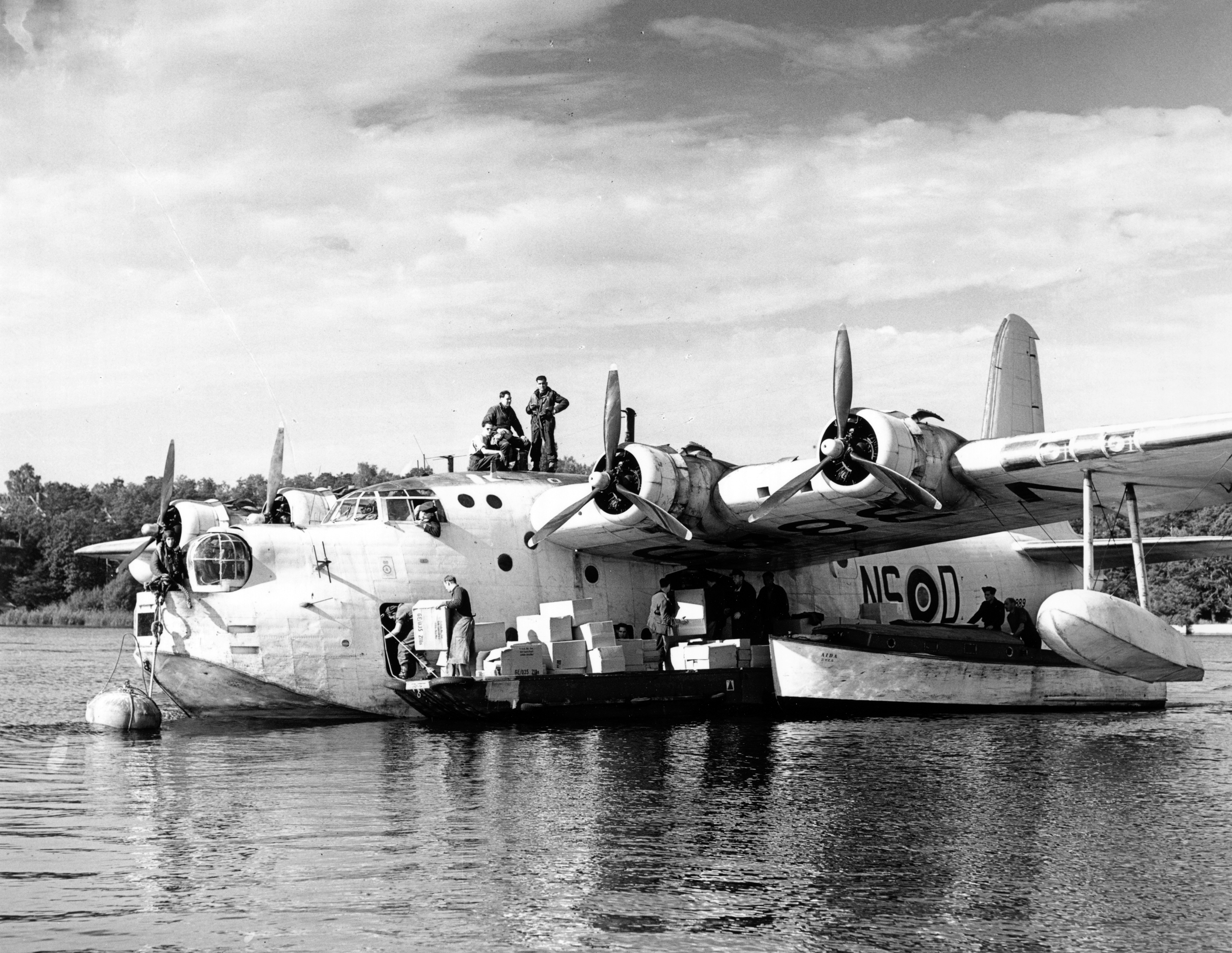
Following the Soviet blockade, the RAF quickly mobilised to support "Operation Plainfare," the British name for the airlift. RAF aircraft such as the Douglas Dakota and Avro York flew thousands of sorties into Berlin, carrying vital supplies like food, fuel, and medicine. The Avro York, in particular, became essential in transporting coal, helping Berliners survive harsh winters.
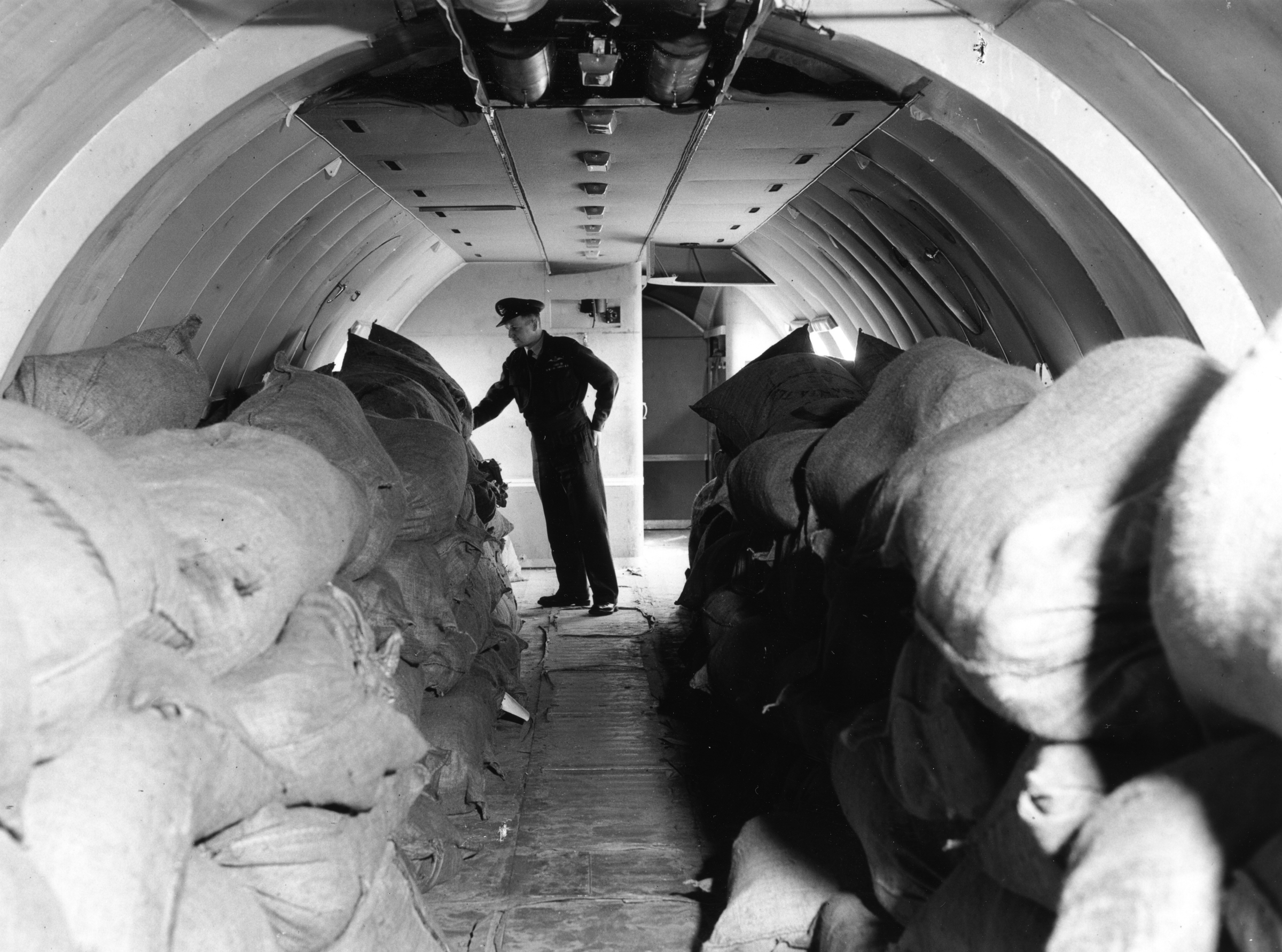
RAF pilots and ground crews worked tirelessly, flying in treacherous conditions, and facing mechanical challenges to ensure that the operation ran smoothly. At its peak, the RAF flew around 400 missions per day, delivering nearly a quarter of all Allied supplies to the besieged city.
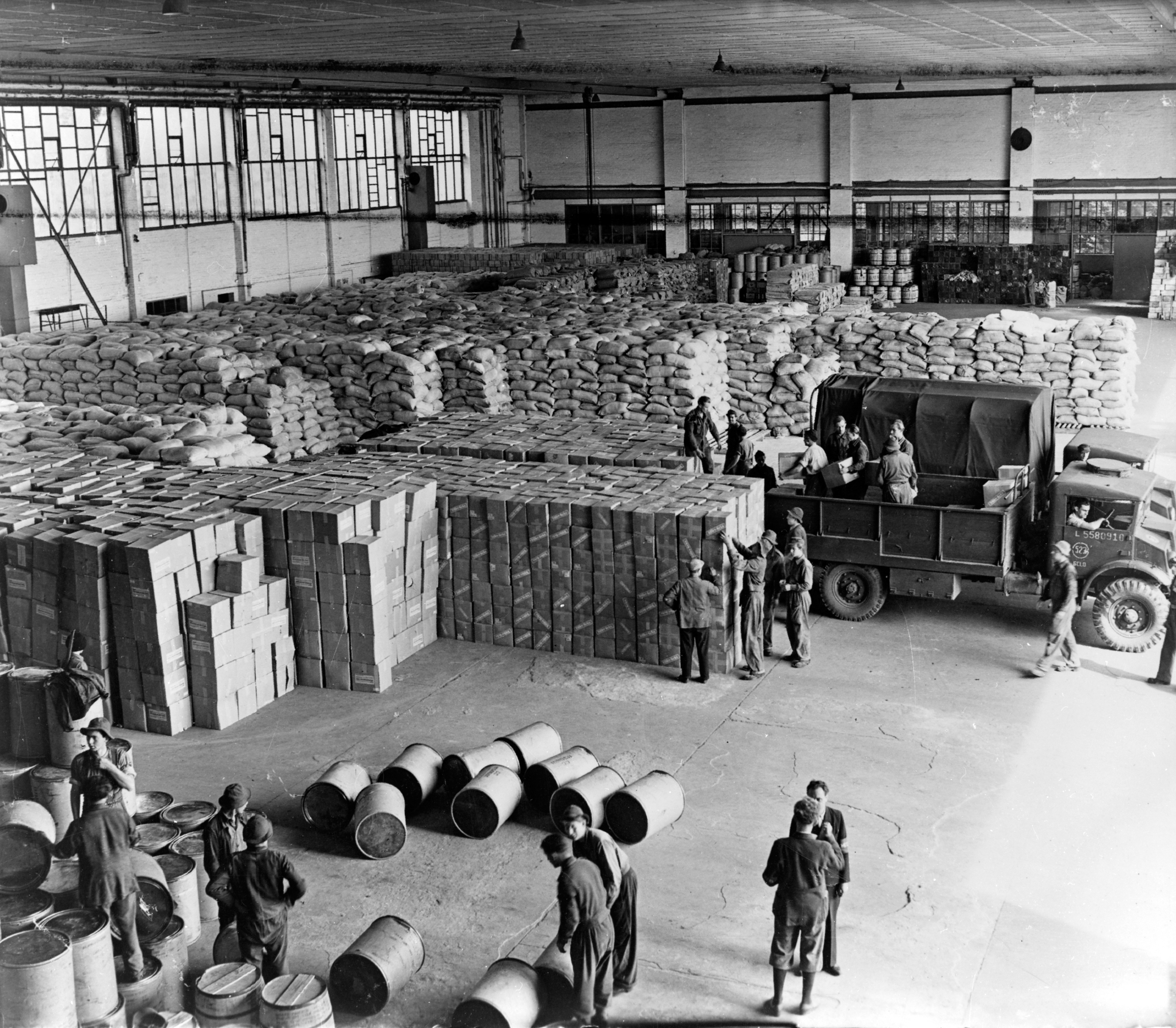
The RAF’s collaboration with the U.S. Air Force in "Operation Vittles" showcased extraordinary coordination. Together, they ensured that an aeroplane landed in Berlin every 90 seconds. In total, the RAF delivered nearly 400,000 tons of supplies and evacuated over 130,000 people, including very young, sick, and elderly from the city.
The airlift not only saved millions from starvation but also cemented the division of Berlin and deepened the UK’s ties with its Allies.