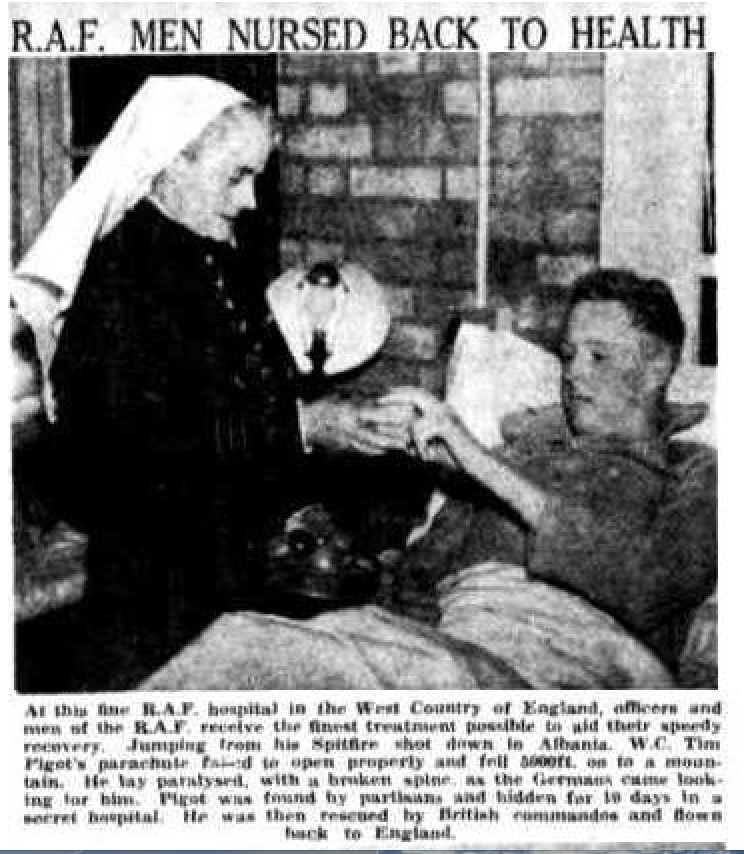


When twenty-one year old pilot Warrant Officer Tim Vernon Pigot climbed into his Spitfire on 24 June 1944, he could not have imagined that the mission ahead would change his life. It would indelibly link two nations in a story of courage and compassion that is remembered eight decades later.
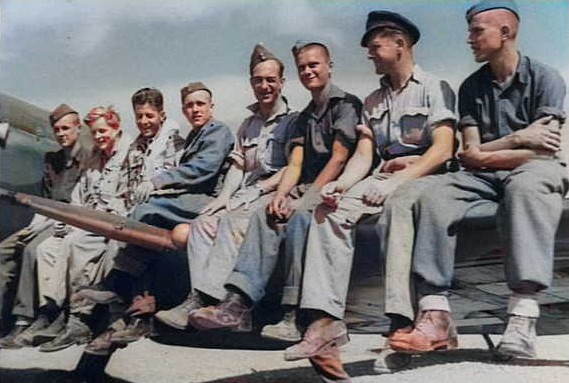
Warrant Officer TV Pigot of Northwich, Cheshire is second left; 1944.
Image courtesy of the Air Historical Branch
Flying from Brindisi Italy, as part of No. 1435 Squadron, Pigot was conducting low-level attacks on German transport near Kelcyre, southern Albania. His aircraft was struck by 20mm flak, forcing him to climb to 5,000 feet and bale out. The parachute failed to open fully, and he hit the ground at great speed, breaking his back, immobilising him completely.
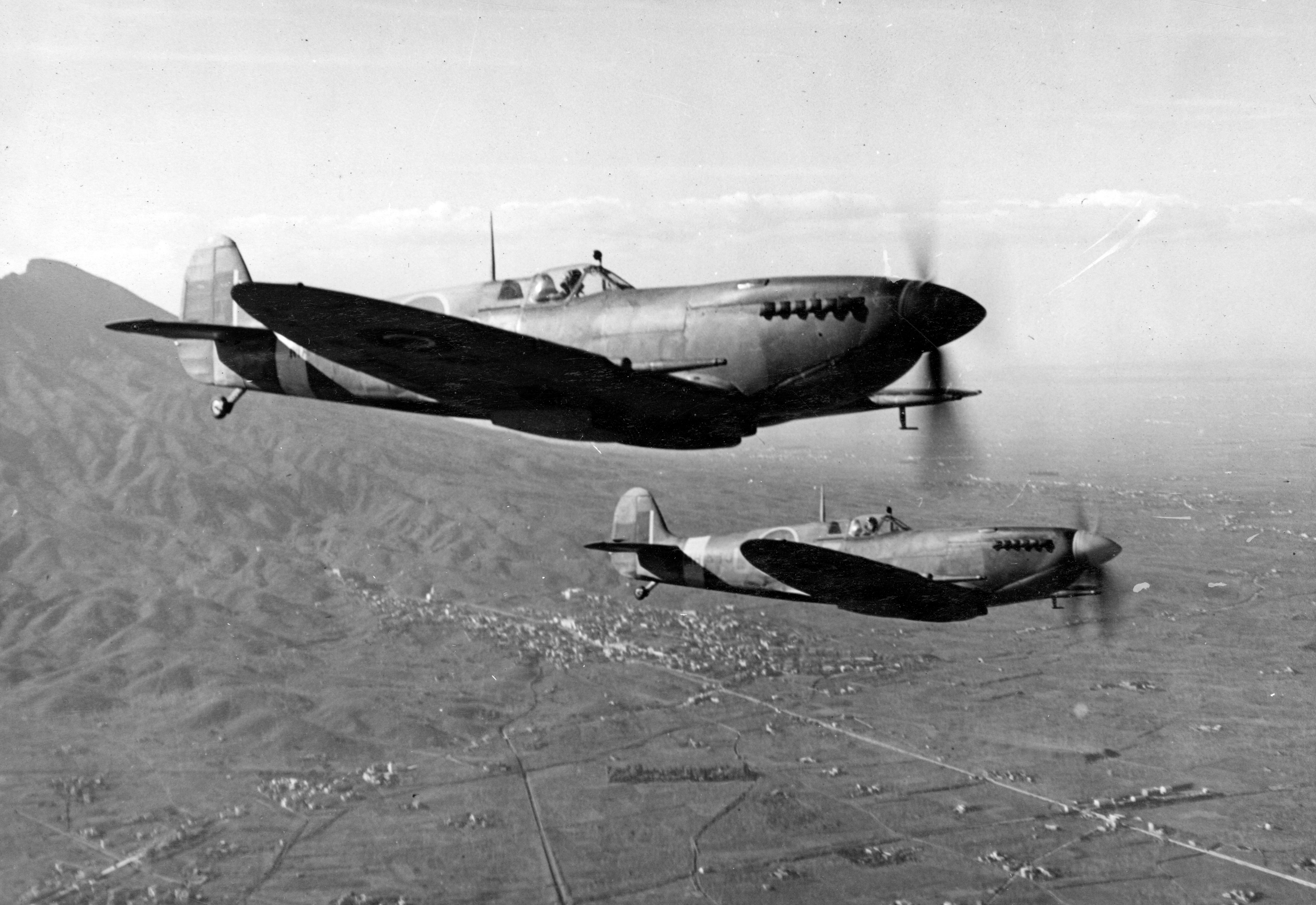
Image courtesy of the Air Historical Branch
At that moment, two rural famers from the hills above Sukë , Kapllan and Orhan Sulaj, risked their lives to save him. The Albanian brothers provided first aid, dragged the injured pilot to safety and hid him from a German search party combing the area. That act of bravery almost certainly saved his life.
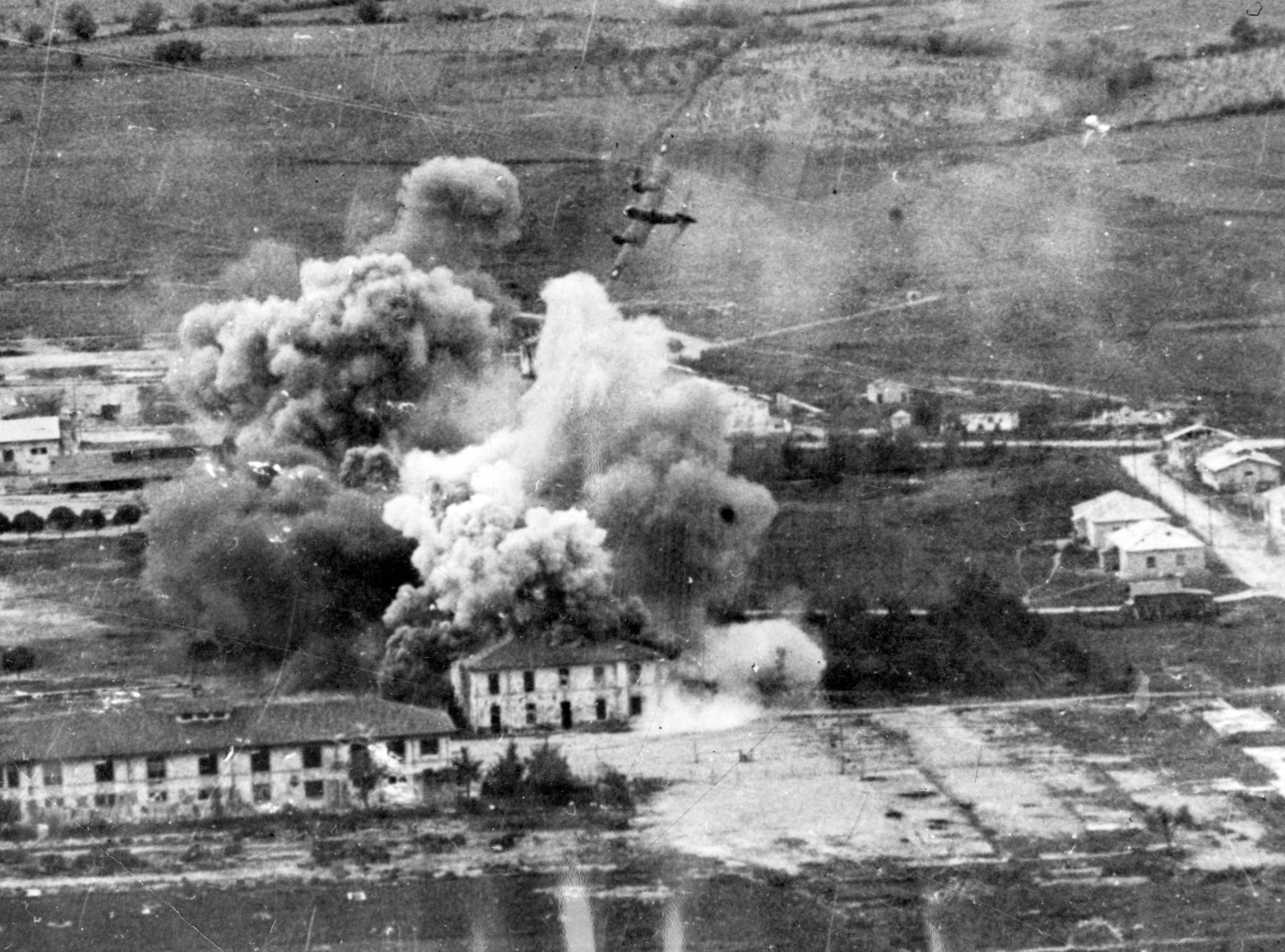
of rocket projectiles at a German occupied barracks south of the aerodrome at
Tirana, Yugoslavia (Albania) on 7 November 1944.
Image courtesy of the Air Historical Branch
Later that night, the Sulaj brothers returned with partisan fighters, who transported Pigot by mule to a mobile hospital and alerted Major Shaw, a British liaison officer. From there, the pilot was moved to the coast and evacuated by Royal Navy Motor Torpedo Boat to Brindisi in July 1944.
Warrant Officer Pigot's account was discovered in the UK National Archives:
I was flying a spitfire which took off from BRINDISI at approximately 08.30 hours on 24 June 1944. The target was KELCYRE (ALBANIA). I made a run over the target at about 20 feet when I was hit by machine gun fire from the ground. I got up to 5,000 feet and then bailed out. On landing my back was broken and I could neither stand nor walk
Later two Albanian peasants came down the hillside into the field where I had landed and dragged me up for a distance of a mile or so and placed me behind a bush. A little time after, a German search party came up the hill, passed near me, one man even turning back, but I was not discovered.
Later in the day the peasants returned bringing back a group of partisans. I was then taken by mule-back, spending most of the night travelling, until finally I came to a Partisan mobile hospital. Here I was placed under the care of an Italian doctor. I stayed with this outfit for about 10 days, moving about every day until finally I was taken to Staravetsk where I met Major Shaw (Liaison Officer). He radioed Italy for me and sheltered me for a week. I met several RAF with him. After the week with him, he supplied us with a guide and we made our way to the coast (a. journey of eight days) finishing up at FTERA. We stayed here for about one week. After waiting we were picked up by a Motor Torpedo Boat which took us straight back to Brindisi.
Back in the UK, Pigot spent nearly a year in hospital but went on to make a full recovery. He lived a long life, passing away in February 1992 aged sixty-nine.
This month, the Royal Air Force formally recognised the courage of Kapllan and Orhan Sulaj. Chief of the Air Staff, Air Chief Marshall Harv Smyth wrote to Mr Gezim Sulaj, son of Kapllan and nephew of Orhan, now 84, to express gratitude on behalf of the RAF and the United Kingdom.
In the midst of a cruel conflict, your father and uncle displayed tremendous personal courage and compassion. Their actions saved a life and symbolise the humanity that unites our nations.
Air Chief Marshal Harv Smyth
Chief of the Air Staff
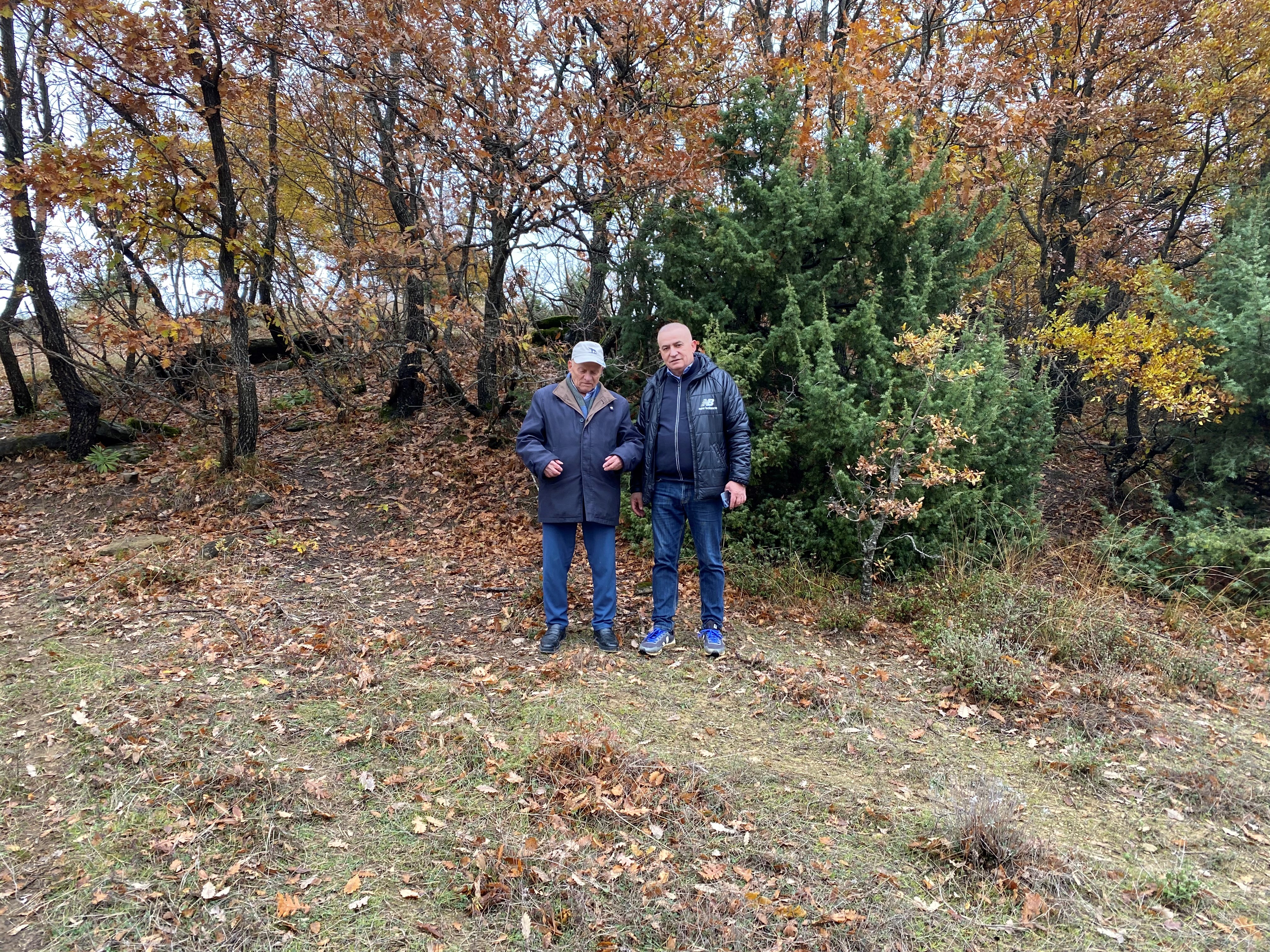
The recognition follows work by Mr Richard Bone of the British Embassy in Tirana, who has spent years tracing Allied crash sites and wartime burial grounds across Albania. The Embassy will deliver the letter, supported by the Defence Attaché, Lieutenant Colonel Dave Strong.
Eight decades on, this remarkable act of bravery stands as a testament to the power of humanity and the bonds forged in war that endure in peace.