

Six months into Operation Highmast, the Royal Air Force has shown what “Global by Design” really means. From the decks of HMS Prince of Wales in the Mediterranean, to the hot ramps of Duqm in Oman and out to the runways of Australia, Japan, Singapore and Malaysia, Highmast has proven the RAF can deliver combat airpower, mobility and intelligence across continents and keep doing so month after month.
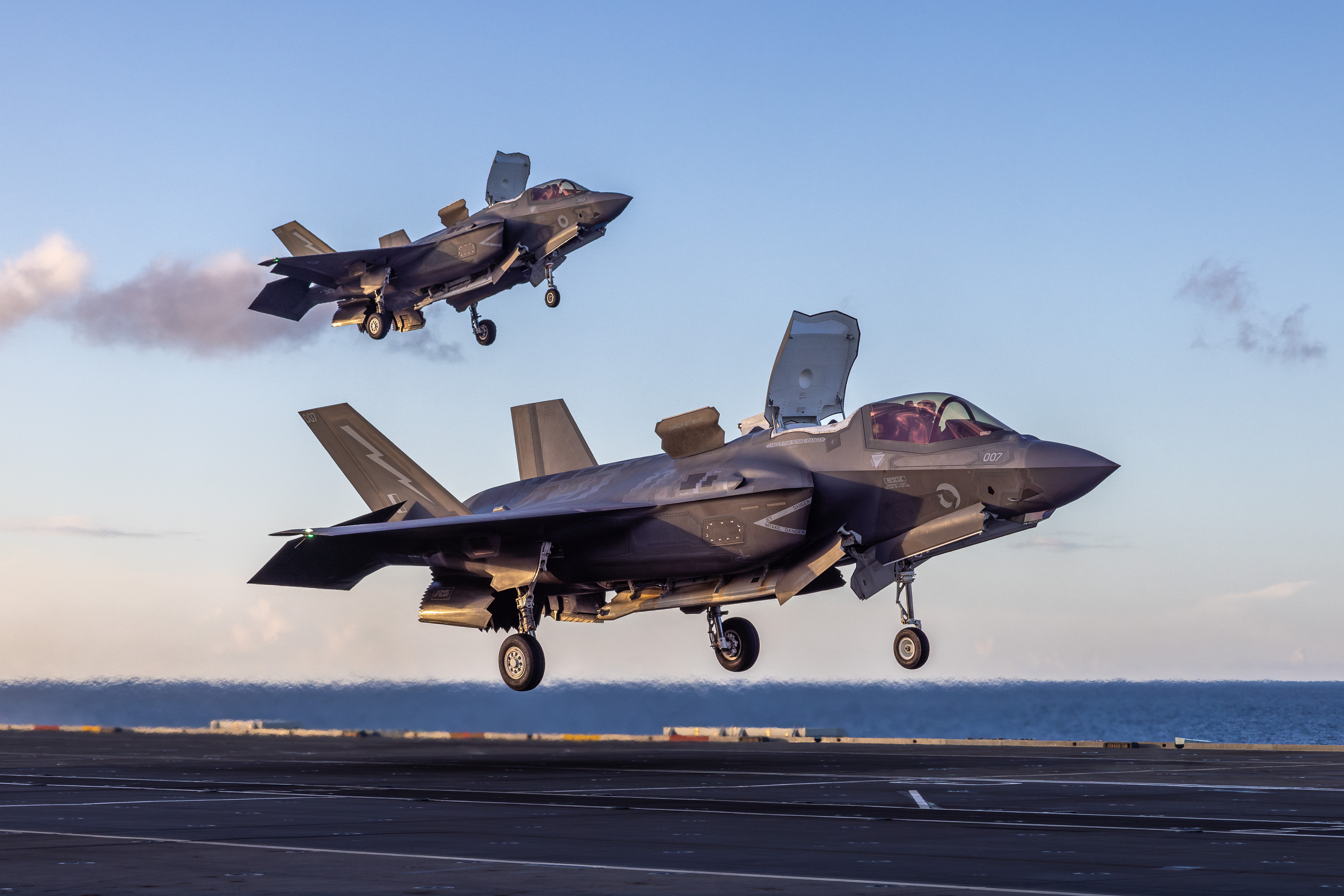
This is not just a Lightning Force deployment. Highmast has tested and showcased the entire force mix: F-35B Lightnings, Typhoons, Voyager, A400M, C-17, ISTAR platforms and enablers, together forming a global network that carries Britain’s commitment to NATO, the Middle East and the Indo-Pacific.
Mediterranean Start: Carrier Strike and Combat Air
The journey began in the Mediterranean, with HMS Prince of Wales leading Carrier Strike. F-35Bs launched from her decks while RAF Typhoons integrated with NATO partners across southern Europe, showing how 4th and 5th generation fighters now operate as one. Voyagers ensured endurance and reach, while ISTAR assets fed the operational picture to allies in real time.
Middle East: Duqm Hub and Global Reach
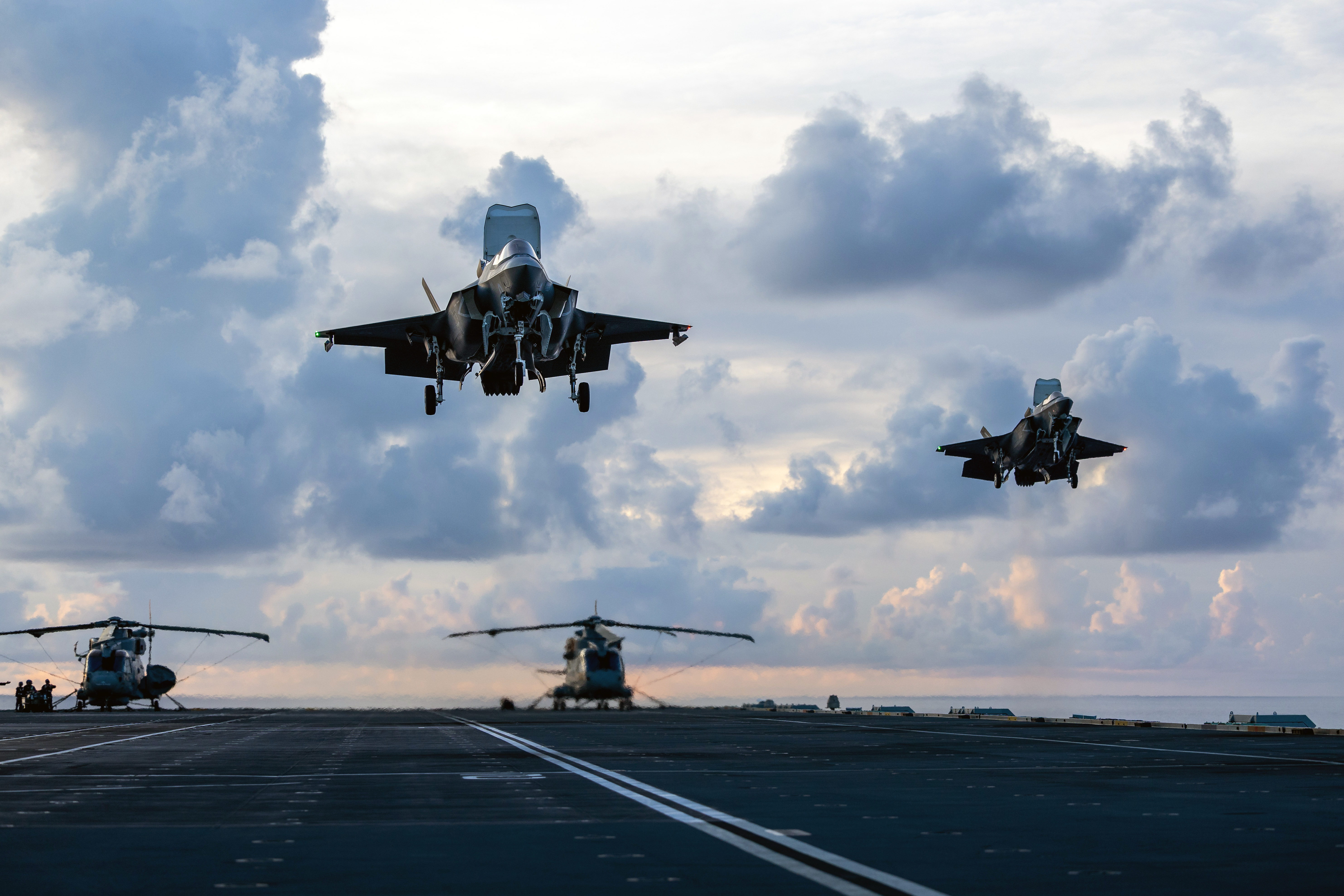
At Duqm in Oman, the RAF created a forward hub for combat and support aircraft. C-17s and A400Ms from the Air Mobility Force (AMF) delivered spare parts, equipment and personnel, sustaining operations thousands of miles from home. This was global reach in practice enabling RAF crews to keep flying and training alongside partners in the region.
Indo-Pacific: Australia, Japan, Republic of Korea, Singapore, Malaysia
In the Indo-Pacific, Highmast has been about partnerships.
In Australia, Hundreds of RAF personnel supported Ex Talisman Sabre across many RAAF bases and Lightnings and Voyagers flew alongside 19 partner nations.
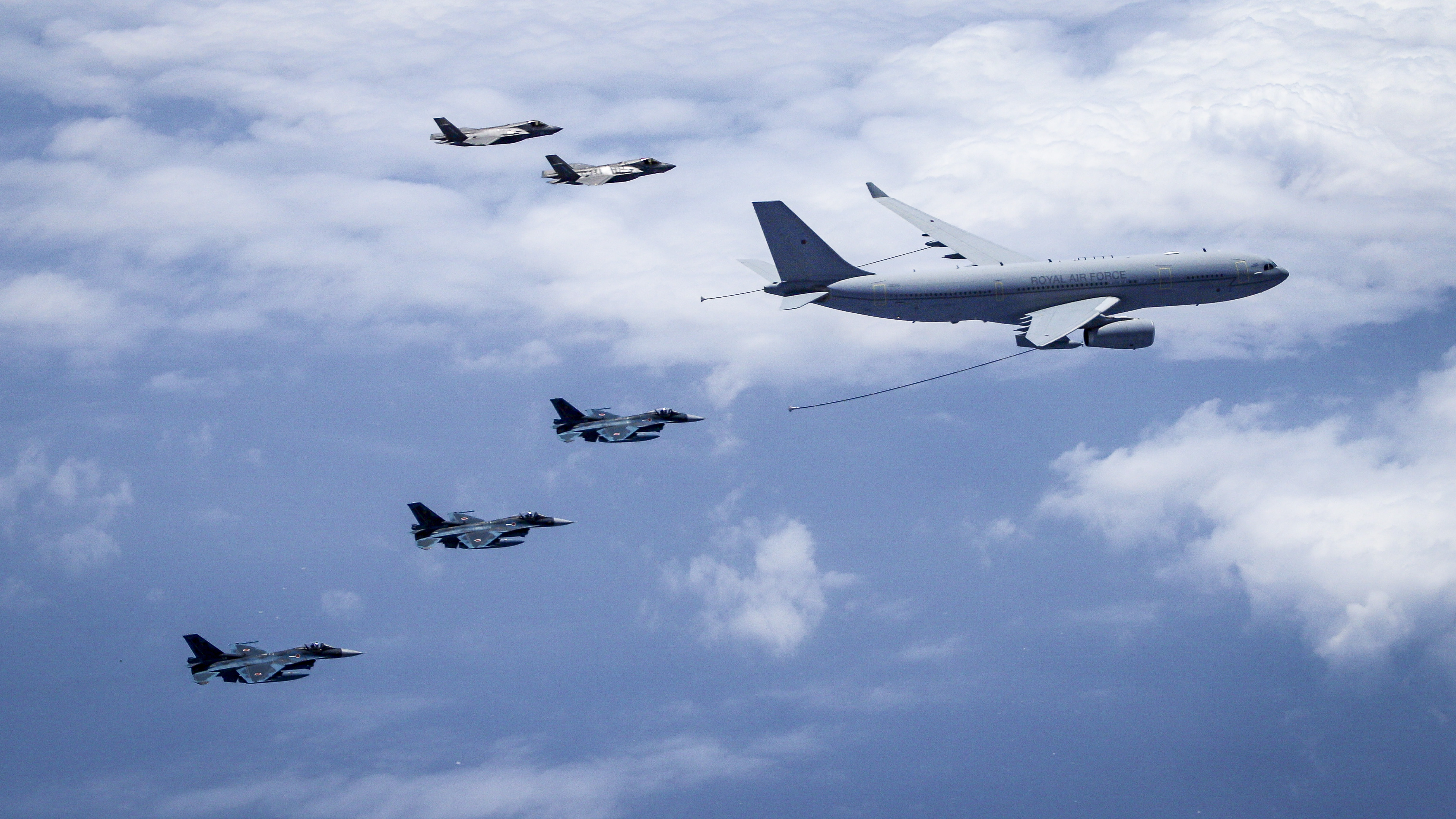
In Japan, UK Lightnings trained alongside the Japan Air Self-Defense Force, advancing fifth-gen tactics and interoperability.
In Singapore, RAF aircraft joined multinational exercises, reinforcing Britain’s commitment to Southeast Asia
In Malaysia, RAF personnel worked shoulder-to-shoulder with RAAF and RMAF engineers, turning maintenance into a live Agile Combat Employment demonstration, proof that coalition forces can keep jets combat-ready anywhere.
People at the Centre
For pilots, Highmast has been a chance to test the most advanced jets in the world.
“In a legacy aircraft you’re managing sensors and pods separately. In the F-35, it all fuses into one picture. It’s a step-change in how we fight,” said one Lightning pilot.
For engineers, movers and logisticians, it has been about sustaining operations in heat, humidity and distance. And for ISTAR and AMF crews, it has been about ensuring the whole force is fed with intelligence, fuel, reach and lift, proving the RAF is stronger together than in silos.
Still Flying: Towards December
With three months still to run, Highmast continues to write the RAF’s story of global readiness and air power projection. By December, it will stand as one of the most far-reaching deployments of the decade, a living demonstration that Britain’s air and space power is combat-proven, globally deployable and allied by design.
From Combat Air to ISTAR, from AMF to Space, the RAF has shown that when it moves together, it delivers assurance, presence and builds partnership across the world.


