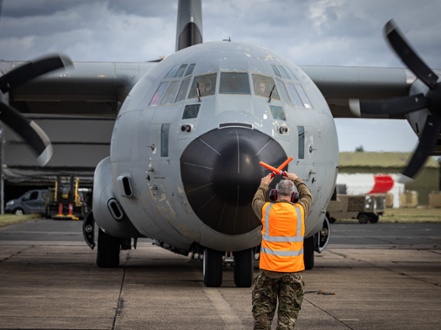
From navigating a journey with a smartphone to enabling military operations across the globe, space has become an essential part of modern life. Yet for many, it remains largely unseen. That was one of the key messages emerging from this year's UK Space Power Conference, where military leaders, government officials, industry partners, academics and international allies gathered to discuss the future of the space domain and the capabilities needed to protect it.
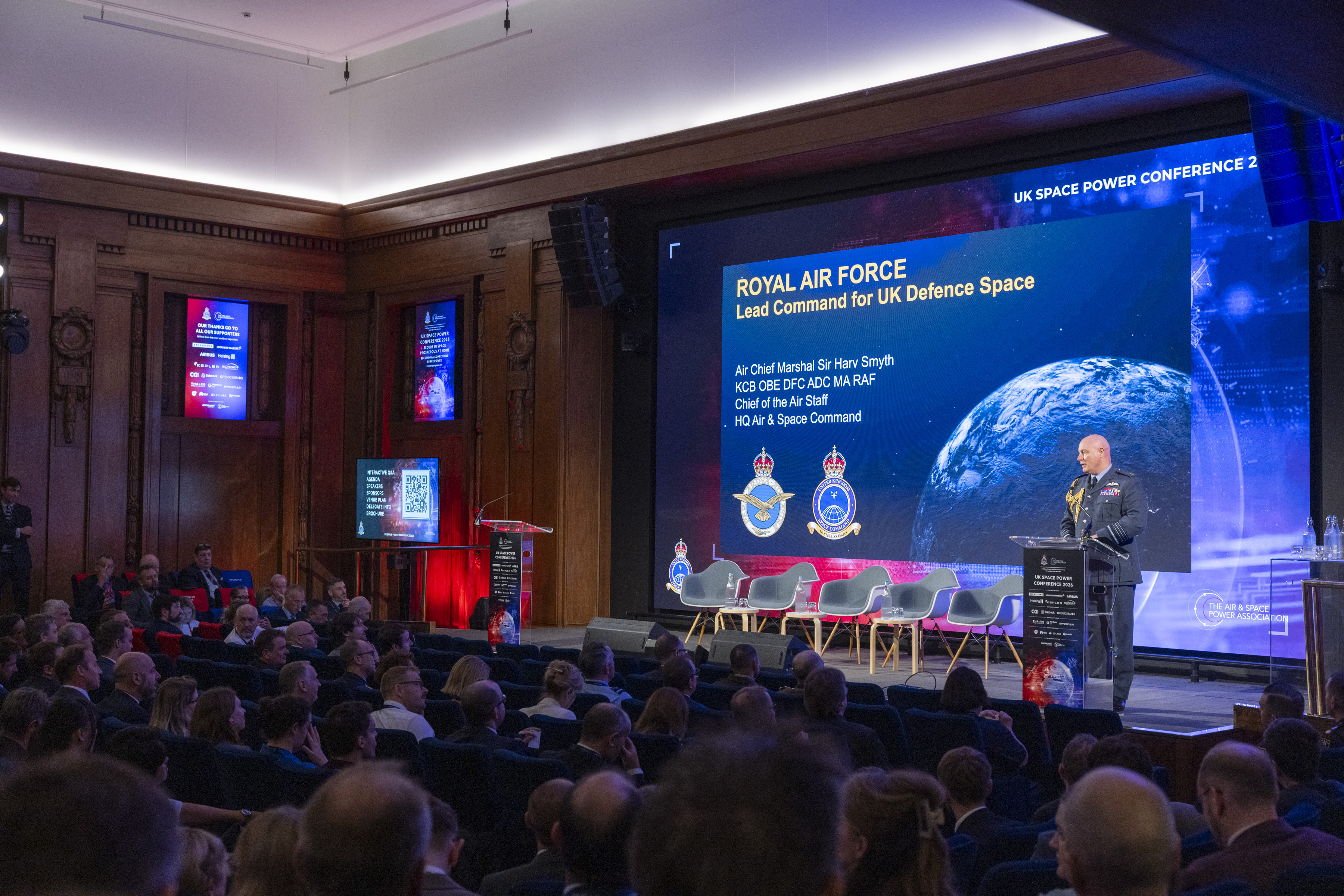
Hosted by UK Space Command, the conference highlighted a growing reality: space is no longer a niche area of interest or a future aspiration. It is a critical operational domain underpinning national security, military effectiveness and economic prosperity.
Wing Commander Neal Henley, Chief of Staff of the Joint Force Space Component, the operational arm of UK Space Command, believes understanding that dependency is now more important than ever.
"There is now a growing recognition of our dependency upon space. It's no longer optional. We better understand our vulnerabilities and therefore what needs protecting and assuring to ensure we have access to the services we need for the warfighter, but also for wider society."
What is Space Power?
Much like air power, space power is about the capabilities, people, services and effects that enable military operations.
From secure satellite communications and missile warning systems to intelligence gathering, navigation and weather forecasting, space-based capabilities support almost every aspect of modern defence activity.
"Space power is the range of activities we conduct to deliver the missions and roles that the integrated force depends upon," explained Wing Commander Henley.
The UK's military also relies on space for secure command and control, intelligence, surveillance and reconnaissance, and increasingly for the operation of autonomous and uncrewed systems.
Without those capabilities, military effectiveness would be significantly degraded.
Operating in a Contested Domain
A recurring theme throughout the conference was the increasingly contested nature of space.
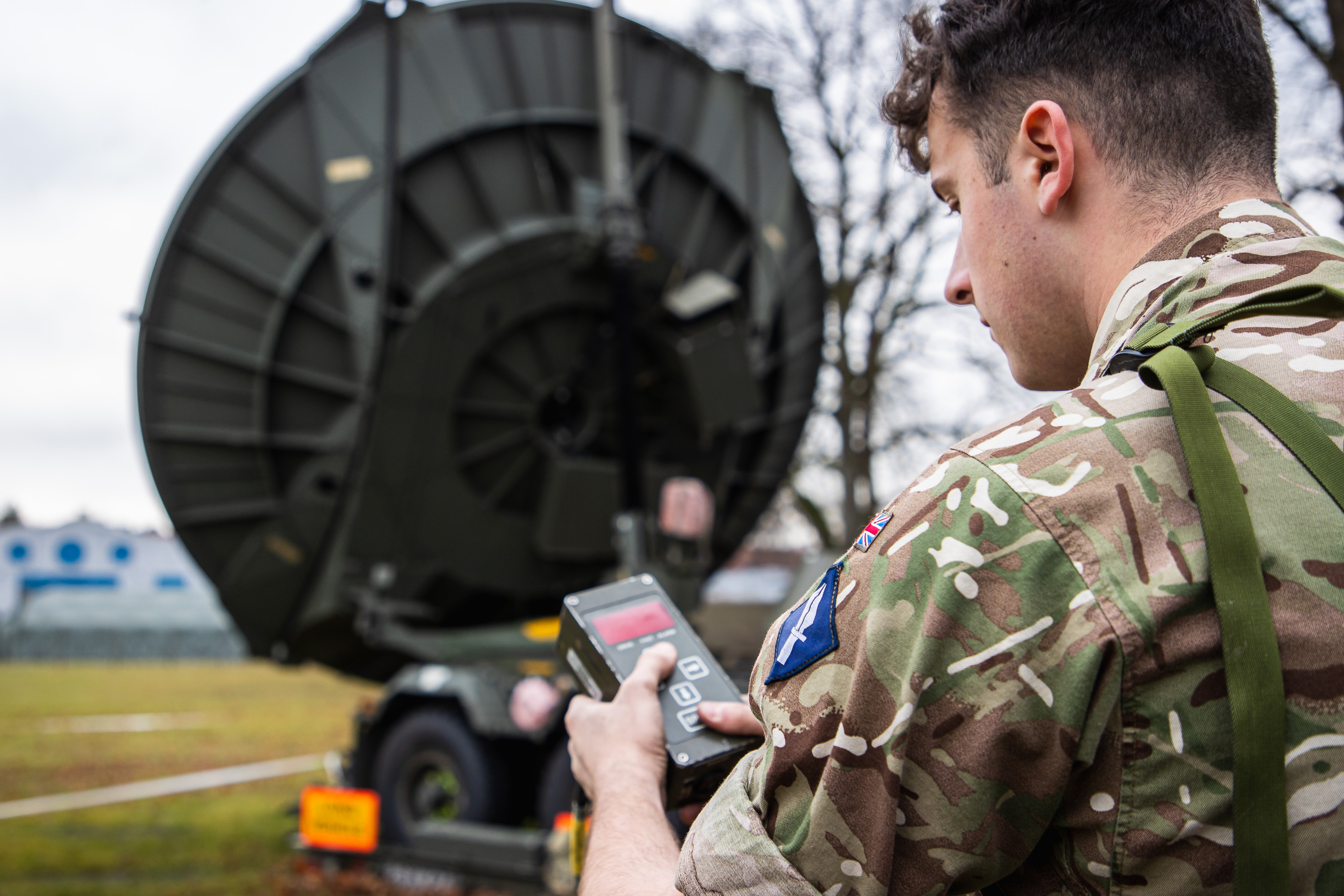
As reliance on space-based services grows, so too does the need to protect them. Adversaries can target space capabilities in a variety of ways, from cyber attacks and electronic interference to attacks against supporting ground infrastructure.
The challenge is not limited to systems on Earth.
"There are a number of potential adversary satellites on orbit and one of our key tasks is to detect them, track them and characterise them," said Wing Commander Henley.
Understanding activity in the space domain is therefore fundamental to maintaining operational advantage and ensuring continued access to critical services.
A New Squadron for a New Challenge
One of the most significant announcements made during the conference was the establishment of No. III Space Effects Squadron.
The new unit will become the RAF's first dedicated squadron focused on supporting the control of space mission.
For UK Space Command, control of space is not about conflict in orbit. Rather, it is about ensuring freedom of action within the domain and protecting the capabilities upon which both Defence and society depend.
"Control of space is about gaining and maintaining the freedom of action and access to the space domain so that we can deliver the products, services and effects that the integrated force relies upon."
That mission begins with understanding the environment.
"We need to be able to detect, characterise and attribute activity in space and, if necessary, respond in an appropriate manner."
From Strategy to Capability
The conference also showcased a number of major programmes that are transforming the UK's military space capability.
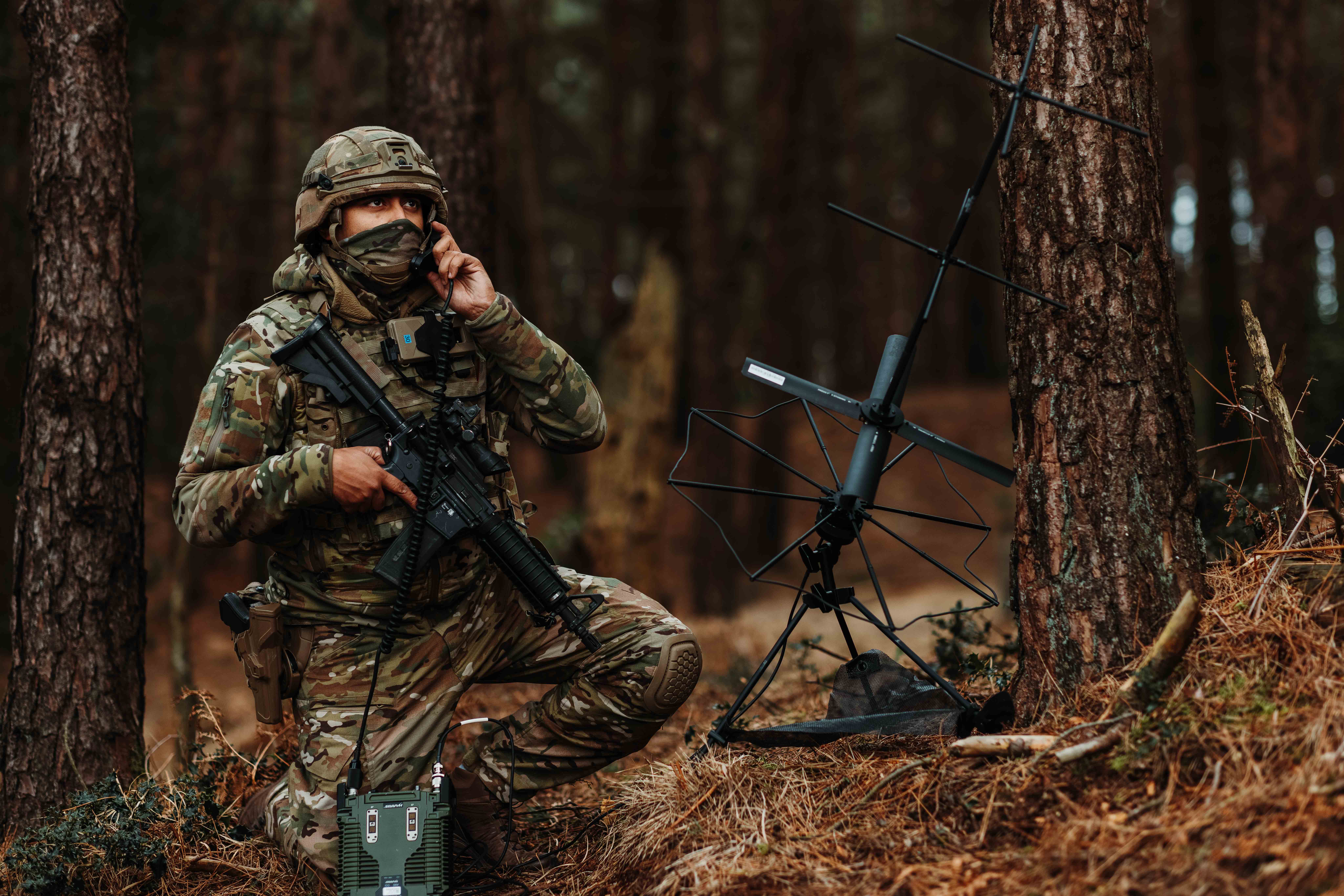
Among them is the Skynet 6 programme, which will provide the next generation of sovereign military satellite communications. Building on a heritage stretching back to the launch of the first Skynet satellite in 1969, the programme will ensure resilient communications for UK and allied forces well into the future.
Other initiatives include Project ISTARI, delivering space-based intelligence, surveillance and reconnaissance capabilities, as well as the Deep Space Advanced Radar Capability, designed to monitor objects in orbit as far away as the geostationary belt, approximately 36,000km above Earth.
Meanwhile, the development of the Noctis sensor network and Borealis mission system will strengthen the UK's ability to track, monitor and understand activity across the space domain.
Space Is a Team Sport
While sovereign capability remains important, another key message from the conference was that no nation can operate effectively in space alone.
"Space is very much a team sport," said Wing Commander Henley.
Working alongside allies through initiatives such as Operation Olympic Defender and the Combined Space Operations initiative allows nations to share information, improve collective understanding and coordinate responses to challenges in space.
Partnerships also extend beyond Defence. Collaboration with industry, academia and government departments is helping create a more integrated national approach under the banner of "One Space", ensuring investment is coordinated, capability development is aligned and resources are used effectively.
Why Space Matters to Everyone
Perhaps the most powerful takeaway from the conference was that space is not simply a military concern.
Most people interact with space-enabled services every day without realising it. Navigation systems, internet services, financial networks, weather forecasting, power distribution and transport infrastructure all depend, in some way, on space-based capabilities.
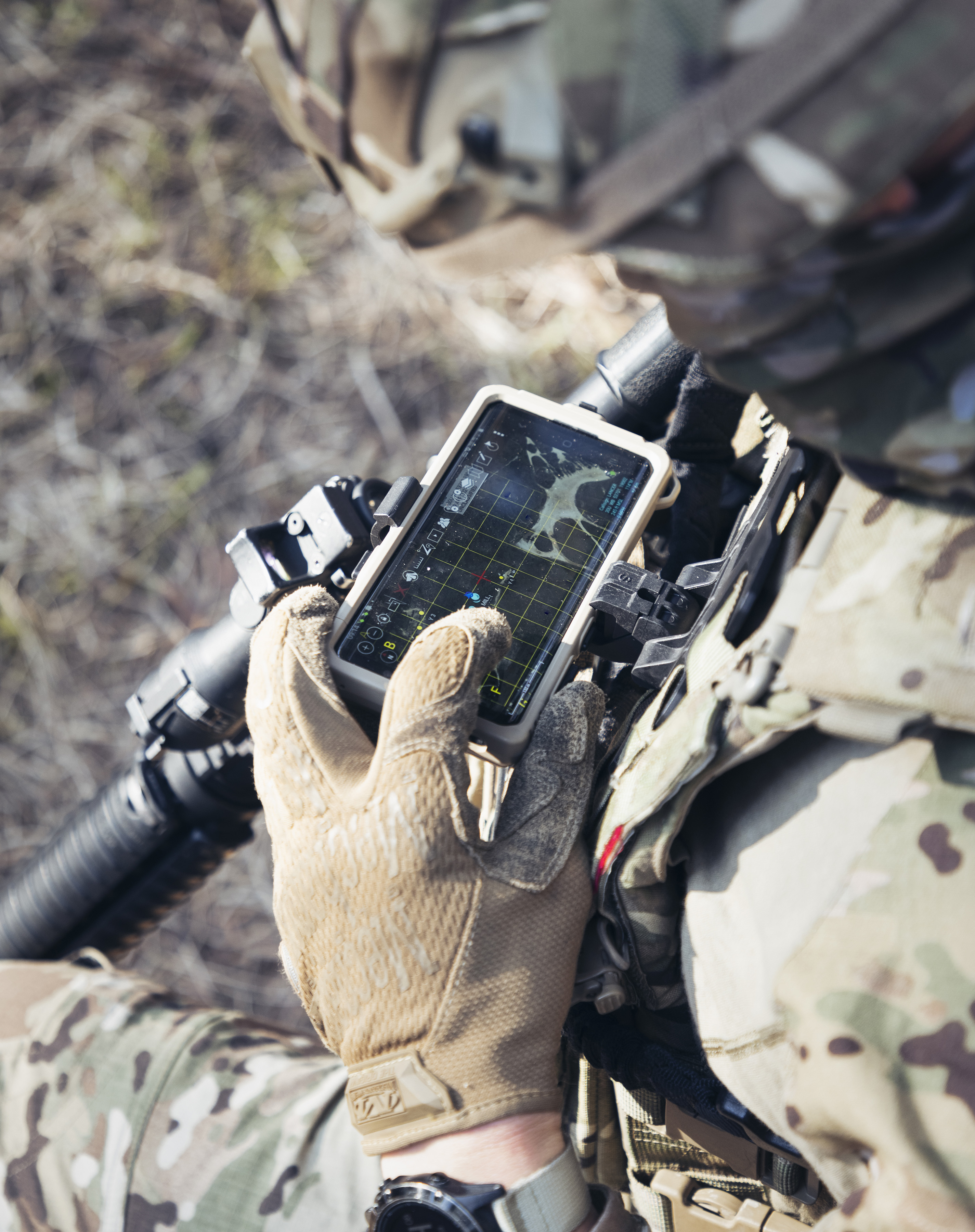
"Space is a hidden enabler of day-to-day activity," said Wing Commander Henley.
"It's much like electricity. You turn on the light switch and expect it to work. Space is the same. It's there in the background supporting modern life."
As the UK continues to develop its space capabilities, the challenge now is turning strategy into action. For RAF personnel and Defence more broadly, the message is clear: space is no longer a supporting function operating in the background. It is an operational domain in its own right, integral to the success of modern military operations and increasingly vital to the security and prosperity of the nation.
Or, as the conference reinforced, space is no longer science fiction. It is part of everyday life, and protecting it has become a strategic necessity.