

2025 commemorates the 85th anniversary of the Battle of Britain, a crucial moment in World War II when the Royal Air Force bravely defended the United Kingdom against vigorous enemy airstrikes.
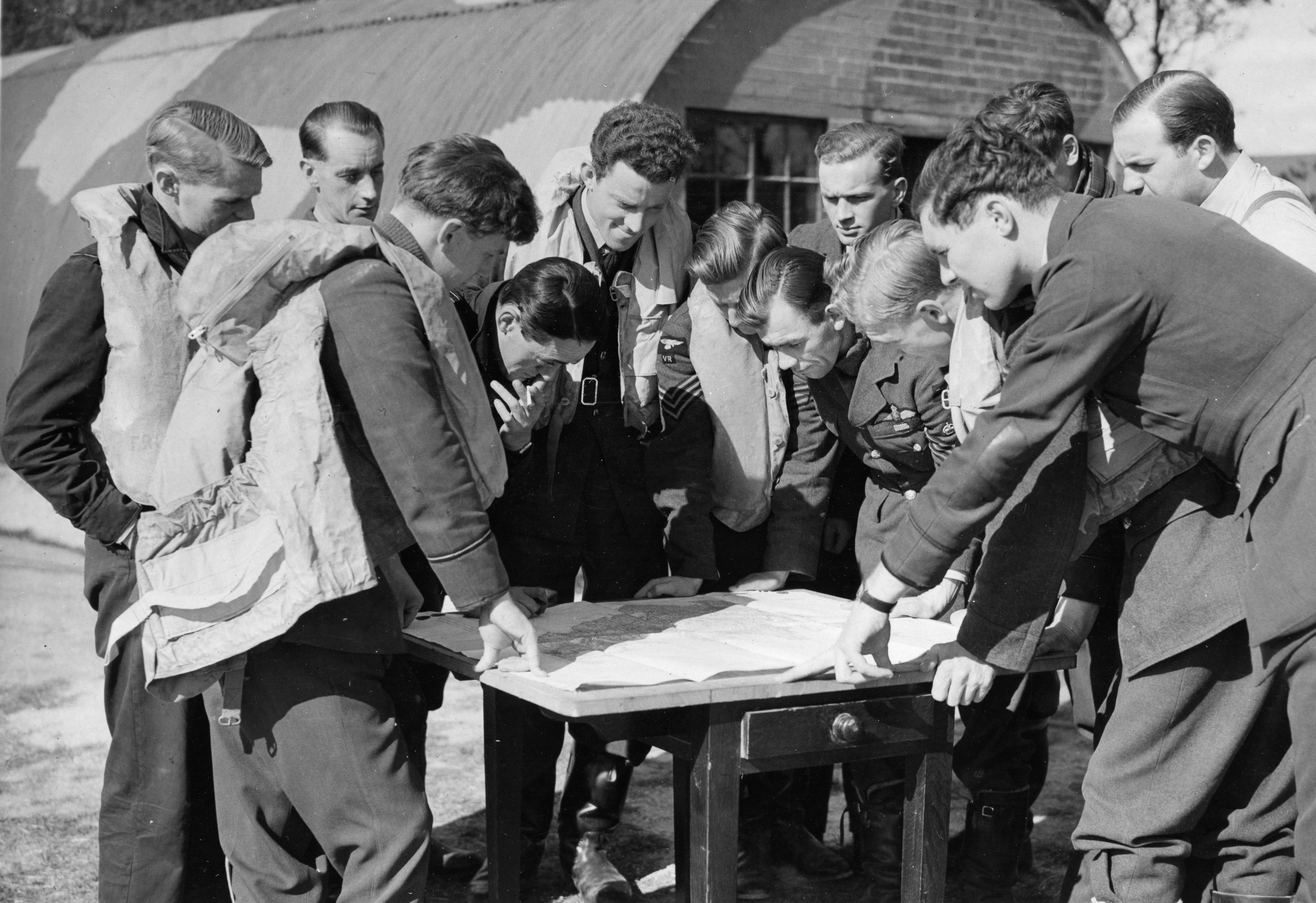
On 15th September 1940 the German Luftwaffe launched a massive assault in the skies over the south east with the aim of obliterating the Royal Air Force. It was a day of heavy fighting, and the Luftwaffe suffered significant casualties. It was a decisive defeat for the Luftwaffe, and since then this date has been celebrated as ‘Battle of Britain Day’. At its zenith, the RAF had only 749 fighter aircraft available compared to 2,550 available to the Luftwaffe. It really was a battle to save Britain. Defending our skies came at a significant cost, with 544 RAF aircrew killed during the Battle of Britain. 312 RAF personnel were killed on the ground. The indomitable bulldog spirit shone through as many thousands used their skill, judgement and tenacity to safeguard their homeland.
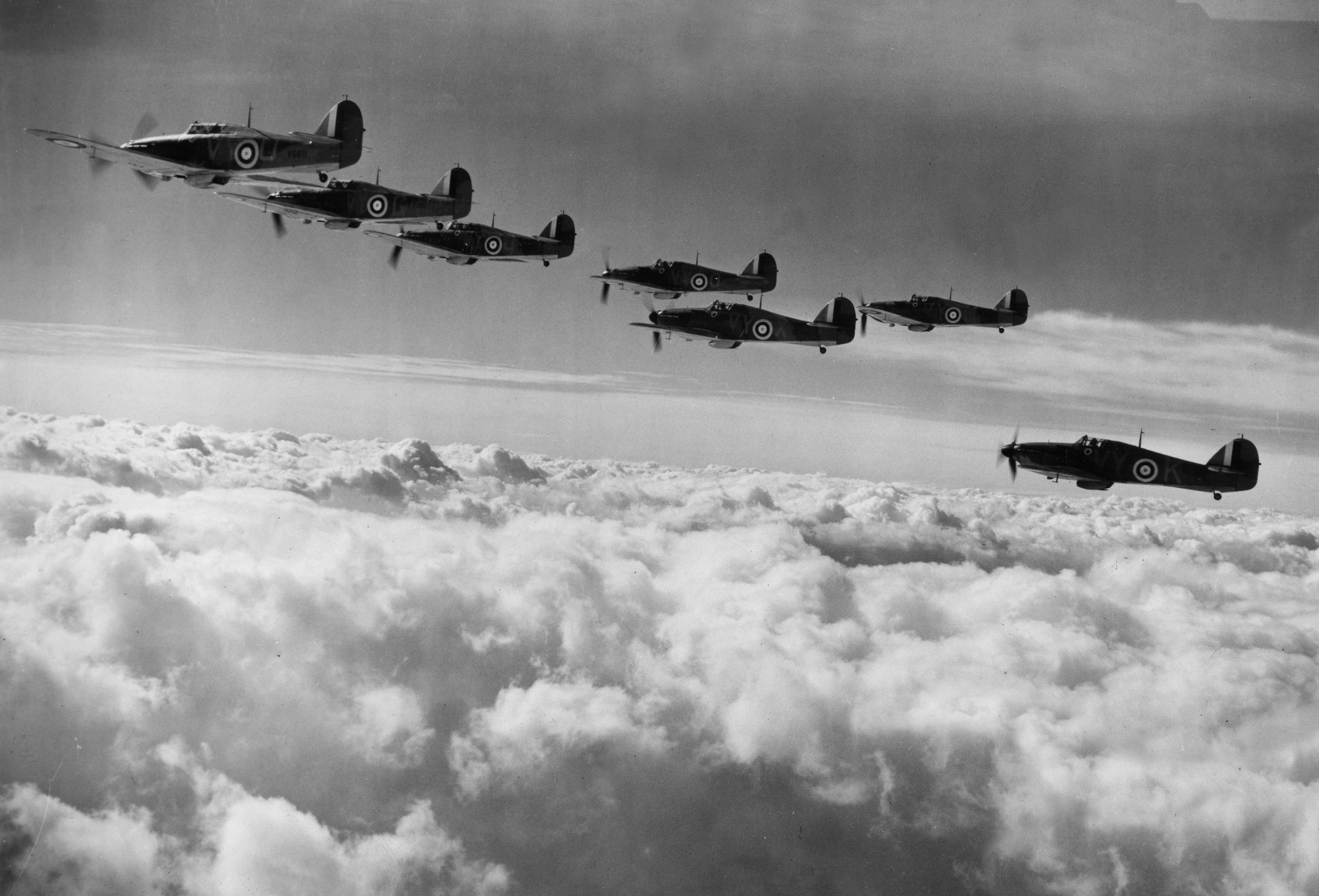
Using the UKs air defence network – the ‘Dowding System’ to detect hostile aircraft, and support from across the UK and overseas, the RAF defended the UK from Nazi Germany’s air force. It was the first major battle fought entirely in the air, and Nazi Germany’s first major military defeat.
This victory was made possible by the hard work and determination of 'The Many', to the courage and sacrifice of 'The Few' - the 2,945 RAF aircrew who faced the relentless Luftwaffe from July to October 1940.
Did you know…..? Flight Lieutenant (later Wing Commander) James Brindley Nicolson was the sole Battle of Britain pilot and the only pilot of RAF Fighter Command to be awarded the Victoria Cross during the Second World War?
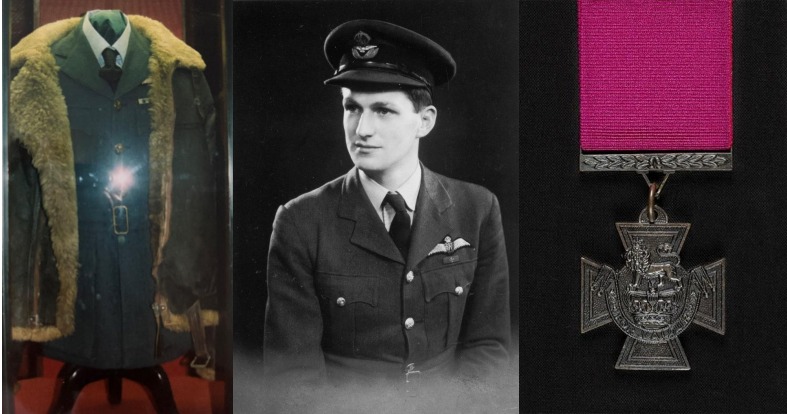
Whilst engaged with the enemy in the air near Southampton in August 1940 Nicolson’s Hurricane was hit four times. Two shells wounded him. Despite one of his gravity tanks being set alight by another shell resulting in serious bodily burns, he successfully shot down an enemy fighter. His enormous courage and gallantry is the hallmark of many of his contemporaries.
Never in the field of human conflict was so much owed by so many to so few.
Sir Winston Churchill 20 Aug 1940
Now in the 21st Century, the RAF has built on 85 years of innovation to remain at the forefront of the United Kingdom’s defence. Today, Quick Reaction Alert (QRA) operations at RAF Coningsby in Lincolnshire and RAF Lossiemouth in Scotland ensure the nation’s airspace is monitored and defended 24/7. Modern Typhoon aircraft, equipped with advanced radar, sensors, and precision weapons systems, can intercept potential threats in minutes – a stark contrast to the Hurricane and Spitfire fighters of 1940, which relied on visual spotting, radio communication, and less sophisticated navigation.
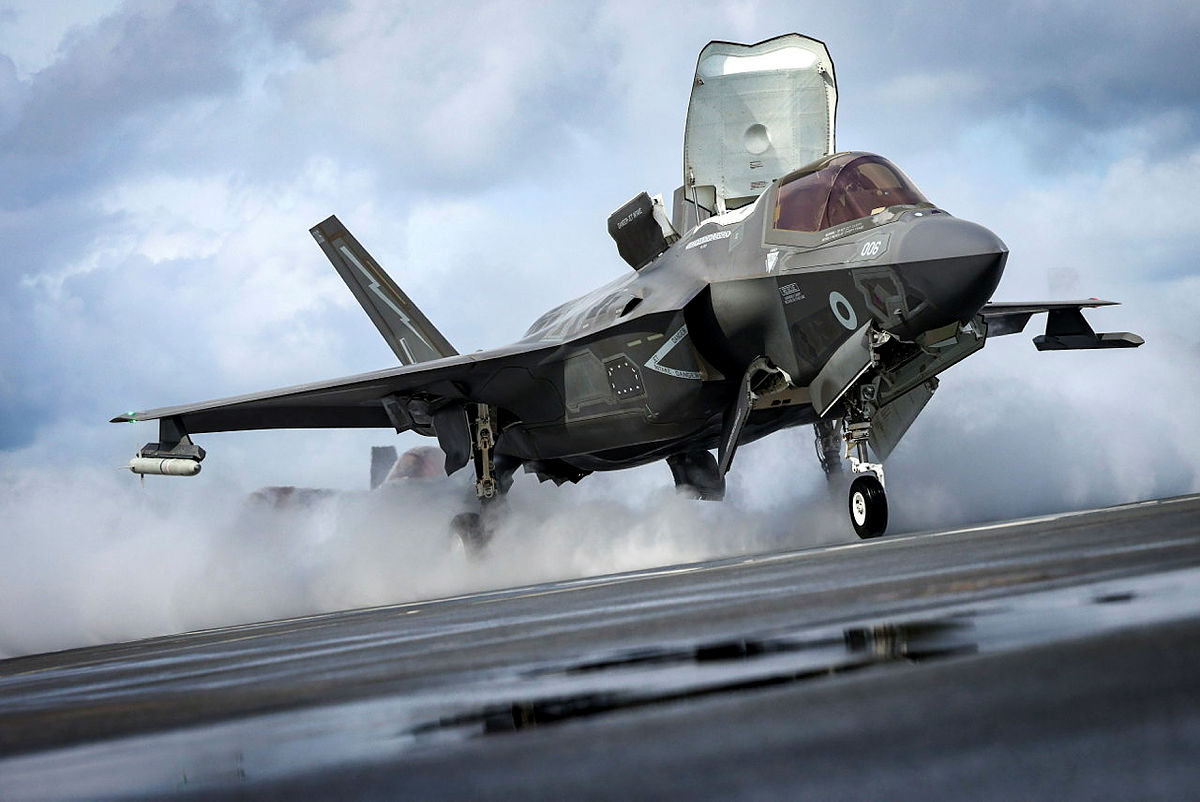
The evolution from then to now highlights the dramatic leap in technology and capability. Pilots now benefit from integrated surveillance networks, secure digital communications, and highly automated control systems that enhance situational awareness and response times. While Typhoons spearhead QRA operations, the RAF also operates the cutting-edge Lightning II (F-35B), which, although not used in QRA, exemplifies today’s advanced stealth, sensor fusion, and multirole capability. This combination of enduring skill, rigorous training, and state-of-the-art technology ensures the RAF remains ready to defend the United Kingdom against both conventional and emerging threats.
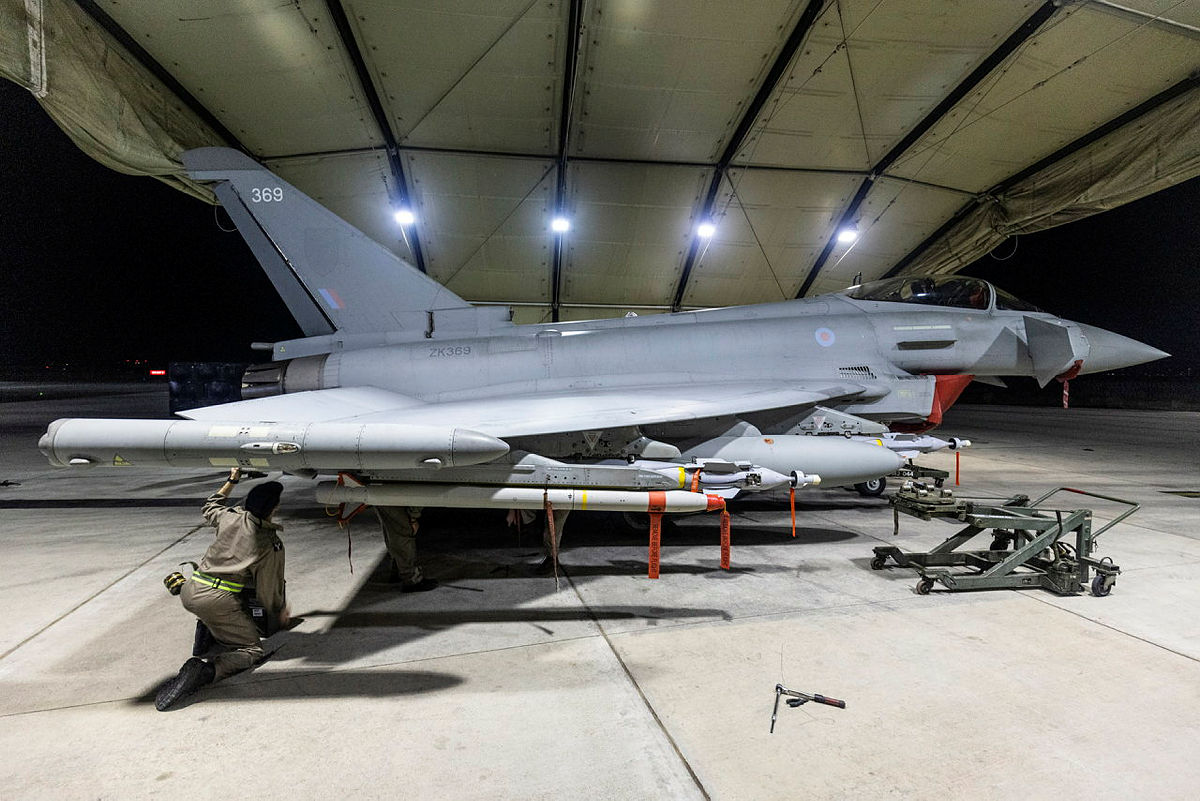
As we salute the many thousands who participated in the Battle of Britain, we also celebrate those who continue the RAF’s commitment to safeguarding the United Kingdom's airspace, defending its sovereignty, and ensuring a secure future for all its citizens.
If you were unable to see our InsideAIR podcast from April 25 - 'The Next Battle of Britain,' the whole version can be viewed at: InsideAIR 'The Next Battle of Britain.'
The hope is there won’t be another Battle of Britain. However, should the unthinkable happen, what has changed since the last battle, how might an Integrated Air and Missile Defence system help, and how could changing the way we think prepare us for such a conflict. InsideAIR speaks with Dr Sophy Antrobus, Research Fellow and Co-Director of the Freeman Air and Space Institute, to hear an academic’s point of view.