Most people picture the RAF as fast jets and fighter pilots. Some of the most vital work the RAF does protecting the UK happens far from the headlines, over the ocean, in an aircraft most people have never heard of.
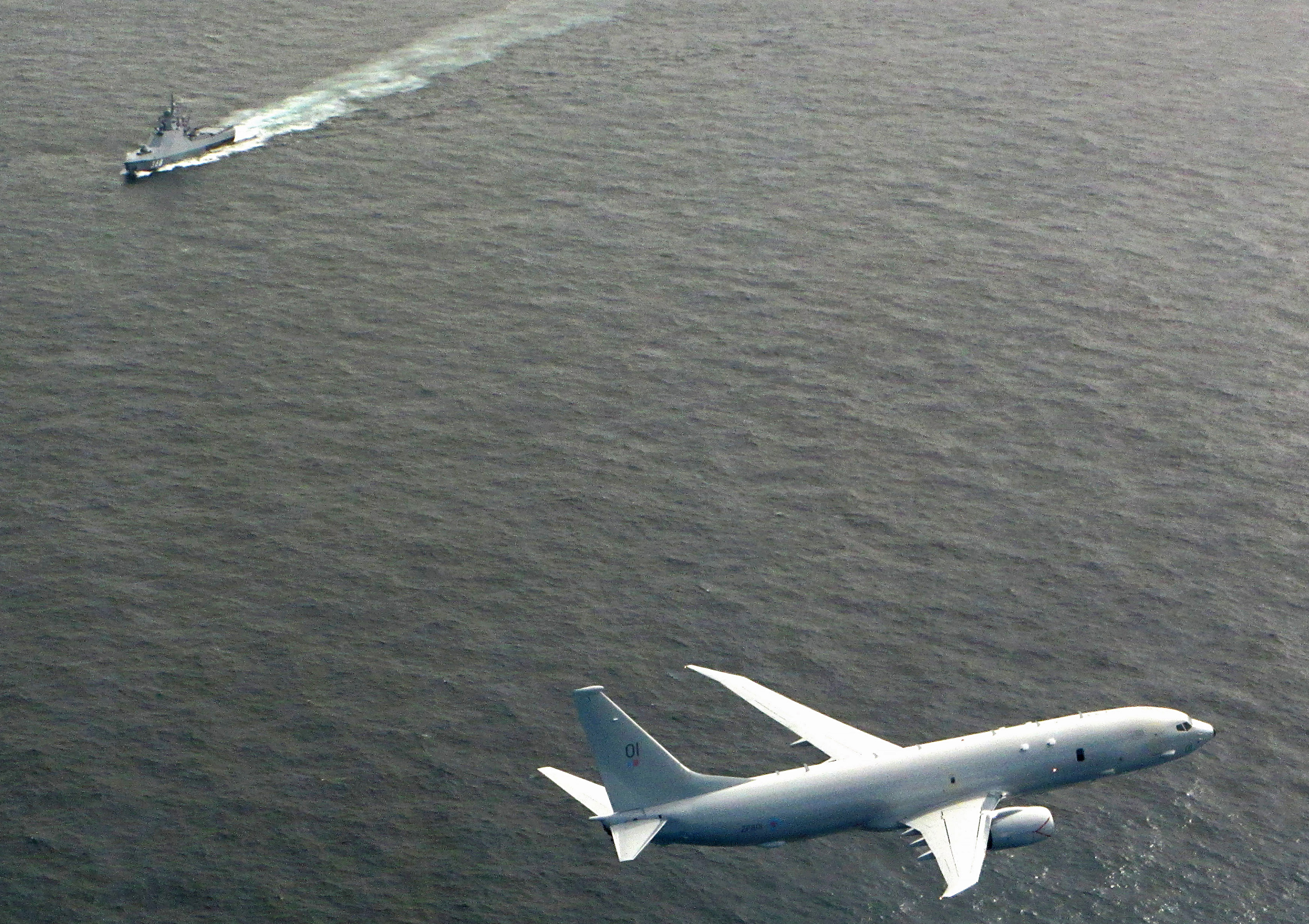
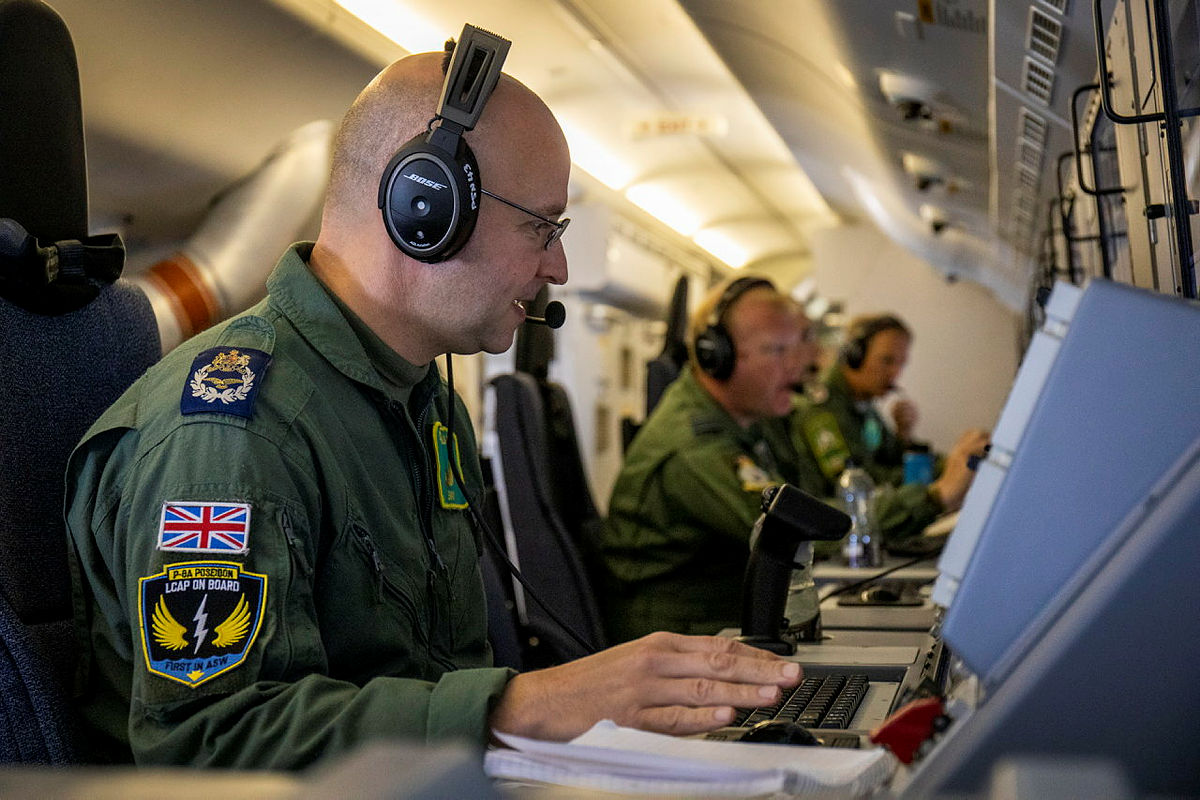
Flight Lieutenant Jonathan of 120 Squadron is a Mission Commander on the P-8A Poseidon. "I'm responsible for the tactical operation of the aircraft," he explains, "making sure we're positioned so the sensors can operate at maximum capability."
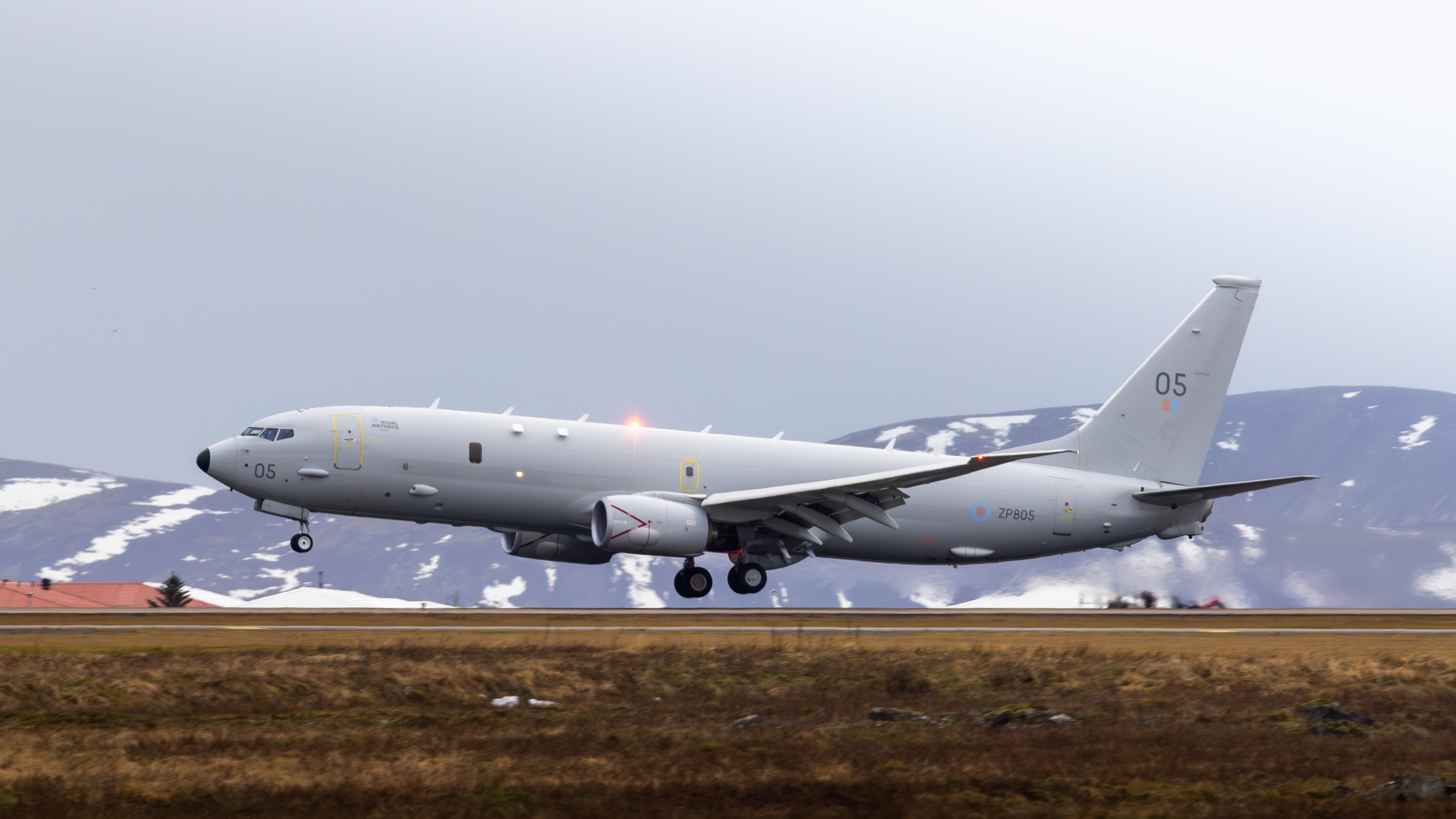
Poseidon carries a suite of acoustic, electronic and visual systems capable of detecting threats both above and below the water's surface. At the heart of this capability are sonobuoys, devices dropped from the aircraft into the sea that work much like a dolphin's echolocation. Sonobuoys either listen for the acoustic “fingerprint” of a contact or emit a sound pulse which bounces off a submarine before transmitting this signal back to the aircraft, allowing the crew to pinpoint the contact’s exact location.
The technology is so precise that, as Flight Lieutenant Johnathan puts it, the specialists "can identify a ship or submarine just by its signal," thanks to every vessel having its own unique acoustic signature.
The silent threat beneath the surface
In recent years, Russian submarine activity in UK and North Atlantic waters has increased significantly. This has raised concerns about the safety of critical undersea infrastructure, including the cables and pipelines that carry energy and data to millions of homes.
Poseidon is central to the RAF's response. Flight Lieutenant Jonathan says his favourite missions involve anti-submarine warfare, "tracking Russian submarines in the UK and the High North." It's specialist work, but the stakes are high: protecting the infrastructure that keeps the UK’s energy supply secure and its economy running.
Poseidon also plays a wider role in keeping the UK safe. Flight Lieutenant Jonathan was part of the team that supported Operation Highmast, helping to escort the Royal Navy's Carrier Strike Group, by providing overhead cover alongside the US forces.
Lost at sea — and found
National security isn't the only thing the Poseidon protects. The aircraft also supports HM Coastguard on search and rescue missions, and its capabilities have already made a real difference to people in crisis.
Most notably, the Poseidon played a key role in locating and rescuing a person who had drifted off the west coast of Ireland. The Poseidon's ability to find one person in an enormous stretch of open sea meant everything.
It's a reminder that behind the technology and the military terminology, there are real people whose lives depend on the skill of crews like Flight Lieutenant Jonathan’s.
The unseen guardians
The RAF's ISTAR (Intelligence, Surveillance, Target Acquisition and Reconnaissance) group, the unit the Poseidon belongs to, operates out of public sight. There are no Hollywood films, just highly trained specialists doing complex, demanding work every day to keep the country safe.
Flight Lieutenant Jonathan relies on those specialists. "I rely on their deep knowledge and expertise," he says, so he can focus on "achieving the key mission objectives."
The best outcome of any mission is the public never hears about it, because nothing happened. The threat was spotted and escorted out of UK waters, allowing the people of the UK to go about their day. For Flight Lieutenant Jonathan and his colleagues, that anonymity isn't a frustration. It's the point. Right now, somewhere over the North Atlantic, a P-8A Poseidon is airborne. Its crew are watching, listening, tracking and doing a job most people will never know about.