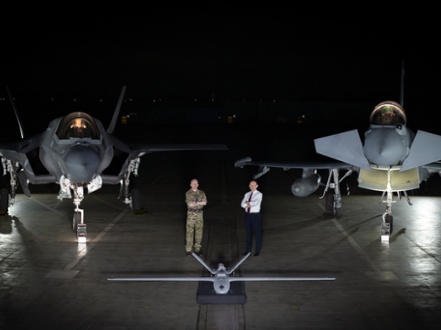
As part of a focus on future flying training, the Ministry of Defence (MOD) are investing in the modernisation of training for Royal Air Force and Royal Navy (RN) rear crew personnel through the award of a new £300m contract to Ascent Flight Training.
The Future Intelligence, Surveillance, Target Acquisition and Reconnaissance (ISTAR) and Rear Crew Training System (FIRCTS) programme has been designed to meet the growing ISTAR and Uncrewed Aerial Systems (UAS), demands of the military front line and provide the final pillar for the UK’s Military Flying Training System (UKMFTS). The scaling of this service support will result in a four-fold increase in critically important Mission Aircrew trainees to 140 per year for the RAF and RN.
FIRCTS will deliver advances in the flying training delivered at Royal Naval Air Station Culdrose in Cornwall and RAF Cranwell in Lincolnshire. It will rely on state-of-the-art synthetic and simulated environments, allowing for realistic training in a safe and cost-effective manner; with investment in UKMFTS infrastructure.
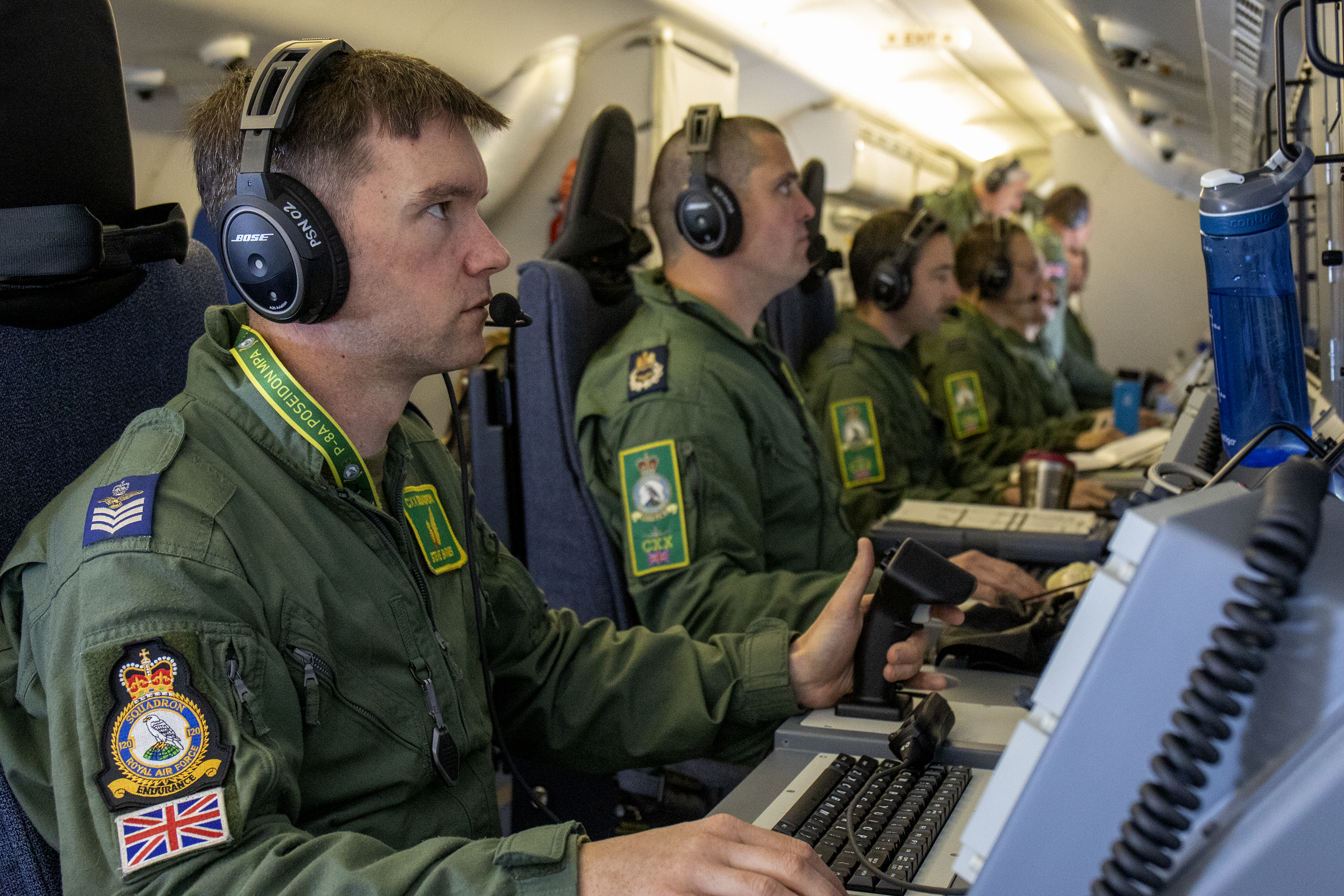
RAF and RN students will benefit from highly realistic and technologically advanced training to ensure that they are prepared to meet the growing demands of modern ISTAR operations. This will help to reinforce the UK’s key ISTAR and RPAS capabilities while also investing in local communities.
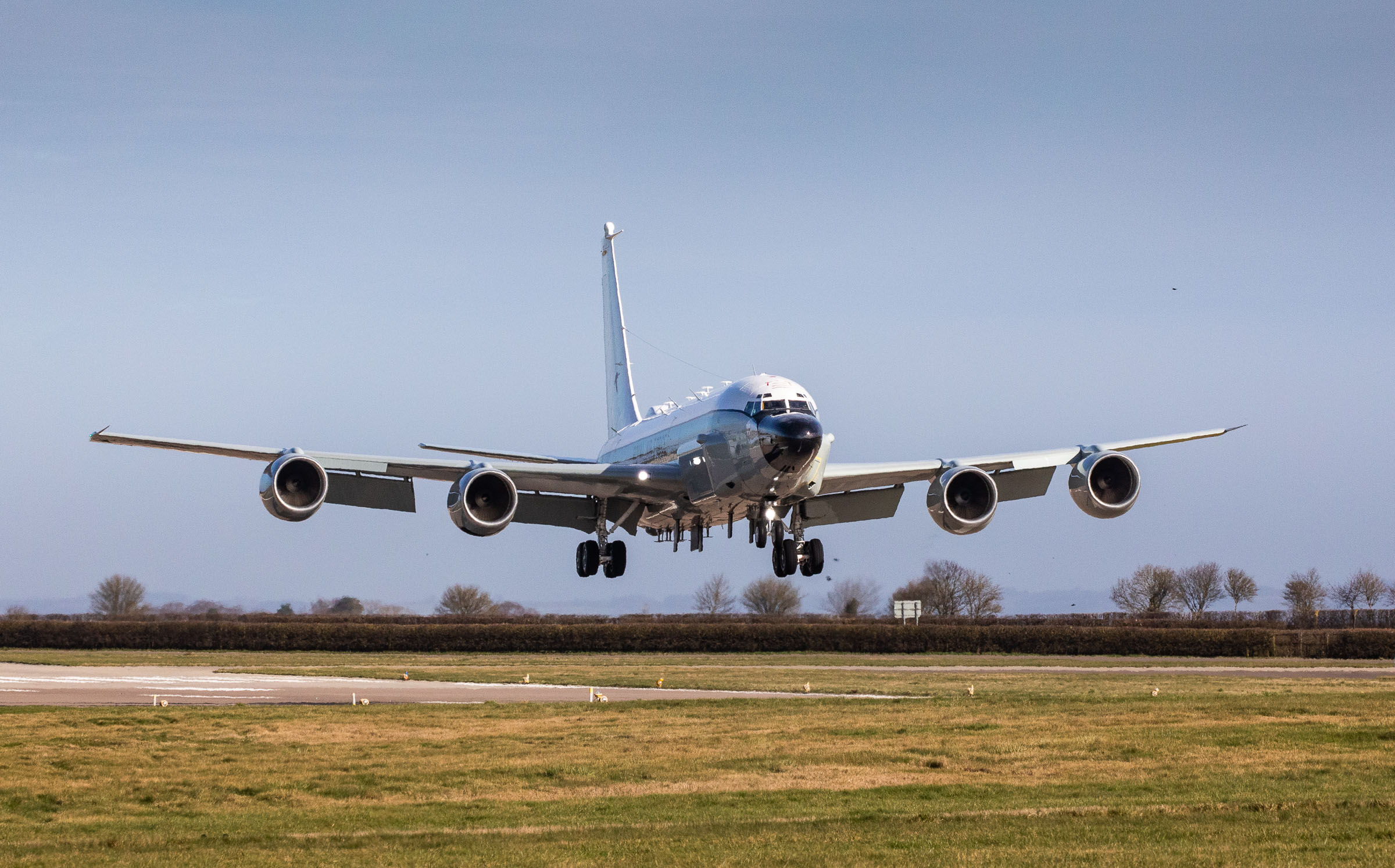
FIRCTS will prepare personnel to operate a large variety of RAF and RN aircraft such as P-8 Poseidon, Rivet Joint, Merlin Mk2 and Wildcat helicopters, and Remotely Piloted Air Systems (RPAS), such as the Protector RG Mk1, to protect the UK and deploy on worldwide operations.
“The Future ISTAR and Rear Crew Training System is a capability which will ensure the United Kingdom is at the forefront of providing world-class Air Power operational capability."
Air Vice Marshal Ian Townsend
Air Officer Commanding 22 Group
Air Vice Marshal Ian Townsend, said: "Today’s air systems require aircrew who can exploit the electro-magnetic spectrum and assist in decision-making as we seek to outpace our adversaries in complex battlespace. FIRCTS reflects another training transformation within the UK Military Flying Training System and has been enabled by superb collaboration between the Front-Line Commands, DE&S and Industry.”
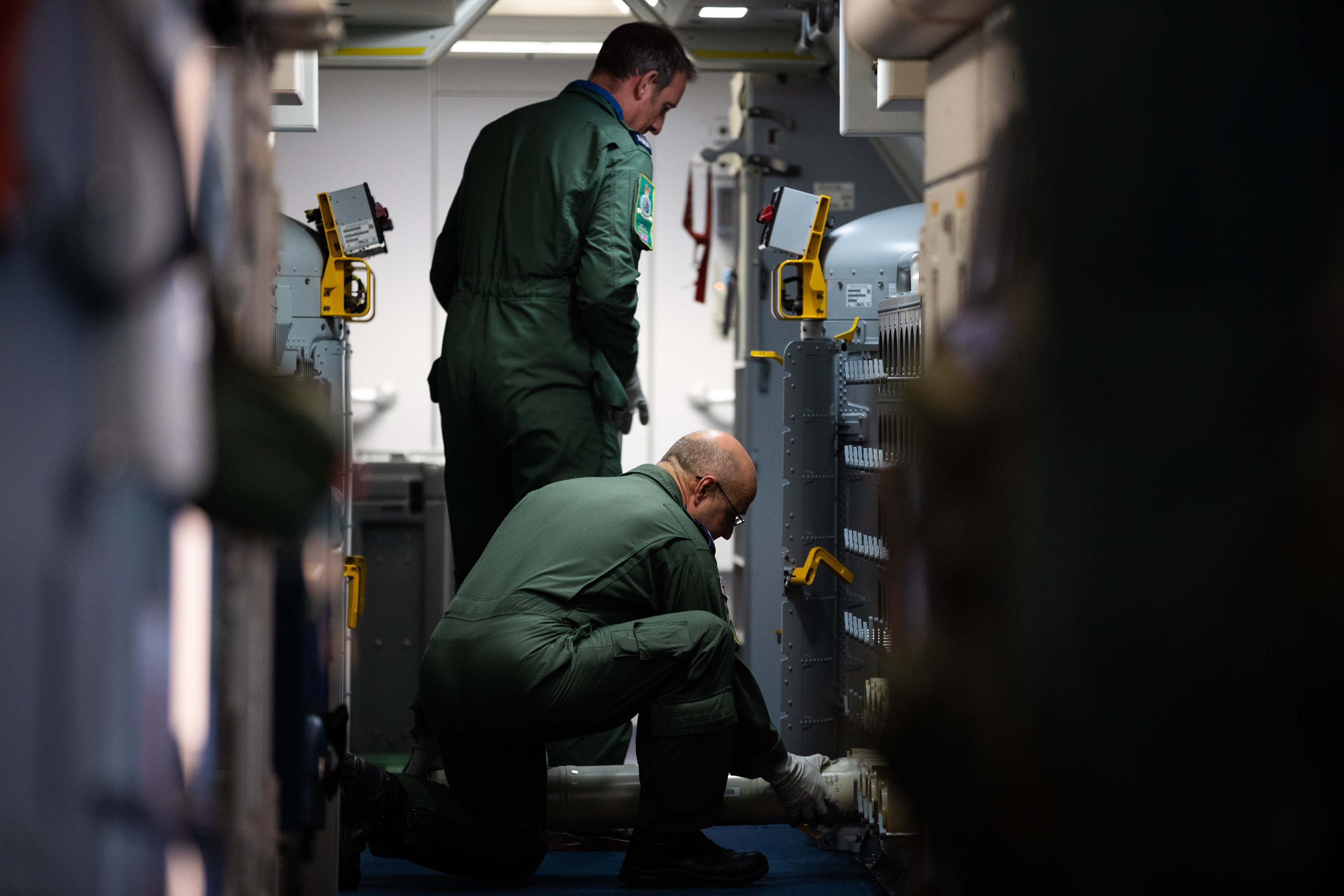
The RAF Directorate of Flying Training has worked closely with the other stakeholders from the UKMFTS Enterprise to help set the FIRCTS programme requirements. Defence Equipment & Support have been successful in bringing the MOD's requirement for next generation training for mission aircrew to life, combining different contracts and providing enhanced capacity and capabilities.
“The introduction of the Future ISTAR and Rear Crew Training System will ensure that we can safely deliver world-class personnel to the front-line to operate in vital roles on our latest aircraft platforms including Poseidon, Rivet Joint and Wedgetail. The investment in the latest training technology and infrastructure at Royal Naval Air Station Culdrose and RAF Cranwell will help us to prepare aircrew to be ready to Fly and Fight in an uncertain world.”
Air Commodore Rob Caine
Head of Flying Training
Around 85% of FIRCTS training will be delivered in the classroom or synthetically, using a new state-of-the-art Mission Simulator. This enables a more cost-effective, digitised training system that keeps pace with the rapidly evolving landscape of modern warfare and enables our teams to sustainably reduce both flying hours and our carbon footprint.
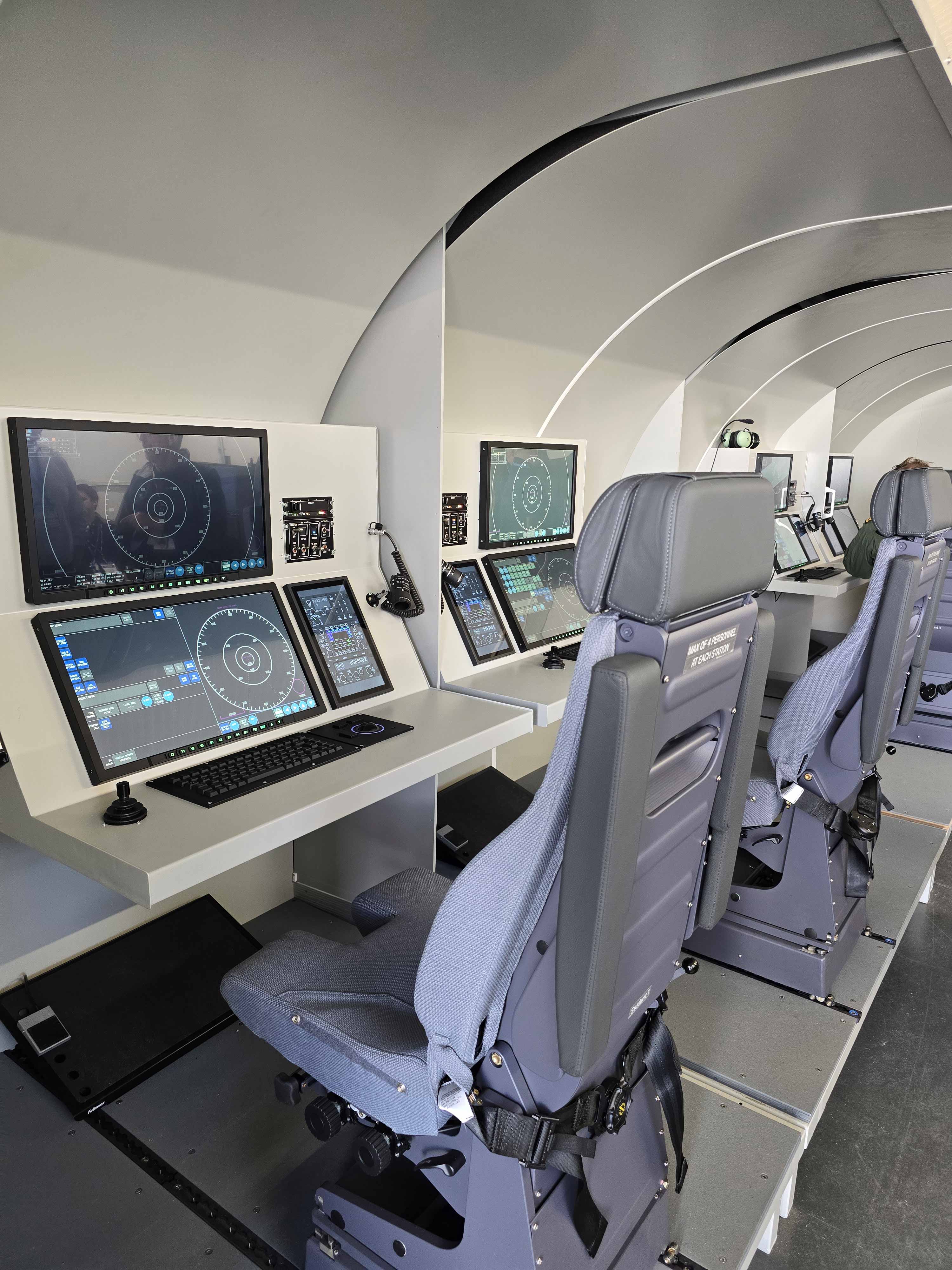
All airborne training will use the upgraded fleet of four King Air Avengers. Modifications to the aircraft will accommodate the rise in training numbers and the onboard mission computer will use the same software as the ground-based Mission Simulator, enabling a seamless transition for students.
The first trainees will be able to use the new training system in 2027.