




In the second part of our commemorative stories leading up to VJ Day, we are grateful to Cara, from RAF St Mawgan for her great uncle’s story. Royal Naval Petty Officer and builder’s son, Tom Humphrey may have quietly worked as a storeman at St Mawgan until his retirement, but his experiences in the Far East during World War II are nothing short of gripping.
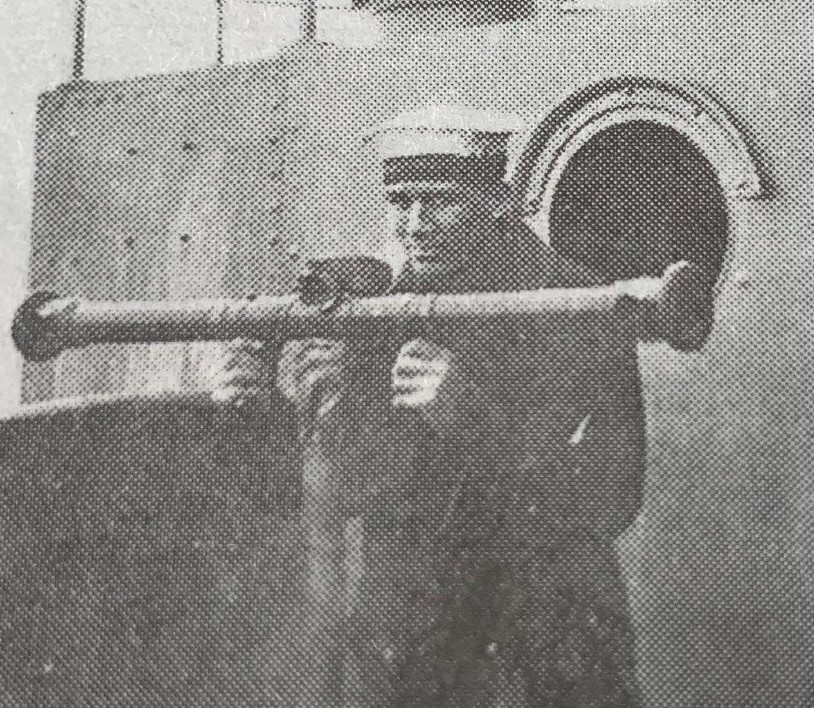
Image courtesy of Alicia Conium
In March 1942 Humphrey was aboard HMS Exeter when it was torpedoed by a Japanese warship in the Java Sea. It sank with the loss of fifty-five lives. Tom was one of six hundred who were found floating in the water and captured. His daughter Alicia recalls her father’s four-and-a-half-hour survival in the freezing water rested on clinging to ship debris and balsa rafts. Though weak, Thomas saved the life of his friend, George Darley who had sustained life threatening burns in the sinking, by holding him afloat.
Alicia recalls her father’s response on being captured:
Shocked, but his survival instinct prevailed, his only goal was to survive against all odds and return home to his family….. After his capture he found an old notebook, which he took; this became his war diary, a detailed account of his war experience.
Tom was imprisoned, along with 1400 others at the Fukuoka No 2 Camp, five miles from Nagasaki Bay. Conditions for prisoners, which included RAF pilots, was brutal: basic food (weeds and grasses from around the camp were used as vegetables to flavour the rice), it was cold, wet, with little to no clothing and a daily ritual of severe beatings from their captors. Prisoners were often forced to watch beheadings. Many died from disease (including pneumonia & pulmonary tuberculosis), malnutrition, mistreatment and accidents whilst working in the mines and the shipyards. Humphrey himself contracted beri-beri (a vitamin B1 deficiency) and suffered stomach issues caused by his ill-treatment for the remainder of his life.
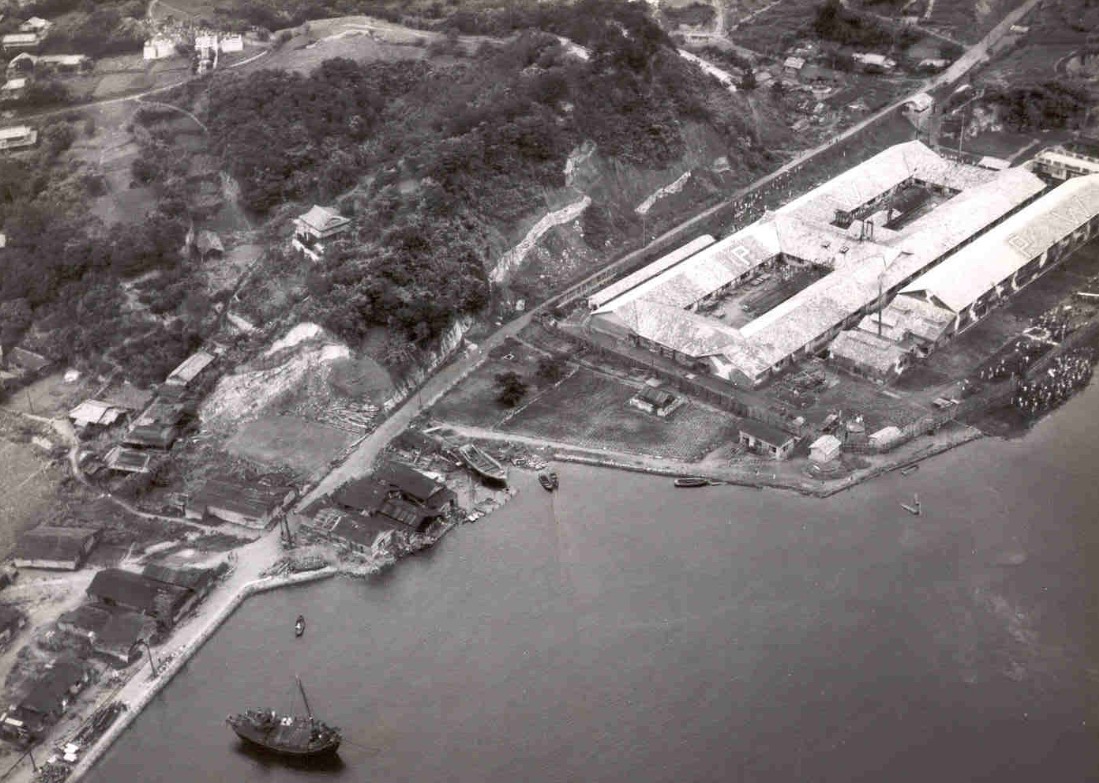
Image courtesy of Roger Mansell, Palo Alto, CA
Following his imprisonment he must have had moments of despair, life seemed bleak and uncertain. Prisoners were forced to watch beheadings and horrific atrocities. His diary entries reflect his strength, hope and desire to return home. I believe the thought of being reunited with his family are what gave him the strength to carry on, reflected Cara, his great niece.
Alicia, Tom's daughter.
Many of the servicemen caught up in conflict in the Far East rarely talked about their experiences. Tom preferred instead to capture his feelings in his diary (which he had to hide from the guards) or only talk to those who had experienced the same horrors in the camps.
One significant event that he lived through was the atomic bombing of Nagasaki. Daughter Alicia recalls:
“On August 9th 1945, he watched in horror as an atomic bomb was dropped at Nagasaki Bay. Describing an ear shattering roar that shattered windows and buildings….A detailed account is in his diaries, which are on display in the Imperial War Museum.”
Despite his inhumane treatment there was a glimmer of kindness shown to Tom. A guard called Yakamoto gave Tom a service medal for fighting the Chinese, which he later turned into a necklace for his wife, Kath. Fifty years later in 1995 Kath was able to return it to Mr Yakamoto’s family. This was achieved by author Guy Stanley who worked with Tom in the publication of 'Nagasaki Six.' His diaries show that it seemed Tom did try and keep up morale amongst the prisoners.
An extract from an interview when his wife Kath was asked about the special qualities that helped him survive read, “Willpower, when they ate their rice he used to say, oh we’ve got steak, egg and chips today and junket and cream for afters.
Alicia, Tom's daughter
For eighteen months Tom’s family had no idea whether he was alive or dead. Only sporadic postcards later gave any clue to his whereabouts or condition.
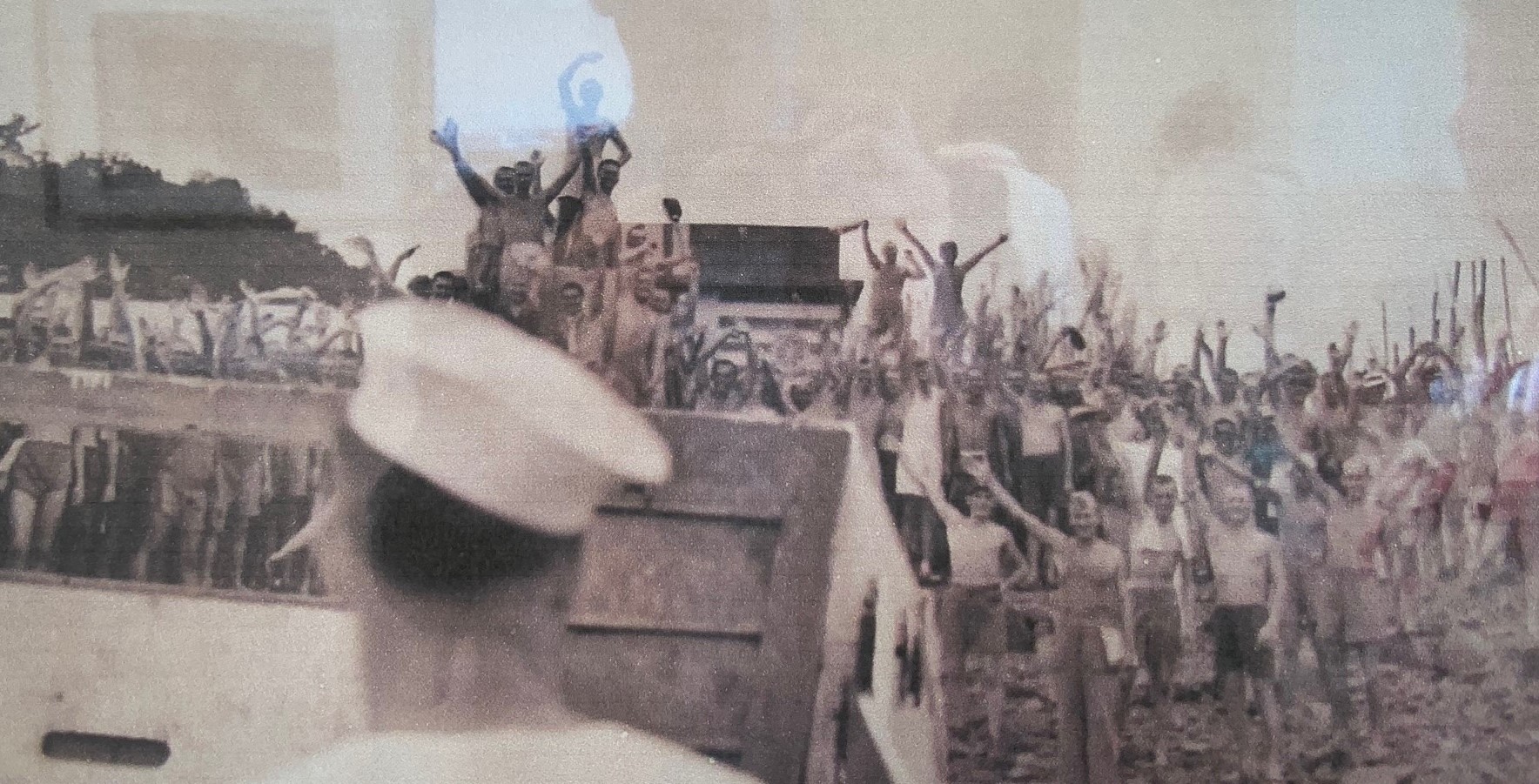
Image courtesy of Alicia Conium
On returning to the UK and his beloved Cornwall at the end of the war, Tom became a member of the Far Eastern Prisoner of War Association and the Royal British Legion
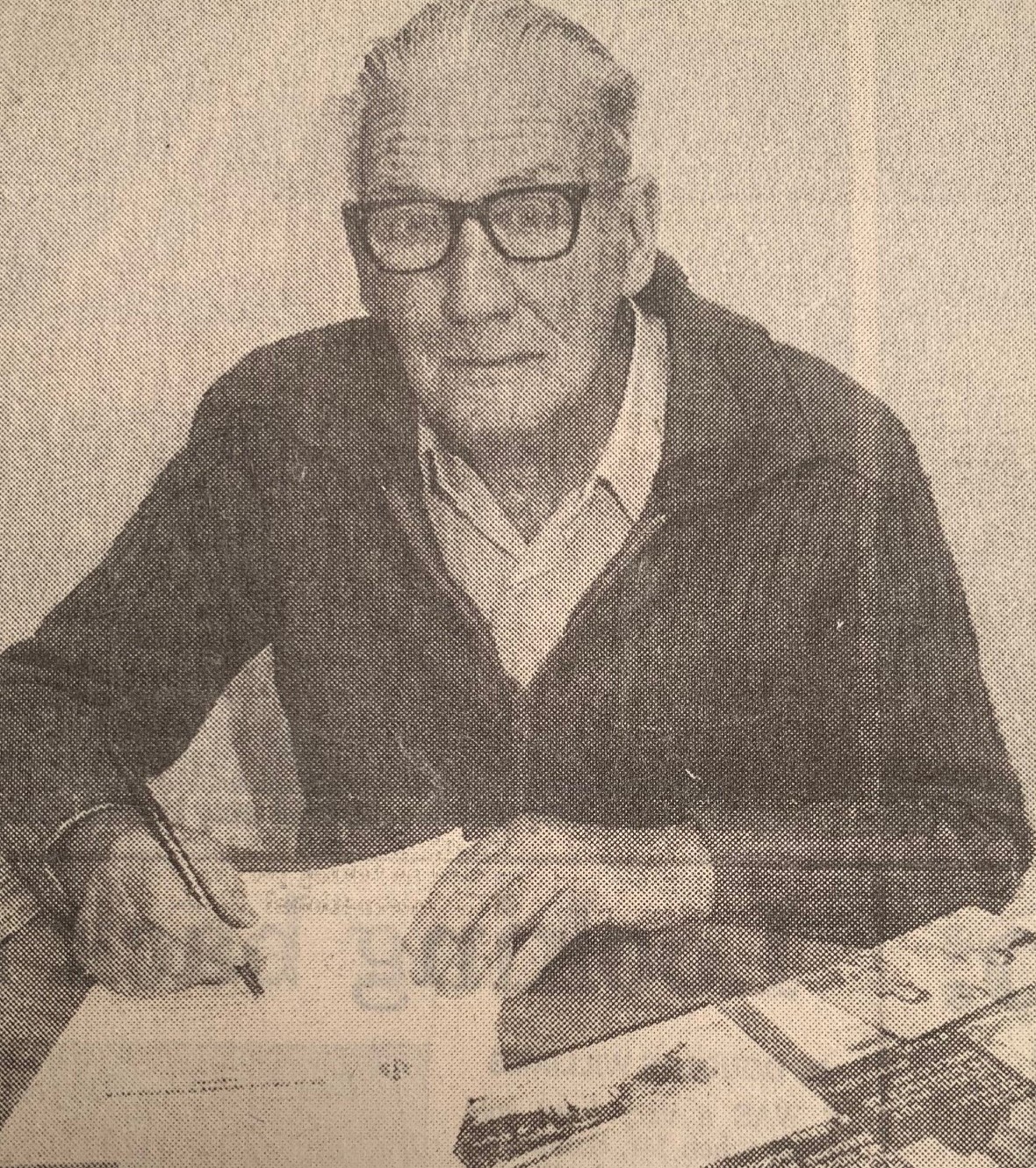
Image courtesy of Alicia Conium
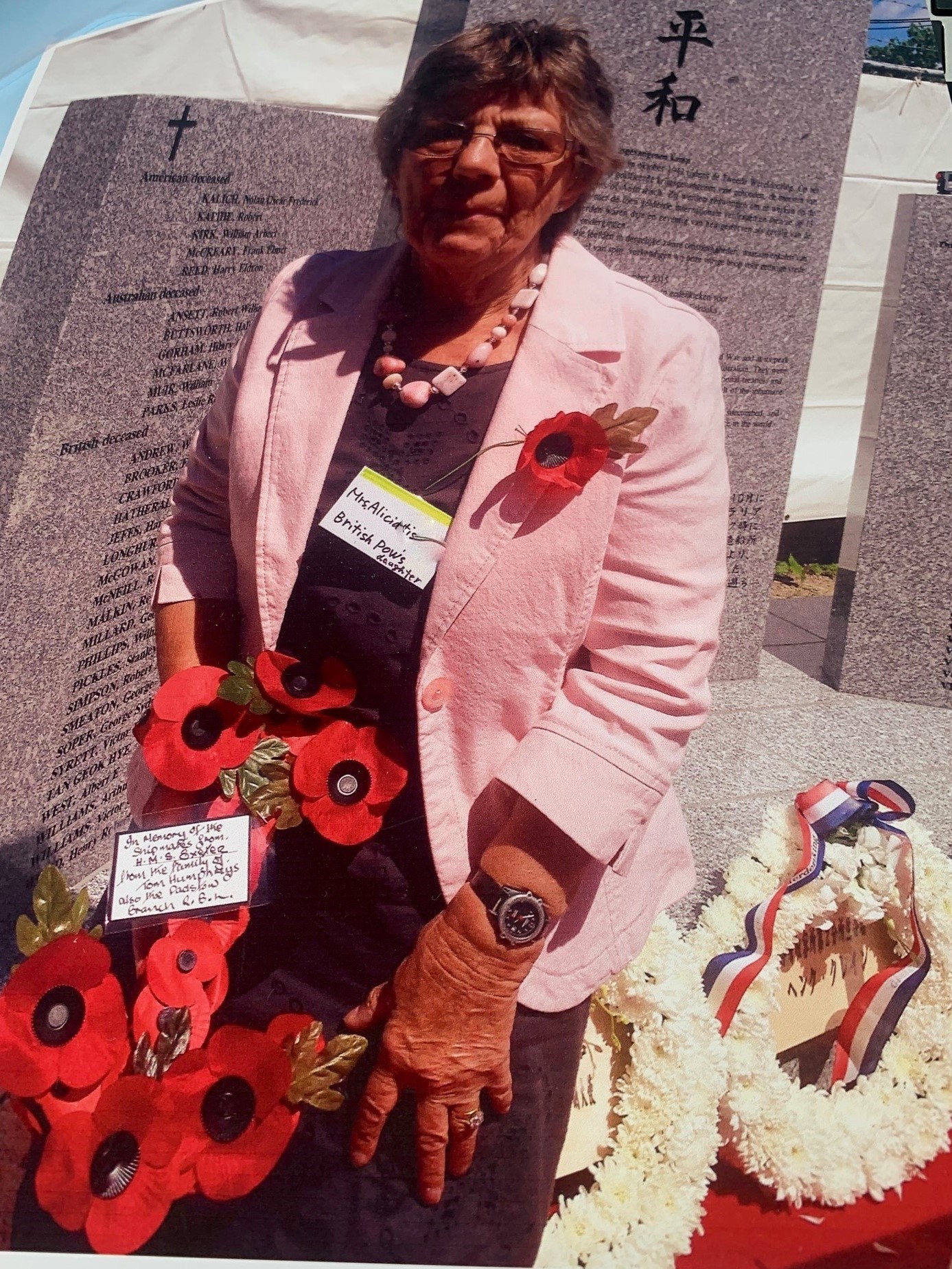
Tom died aged 91 in 1998, rarely having missed a reunion with his comrades. Seventy years after liberation a memorial commemorating the seventy-two who died at the Fukuoka No 2 camp (now a High School) was unveiled in 2015. In attendance was Tom’s daughter, Alicia. Through SSAFA Alicia and her family were able to attend this symbolic event, give thanks to the people of Nagasaki and remember the sacrifices that were made for our freedoms today.
A video from 1945 capturing the moment servicemen were liberated from the Kukuoka Camp 2 in Koyagi-Shima (Nagasaki) can be viewed here.
In our second story, serving officer Flt Lt Corrigan remembers his grandfather, Pte Joe Corrigan.
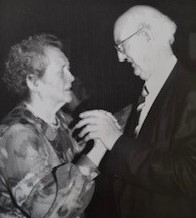
Image courtesy of Flt Lt Corrigan
"Joe was a proud and dedicated serviceman whose life was marked by commitment to his country, his family, and his community," said Flt Lt Corrigan. He initially enlisting as a Private solider. Prior to conscription, in the Grenadier Guards, Joe later transferred to the Royal Electrical and Mechanical Engineers (REME), where he honed technical skills that would serve him well in both military and civilian life.
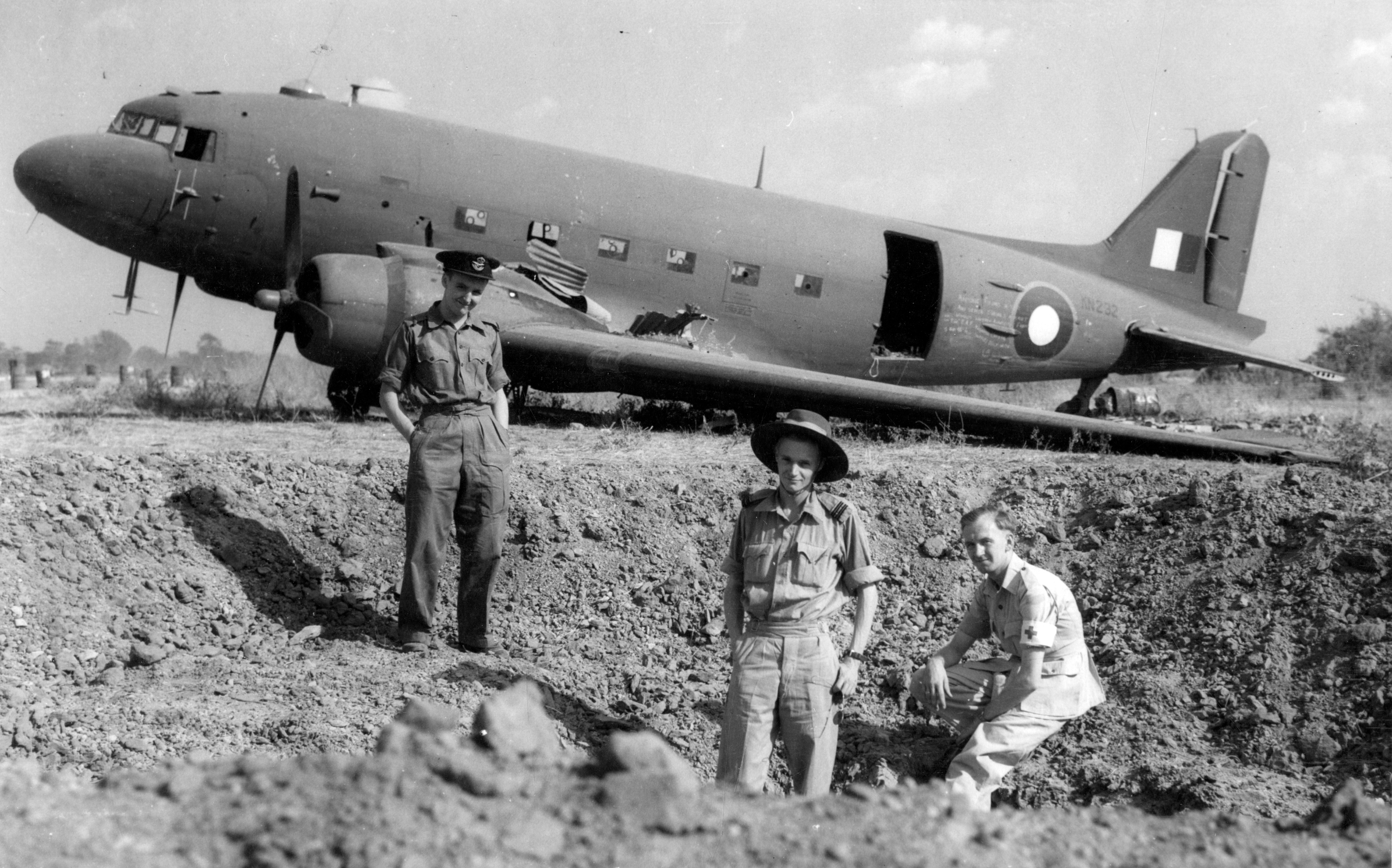
by the Japanese before takeoff at Meiktila, Burma, on 23 March 1945. Image courtesy of Air Historical Branch.
During the Second World War, Joe was awarded the 1939–45 Star and the Burma Star, the latter recognising his service in the Burma Campaign. Instituted in May 1945, the Burma Star was awarded to British and Commonwealth forces who served in Burma between 11 December 1941 and 2 September 1945.
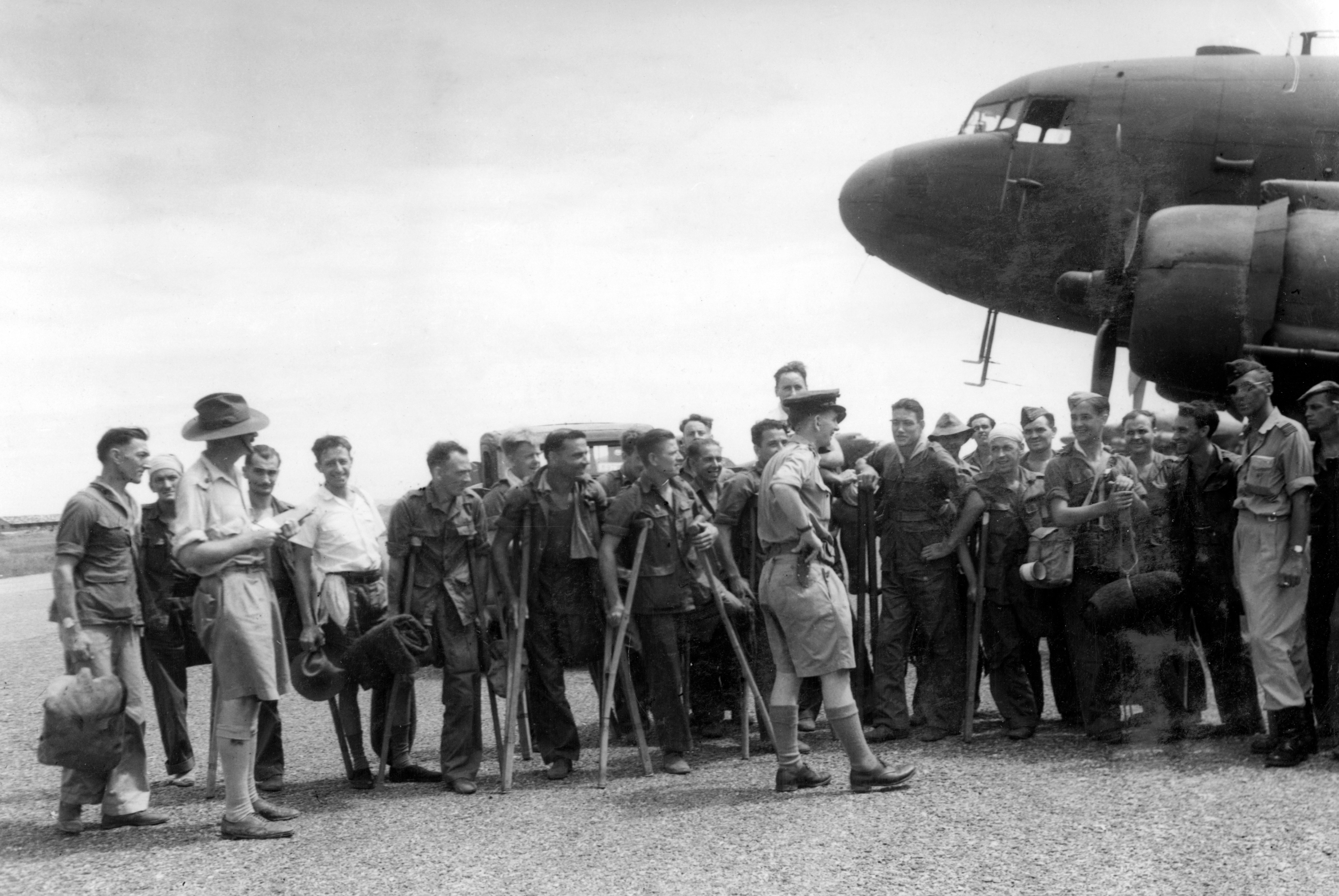
at Don Muang airfield, Bangkok, for their flight to Rangoon, Burma, September 1945. Image courtesy of Air Historical Branch.
Following his demobilisation at the end of the war, Joe returned to Manchester, where he began a family and transitioned into civilian life. He applied the skills he had developed in REME to a career in industry, working as a forklift truck driver in Trafford Park. However, his sense of duty remained steadfast. With the outbreak of the Korean War, Joe once again answered the call to serve, rejoining REME to support British efforts during the conflict.
Joe passed away in 1994, leaving behind a proud family.
To find a VJ Day event near you please visit VJ Day 80 - Activities & Events.
The RAF would like to express their thanks to both Alicia and her family and Flt Lt Corrigan for sharing their family member's amazing stories.