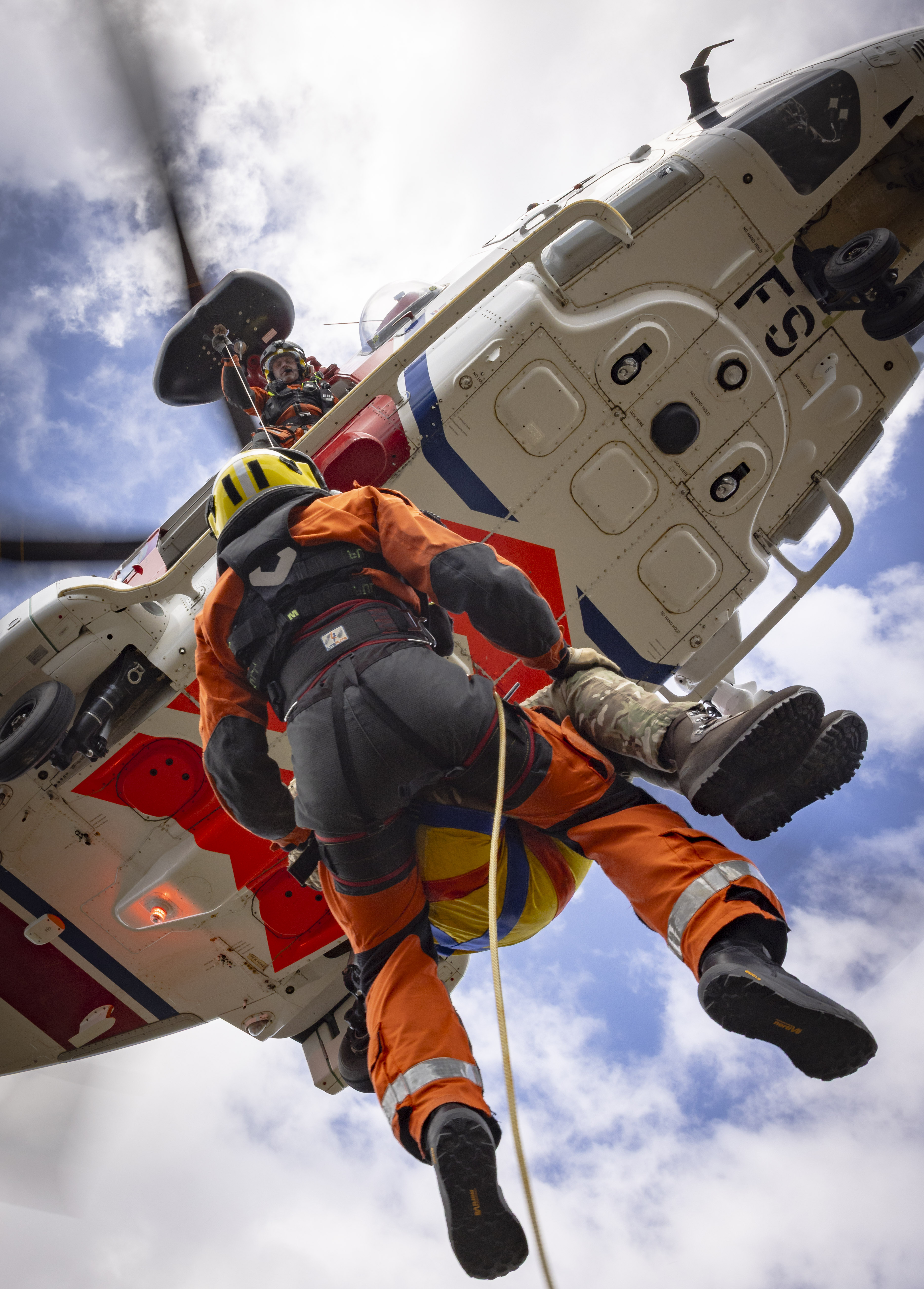
In the remote expanse of the South Atlantic, where unpredictable weather and rugged terrain test even the most seasoned mariners and aviators, one sound brings hope — the steady thrum of rotor blades cutting through the wind.
With more than 700 islands scattered across vast and often treacherous waters, the Falkland Islands demand a rapid response capability that can reach anyone, anywhere. In this environment, Bristow’s Search and Rescue (SAR) is far more than a strategic asset; it is a lifeline. For the military based in the South Atlantic Islands, SAR ensures rapid response in one of the world’s most remote and unforgiving operating areas, safeguarding personnel during training and operations while sustaining confidence and readiness. For the local community, SAR bridgesthe gap between isolation and safety, providing emergency medical evacuations
and vital support to local emergency services. It stands as a shared commitment to protect life, strengthen resilience, and uphold trust across the islands.
The archipelago, dominated by the two main islands of East and West Falkland, stretches approximately 220 kilometers east to west and 140 kilometers north to south. These distances, combined with rugged terrain and limited infrastructure, present unique challenges for emergency response. Road networks linking settlements are sparse, and travel by land can be slow or, at times, impossible. The specialist SAR‑configured AW189 helicopter, capable of operating at ranges of up to approximately 180 nautical miles, ensures that no part of the Falkland Islands is beyond reach — a vital assurance in a region where time and distance can be critical factors.
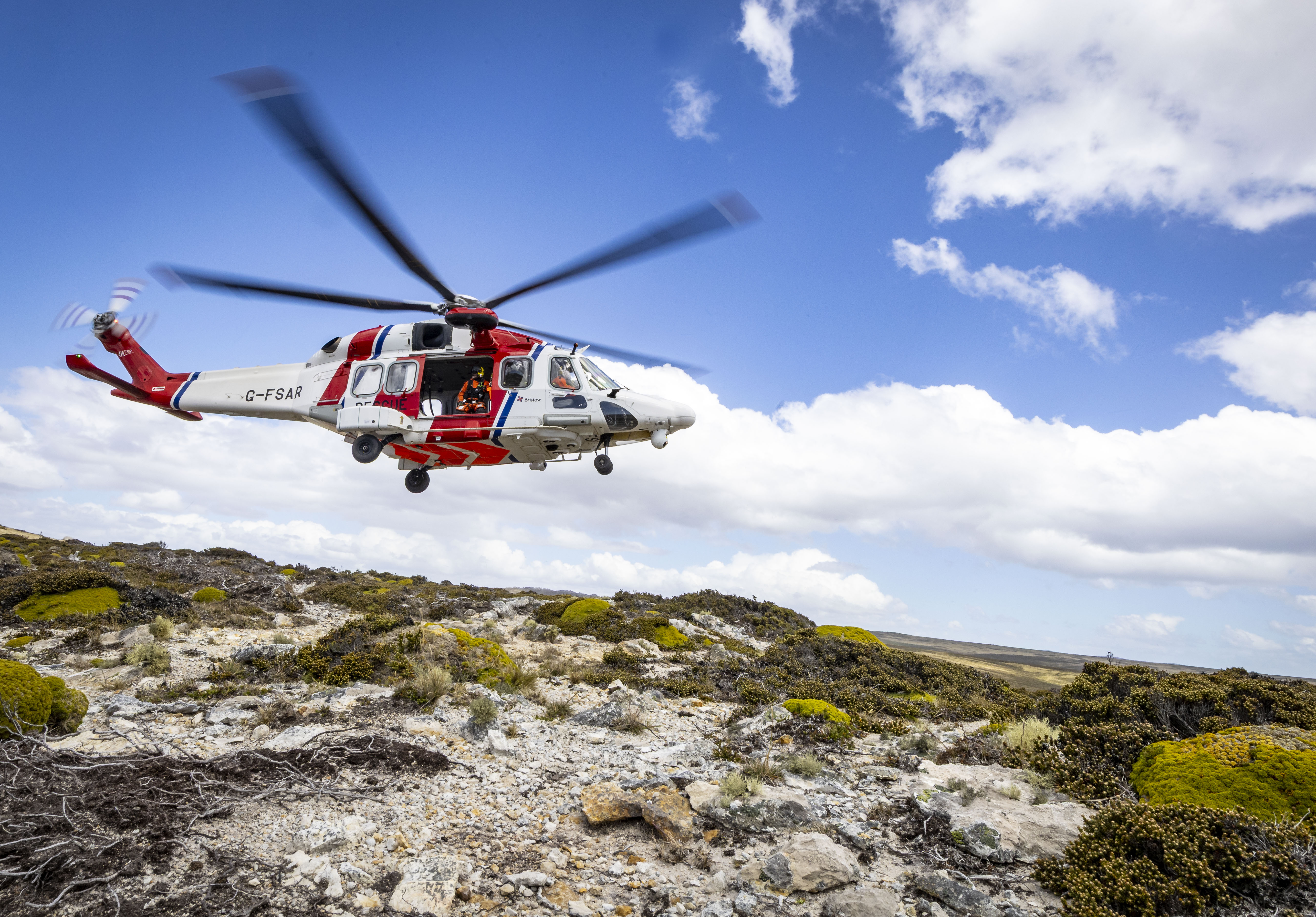
A Unique Operating Environment
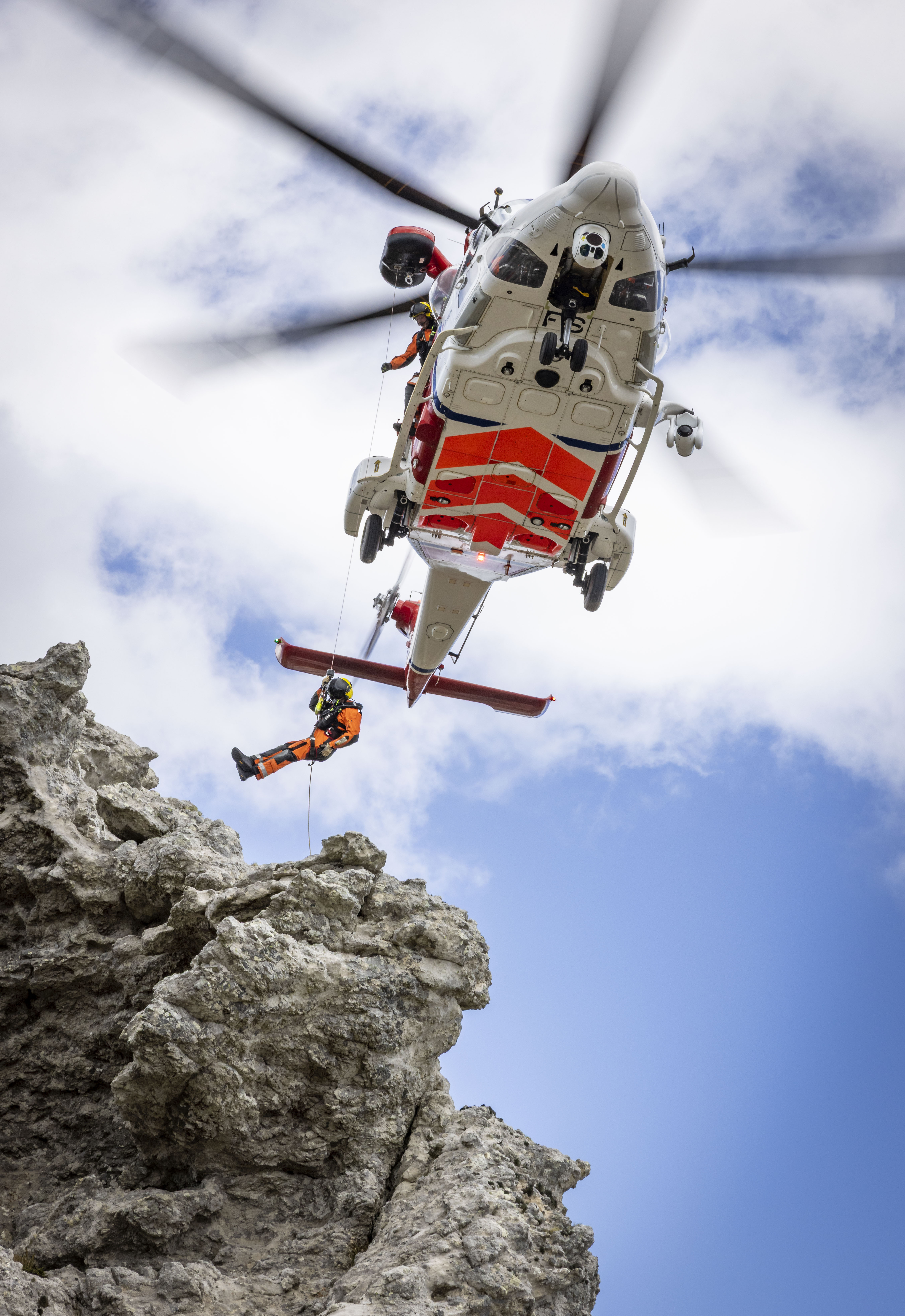
While the principles of Search and Rescue remain consistent worldwide, the Falkland Islands present a uniquely demanding environment. Extreme and rapidly changing weather is a defining feature, with frequent strong winds shaping every mission. Crews must be prepared to launch at short notice into conditions that would challenge even the most experienced aviators.
Unlike the United Kingdom, where multiple SAR bases provide layered coverage and mutual support, the Falkland Islands operate with a dedicated SAR helicopter. This requires a high degree of self‑sufficiency, meticulous planning, and exceptional professionalism from both aircrew and engineers.
The sparse population and limited infrastructure add further complexity. Outside of Mount Pleasant Complex and Stanley, there is very little cultural lighting. Combined with low‑contrast terrain, this can make night operations particularly challenging, even when using Night Vision Goggles.
Working Together Across the Islands
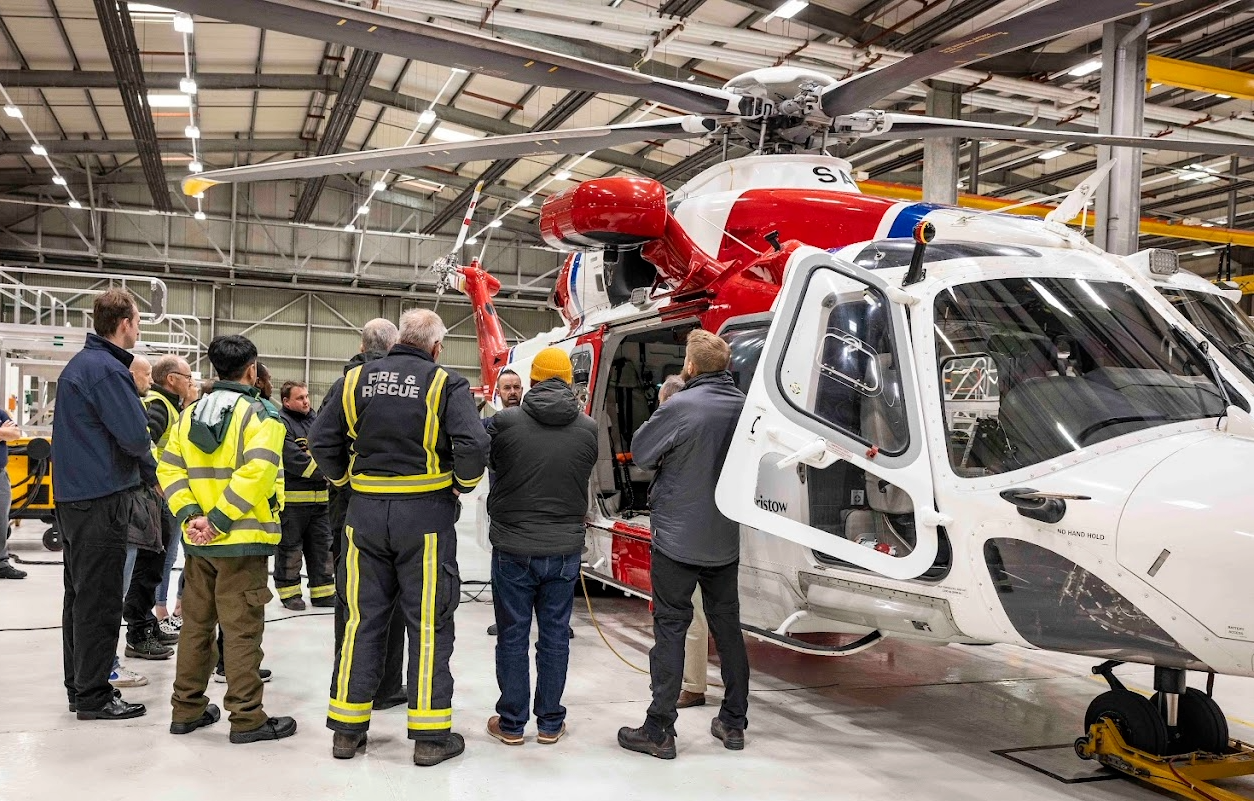
Search and Rescue in the Falkland Islands is underpinned by close cooperation between military forces and local partners. Operating in such a remote environment demands seamless coordination, shared situational awareness, and absolute trust.
The SAR capability operates in direct support of British Forces South Atlantic Islands (BFSAI), providing essential force protection across land, sea, and air. This ensures that personnel can train and operate with confidence, knowing that rapid rescue and medical evacuation support is always available.
SAR crews also work closely with the Falkland Islands Government, local emergency services, and medical teams to support the civilian population. Joint training, established procedures, and strong professional relationships ensure effective responses to emergencies across the islands.
Rescues at the Edge of Endurance
Although overall SAR tasking rates in the Falklands are lower than those experienced by UK‑based crews, the missions are often more demanding. Long‑range rescues to vessels at sea feature prominently, frequently conducted at the limits of aircraft range and endurance in challenging maritime conditions.
Since the contract began in 2016, the professionalism and courage of Falkland SAR crews have been recognised on two separate occasions by the Shipwrecked Mariners’ Society, with the award of the Edward and Maisie Lewis Award for outstanding air‑sea rescue.
A Lifeline That Endures
In the Falkland Islands, Search and Rescue is more than an emergency service. It is a constant presence — a reassurance to those who live and work across the islands and surrounding seas — ensuring that even at the edge of the world, help is never out of reach.