

Royal Air Force Brize Norton had a direct role in the invasion of Europe in June 1944 with its squadrons flying many operational sorties in direct support of ‘Operation Overlord’.
The Station's contribution to the eventual invasion actually began in July 1942 when the Heavy Glider Conversion Unit (HGCU) started activities at Brize, operating with 34 Armstrong Whitworth Whitley V glider tugs, 56 Horsa Gliders and two Airspeed Oxfords. The Whitley aircraft were converted bombers, whilst the Horsa Glider with a crew of two could carry up to twenty-five troops or supplies including artillery and vehicles (Jeeps). The Oxfords were needed to ensure glider pilots maintained powered flying hours and unit communication duties.
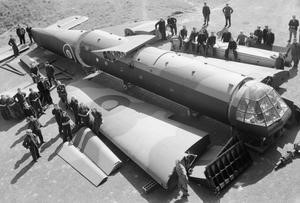
The HGCU began training activities almost immediately and undertook both day and night training sorties, training for the use of glider borne troops for the landings in Sicily under the name Operation Husky, the future invasion of mainland Europe.
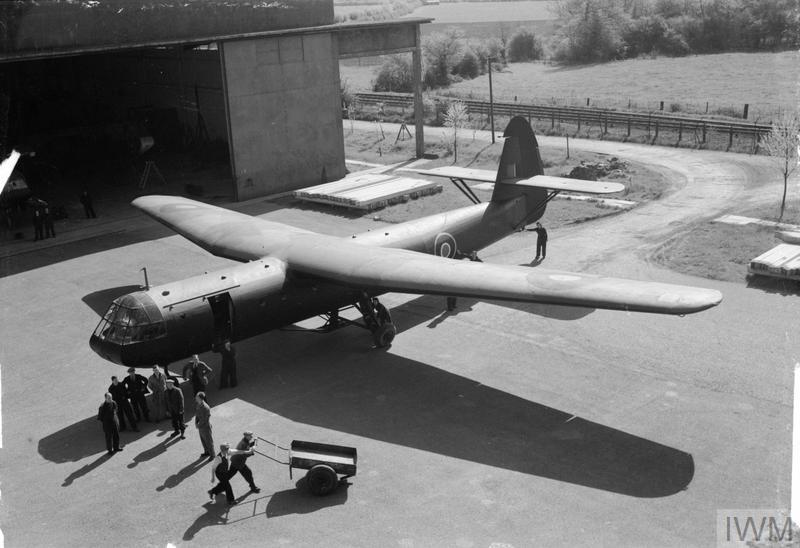
By October 1942, RAF Brize Norton became the centre for heavy glider training with the formation of the Glider Instructors School. Furthermore 6 Maintenance Unit, already based at Brize, expanded its operations to include glider assembly; a task it continued to do until the end of 1944. In early 1943, to cater for the increased number of aircraft and gliders, concrete runways were laid at Brize Norton, and several new hangars were constructed across the airfield.
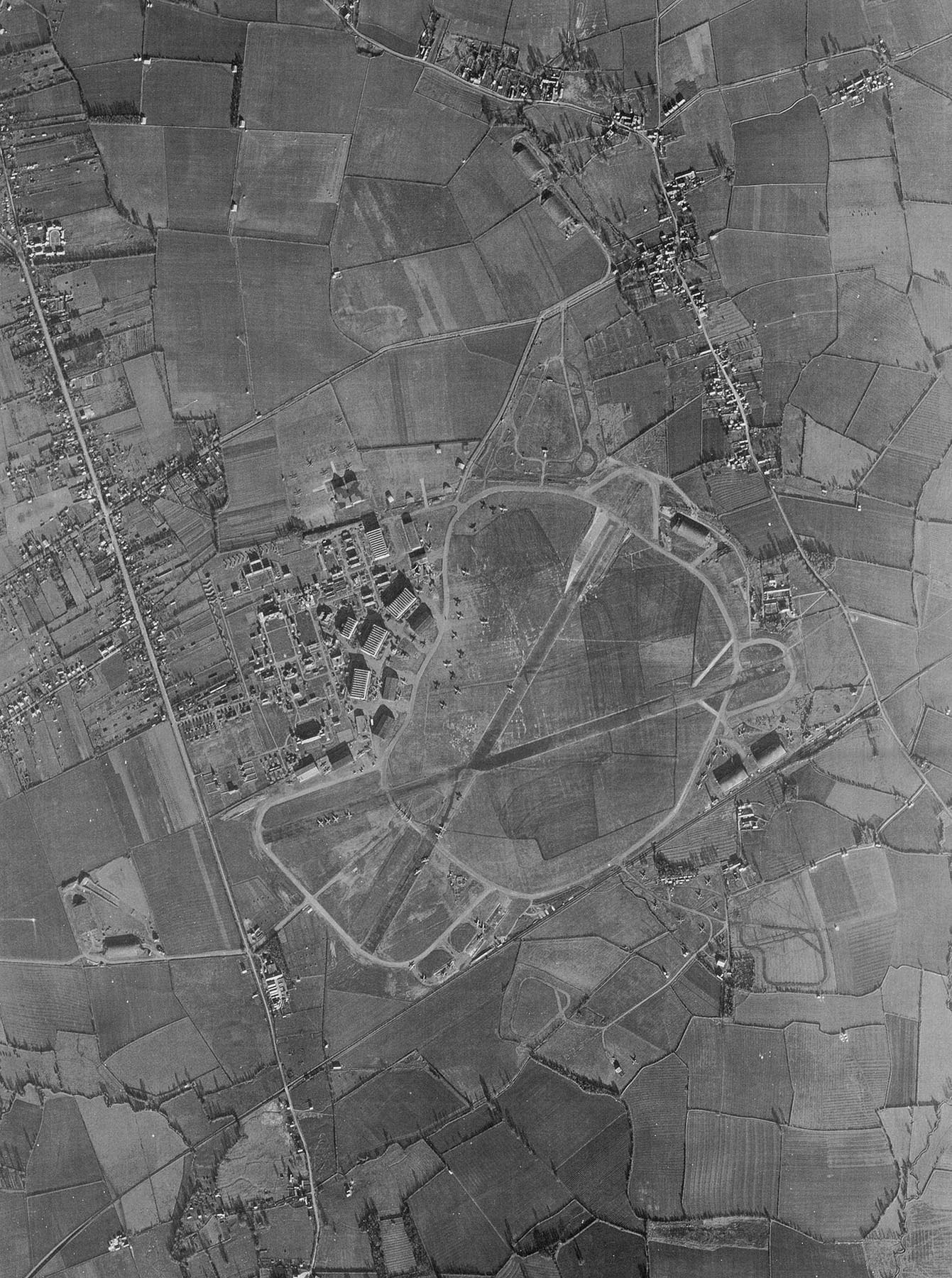
Glider and tug operations were not a simple activity; gliders had to be positioned, then the Whitley tugs had to be marshalled into position and the tow rope attached. Once in the air, the tug/glider combination needed a wide turning area, which resulted in a Central Glider Area and specific cross-country routes being designated to cater for the considerable number of training flights. Due to the high tempo of activity and the flying precision required, there were many accidents on the Station and in the local area (including Brize Village, Witney, and Black Bourton), many of them with fatalities.
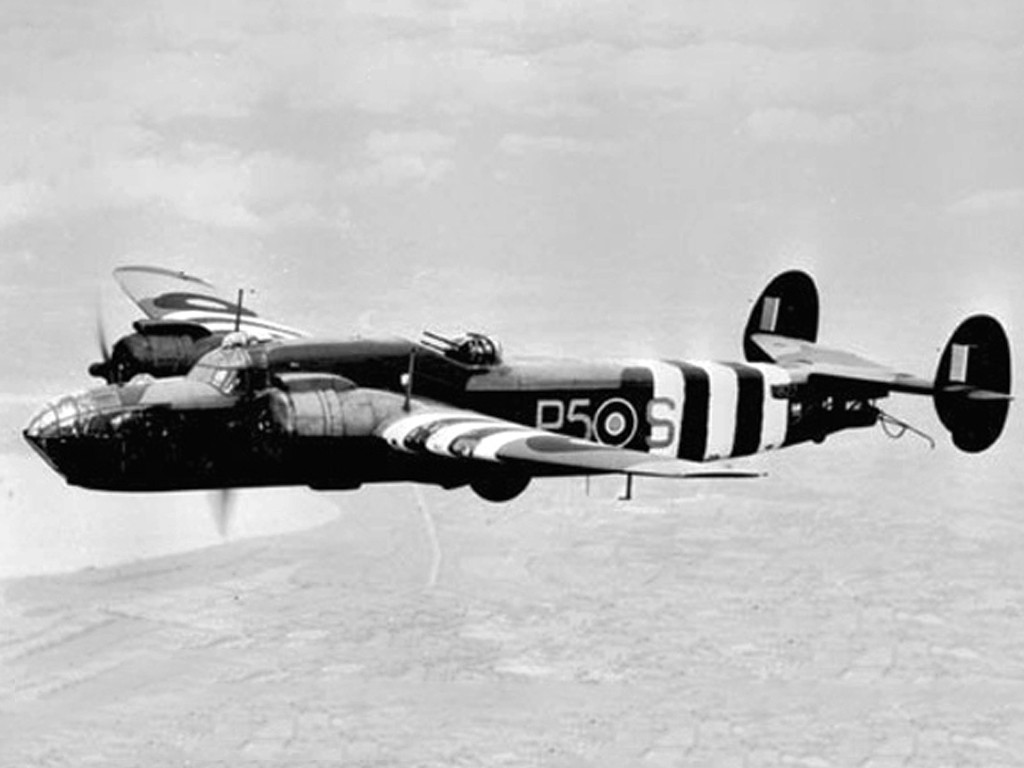
In January 1944, the HGCU received some Short Stirling Mk III and IVs to help with glider pilot training, but in March 1944, the HGCU moved to North Luffenham and Brize became, for the first time in many, a 38 Group Station, taking on a formal operational role. On 9 March 1944, 296 and 297 Squadrons moved to Brize Norton, both Squadrons operating the Armstrong Whitworth Albemarle glider tug.
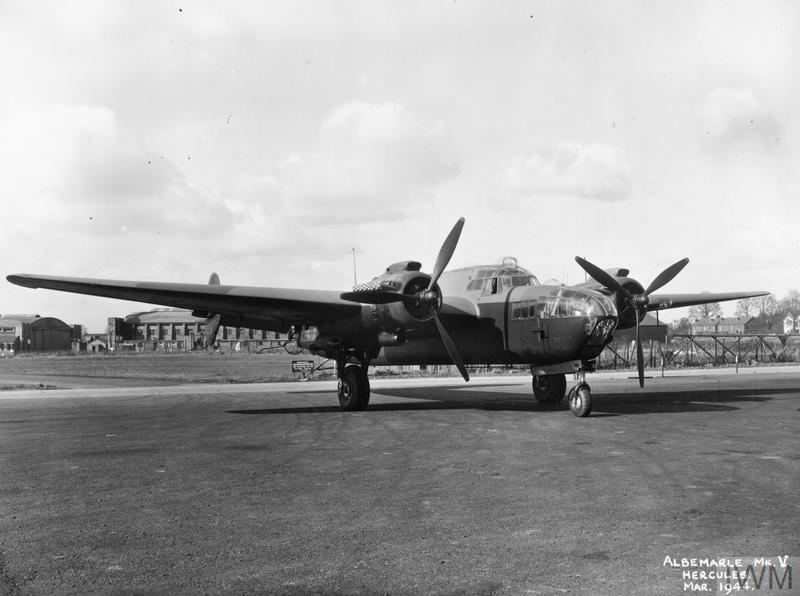
Training now focussed on the D-Day landings, named Operation Overlord, and during the months leading up to D-Day, many major exercises took place; both squadrons undertaking parachute drops as well as glider releases, some in front of senior D-Day planners such as Air Marshal Sir Arthur Tedder. Additionally, as operational squadrons, the Albemarle’s of 296 and 297 Squadrons also undertook leaflet dropping, as well as night dropping of agents and supplies over occupied France for the Special Operations Executive (SOE) losing a number of aircraft in these sorties.
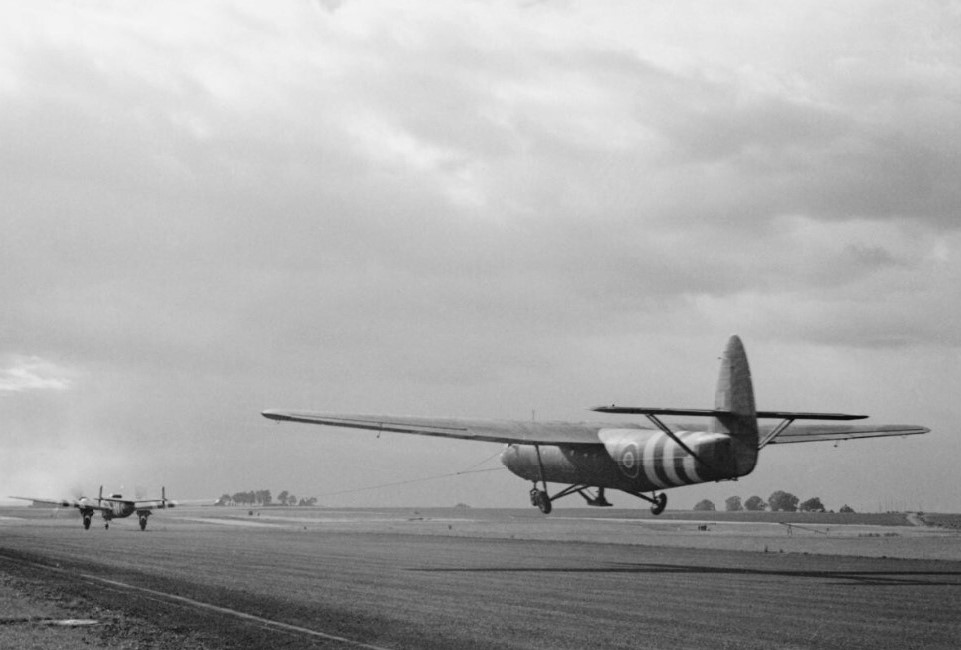
With the training and preparation completed, on 1 June 1944, the Station was sealed off for security reasons and the final work took place ahead of the invasion itself.
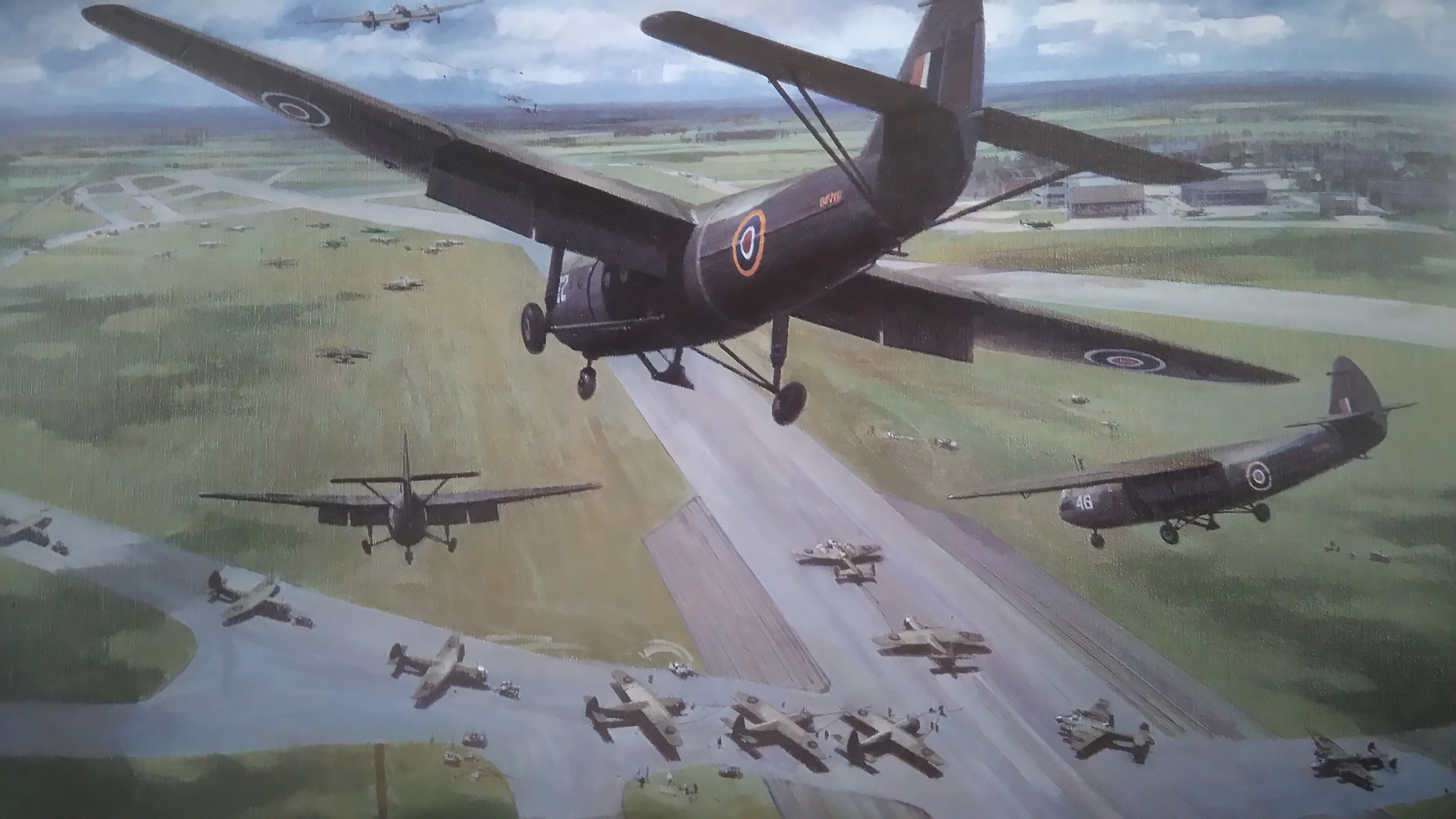
June 5, 1944, saw the culmination of months of training put to the test. ‘Operation Overlord’ was a combination of a number of sub-operations, the first one for Brize Norton being ‘Op Tonga’, which itself was divided into three phases, involving 24 Albemarle aircraft from Brize Norton, transporting troops of the 6th Airborne Division to Normandy ahead of the landings. The phases were as follows:
Phase 1 - Seven Albemarle, three from 296 and four from 297, carrying Pathfinder troops took off from Brize at 2300 hrs on 5 June 1944. One aircraft from each squadron carried troops from the 22ND Independent Parachute Company whilst the other aircraft carried sticks of ten men from the 5th Parachute Brigade to support the Pathfinders.
Phase 2 - At 2343 hrs on 5th June, a further eight 296 Squadron Albemarle departed Brize Norton to arrive overhead in France, each with sticks of nine reinforcements from the 5th Parachute Brigade, and nine 297 Squadron Albemarle took off from Brize with the remaining members of the main force of paratroopers from 5th Parachute Brigade to be dropped on a drop zone (DZ ‘N’) near to the East bank of the River Orne, to reinforce the personnel dropped during Phase 1.
Phase 3 - Sixteen Albemarle, eight from each Squadron, took off from Brize at 0110 hrs on 6 June 1944, with the main glider force to be cast off near to DZ ‘N’. This force consisted of troops from the 5th Parachute Brigade and Royal Engineers. Finally, three 297 Sqn Albemarle took off from Brize at 0230hrs on 6 June 1944 with reinforcement Paratroopers of 9 Parachute Battalion carrying explosives destined for the German coastal gun battery at Merville which was soon captured.
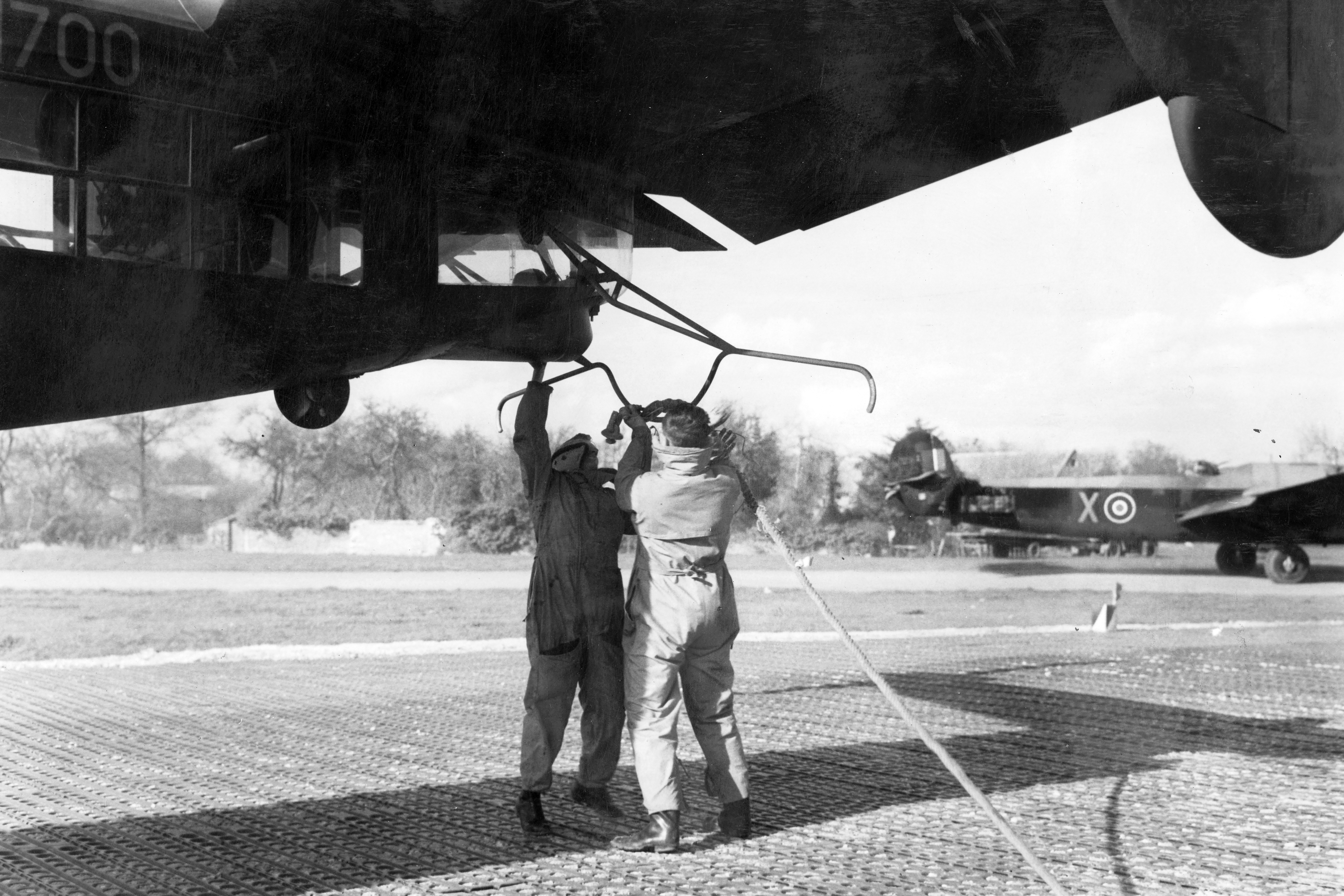
As with most operations, not all aircraft successfully reached their destination, the main reason was unserviceability of the tugs or glider and in one incident, the tow rope to a glider broke over UK leading to an emergency landing.
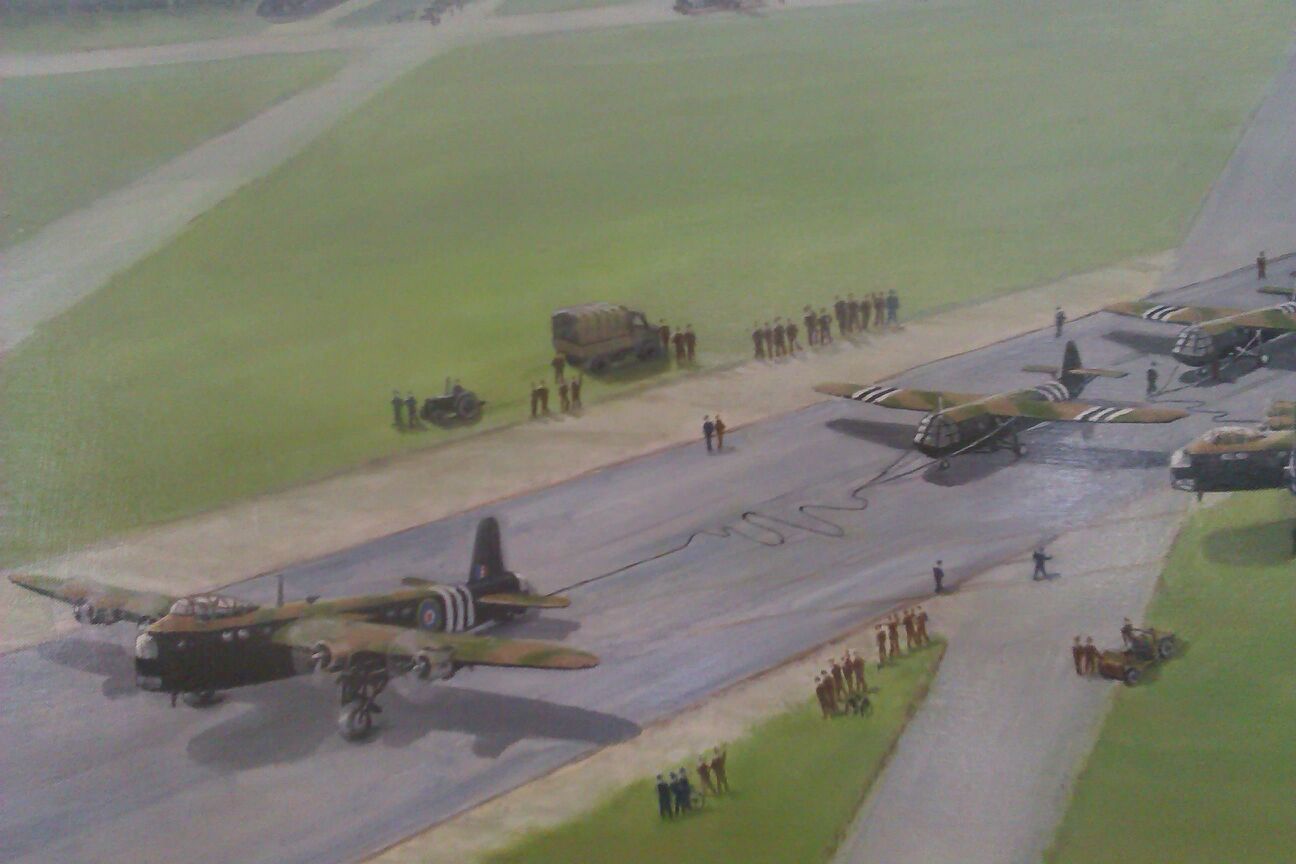
The second sub-operation of Op Overlord involving Brize Norton squadrons was Op Mallard on 6 June 1944. This was the glider delivery, before dusk, of the remaining elements of the 6th Airborne Division. Shortly before 1900hrs, twenty Albemarle from each of 296 and 297 Squadrons took off towing their gliders to France. A glider crashed on take-off from Brize, another had to cast off and crash land whilst still in UK, and another glider was brought down by enemy fire in France. One 296 Albemarle was also shot down by enemy fire over Normandy.
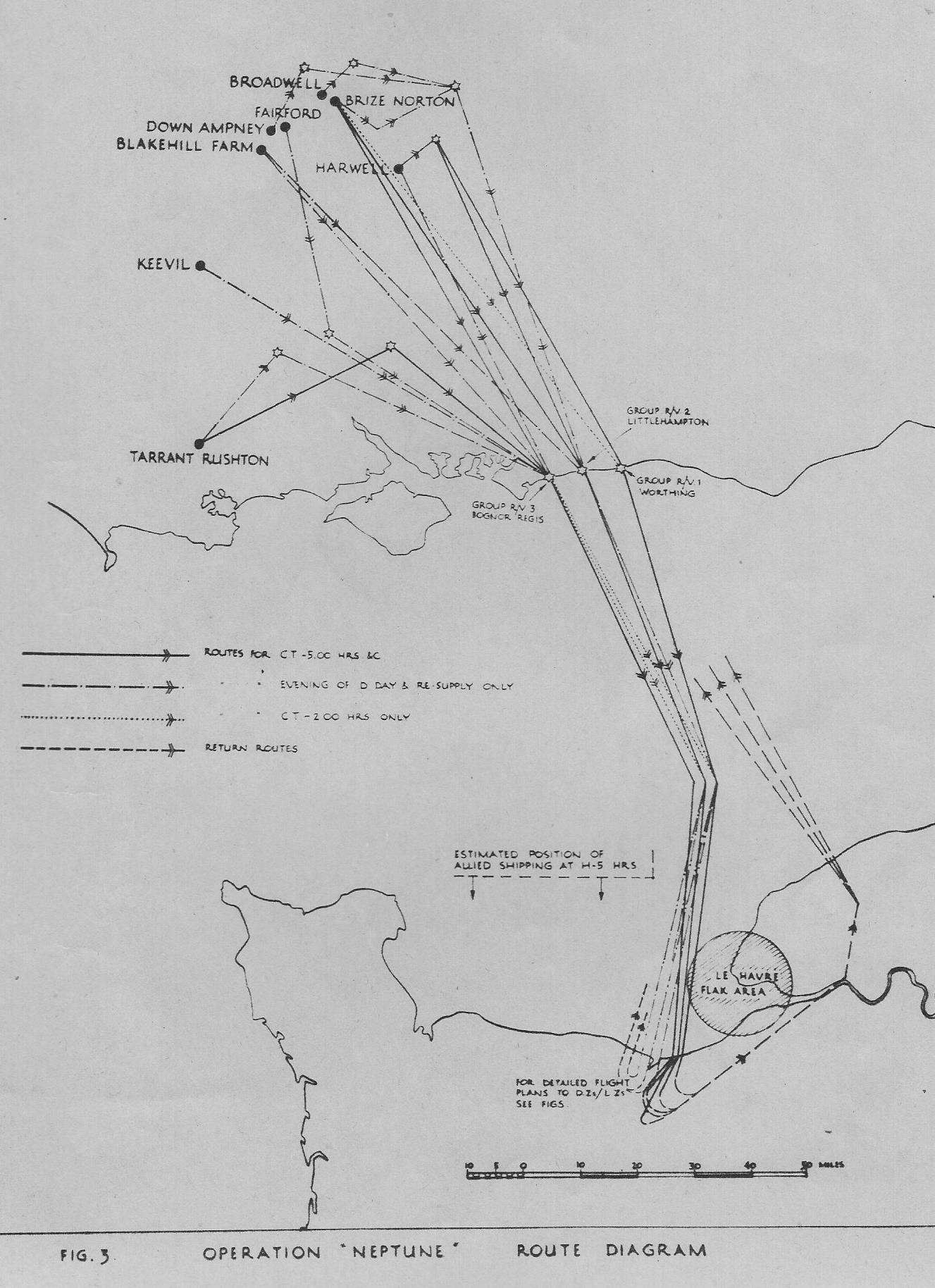
On 7 June 1944, both Squadrons from Brize participated in ‘Op Cooney’. Three 296 Albemarle, each transported a stick of six paratroopers of the 4th French Parachute Battalion, whilst two 297 Squadron Albemarle carried SAS personnel into occupied France, the aim to disrupt communications between Brittany and the rest of France.
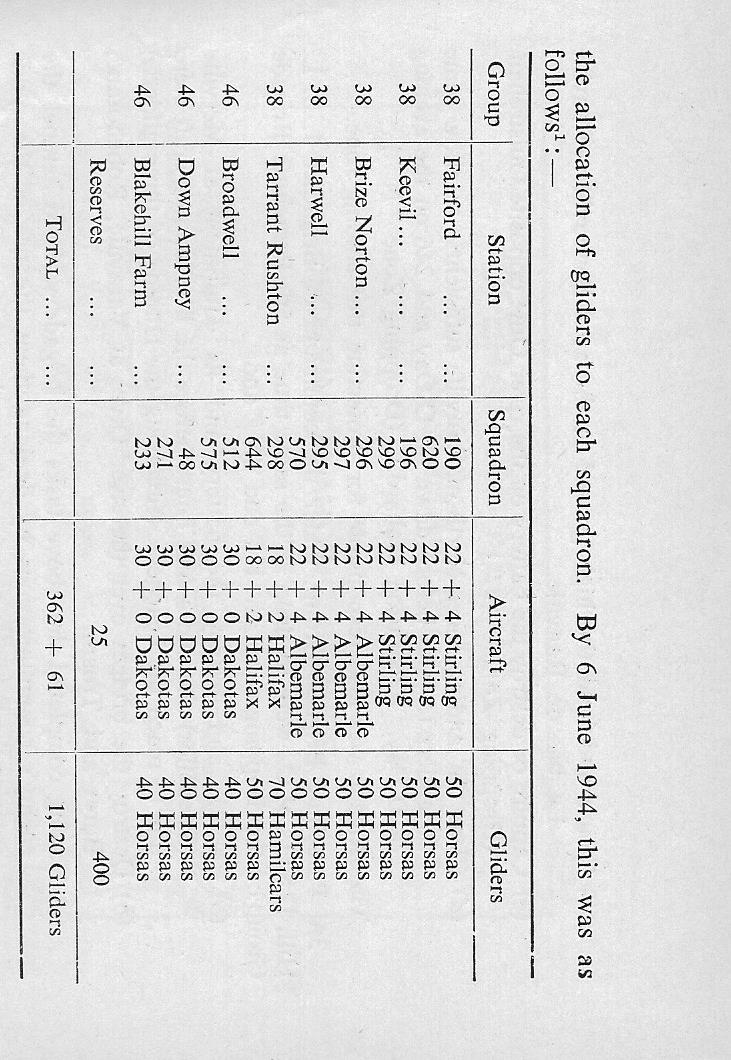
Operations continued after D-Day, through July and August leading up to Op Market Garden in late September 1944, which again involved 296 and 297 Squadron, this time deployed forward to RAF Manston because of the Albemarle’s limited range.

Operation records are also available in the Heritage Centre, plus an article on the Albemarle


