


A pipistrelle bat named ‘Dunlop’ discovered at RAF Coningsby has been released back into the wild following some weeks of specialist care and attention from Lincolnshire Bat Rescue.
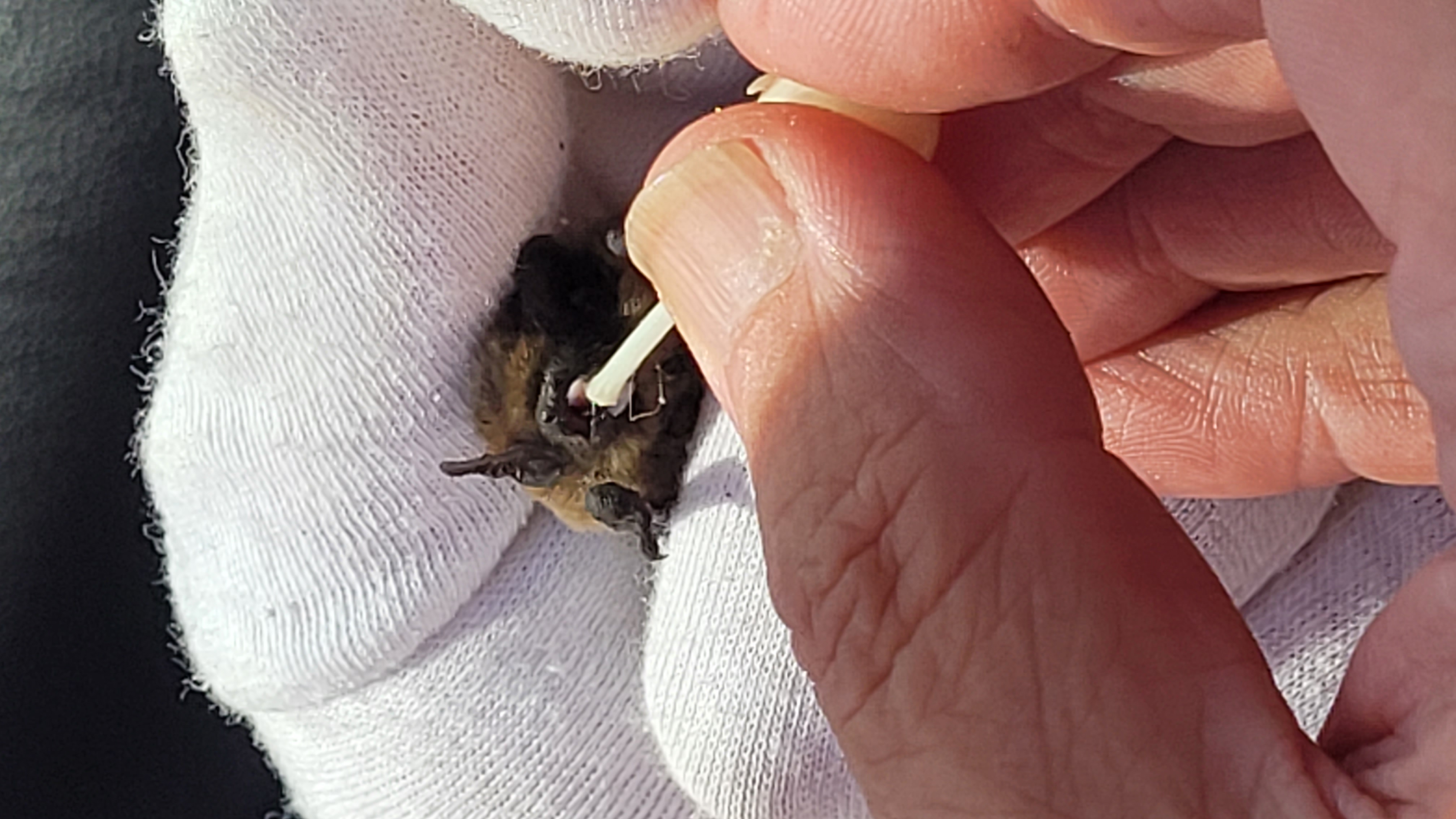
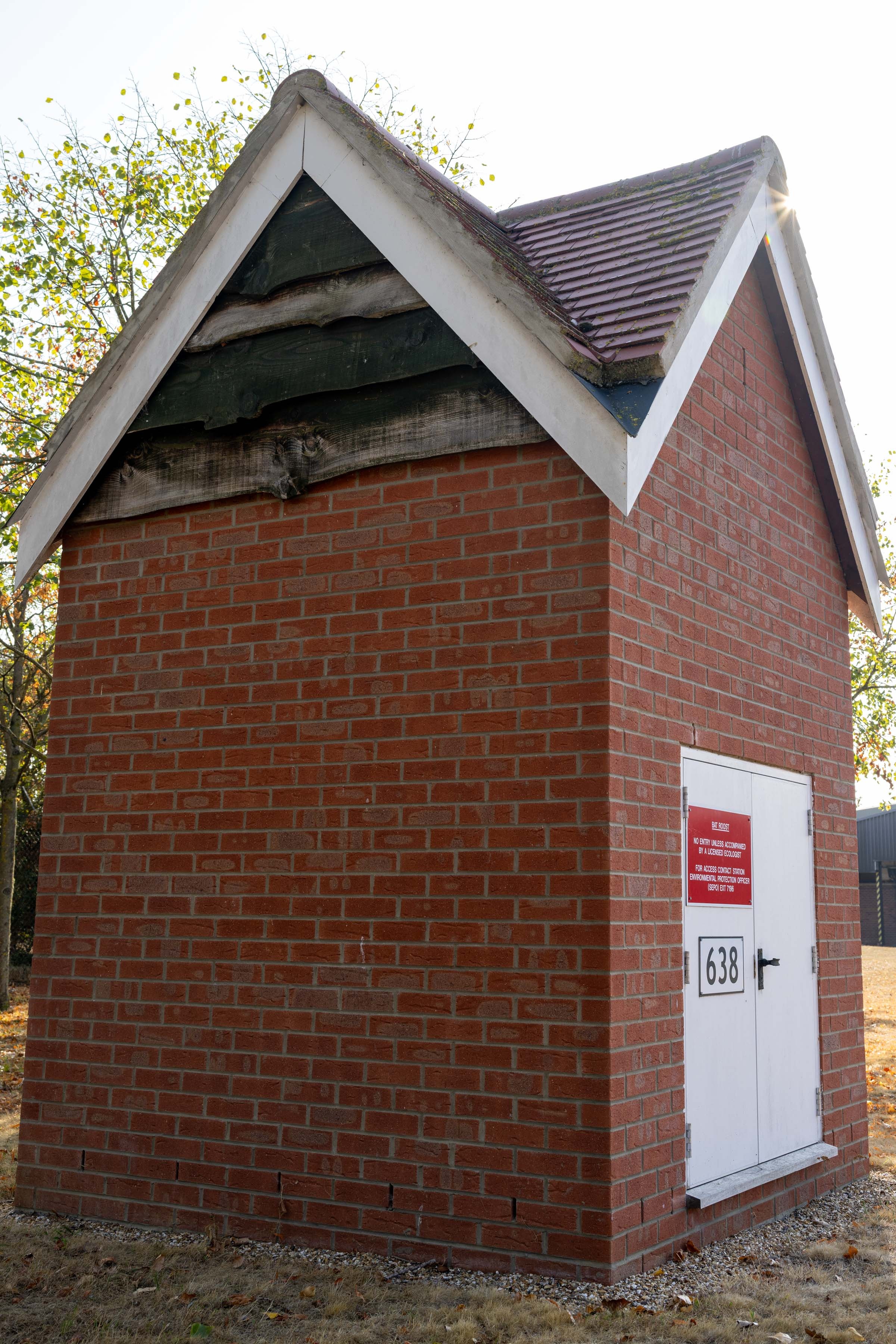
Dunlop was discovered by Air Specialist Class 1 Max Searis of 29 Squadron during a routine inspection, tucked up on the wheel of an aircraft undercarriage in one of the station's hangars. Thinking on his feet, AS1 Searis took the bat to the station's dedicated bat-house for safekeeping. However, Reverend Flight Lieutenant Chrissy Moorey, a Station Chaplain, suspected that the situation called for more than a simple change of address for the little stowaway, and contacted the Station Environmental Protection Team for advice.
Paula Haworth, the station's Environmental Protection Officer, contacted Lincolnshire Bat Rescue, an independent, unfunded volunteer organisation that has been caring for injured and vulnerable bats across the county for around 11 years.
James Simpson, who runs Lincolnshire Bat Rescue alongside his wife Julie Ellison, collected Dunlop and conducted a first assessment.
"He'd found a dark surface, crawled up onto it and gone to sleep," said Mr Simpson. "He was underweight and had basically stopped flying. No apparent injury at all, he'd just had a bad day." Dunlop was rehydrated, fed and gradually trained to eat mealworms, replacing the roughly 2,000 midges a healthy wild pipistrelle would ordinarily catch each night.
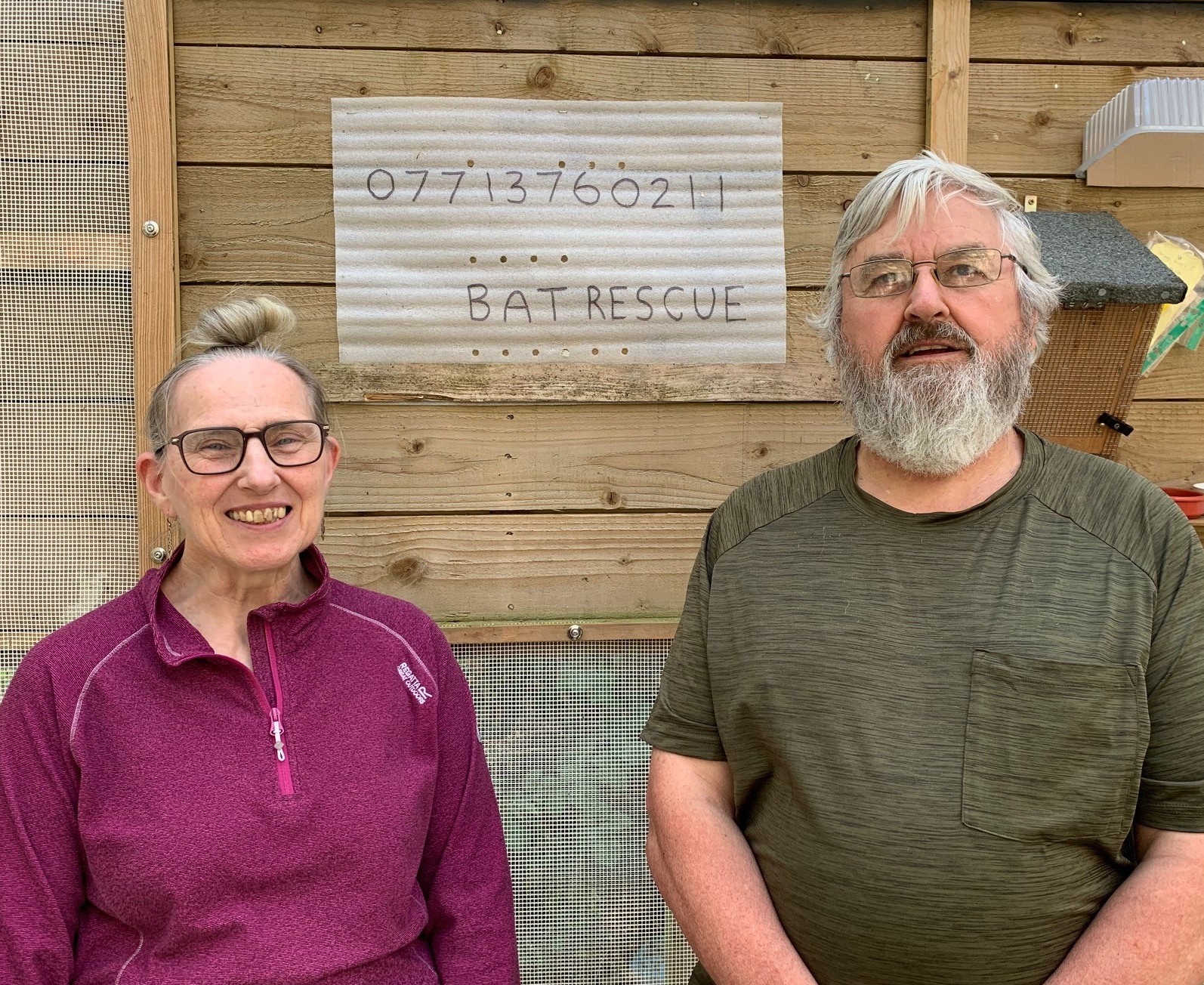
Mr Simpson, a retired Metropolitan Police officer, and Ms Ellison, a retired musician, have run Lincolnshire Bat Rescue together for over a decade, licensed to care for bats long-term and currently looking after up to 50 animals at any one time, entirely voluntarily and without external funding.
"Everything we do is centred around helping the bat and the finder," Mr Simpson explained. This year alone, the couple have released 34 bats back into the wild, ranging from short-stay patients like Dunlop to long-term residents who have taken years to recover from serious injury.
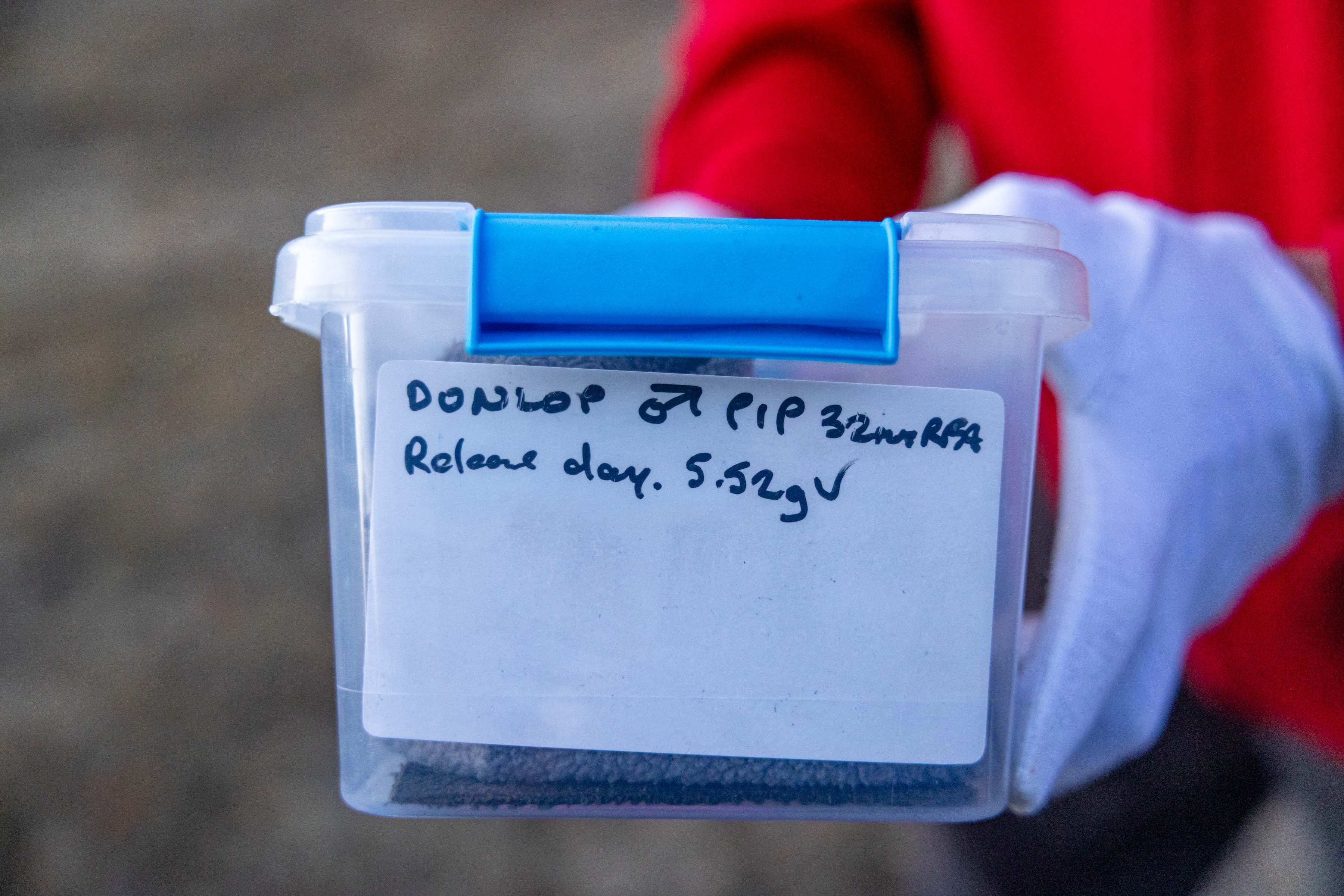
Dunlop spent time on what the rescue calls its "Feeding Up" programme, steadily building his strength until he was ready to fly again. Mr Simpson said:
"He's old enough, and his mother sorted him out well enough, so he's just had a bad day."
RAF Coningsby is one of the RAF's busiest fast-jet stations, but that has never stood in the way of looking after the wildlife that shares the airfield, including a small population of pipistrelle and brown long-eared bats recorded around the site over the years.
A spokesperson for RAF Coningsby said:
"You don't expect to find a stowaway on the undercarriage during an aircraft inspection, but we’re delighted it's turned into such a happy ending. All's well that ends well, Dunlop's back where he belongs, and we're all very grateful to James and Julie for taking such good care of him."
Ends.


