

When most people think of RAF Coningsby, they think of Typhoon jets flying over Lincolnshire skies. But behind every deployment, behind every aircrew member cleared to fly into harm's way, is a small but vital team whose work rarely makes the headlines — and that, they'll tell you, is exactly how it should be.
The Force Protection Training Flight (FPTF) is staffed exclusively by RAF Regiment personnel and is responsible for ensuring that everyone at Coningsby — from pilots to air traffic controllers, from caterers to RAF Police — is prepared to operate in an increasingly dangerous world.
What does Force Protection Training Flight actually do?
At its core, FPTF delivers Individual Readiness Training (IRT) — a mandatory programme for all RAF personnel. The training is structured across modules, with the level required depending on where an individual is deploying.
While RAF policy requires all personnel to hold Module 1 as a minimum, Coningsby took the decision earlier this year to raise the baseline to Module 2 for everyone on station — a reflection of the evolving threat landscape.
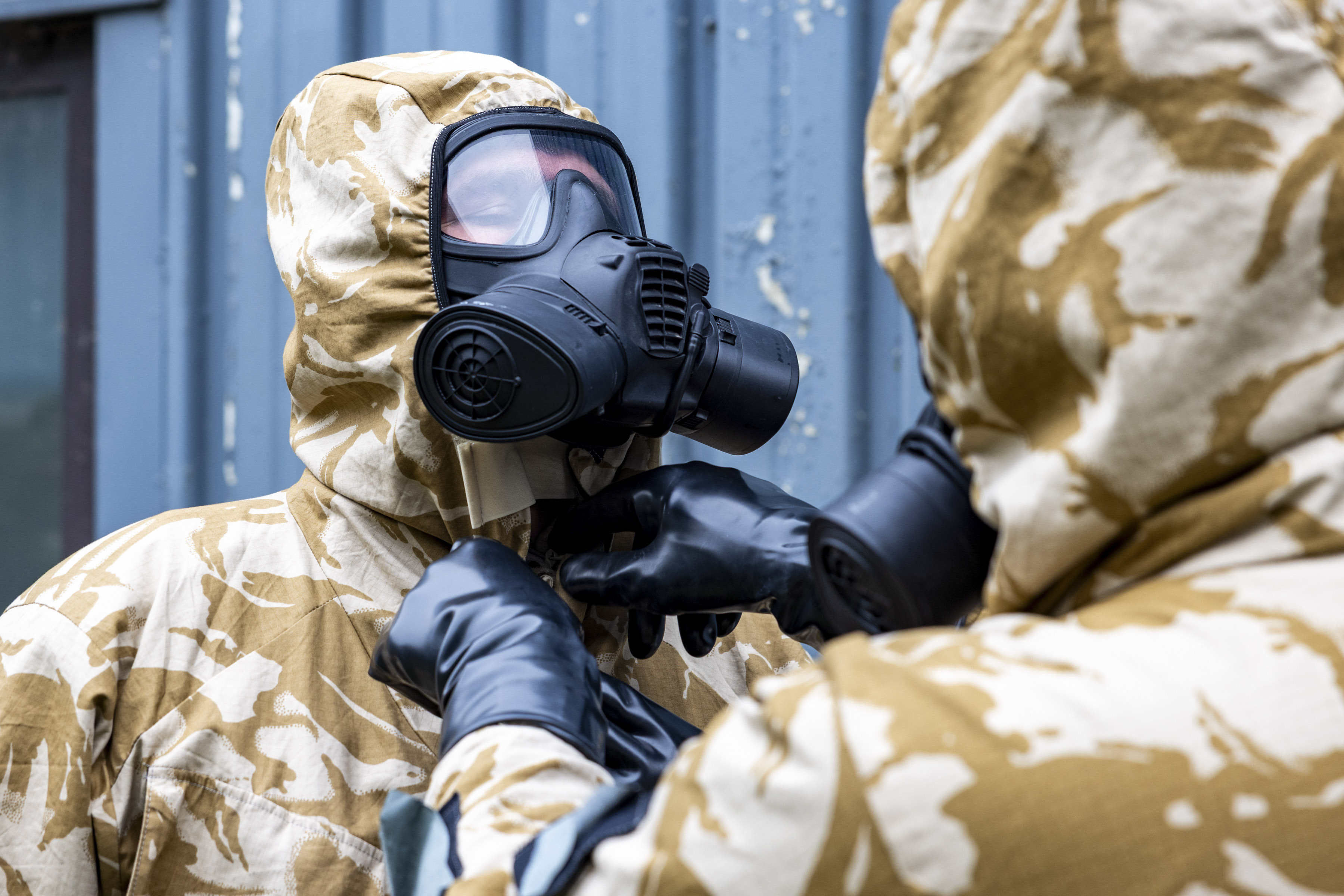
Module 1 covers the foundations: safe handling and marksmanship with the standard service rifle, basic first aid in the workplace, and Chemical, Biological, Radiological and Nuclear (CBRN) awareness. Crucially, it also ensures personnel are up to date on the Law of Armed Conflict and the Geneva Convention — the legal framework that governs how force can be used.
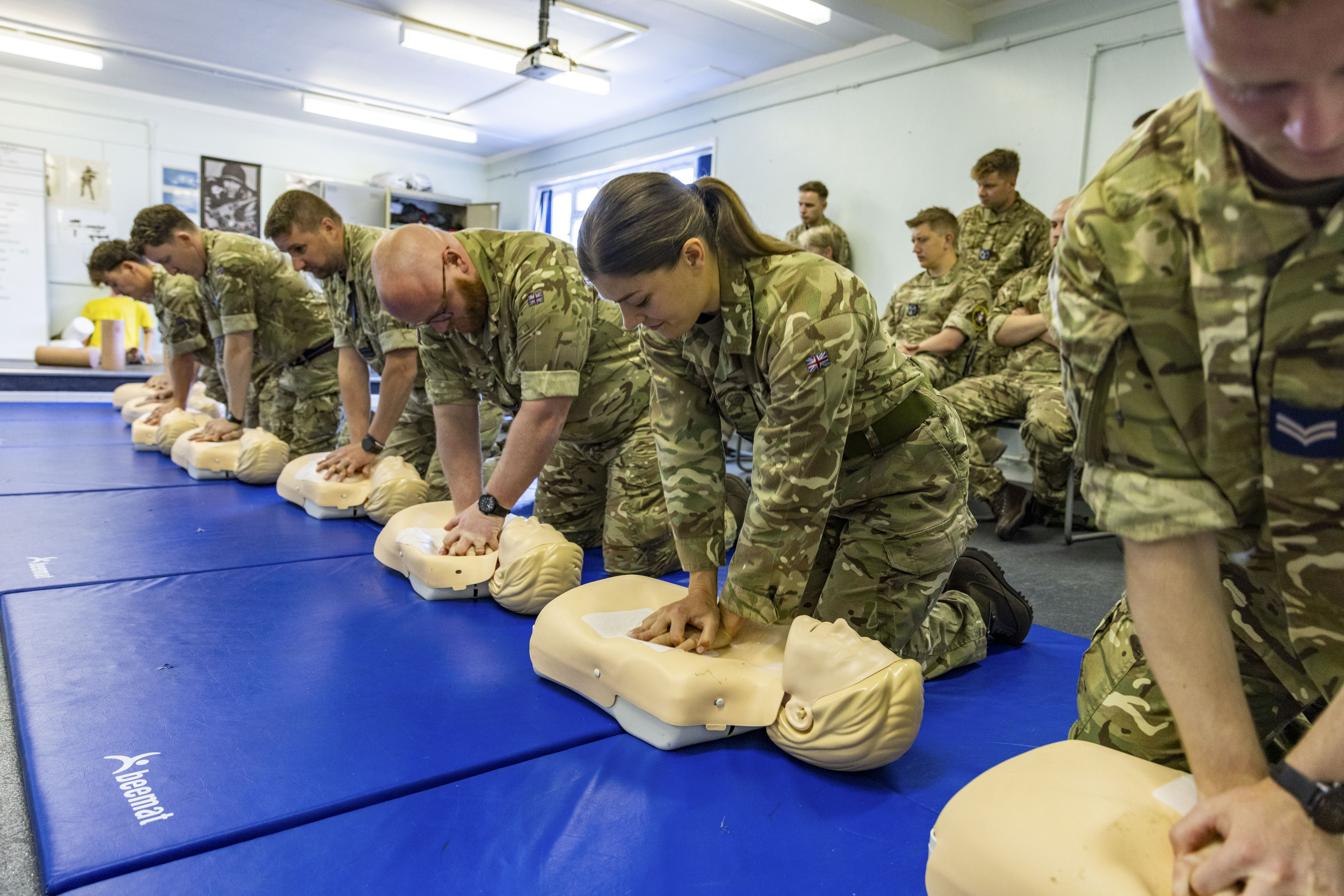
Module 2 builds on that foundation with a more operational focus. First aid training steps up to combat level, introducing life-saving equipment such as tourniquets, haemostatic dressings and chest seals — kit more commonly associated with conflict zones, but increasingly relevant closer to home.
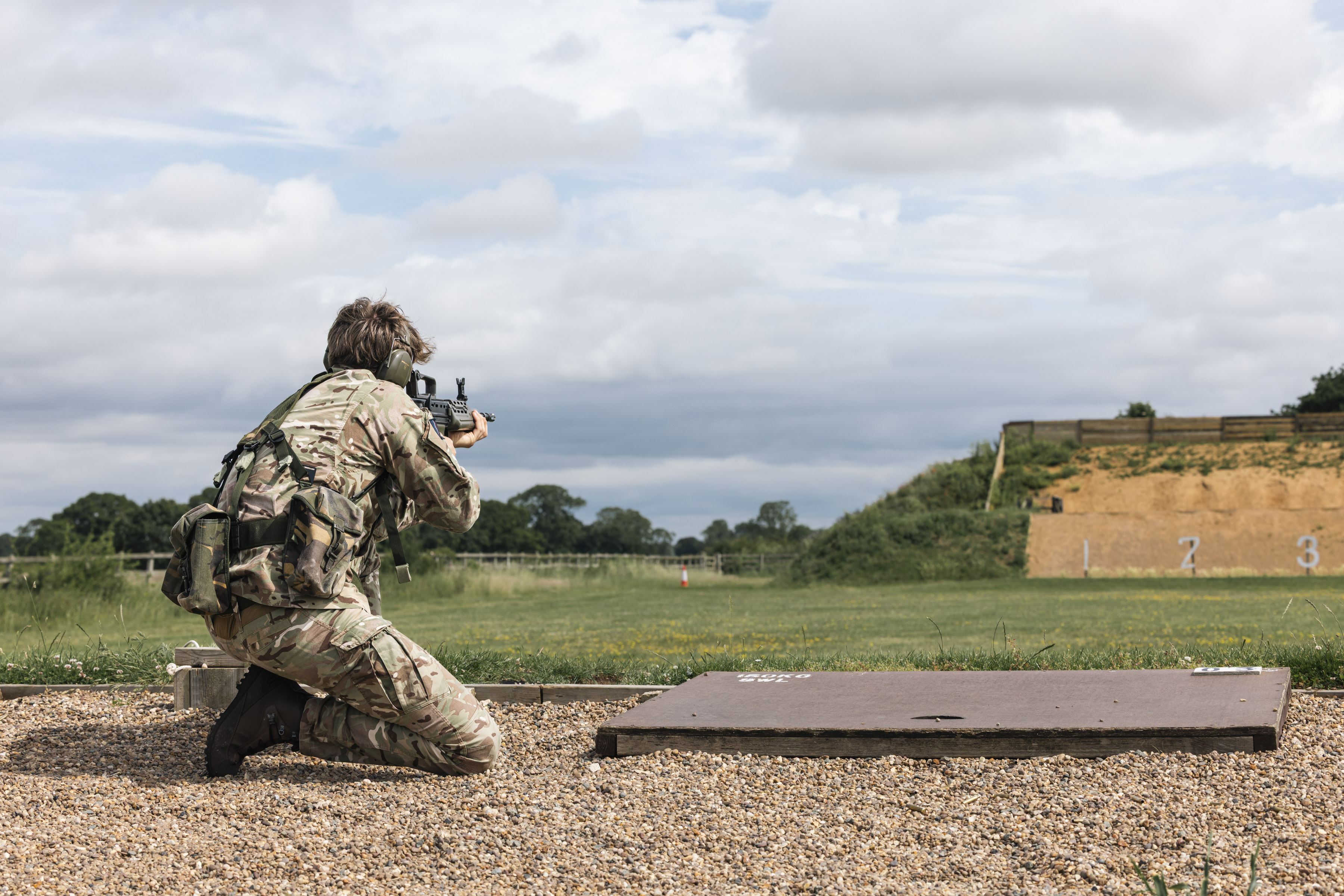
Module 3 is reserved for those deploying to higher-threat environments, such as personnel from 3 Squadron and XI Squadron. This stage focuses on putting skills into practice, culminating in the Annual Combat Marksmanship Test (ACMT) — firing in prone, kneeling, standing and sitting positions at 100 metres, typically conducted at Beckingham Range.
A broader remit than you might expect
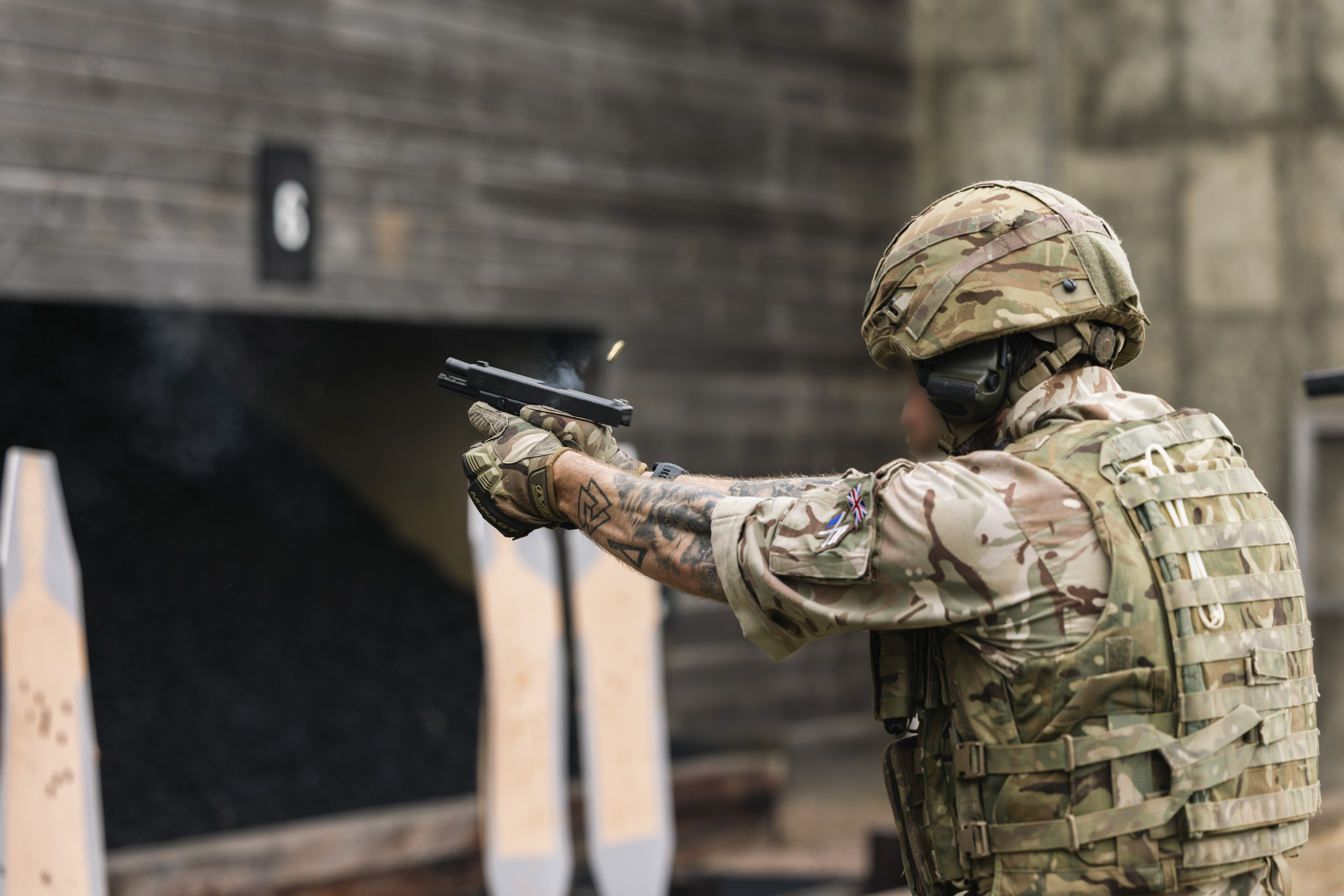
Beyond the IRT modules, FPTF delivers a wide range of weapons training across the station. The L85A2 rifle is the primary weapon system for most personnel, while all aircrew receive training on the Glock 17 pistol. RAF Police, along with some other nominated personnel, must maintain qualifications on both, returning every six months to keep their training current.
The FPTF also provides pyrotechnics training — aircrew are required to be qualified on the 16mm mini flare, while air traffic controllers train with the 1.5-inch flare gun, used to warn off aircraft in the event of a hazard.
This year alone, FPTF has 42 planned Module 1 and 2 courses on its books — one-day courses — alongside 18 Module 1–3 courses running over three days. Those nominated for guard force duties at Coningsby complete a dedicated three-day package covering all three modules plus specific guard force training.
Small team, significant impact
What is perhaps most striking about FPTF is the scale of its influence relative to its size. The entire operation at Coningsby is run by a team of just six people.
Warrant Officer Lee Hargreaves is Officer Commanding RAF Coningsby Force Protection Training Flight. He said:
“When rapid deployments are called — and in recent months there have been several, with squadrons going out the door at short notice — it is FPTF that determines whether personnel are trained to the required standard to go. Miss the marker, and a deployment stalls. If we do our job well, no one really knows about it. But if we fail at our job, that's when it would get discussed at the highest levels. We could be a showstopper."
It is a quiet kind of responsibility — but a serious one.
The Station Commander at RAF Coningsby is Group Captain Andy Hampshire. He said:
“What FPTF delivers is fundamental to everything we do at Coningsby. We are rightly proud of our Typhoon force and the operational effect it generates — but that capability only exists because every single person on this Station is prepared, trained, and ready. This small team quietly underpins the readiness of thousands. That is an extraordinary contribution, and one that deserves real recognition."
The Regiment behind the flight
FPTF’s exist across all main RAF stations and are staffed exclusively by RAF Regiment personnel. The Regiment is the RAF's ground fighting force, responsible for protecting air assets and airfields, and its personnel bring with them a level of expertise and operational experience that underpins everything FPTF’s deliver.
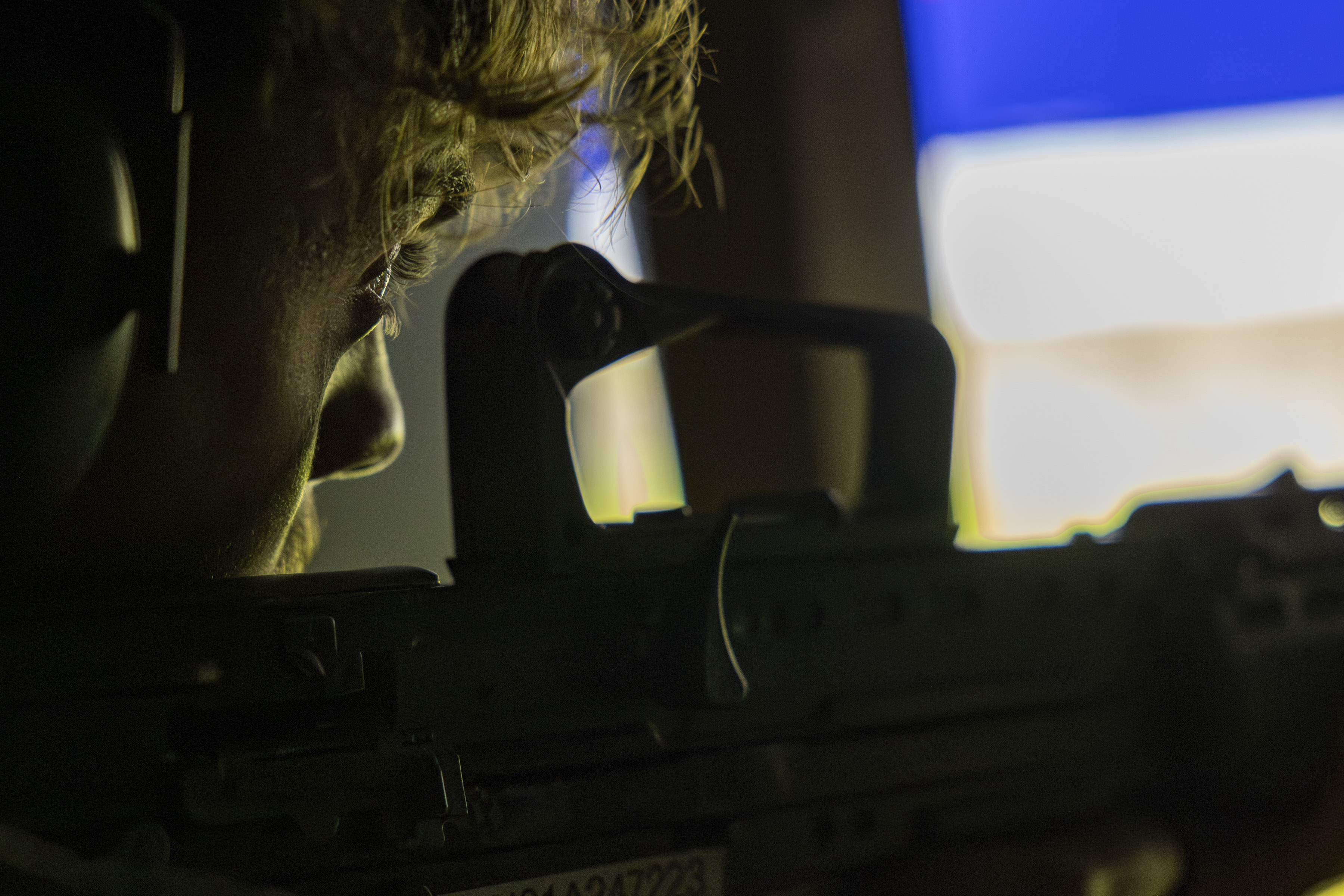
For those considering a career in the RAF Regiment, the advice is straightforward: you need to be physically fit, comfortable outdoors, and ready for an active, demanding role. The Regiment's operational squadrons are among the busiest in the Air Force, and the camaraderie that comes from shared hardship in training is something that endures throughout a career. More information is available via the RAF recruitment website, the RAF Recruitment app, and the Regiment's own social media channels.


