

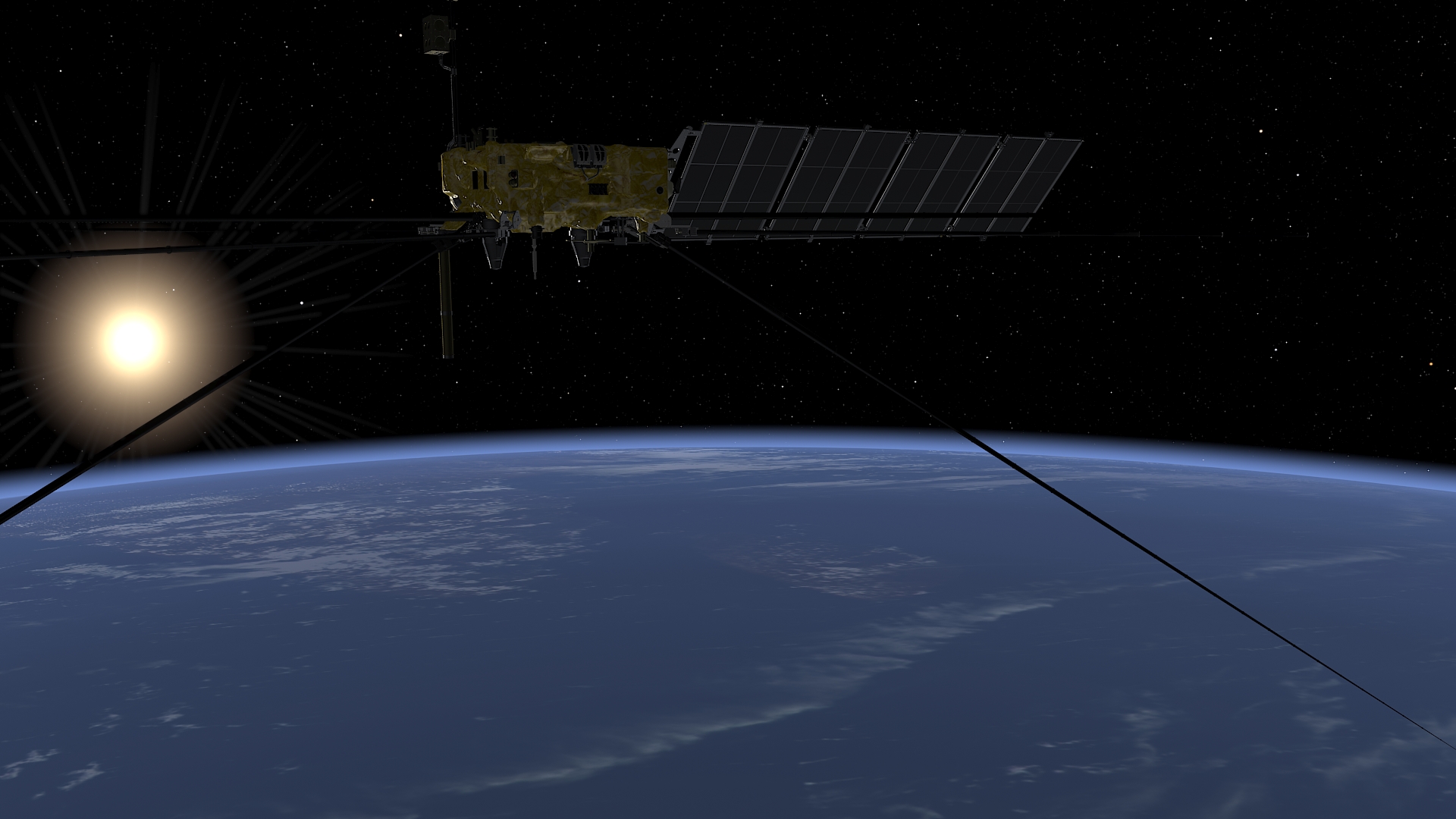
On November 4, 2024, Russia took to the skies with a record-breaking satellite launch from the Vostochny Cosmodrome. A total of 55 satellites were sent into orbit, including two major ones, Ionosfera-M, designed to study the ionosphere (that invisible layer of charged particles around Earth) and keep an eye on space weather.

The remaining 53 satellites? A mixed bag of technology, with Russia teaming up with partners from China, Zimbabwe, and Iran. Roscosmos, the Russian space agency, celebrated its biggest domestic satellite launch to date. Impressive? Sure—but it’s still a long way off from SpaceX’s jaw-dropping record of 143 satellites in one go back in 2021.
Why Does RAF Fylingdales Care About This?
Here’s the deal: more satellites in orbit mean more work for our people at RAF Fylingdales, which keeps tabs on everything whizzing around up there. As part of the UK’s ballistic missile early warning and space surveillance system, Fylingdales monitors space activity to ensure nothing goes bump in the night.
With 55 new players in the orbital game, RAF Fylingdales will be busy cataloging, tracking, and and monitoring; doing what we do best - keeping space safe.
Russia and Iran: Space’s New Power Couple?
The inclusion of Kowsar (a high-resolution imaging satellite) and Hodhod (a communications satellite) signals growing cooperation between Russia and Iran in space. This isn’t their first rodeo either—Russia has launched several Iranian satellites in recent years. Strategic partnerships like this have a habit of raising eyebrows, especially when they could have implications for global security.
The Rocket That Did It
Russia pulled off this feat using the Soyuz-2.1b rocket, a souped-up version of the reliable Soyuz family. This modern workhorse comes with upgraded engines and digital flight systems, making it capable of delivering satellites to orbits as high as 35,786 km—perfect for satellites that need to keep pace with Earth’s rotation.
What Happens Next?
Launching satellites is the easy part—tracking them is where it gets tricky. Right now, these satellites are bunched together like commuters on a packed train, and it can take days or even weeks to untangle who’s who. That’s where teams like ours at RAF Fylingdales shine, using cutting-edge systems to monitor and catalog every new arrival in space.
Why This Launch is a Big Deal
Space is getting crowded. With every new batch of satellites, the job of keeping space safe and secure gets more complex. For RAF Fylingdales, launches like this aren’t just interesting—they’re part of the daily grind. Understanding what’s being launched and why helps the UK and its allies stay ahead in the increasingly competitive (and occasionally tense) realm of space exploration.
This Russian mission isn’t just about sending satellites into orbit—it’s about showing off technology, strengthening alliances, and staking a claim in the ever-expanding space race. For RAF Fylingdales, it’s another reminder that, when it comes to space, there’s no such thing as downtime.


