

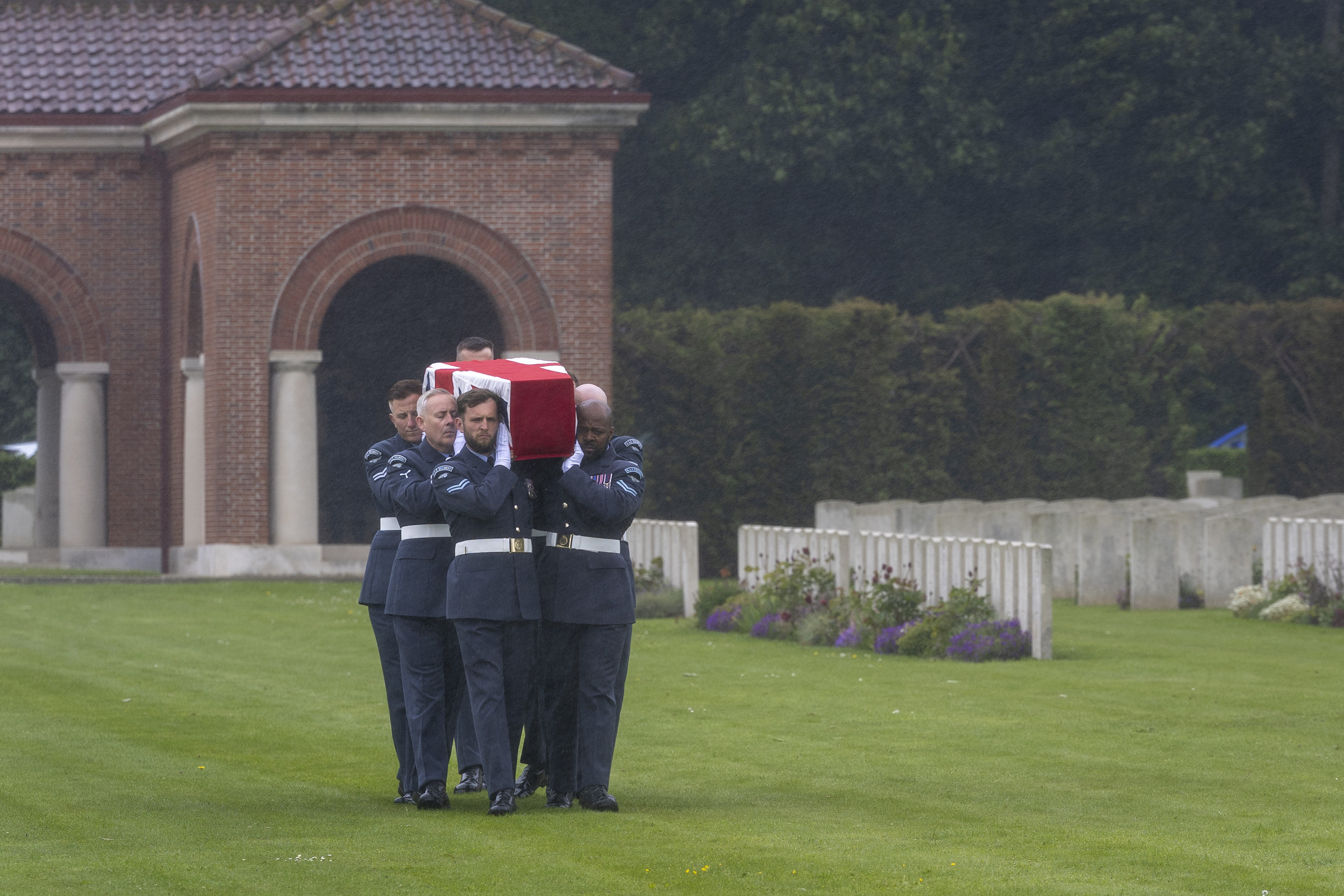
Across the English Channel, RAF and civilian communities feel silent in honour of a fallen World War II pilot, buried exactly 86 years after his death.
Squadron Leader George Morley Fidler, known as Morely to his family, was laid to rest with full military honours in the Commonwealth War Graves Commission London Cemetery and Extension in France. Borne by personnel from RAF Halton and attended by colleagues from 607 (Co of Durham) Squadron of which he was Commanding Officer for just three days, Morley’s funeral service was marked with a simultaneous service of memorial at his Great Ayton village home.
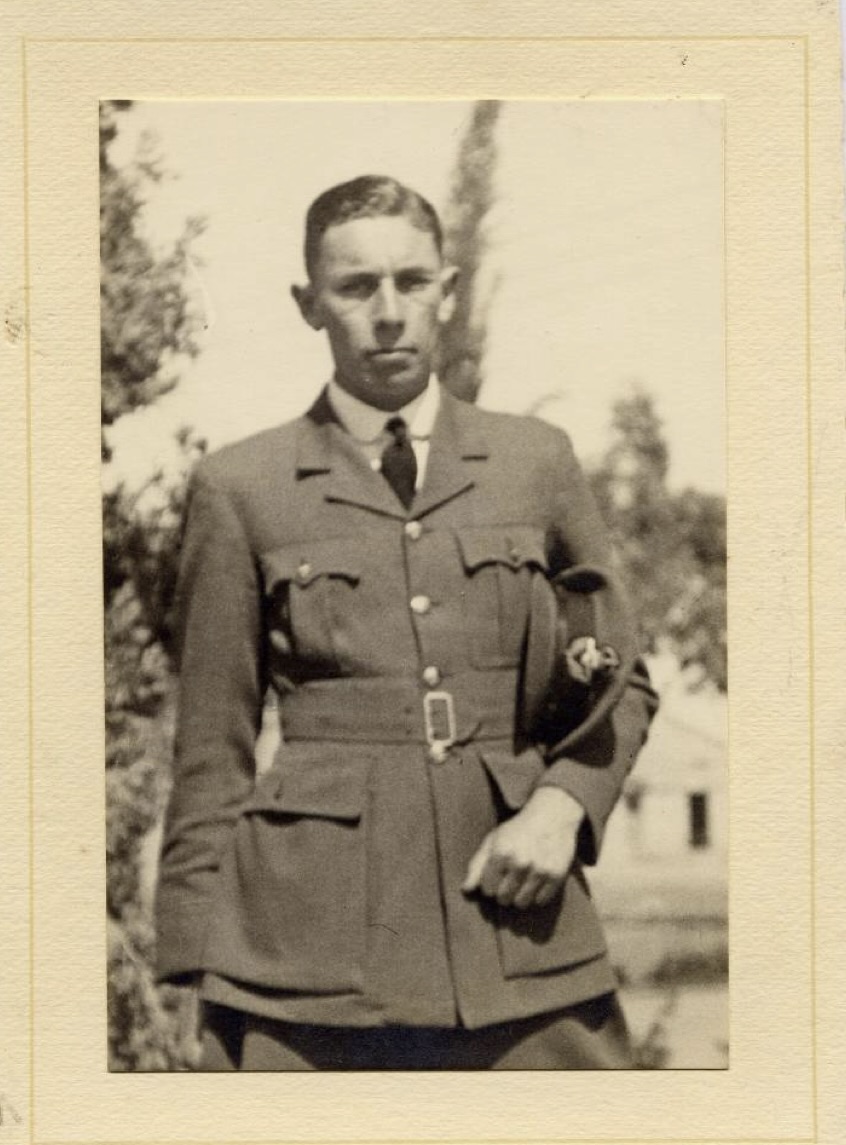
Joining the RAF in 1934, Sqn Ldr Fidler’s career changed dramatically with the declaration of war in 1939. Sent to France as part of the British Expeditionary Force to help to help resist the German threat, he joined 607 (Co of Durham) Squadron, just as they were allocated new Hawker Hunter fighters.
Promoted to Squadron Leader on 16 May 1940, and described as an ‘exceptional’ pilot, Morley had been Commanding Officer of 607 Squadron for mere days when his hurricane was one of several shot down whilst patrolling the skies above Cambrai on 19 May 1940.
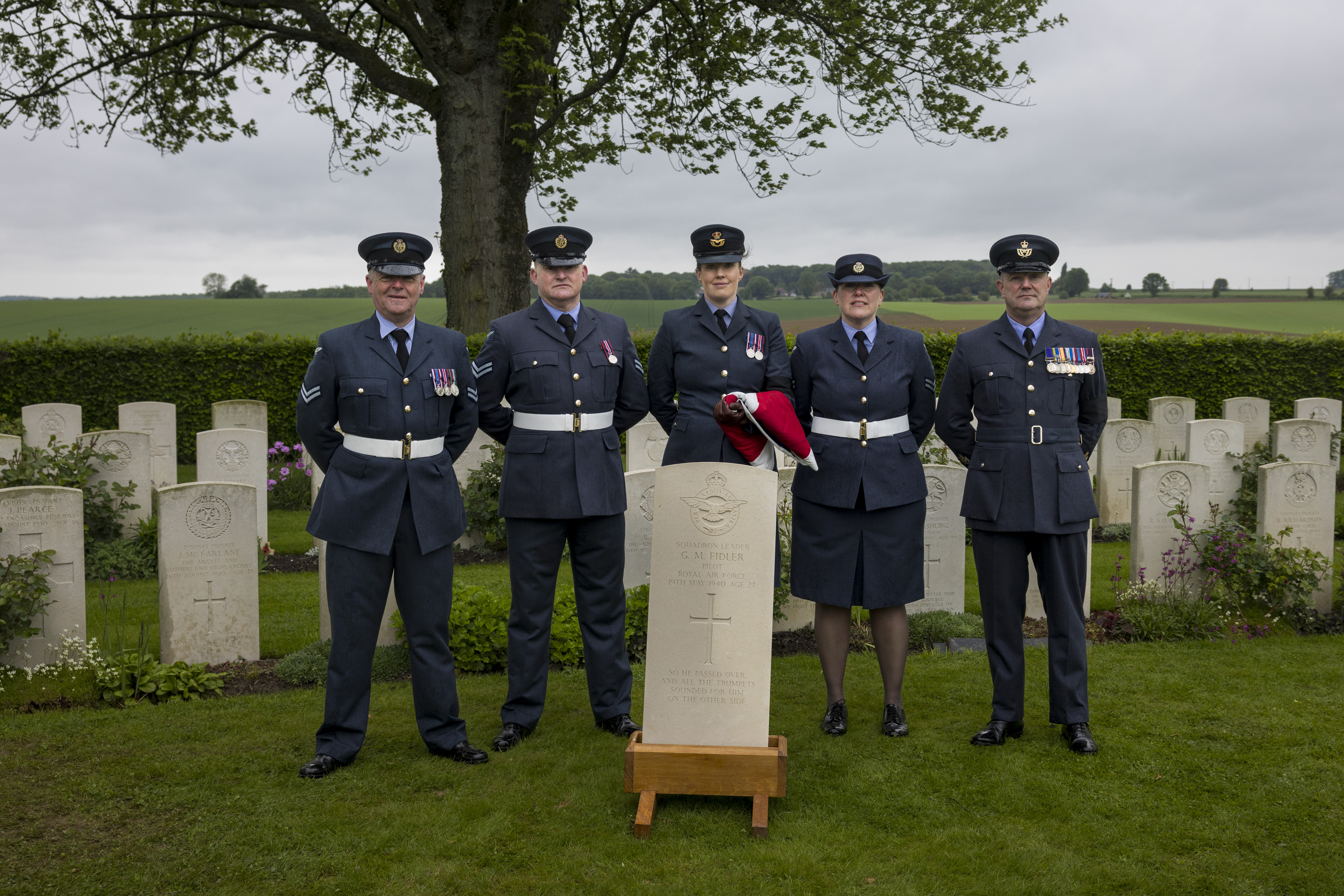
Morley was initially believed to have been recovered in the French village of Bachy, where residents tended lovingly to his grave for many years. However, wreckage recovered in 2005 in Oisy-le-Verger – 35 km away from Bachy – bore the serial number P3535, suggesting it came from Morley’s Hurricane.
Further investigation revealed that authorities at the time of Morley’s death had failed to consider two RAF Sergeants who died on the same day, meaning they could not be certain that the body buried was his. The headstone in Bachy had his name replaced with ‘Unknown Airman’. Sqn Ldr Fidler’s name was added to the memorial to the missing.
But his story did not end there. In 2022, work on the Seine-Nord Canal at Oisy-le-Verger in northern France, unearthed a Hurricane with the pilot still inside near to where Sqn Leader Fidler’s aircraft was last seen. DNA testing conclusively proved it was him.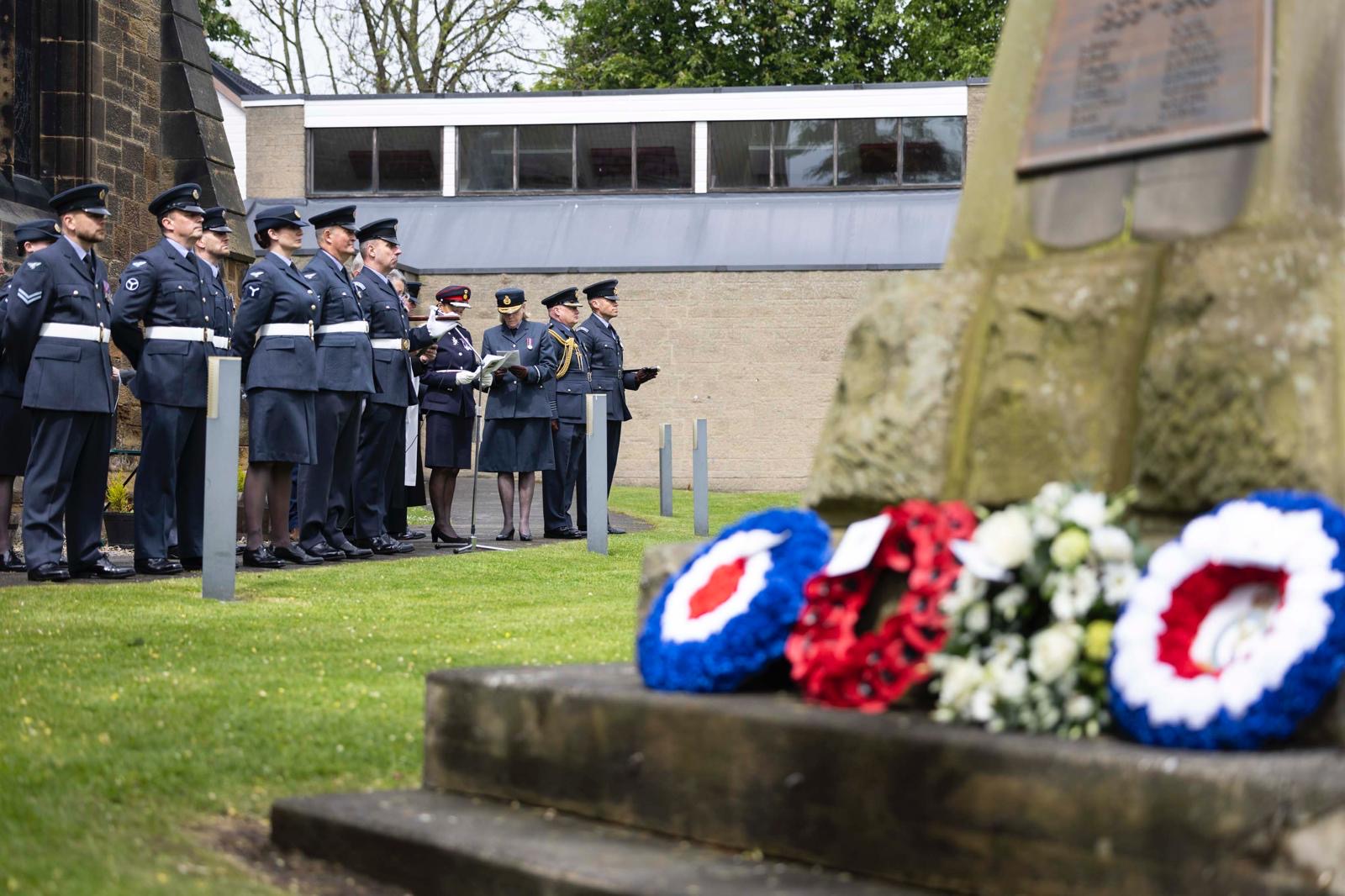
The funeral service organised by MOD’s Joint Casualty and Compassionate Centre (JCCC), also known as the ‘MOD War Detectives’ who work to identify the recovered remains of British military casualties. Nicola Mash of JCCC said: "Although there is no family here today, I like to think that us being here with the RAF represents that close emotional bond. These men made the ultimate sacrifice for the life we live today. Even 86 years later, it’s important that there is still a team looking for them.”
Reading and laying a wreath at the grave of her predecessor was a poignant moment for 607 Squadron’s current Commanding Officer, Squadron Leader Lorna Wythers. She said: “He was my predecessor, his name is on the board in the Squadron, and we walk past that daily so to be here today is such an honour. It’s incredible to think what he did on his own in that cockpit and the Luftwaffe he was up against. He did an absolutely stellar job.”
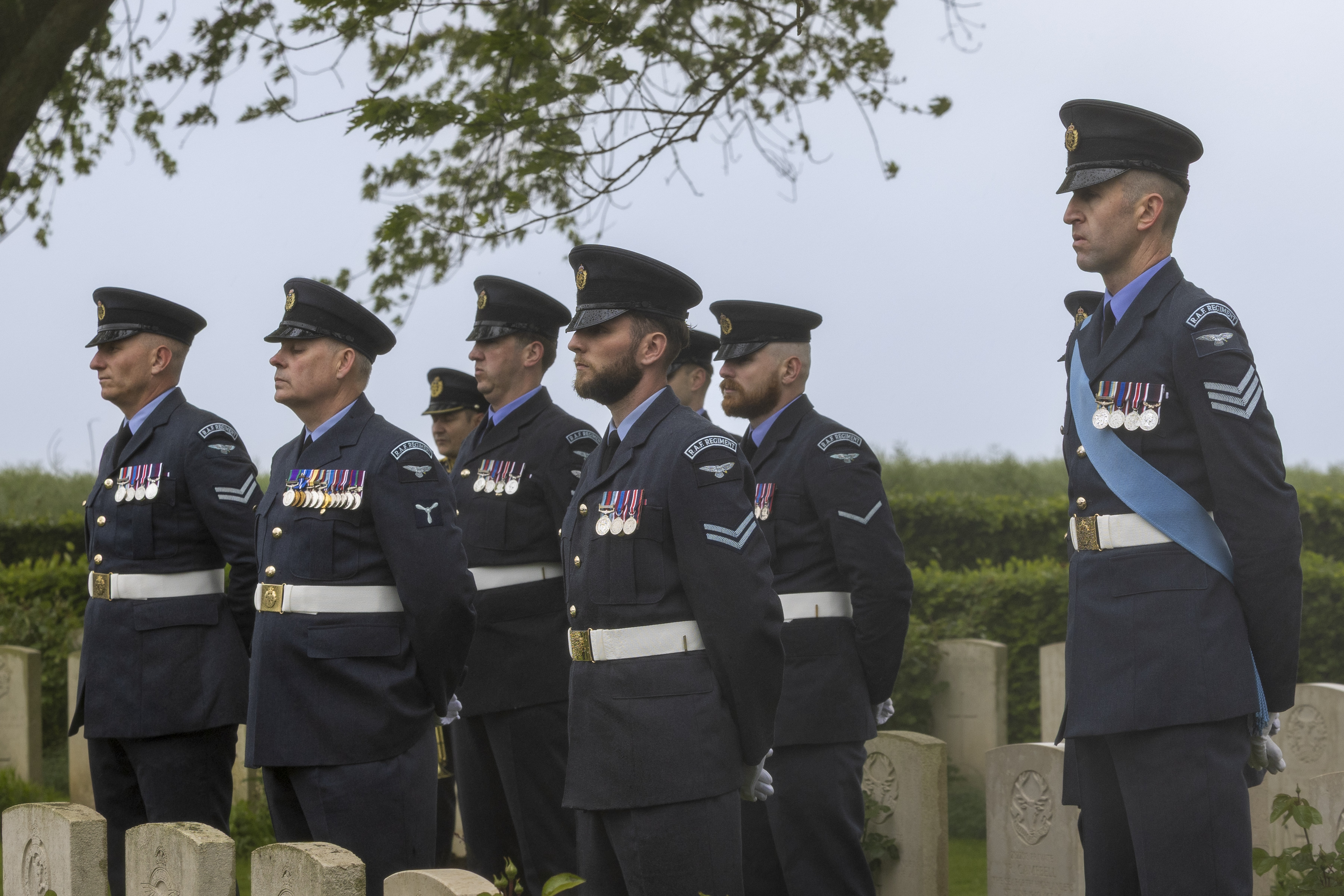
While Sqn Ldr Fidler was being laid to rest, his home community of Great Ayton in North Yorkshire gathered in memory the pilot who fulfilled his lifelong dreams of becoming a pilot when he joined the Royal Air Force. His flying visits to his home of Great Ayton – sometimes looping the loop before landing in a field – made him a local celebrity.
Residents were joined by personnel from RAF Leeming, 607 Squadron, Johanna Ropner, Lord Lieutenant of North Yorkshire and Lady Charlotte Peel, Honorary Air Commodore of 607 Sqn. Revd. Sarah Cliff, Vicar of Great Ayton with Easby and Newton under Roseberry said: “Lives lost have shaped Great Ayton – that’s families not born, children not had. I heard about the funeral a couple of weeks ago and thought we should do something. It’s just grown – people want to know this amazing story and about the care that has been shown since he was found. No life is forgotten.”
Group Captain Geordie Lawson, Station Commander RAF Leeming, said: “It was a great honour and privilege to be here today. Services like this are hugely important to remember the ultimate sacrifice that people like Sqn Ldr Fidler made to give us the freedoms we have today.”


