

The word “Highlands” often paints a picture of beautiful landscapes, rugged mountains, and endless outdoors. But beneath all that beauty is a remote and challenging environment.
And when the hills prove to be unforgiving, hikers often find themselves in need of help from Mountain Rescue Teams (MRT).
Conducting rescues across Scotland, the RAF Lossiemouth MRT are one of three MRT’s left in the RAF. From lost hikers to injured climbers, the team have conducted 13 rescues (as of October) in 2025.
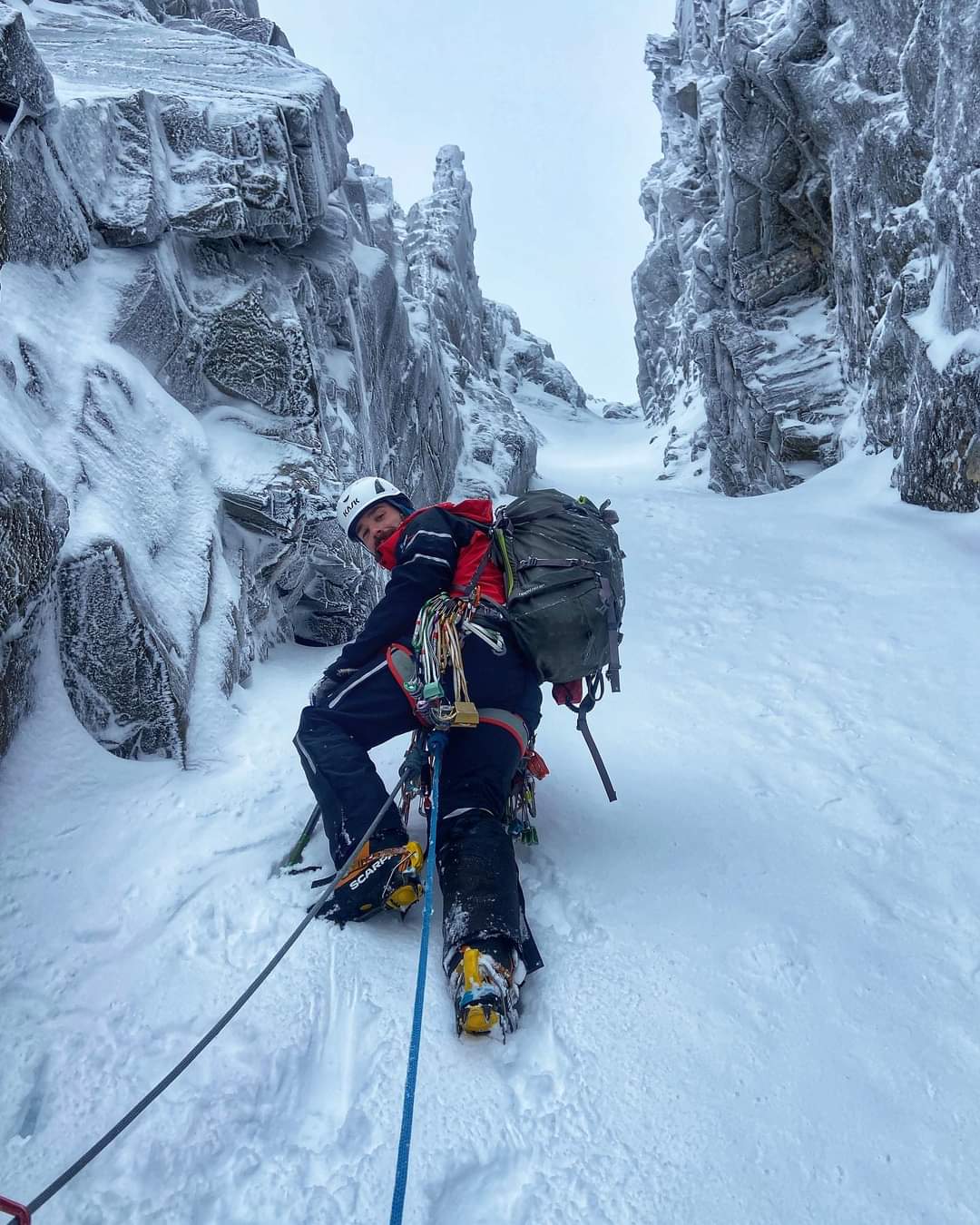
For thrill-seekers and adventurers however, the cold weather and added danger makes the idea of a winter walk up a Ben all the more inviting.
So we asked Sgt Nuttall, Deputy Team Leader of the RAF Lossiemouth MRT, to share his experience of keeping safe to make sure you don't find yourself in need of rescue this winter:
1. What is the most common callout you’ve received/rescue you have had to conduct?
"The most frequent call-outs we receive involve individuals who have gone missing and remain unlocated after the first day of searching. This often occurs due to various factors, such as failing to inform others of their intended route, deviating from the planned path, or seeking shelter because of injury or adverse weather conditions."
2. Where are the locations people should avoid in winter, if they are not experienced in the outdoors?
"Winter conditions can change significantly from day to day, and there is no single rule that applies to all situations. One of the stark differences between winter and summer is the added risk of avalanches, which must play a critical role in your planning process. A great source of information regarding this is the Scottish Avalanche Information Service.
My best advice is that if you are uncertain about the potential hazards, you may encounter or the skills required, consider booking a course or hiring a local guide for a skills day. Organisations such as Mountaineering Scotland or Glenmore Lodge, among others, offer excellent opportunities to gain the necessary knowledge and experience."
3. What are the key items all hikers should take with them in the winter?
"Ensure you carry plenty of fluids and snacks, as winter conditions demand significantly more energy.
Pack spare gloves, hats, base and mid-layers, as your clothing will likely get wet from sweat, snow, or rain. An interchangeable layering system can make the difference between a cold, miserable day and an enjoyable one. Since everyone has different temperature tolerances, take time to experiment and find the layering system that works best for you.
A map and compass are essential tools, along with the knowledge of how to use them effectively. Winter conditions can be particularly harsh on electronic navigation aids, such as phones and GPS devices, making them unreliable. While it is always advisable to carry spare batteries for these devices, a map and compass remain dependable even in the most challenging conditions, as they are not affected by cold or wet weather.
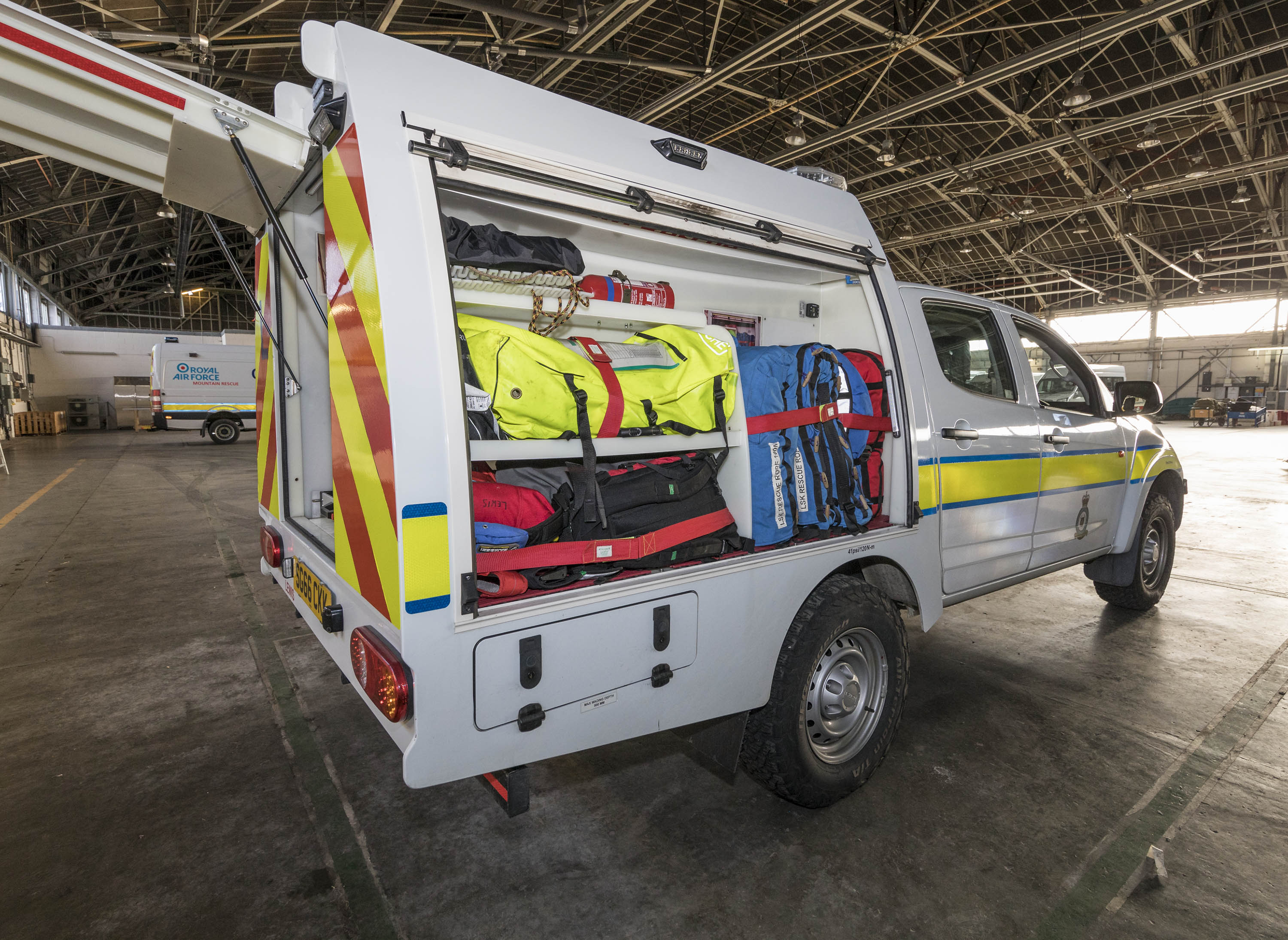
Emergency kit essentials include a first aid kit, group shelter, blizzard tube, whistle, and a head-torch with spare batteries. With limited daylight hours and the constant challenge of staying warm, it’s crucial to prepare thoroughly.
Equip yourself to handle unexpected situations and ensure you have the necessary gear to stay safe until help arrives. This list is just a snapshot of what you’ll need. Attending a course is highly recommended to learn essential skills and gain the knowledge required to manage yourself effectively in winter conditions."
4. If someone finds themselves in a dangerous situation, what should they do?
" If you need assistance, dial 999 and ask for Police and mountain rescue. Be ready to provide as much detail as possible, including your location, the number of people involved, and any injuries sustained. Providing a six-figure grid reference can significantly reduce response time.
You may also receive a message on your phone that helps the mountain rescue team pinpoint your location. Once located, remain in the same spot and use a whistle to attract attention. The call handler will guide you through the entire process."
5. What’s the worst weather situation (cold, rain, snow, wind) that you have been in, and where?
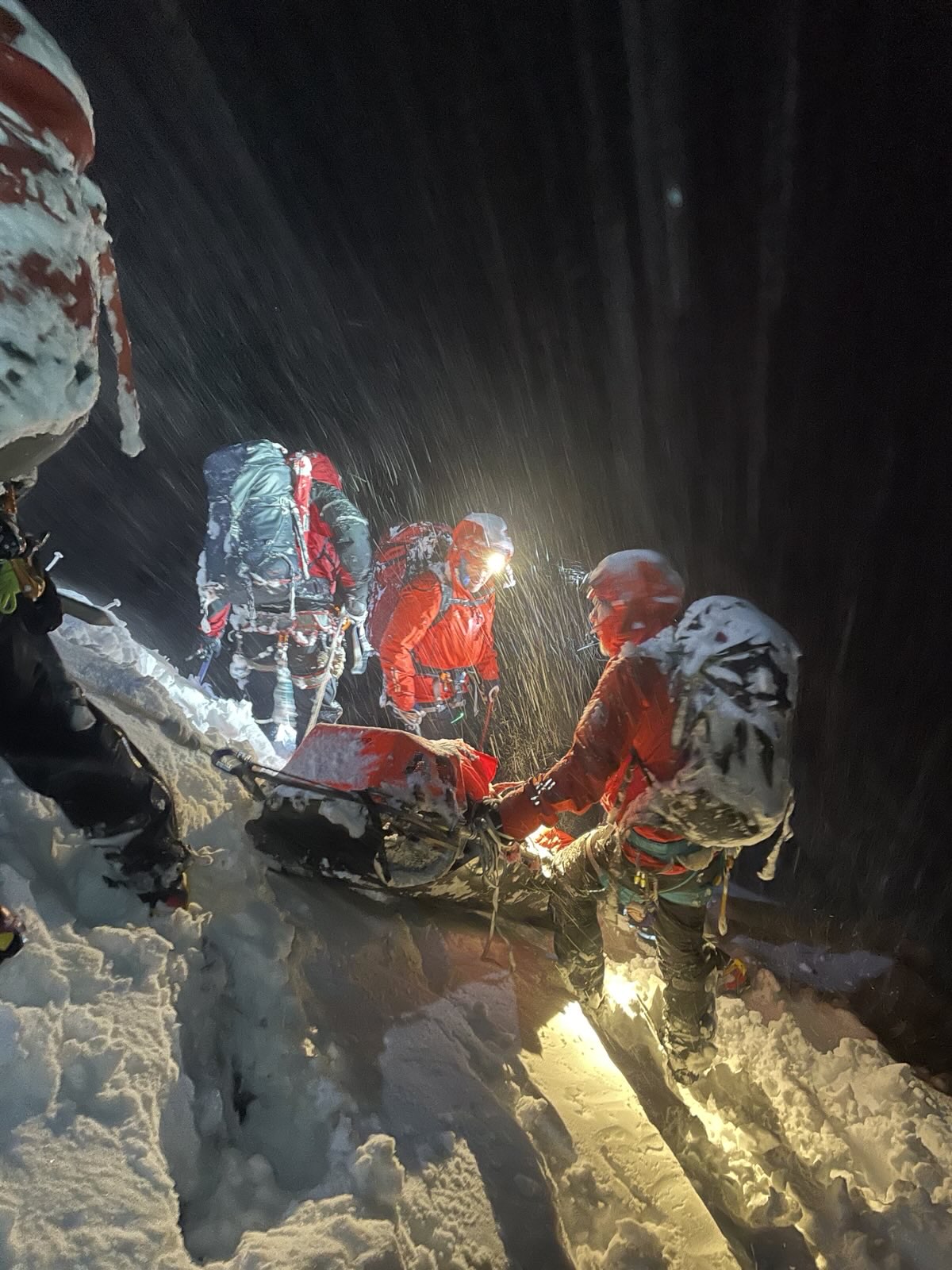
" Some of the worst winter conditions we’ve experienced have been on the Cairngorm Plateau, with gusting winds exceeding 70 mph. Every part of the body must be covered to protect against small fragments of ice and compacted snow being hurled by the wind, all while navigating in low visibility.
Operating in such conditions demands careful thought, not only to manage yourself but also to support those around you. This serves as a stark reminder of the challenging environments we face during searches and underscores the critical importance of checking the weather forecast before heading out."
6. Despite conducting rescues in some dangerous scenarios, you are still in the MRT. What inspires you to keep doing it?
"I enjoy it because of the challenge it brings. No two days are ever the same. One moment you might be checking kit in the section, and the next you’re on the road with blue lights flashing. It’s rare to have a job that aligns with your hobby, but many of us do this out of a love for the hills and the joy of sharing those experiences with like-minded people."
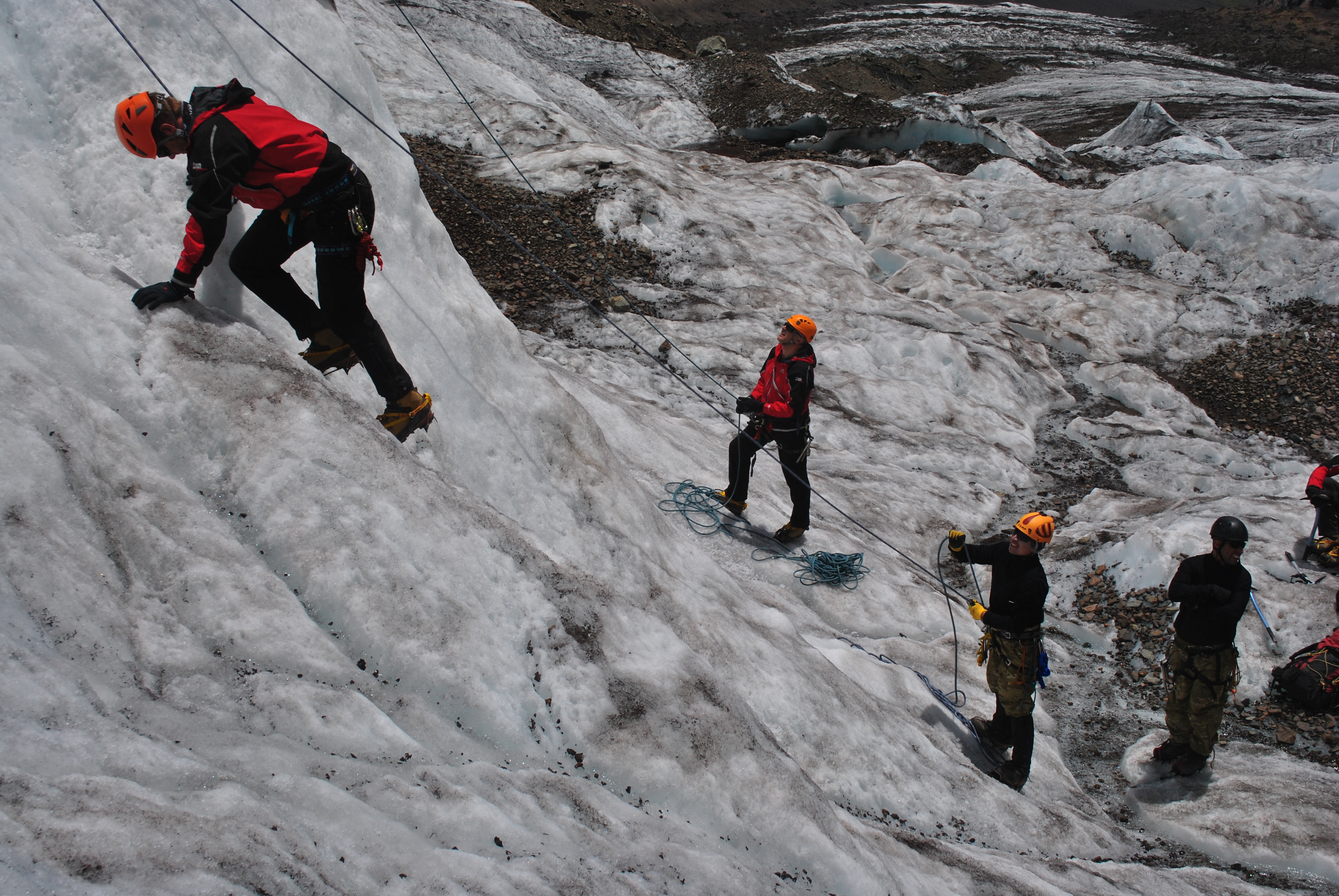
This isn't 9-5 volunteering, our MRT are on-call over the festive period to make sure that all aspiring adventurers make it home safely. If interested, serving personnel can contact their local station to enquire about MRT opportunities within the RAF.
So, what do you think? Are you ready to brave the cold and explore the rugged landscapes Scotland has to offer? Or will you wait for the Scottish summer to return?
Whatever you choose, we hope you have a safe winter season.


