

As 42 (TB) Squadron marks its 110th anniversary we look at an interesting question: when exactly was the Squadron formed? And what did those early years look like?
The official history of the Flying Services in the First World War was written between 1922 and 1937 by W Raleigh and H V Jones.
Whilst writing the book the pair prepared research notes, and one of these states:
‘No 42 Squadron formed at Netheravon on 26 Feb 16 with the reorganisation of the RFC’s training system in 1916’.
However, files held by VI Brigade refer to the Squadron being formed on 1 Apr 16. The formation of the squadron is also referenced by No 19 Squadron:
‘In April 1916 another move was made to Filton, near Bristol and here No 19 gave birth to a new Service Squadron, No 42’.
What we know for sure is that the Squadron had come into existence by April 1916.
---
No 42 (TB) Squadron began World War I using a mix of aircraft inherited from No 19 Squadron, though details about these early planes are scarce.
The squadron deployed to France on 1 July 1916, the day the Battle of the Somme began. They flew BE2d and BE2e aircraft, which were improvements on earlier models but still vulnerable to enemy fighters, earning the grim nickname “Fokker Fodder.”
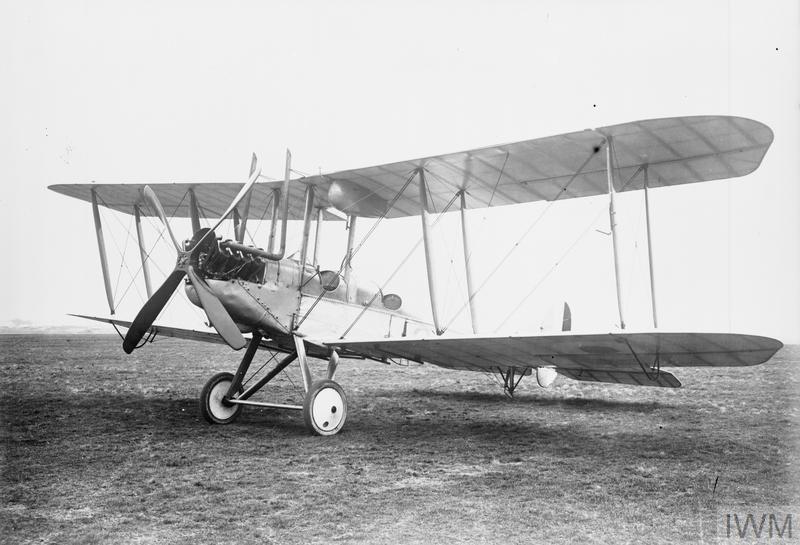
Initially based at Bailleul, the squadron faced difficulties operating from this unsuitable airfield, suffering several crashes during practice flights, though fortunately no crew members were seriously injured.
In September 1916, the squadron moved to La Gorgue, where it focused on artillery cooperation and reconnaissance missions. They also carried out bombing raids, including a notable attack on 6 September alongside No 6 Squadron, dropping 26 bombs on enemy barracks. Sadly, 2nd Lieutenant Cyril Thomas was shot down and died during this raid.
Other raids targeted enemy anti-aircraft guns and supply dumps in October and November. One pilot, 2nd Lieutenant Jameson, was known for his daring low-level flights under heavy fire. After being loaned to another squadron, he was shot down over Ypres in January 1917.
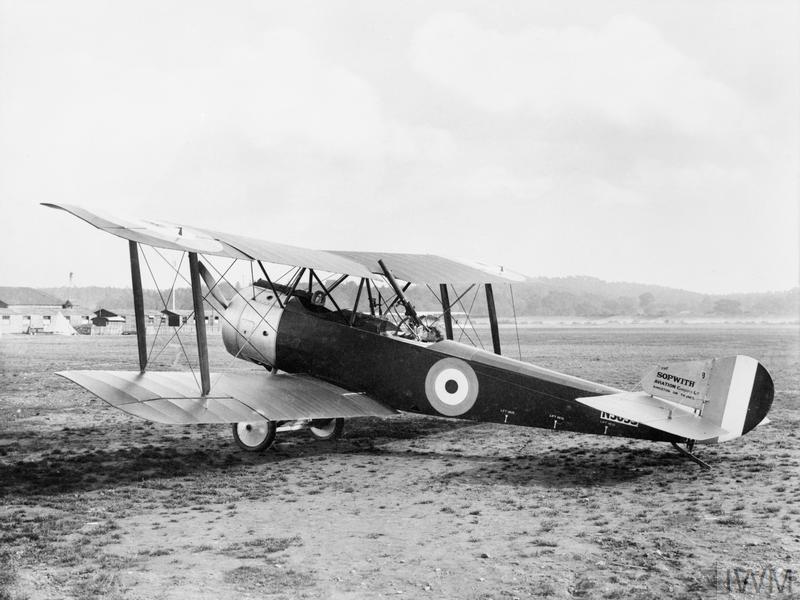
The squadron returned to Bailleul in November 1916, but many records from this period are missing. They continued reconnaissance and artillery spotting missions using updated BE2f and BE2g aircraft, which had improved manoeuvrability. They may also have briefly operated Sopwith 1½ Strutter planes. Eventually, they re-equipped with the more advanced RE8 aircraft, which offered better visibility and armament, with the pilot seated in front of the observer and a fixed forward-firing gun.
In late 1917, following a collapse on the Italian front, No 42 Squadron relocated to Italy, resuming operations in support of the army and conducted long-range reconnaissance. The squadron successfully attacked the San Felice airfield in December 1917, destroying a hangar and forcing the enemy to abandon the base. They lost only one aircraft in Italy, whose crew were captured.
As the Italians regained ground and Germany prepared a new offensive in France, the Squadron returned to the Western Front, based near Bethune. They supported efforts to halt the German advance by bombing and strafing ground targets, despite their aircraft being ill-suited for such tasks.
In April 1918, during the intense 4th Battle of Ypres, the squadron flew dangerous low-level missions under heavy fire, suffering its worst losses of the war. Several crew members were wounded or killed, but their bravery earned them military honours. The squadron was forced to evacuate temporarily but returned as the Allies pushed forward.

In the final months of the war, the squadron continued reconnaissance and combat missions, occasionally facing attacks from advanced German fighters. One notable incident involved a crew being attacked by eight enemy aircraft; despite being hit and running low on ammunition, they managed to shoot down an attacker and return safely.
No 42 (TB) Sqn returned to the UK in February 1919. By then, it was a shadow of its former self, lacking aircraft and equipment. The squadron was officially disbanded in June 1919.
---
Though officially described as having “done sound work in France,” this understated phrase hardly captures the courage and significant contributions the squadron made throughout the war.
Despite the foggy founding date and turbulent start for personnel and aircraft, 42 (TB) Sqn has endured 110 years of disbandment, reformation, loss, and success.
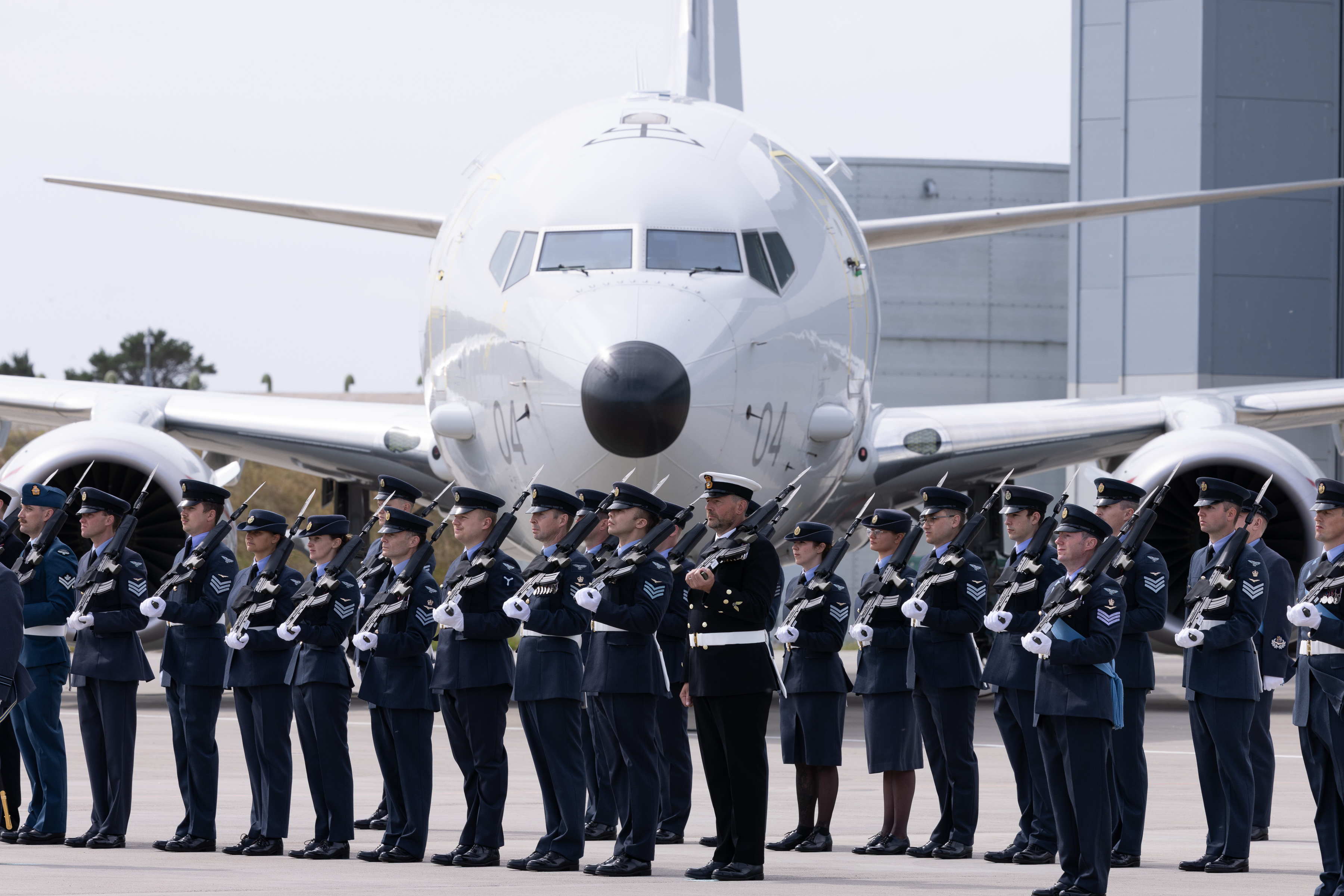
Today they are based at RAF Lossiemouth, training the future aircrews of the Poseidon and Wedgetail aircraft. As we celebrate 110-years, we remember everyone who has shaped the Squadron that 42 (TB) are today.
Fortiter In Re.


