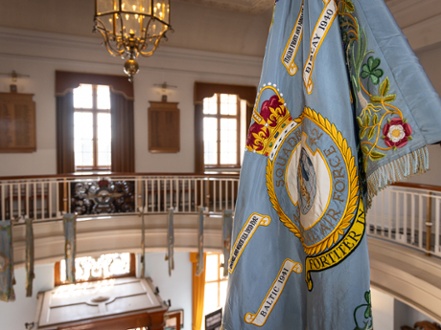
2026 marks the 110th Anniversary of 42 (TB) Squadron.
As part of our celebrations, every month we will be publishing key moments from the squadron’s history and information on the aircraft it has operated.
Kicking off this series; our Station Historian, Sgt Le Huquet, has been researching the Avro Shackleton, an aircraft which brought both good and tough times to the squadron…
-----------
On the 28th of June 1952, after a period of dormancy, No 42 (Torpedo Bomber) Squadron reformed at RAF St Eval in Cornwall, equipped with three Shackleton Mk 1 aircraft.
Avro Shackletons were the last in the lineage of the Avro Manchester, which also included the Lancaster, and Lincoln, bombers.
They shared features of their forebears; taking the wings of the Lincoln, engines from the Tudor, and married them to a new fuselage specially designed for maritime operations.
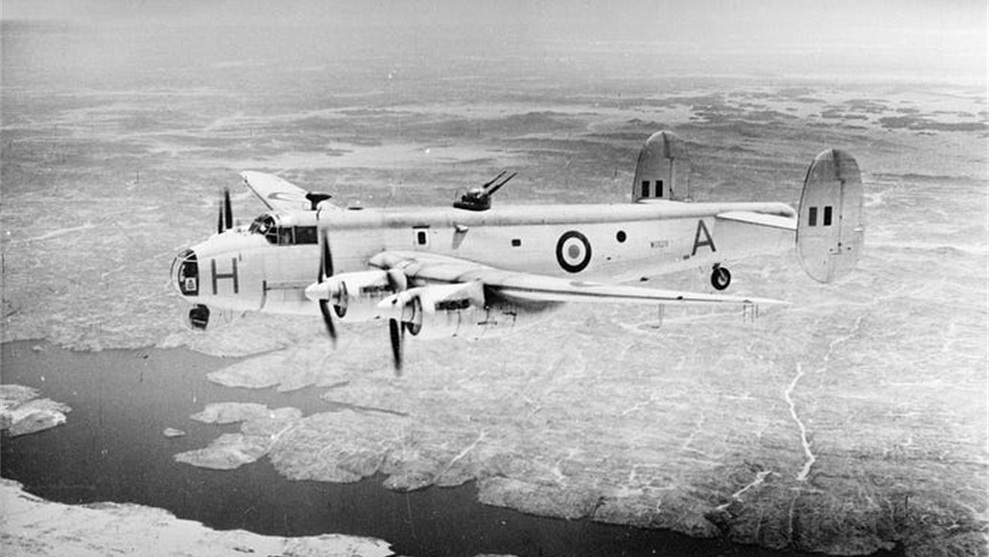
Things got off to a slow start for the Shackleton due to poor serviceability. Despite this, the Squadron conducted several long-distance flights and fatigue tests flying sorties of up to 15 hours. These tests aimed at soundproofing the aircraft.
As well as maritime operations, the Squadron held Search and Rescue commitments for 2 weeks a month.
On the 11th of January 1955 the squadron experienced its blackest day when Shackleton’s WG531 and WL743 failed to return from patrols off the Fastnet Rock.
There are few known facts surrounding their loss aside from both aircraft taking off in poor weather and proceeding to their patrol areas. During what would be their final check-ins, the aircraft were approximately 85 miles apart. Despite 3 days of extensive searches no trace of either aircraft was found.
It would be 11 years later that a trawler recovered one of the engines in it’s net, but aside from this the only known fact is that the lives of all 18 crew members were lost.
In June of that same year, the squadron started employing their aircraft in a troop-carrying role, with 22 passengers on a flight to Malta. The trials proved timely as the following year the squadron transported members of the Parachute Brigade to Cyprus following the EOKA terrorist uprising.
42 (TB) Sqn continued to expand its capabilities by practicing medium level bombing and supply dropping so it could undertake ‘Colonial Policing’ duties for the next 2 years.

The squadron’s deployment to Aden in January 1957 would see them working with the Venoms of 8 Sqn. During this detachment they conducted patrols over both land and sea, conducting photography and leaflet dropping sorties.
Later that year the Squadron deployed en-masse to Khormaksar following the Iraq coup. During this detachment, the squadron was tasked with heavy bombing using 1,000lb bombs for 3 weeks.
On their return the squadron relocated to St Mawgan, and embarked on their final operation of the year - airlifting troops from Nicosia to the UK.
1959 saw the squadron returning to a maritime role and participating in intense anti-submarine exercises.
The fleet were grounded however, when a fault was found in a number of Shackleton wing spars. Once aircraft were modified, flying recommenced with 42 (TB) Sqn participating in a number of search and rescue missions.
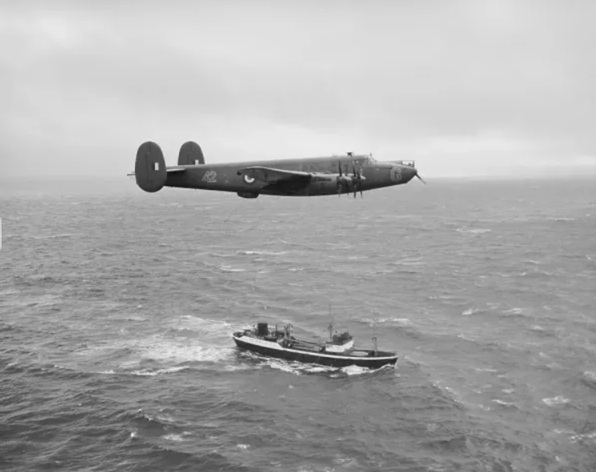
Proof of the squadron’s prestige came when it was the first Squadron to be awarded the Coastal Command Inter Squadron Award in 1960 for the 3rd consecutive year.
When a hurricane devastated Belize the squadron was sent to help, and in 2 months, the Squadron had transported over 335,000 lbs of freight and 1050 persons.
Following this detachment the squadron’s focus along with that of the nation slowly shifted from policing empire to combating the threat posed by the Soviet Navy. As a result, in July 1962 the squadron was detached to Kinloss to monitor a Soviet naval group which was operating North of the UK.
In its final years with the aircraft, the squadron achieved some notable successes including the Christmas mail being dropped to an Ocean Weather Ship in 1963, and the escorting of Sir Francis Chichester in Gipsy Moth IV as he completed his round the world voyage.
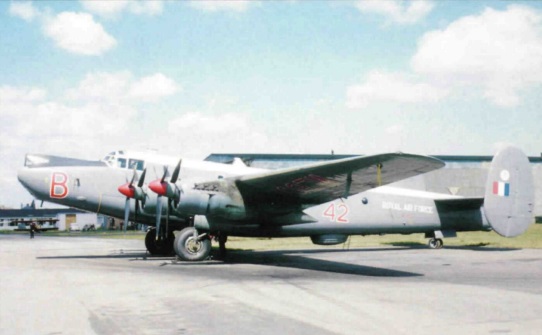
By 1971 the time had come to move on from the Shackleton, with the squadrons first crews attending the Nimrod Conversion Course with No 236 OCU.
By August, the squadron had completed its conversion and the final Shackleton flight occurred on 23 Sep 71 when Flt Lt Hughes and his crew flew Shackleton Mk 3 XF703 to Henlow.
This would mark the end of the 'Shackleton Years' for 42 (TB) Sqn.
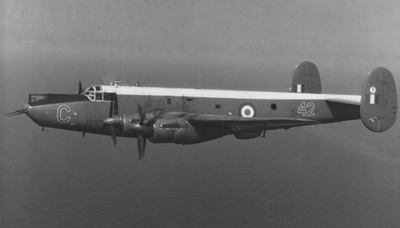
The 'Shackleton Years'
1952 - 1971