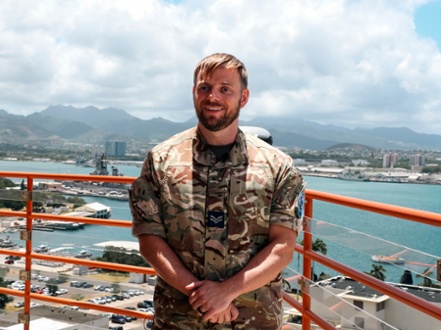
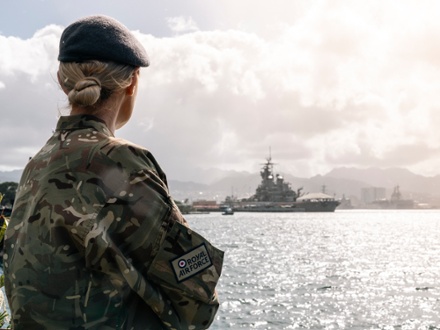
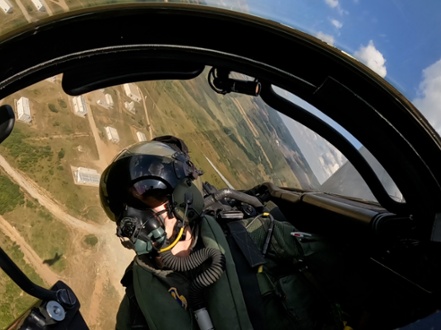
Flight Lieutenant Perry from Tactical Medical Wing at RAF Brize Norton and Squadron Leader ‘Morgs’, the Senior Medical Planner for Rim of the Pacific (RIMPAC) 2026, are deployed to Hawaii as part of the multinational medical planning team. Supporting the world's largest international maritime exercise, they work alongside allies to coordinate medical support across air, land and maritime operations, ensuring commanders have the medical advice and support needed throughout the exercise.
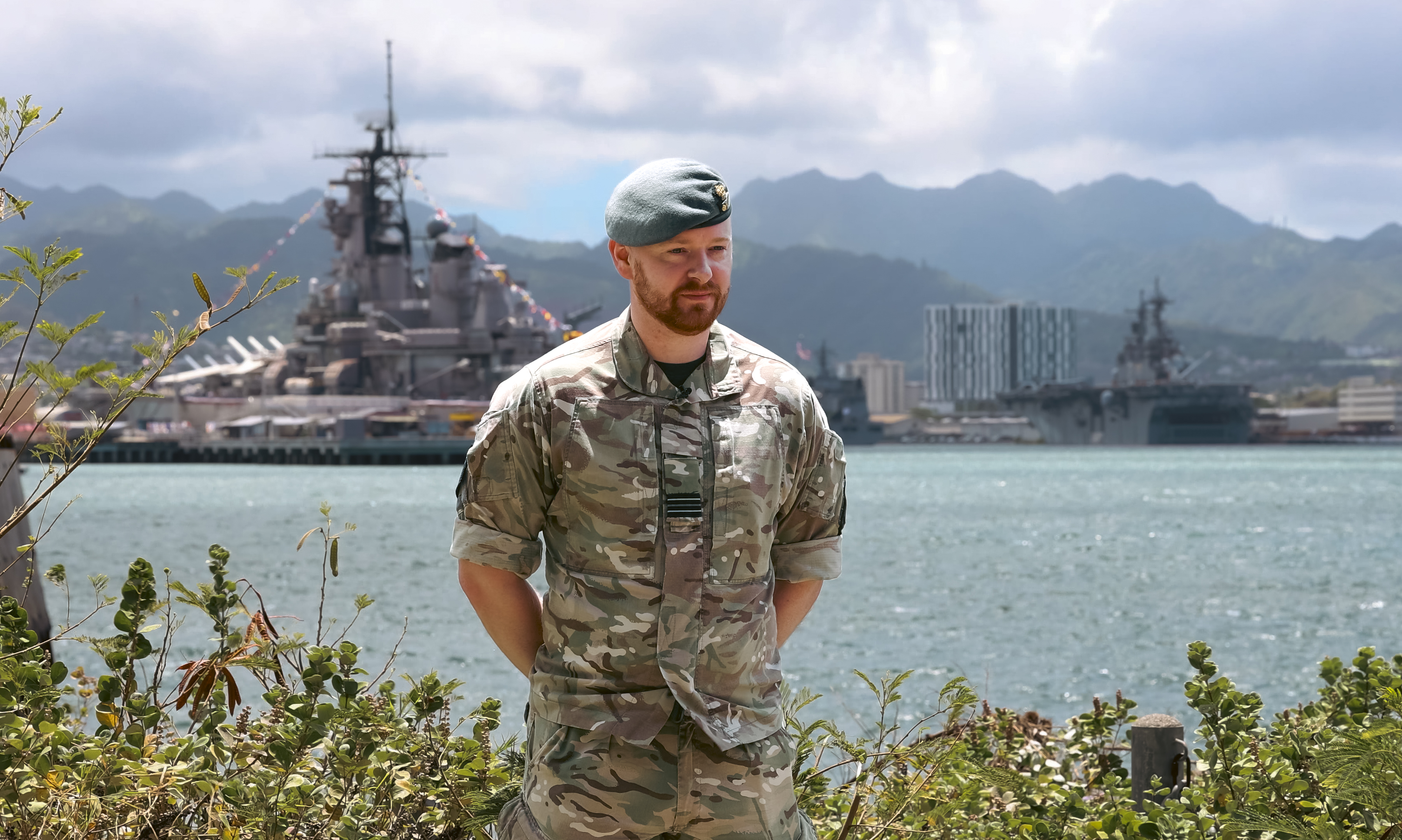
Hear from Perry and Morgs
Perry: “Our role is to oversee all medical air assets taking part. We coordinate patient evacuations from ship to shore, on land, or anything in between, while feeding the medical picture back to the three-star headquarters to inform senior decision-making.”
Morgs: “We support both exercise activity and real-world medical incidents whenever they are required during RIMPAC. We have dealt with a real-life infectious disease case early, which had the potential to impact the operational capability of one critical player taking part.”
The pair explained that the exercise covers an enormous range of potential scenarios.
Perry: “If you can think of it, there’s probably going to be a scenario involving it.”
For both officers, the real value of RIMPAC is the opportunity to strengthen multinational partnerships and improve interoperability between allied medical forces.
Morgs: “The most important thing is becoming more integrated and interoperable as a medical force across so many different nations.”
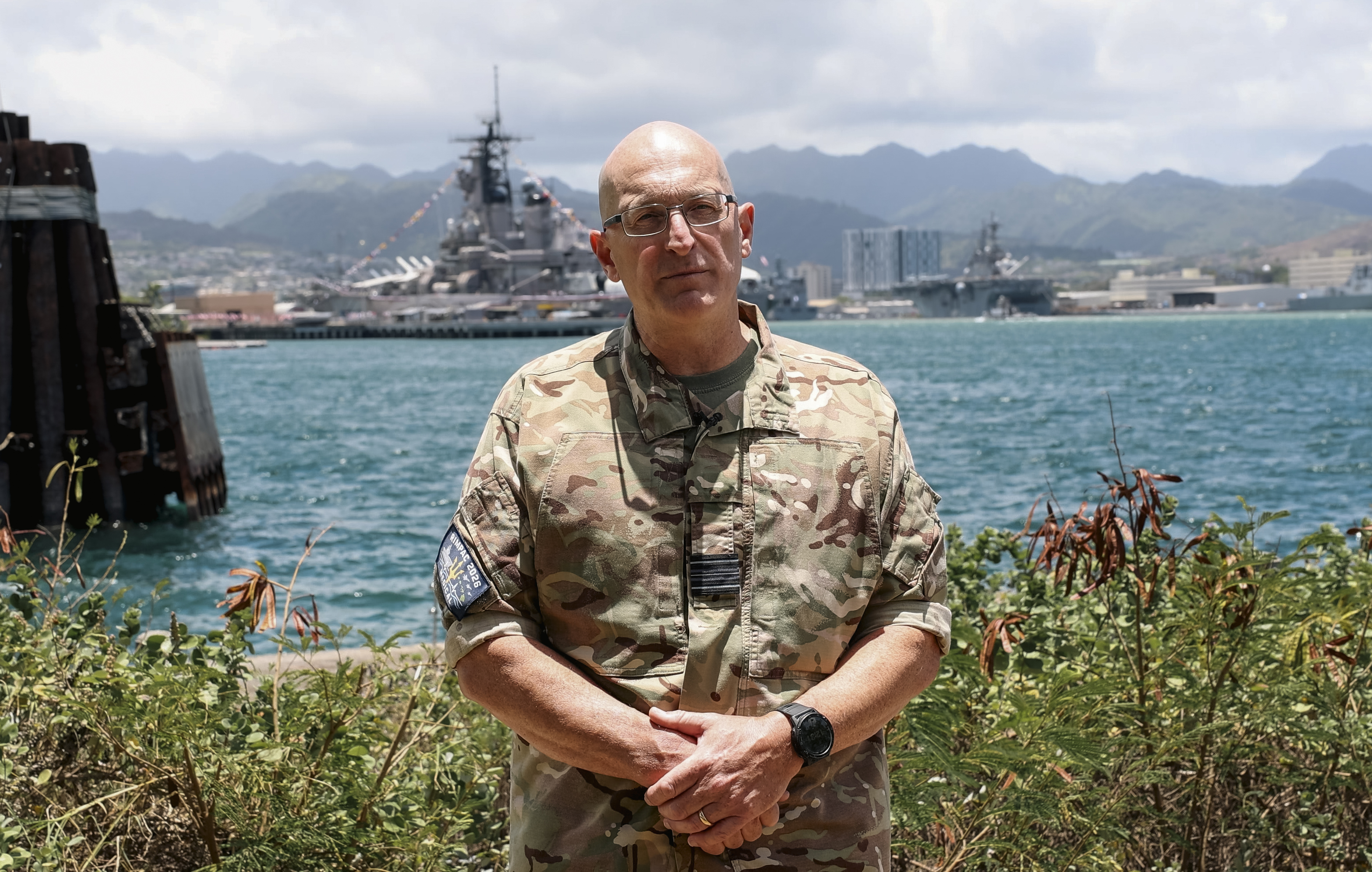
Perry: “We all operate differently. Understanding how our partners work means we can integrate equipment, personnel and procedures effectively. Ultimately, that’s what allows us to achieve mission success together.”
That collaboration becomes particularly important during disaster relief and humanitarian operations.
Morgs: “As history tells us, major disasters often require a multinational response. The more we can integrate, communicate and deliver as a multinational force, the better we’ll be able to help people when crises and disaster situations arise.”
Drawing on his environmental health background, Morgs says there are lessons that go beyond traditional medical planning.