Modern warfare is changing fast. The rise of attack drones and increasingly sophisticated air threats means that controlling the skies has never been more critical to national security, and that requires a level of training that matches the scale of the challenge.
Today's fast jet pilots are far more than skilled aviators. They are battlespace managers. Processing real-time data from onboard sensors, coordinating with allied aircraft and ground forces simultaneously, and making split-second decisions that can determine the outcome of an engagement.
Ensuring they are fully qualified to do that, with live weapons, is exactly what Combat Archer is designed to achieve.
What is Combat Archer?
Combat Archer is an annual air-to-air weapons evaluation run by U.S. Air Forces in Europe and Africa. This year it was hosted by RAF Lakenheath, bringing together pilots from the USAF's 492nd and 493rd Fighter Squadrons and the 83rd Fighter Weapons Squadron, based at Tyndall Air Force Base in Florida, alongside RAF counterparts from 29 and 207 Squadrons.
The exercise certifies pilots in the live use of air-to-air weapons systems before they are cleared for real-world operations. That certification matters: it is the difference between a pilot who has trained under realistic conditions and one who has not.
How the exercise works
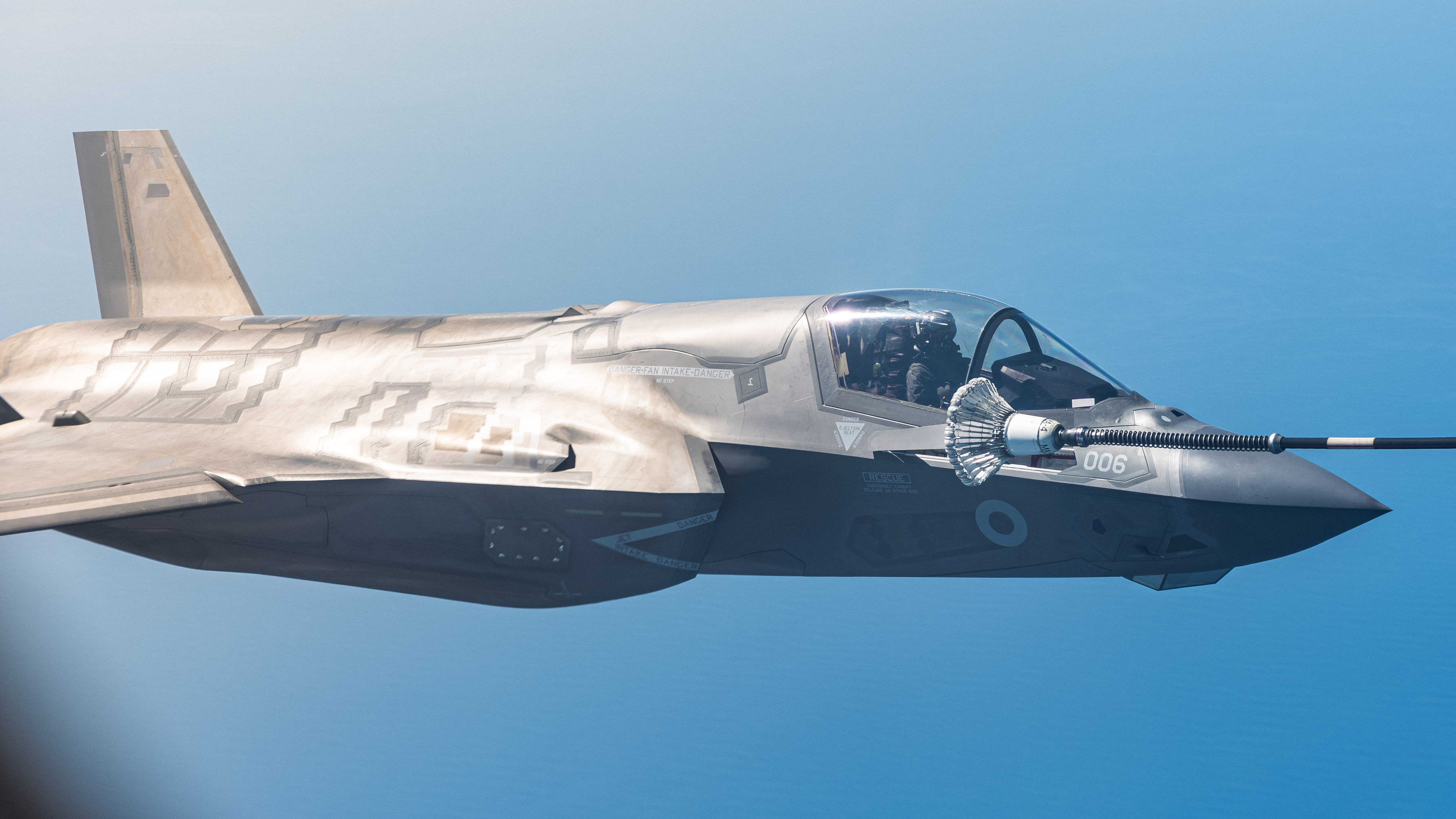
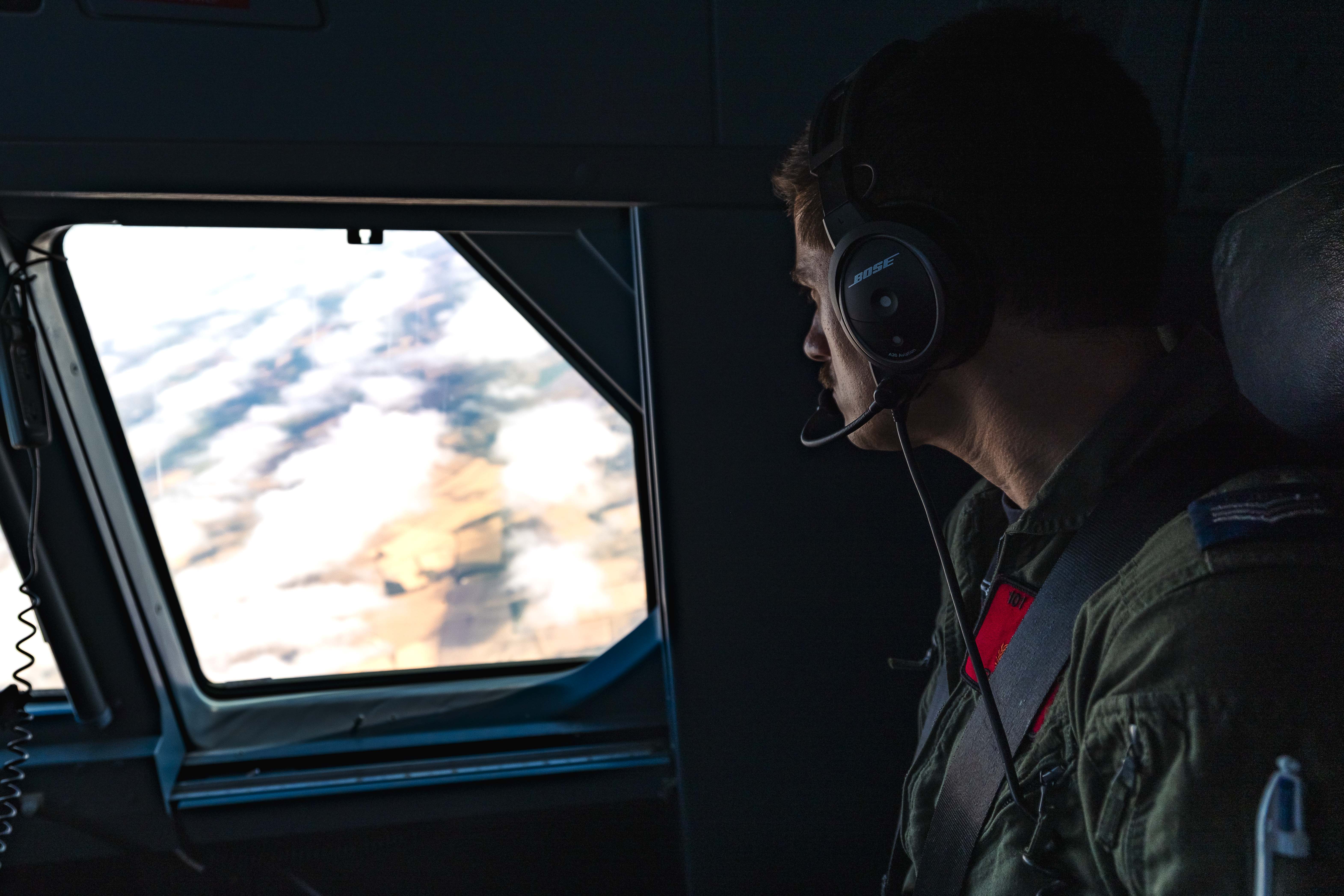
Supported by KC-135 refuelling tankers from the 100th Air Refuelling Wing at RAF Mildenhall, pilots flew both UK and US F-35Bs and Typhoons on live-fire training missions over Northern Scotland, including the Outer Hebrides and Aberporth ranges. These are not simulations. Aircraft, weapons systems, and pilots are all put under genuine operational pressure.
Training alongside NATO allies is a deliberate part of the design. When different air forces operate together, they need to communicate, coordinate, and respond as one. Combat Archer builds exactly that kind of interoperability, tested and verified rather than simply assumed.
Why it matters for the UK
Exercises like this have a direct bearing on Britain's national security. A certified, interoperable force, trained with allies and ready to respond, is one of the most effective tools available for deterring threats before they escalate. The UK's defence relationships, particularly with the United States and NATO partners, depend on that readiness being real and demonstrable, not just on paper.
The RAF remains agile, integrated and ready.