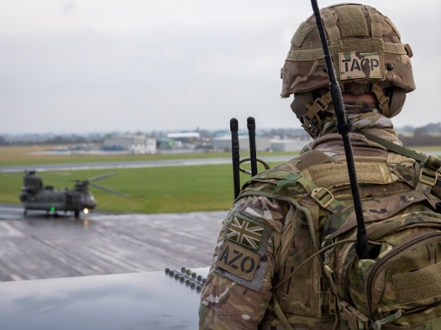
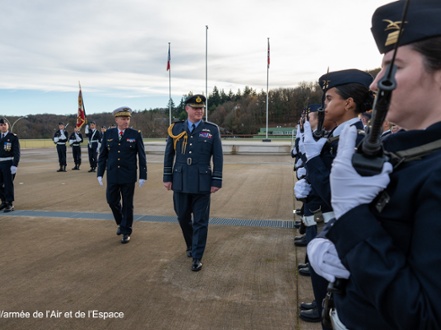
When our allies need support fast, the RAF’s job is simple: get people and equipment where they need to be, safely and at speed. Exercise Orion, held in France with more than 2,000 British, French and Italian personnel, was a clear example of that in practice.
For the RAF’s A400M Atlas crews, the task was straightforward but demanding - deliver the main force, the equipment and the supplies that keep an operation moving. No fuss. No noise. Just doing the job properly.
A Practical Test of Real‑World Problems
Orion wasn’t designed as an abstract scenario. It mirrored the kind of real issues our partners face now - instability, insurgency and the risk of aggression on Europe’s borders.
In the early hours, British and French planners set up a joint headquarters, building a workable plan with the time and information they had. Meanwhile, reconnaissance teams from the UK Pathfinders and France’s Groupe Commando Parachutiste jumped in quietly under freefall parachutes to clear the way for the main force.
Their task:
- Remove threats on the ground
- Secure the drop zone
- Mark the area so the RAF could deliver the rest of the operation safely
RAF A400Ms: Moving What Matters
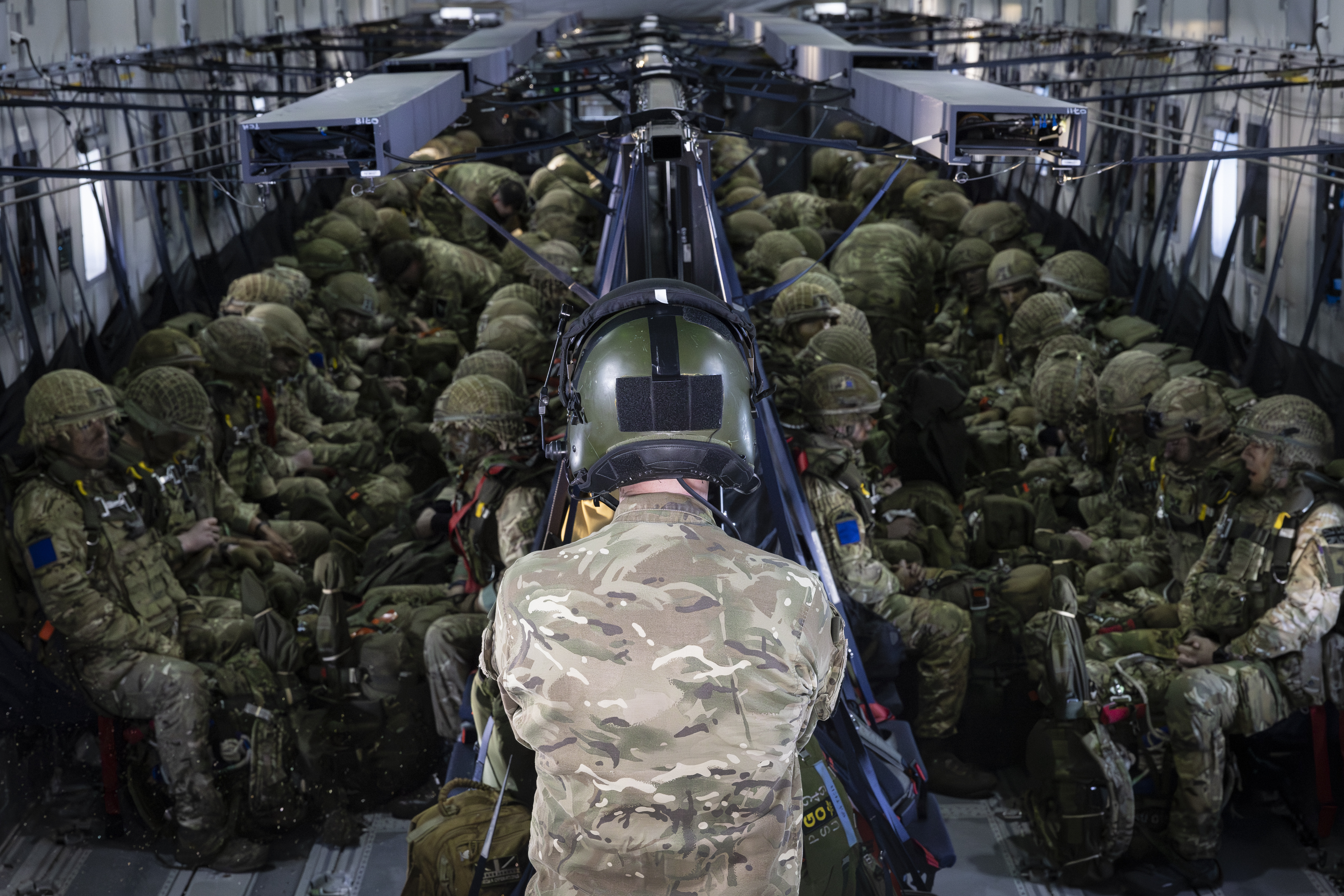
Once the route was clear, the RAF delivered the bulk of the force using two A400M Atlas aircraft - the same aircraft used routinely around the world to support UK operations and humanitarian missions.
- The first Atlas carried British and French paratroopers ready to move straight into the fight.
- The second delivered vehicles and 18 tonnes of rations, ammunition and equipment by parachute - the things soldiers actually rely on when they hit the ground.
“Our crews delivered long‑range, precision air mobility at pace - putting paratroopers, equipment and essential stores exactly where they were needed.”
An RAF Pilot involved in Exercise Orion.
Working With Partners
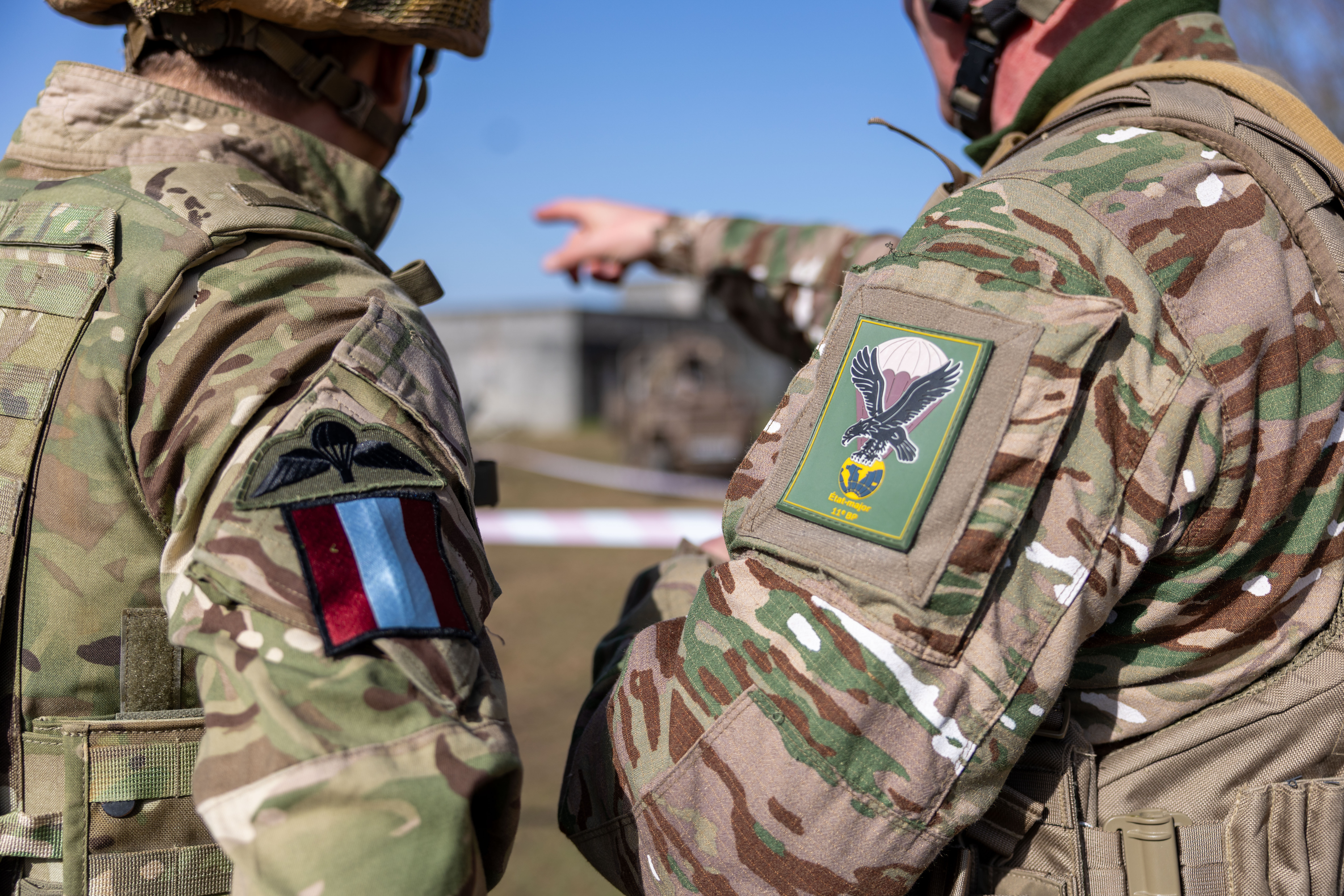
The UK and France have trained to deploy together for over a decade. Orion showed how far that partnership has come - from planning, to the jump, to securing ground and pushing into the scenario.
The involvement of an Italian airborne platoon reinforced something important: NATO operations rarely involve one nation acting alone.
When our partners step up, the UK steps up with them. Good relationships, shared standards, and joint training matter because they save time when time is limited.
Training That Leads Somewhere
Orion isn’t a standalone event. It builds on the RAF’s work during Exercise Hyperion Storm and prepares the Service for a significant responsibility: from July 2026, the RAF’s Special Operations Air Task Group will help lead NATO’s Allied Reaction Force Special Operations Component.
That role isn’t about headlines - it’s about trust. Other nations need confidence that the UK can move at pace, work alongside them, and deliver when conditions are difficult. Exercises like Orion prove that in measurable ways.