On 6 July, the Royal Air Force and Iceland mark 80 years since Reykjavík Airport was formally handed back to the Icelandic Government - a milestone that celebrates not just the end of Britain’s presence in Iceland, but the beginning of one of the RAF’s longest-standing international defence partnerships.
Eight decades later, as RAF personnel operate alongside the Icelandic Coast Guard and NATO Allies across the North Atlantic and High North, that relationship remains as relevant today as it was at the end of the Second World War.
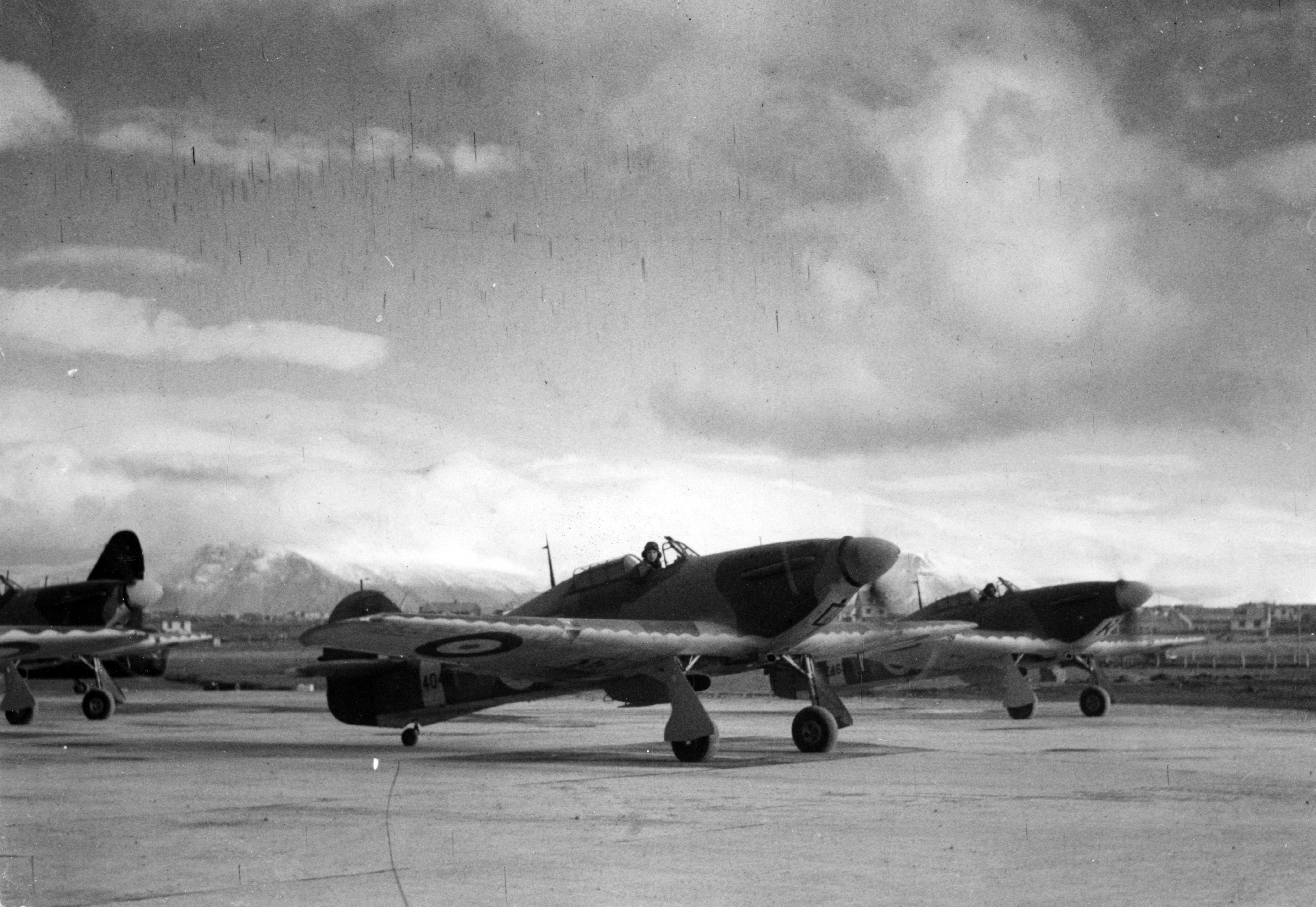
The partnership began during one of history’s most critical campaigns. Following the British occupation of Iceland in 1940, British forces developed what became RAF Reykjavík at Vatnsmýri, transforming the airfield into a vital Allied operating base. Throughout the Second World War, RAF aircraft and personnel helped protect the North Atlantic convoy routes, supported anti-submarine operations and maintained the vital air bridge linking North America and Europe. The airfield became an indispensable part of the Allied war effort, ensuring troops, aircraft and supplies could move safely across the Atlantic.
Following victory in Europe, the RAF formally handed Reykjavík Airport to the Icelandic Government on 6 July 1946. During a ceremonial transfer, the British Ambassador presented Iceland’s Prime Minister with a symbolic silver key, marking the beginning of a new relationship built not on permanent military presence, but on cooperation, mutual trust and collective security.
Today, Reykjavík Airport continues to serve Iceland, standing as a lasting reminder of the close relationship forged between the two nations more than 80 years ago.
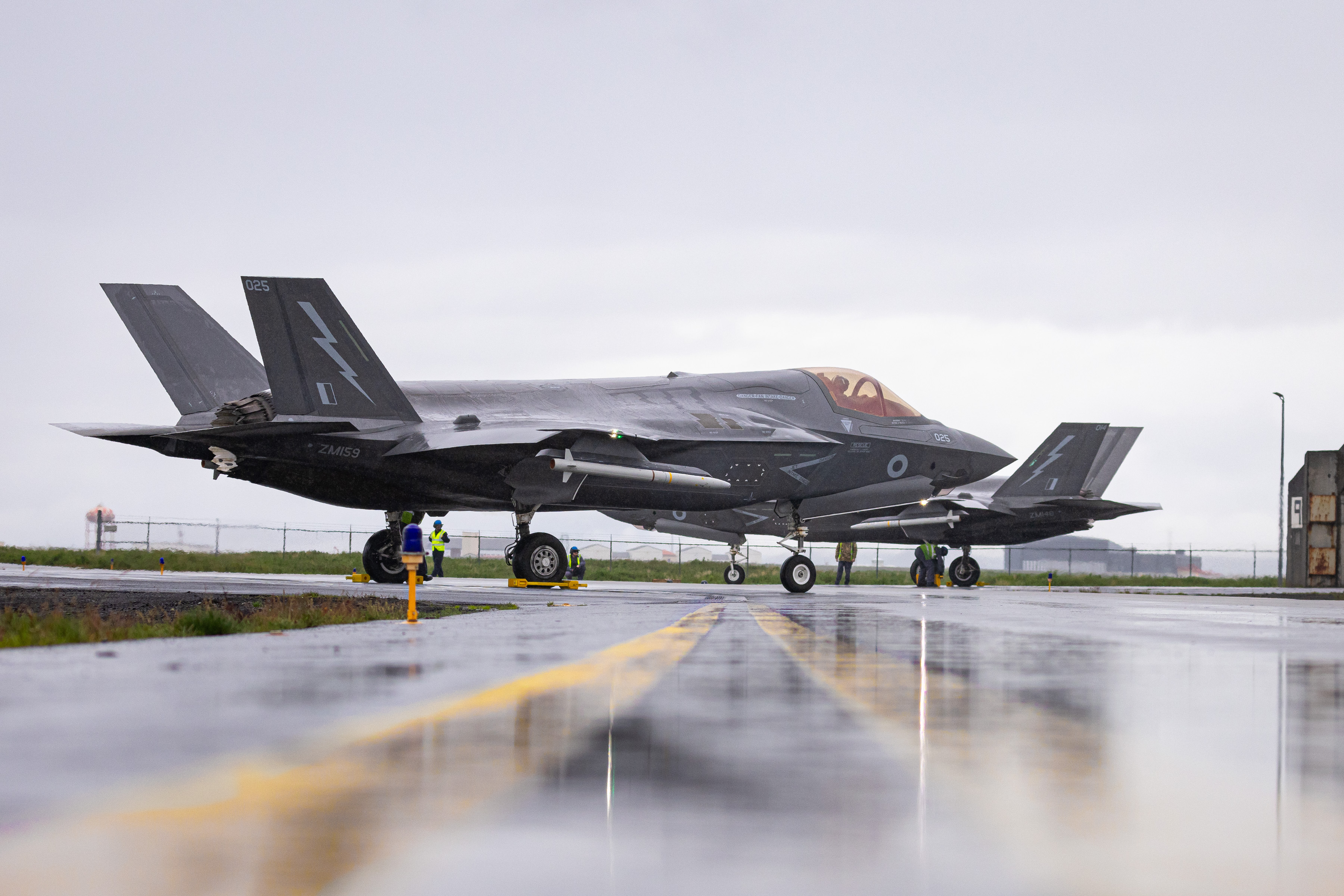
That partnership has continued to evolve with the changing security landscape.
As strategic competition returns to the High North, the North Atlantic has once again become one of NATO’s most important regions. The Greenland-Iceland-United Kingdom (GIUK) Gap remains a critical gateway between the Arctic and the wider Atlantic, making close cooperation between Allies essential to maintaining regional security, protecting critical sea lanes and ensuring freedom of navigation.
The RAF continues to play a vital role in that mission.
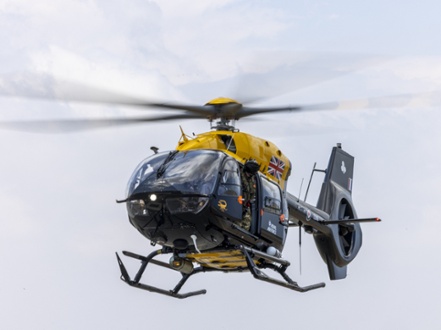
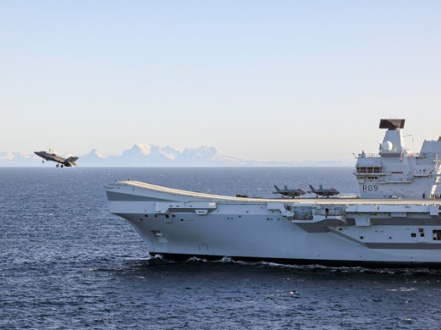
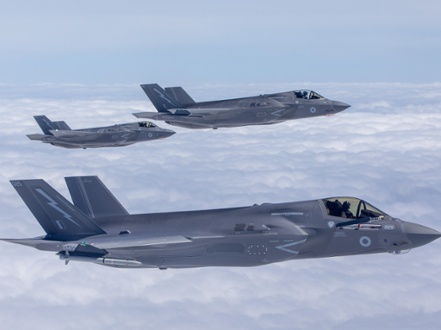
Whether contributing to NATO Air Policing missions, operating alongside the Icelandic Coast Guard, or supporting the UK’s Carrier Strike Group with fifth-generation F-35 Lightning aircraft, RAF personnel continue to work with Iceland and NATO partners to protect one of the Alliance’s most strategically significant regions. Operating seamlessly from land or at sea, the RAF provides the flexibility, interoperability and readiness needed to respond to today’s evolving security challenges.
For Iceland, a founding member of NATO without a standing air force, Allied cooperation remains fundamental to national security. RAF deployments to Iceland have repeatedly demonstrated the United Kingdom’s enduring commitment to collective defence, strengthening NATO’s ability to deter aggression, reassure Allies and respond rapidly whenever required.
“Our strong and enduring partnership with Iceland it is built on shared purpose and mutual trust, reinforced by membership of both the Joint Expeditionary Force and the NATO Alliance. The Royal Air Force remains committed to protecting the High North, utilising a combination of land based and embarked capabilities. Current operations, including those as part of the UK’s Carrier Strike Group, are the latest chapter in a relationship that has strengthened collective security across the North Atlantic for more than 80 years.”
Air Marshal Allan Marshall
Air and Space Commander
The close relationship is equally valued by Iceland, where cooperation with Allied partners has remained central to national security for generations.
“Eighty years ago, the handover of Reykjavik Airport marked a pivotal moment in Iceland’s journey towards full sovereignty and modern connectivity. Today, as we commemorate this milestone with our partners, we reflect with pride on the airport’s remarkable history and its vital role in linking communities across the country. Reykjavik Airport has served the nation well through changing times and ongoing debate and remains a cornerstone of Icelandic transport. We are proud of this legacy and committed to preserving its story, including the restoration of historic signage in Öskjuhlíð.”
Sigrún Björk Jakobsdóttir
CEO Regional Airports Iceland
Although the aircraft have changed dramatically since RAF crews first flew from Reykjavík during the Second World War, the mission remains strikingly familiar. Then, as now, the objective is to protect the North Atlantic, reassure Allies and preserve the security of one of the world’s most strategically important regions.
“Iceland and the United Kingdom have long stood together as close partners in security and defence, working with NATO allies to safeguard the North Atlantic. In an evolving strategic environment, our partnership with the United Kingdom continues to strengthen regional stability and collective defence.”
Jónas G. Allansson
Director General of the Directorate for Defence at the Ministry for Foreign Affairs in Iceland
Eighty years after the handover of Reykjavík Airport, the partnership between the RAF and Iceland continues to demonstrate that enduring relationships remain one of NATO’s greatest strengths. From RAF Reykjavík to today’s operations across the High North, it is a partnership built on history, strengthened through cooperation and focused firmly on the future.