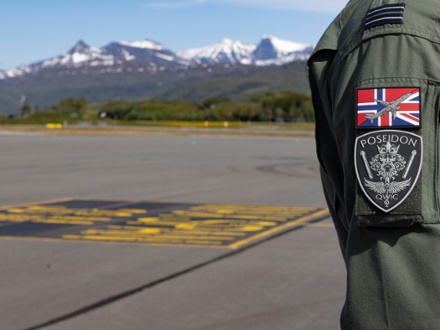
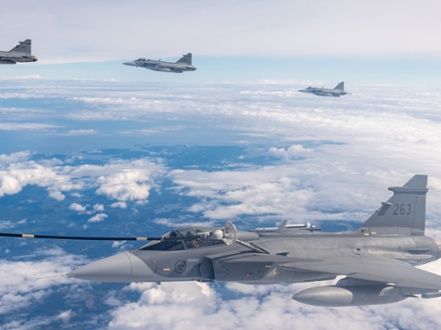
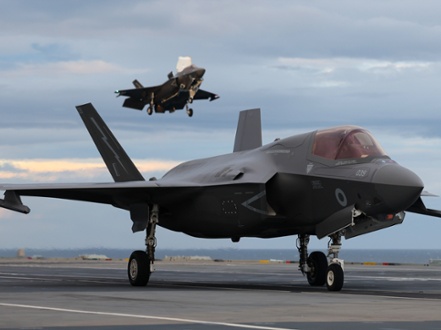
- UK F-35B fighter aircraft are defending arctic skies today as part of NATO's Arctic Sentry mission
- It’s the first time the mission has been conducted by jets operating from an aircraft carrier, joining other UK and NATO aircraft in protecting Arctic airspace – and with it the gateway to the North Atlantic
- Russia has significantly increased its military presence in the Arctic, opening new bases, airfields and deep-water ports
Why this matters
6 July marked 80 years since Reykjavík Airport was formally handed back to the Icelandic Government. This anniversary date marks not only the end of Britain’s permanent presence in Iceland, but the beginning of one of the RAF’s longest-standing international defence partnerships.
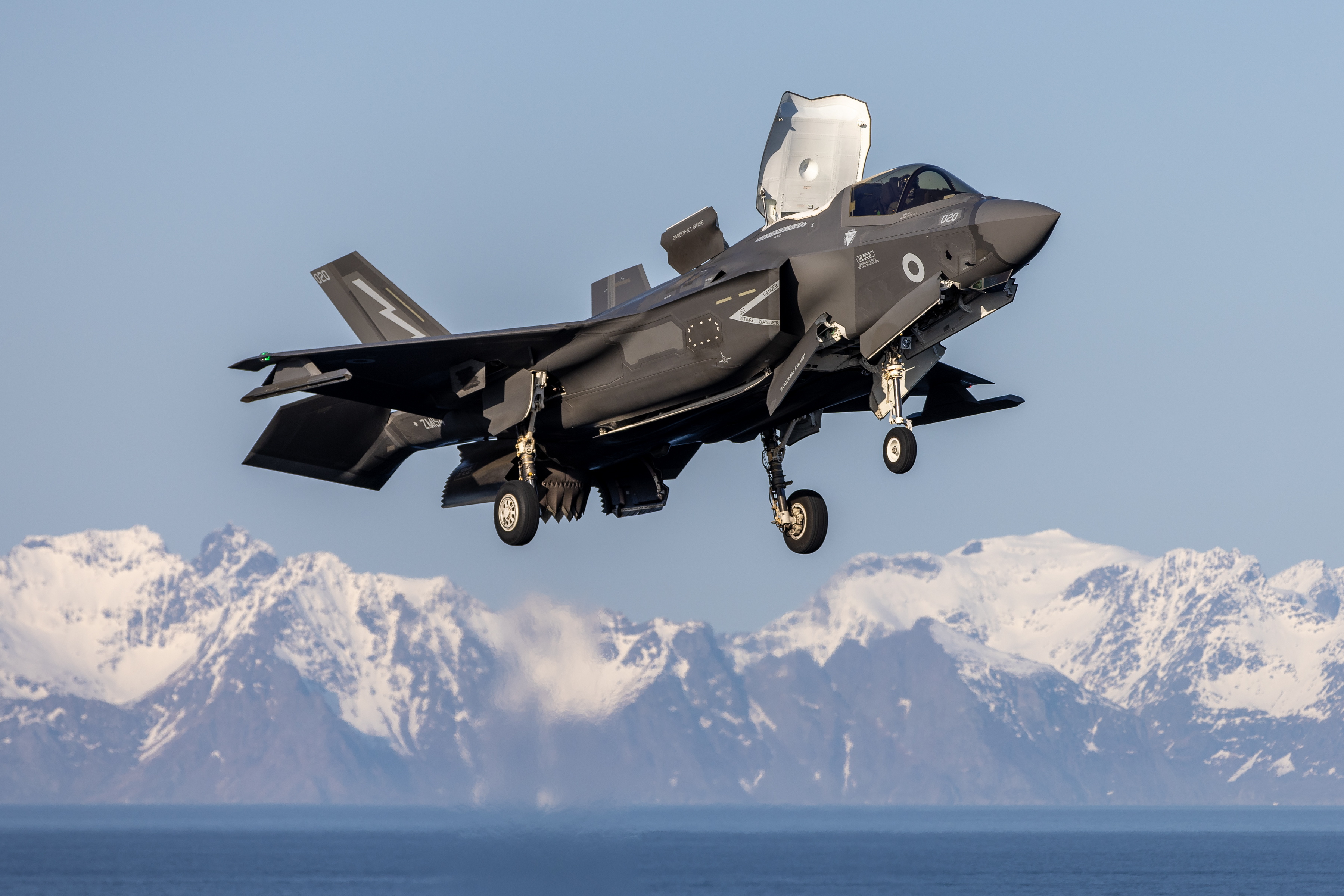
Today, Icelandic airspace and Arctic skies are being protected against Russian incursions by F-35B fighter jets, as the UK takes its turn in NATO's rotational air policing mission. For the first time, launching directly from the aircraft carrier, HMS Prince of Wales (PWLS), the Lightning stealth fighters are carrying out defensive patrols and standing by ready to scramble to defend the High North.
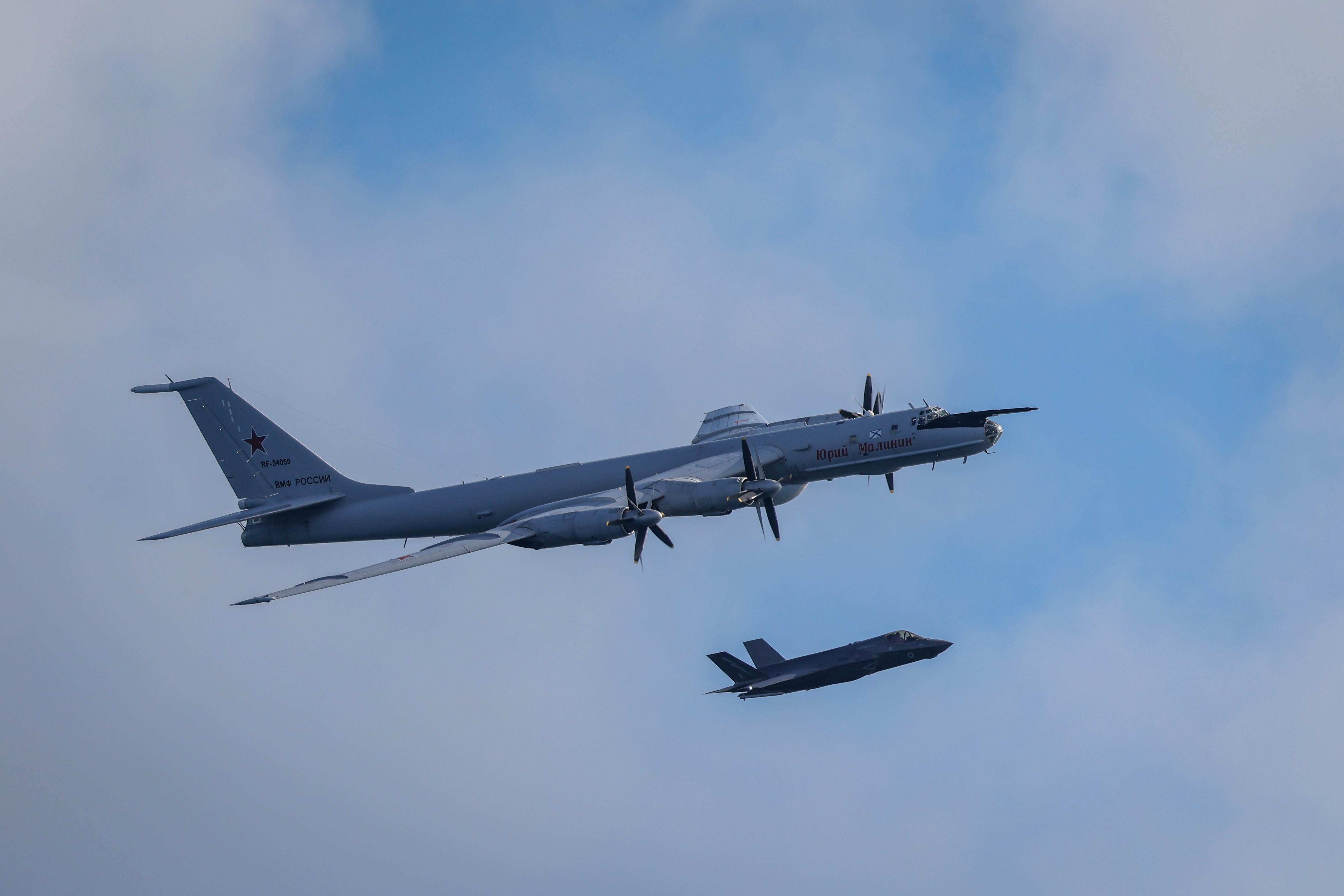
UK jets were scrambled on 2 Jul to intercept a Russian ‘Bear F’ aircraft after it came unnecessarily close to HMS PWLS in the Arctic Circle. The Russian aircraft repeatedly approached the aircraft carrier, before dropping a large number of tracking devices into the water nearby. It was intercepted and escorted by two F-35Bs until it left the area.
What we are doing
Arctic Sentry was introduced by the alliance back in February 2026 to bring allied responses to activity in the region under a single coordinated framework, strengthening surveillance and defence across the High North. This in response to Russia, which has significantly expanded its military presence in the High North by reopening Soviet-era bases, extending naval patrols and testing new weapons systems.
To date the mission has been carried out solely by aircraft operating from traditional air bases on land.
Iceland sits at the heart of a critical corridor between Greenland and the United Kingdom (the ‘GIUK’ gap), through which military and commercial traffic pass between the Arctic and the North Atlantic.
Keeping it secure protects the sea and air links that connect the UK and North America and by extension the trade routes that underpin British jobs and living standards.
Why now
Arctic Sentry is a multi-domain enhanced Vigilance Activity (eVA) launched by NATO to strengthen the alliance's security posture and situational awareness in the High North. Led by Joint Force Command Norfolk, the mission coordinates air, sea, and land operations to counter rising Russian and Chinese activities in the Arctic. Seven of the eight Arctic nations are now NATO members, giving the Alliance a direct stake in the region's security.