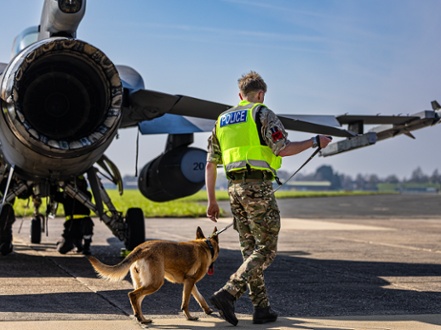
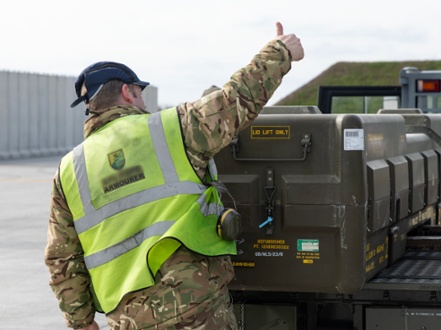
Every day, without fanfare, Royal Air Force pilots wait on standby, ready to launch within minutes.
What is Air Policing?
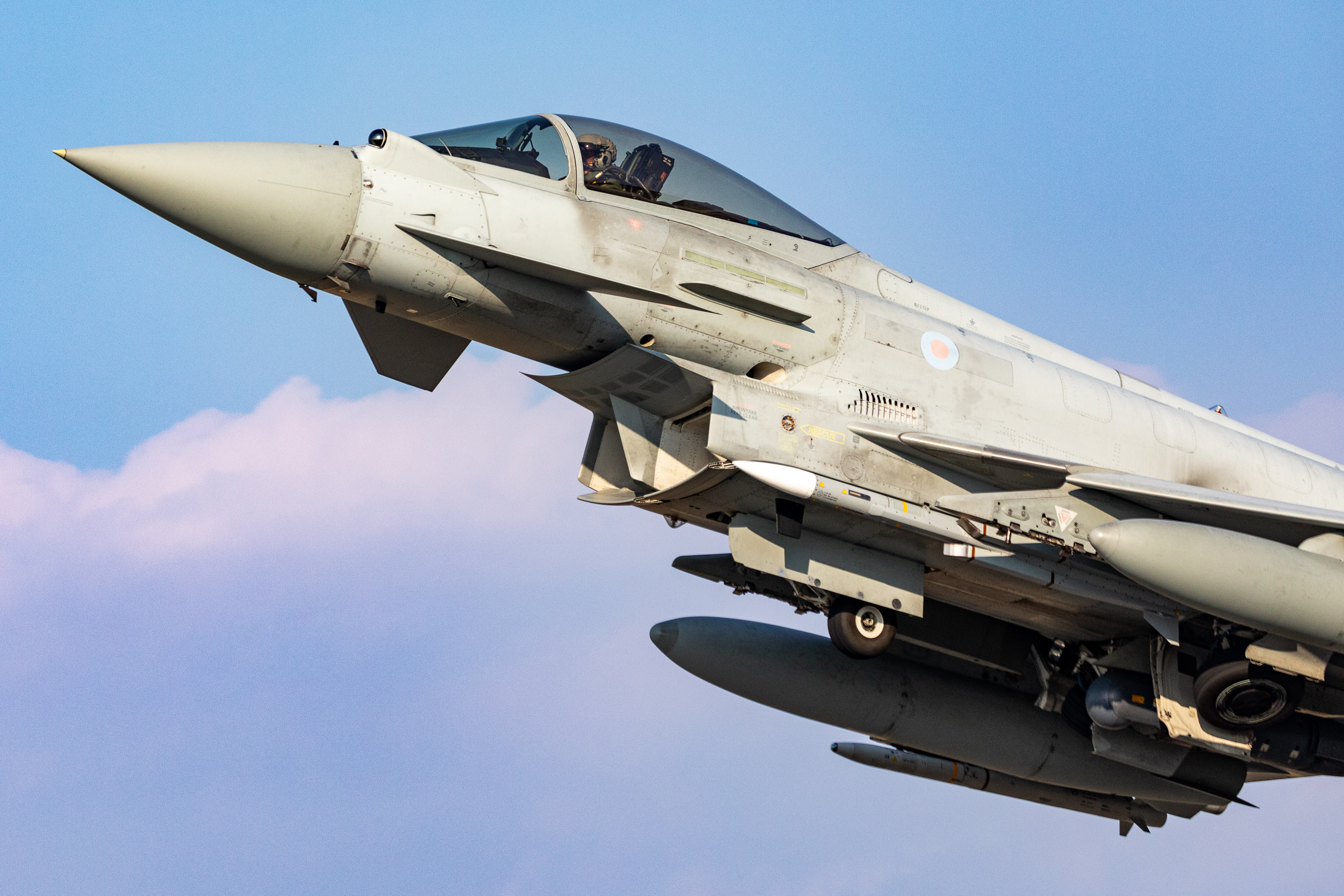
Air policing is exactly what it sounds like: keeping our skies safe. In the UK, the RAF does this through its Quick Reaction Alert (QRA) aircraft Typhoons held at constant readiness, 24 hours a day, 7 days a week, at RAF Coningsby in Lincolnshire and RAF Lossiemouth in Moray, Scotland.
If something unusual is detected in British airspace, a civilian aircraft losing radio contact or a foreign military aircraft approaching without filing a flight plan for example, QRA pilots can be airborne within minutes. Their job is to identify the aircraft, escort it if necessary, and ensure it poses no threat to the UK.
It doesn't happen only at home, either. The RAF is a leading member of NATO, and that means RAF pilots regularly deploy abroad to help protect the airspace of allied nations who need additional support.
Why does it matter to you?
In recent years, there’s been an increase in the frequency of Russian aircraft testing NATO's boundaries: flying without flight plans, refusing to communicate with air traffic control, and conducting intelligence-gathering missions close to allied airspace. In the UK alone, RAF jets have scrambled multiple times, as recently as April 2026, in response to Russian military aircraft entering NATO international airspace.
Britain's role in NATO Air Policing
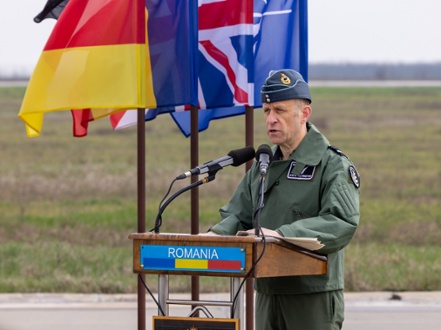
Beyond defending UK skies, the RAF regularly deploys its aircraft abroad as part of NATO's collective air policing missions. In recent years, Typhoons have protected the airspace over Estonia, Romania, Iceland and Poland, with F-35Bs also deploying to Iceland (Operation Masterer) in 2024, showcasing the RAF’s commitment to collective defence of NATO allies.
This year has already witnessed the beginning of the UK’s four-month contribution to Operation Biloxi 2026, supporting NATO’s Eastern Sentry vigilance activity on the Alliance’s easterly flank. Last year saw RAF jets scramble multiple times from Malbork Air Base in Poland as part of Operation Chessman.
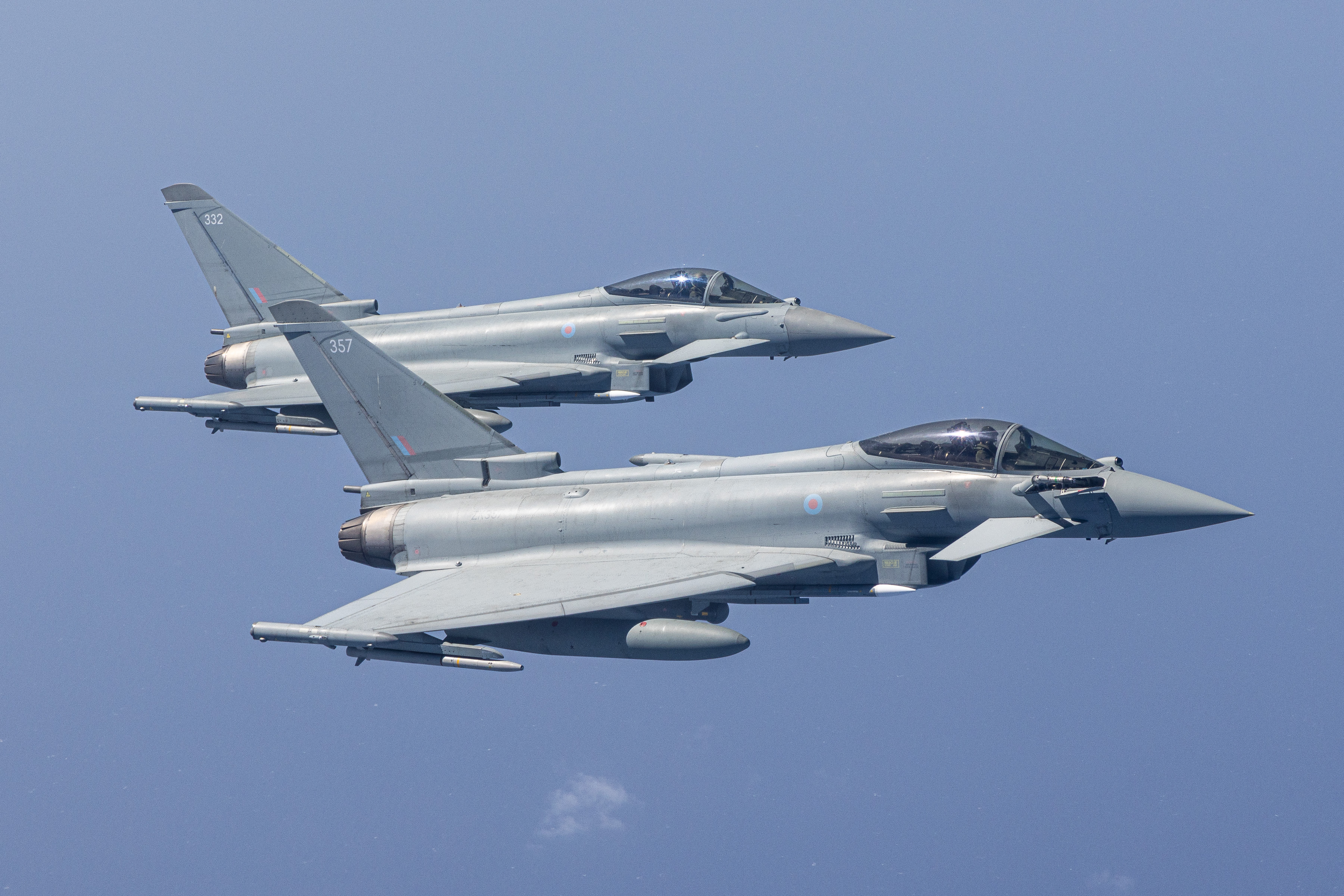
The purpose may not appear obvious immediately, but these patrols offer visual deterrence and illustrate the power of collective defence. They are the practical expression of an alliance in which each nation plays its part.
A commitment that doesn't stop
Whether it's a civilian aircraft transmitting a distress signal (Operation Adana), Russian bombers approaching Shetland in the early hours, or drones testing NATO's eastern borders, the RAF’s air policing response is always agile, integrated and ready.