The Royal Air Force has strengthened its combat air capability with the introduction of a low-cost precision weapon designed to counter modern threats, including uncrewed aerial systems.
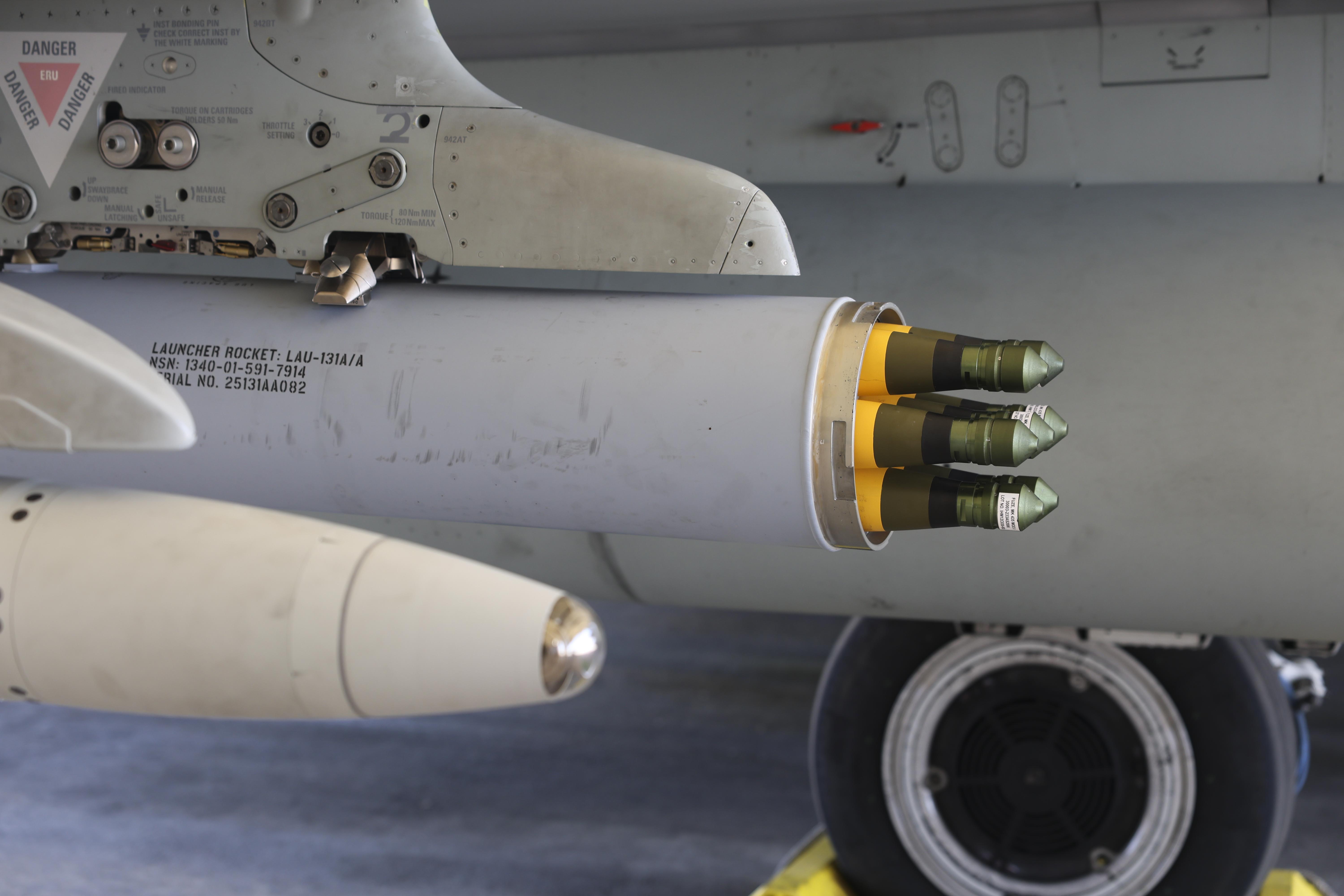
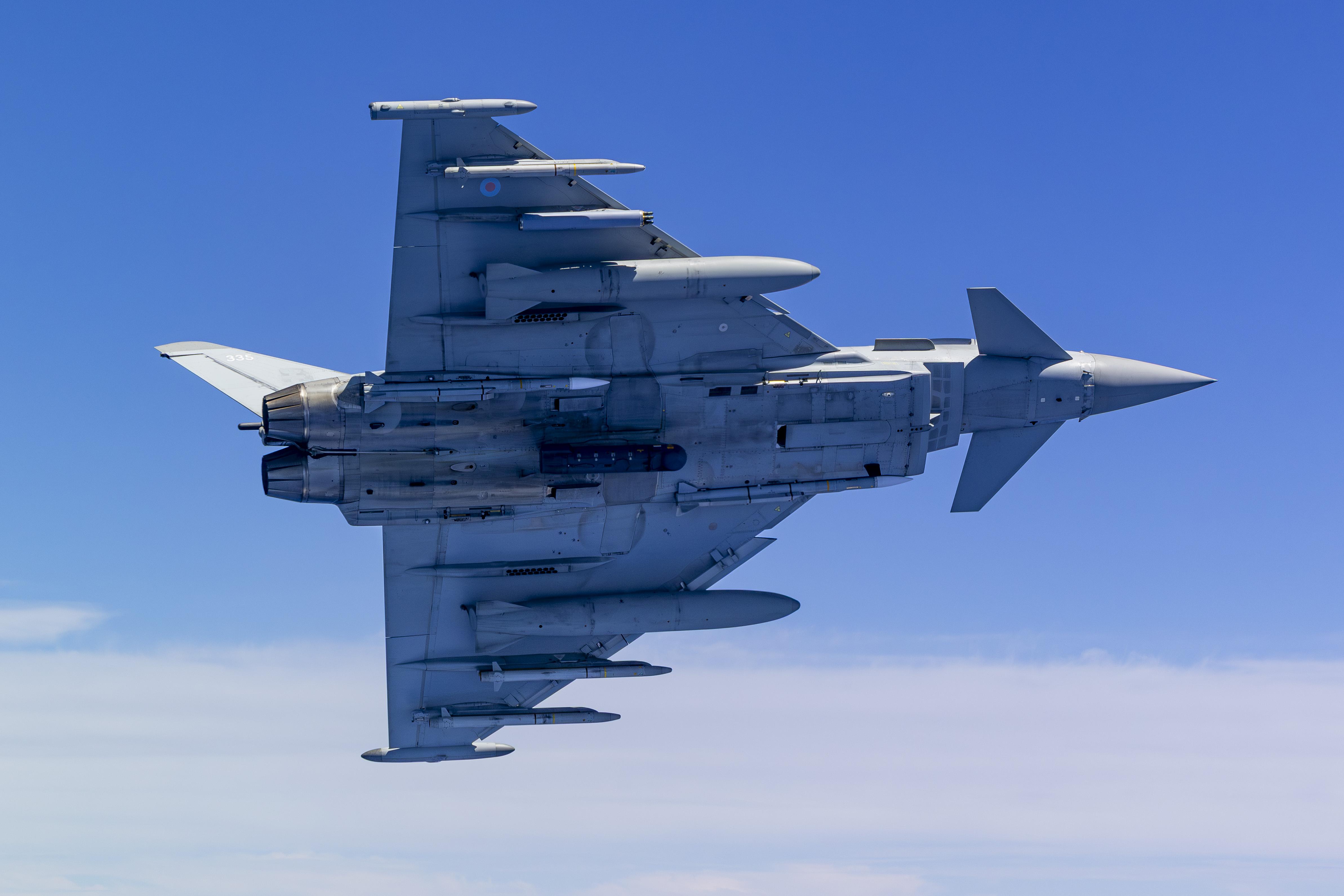
The Advanced Precision Kill Weapon System (APKWS) provides RAF Typhoon pilots with a highly accurate and flexible option to engage targets while making more efficient use of munitions. At its core, the APKWS converts existing Hydra 70 unguided rockets into precision-guided munitions by adding a laser-guidance kit. This approach bridges the gap between traditional unguided rockets and more complex missile systems, offering a lower-cost solution for engaging lightly armoured targets and emerging aerial threats.
A Practical Response to a Changing Threat
Recent operations have highlighted the growing challenge posed by low-cost threats such as uncrewed aerial systems. Addressing these requires solutions that are not only effective, but sustainable over time.
APKWS allows RAF pilots to engage targets at a fraction of the cost of traditional air-to-air missiles, improving operational resilience during sustained activity. Its lower-yield warhead also reduces the risk of collateral damage, making it well suited to complex operating environments.
The system’s laser-guidance technology enables precision strikes from both air-to-surface and air-to-air roles. Once launched, guidance fins deploy and lock onto a laser-designated target, ensuring accuracy without requiring complex pre-launch targeting procedures.
From Testing to Integration
The capability has been developed at pace through collaboration between the RAF, the Ministry of Defence, and industry partners including BAE Systems and QinetiQ.
Trials have demonstrated the weapon’s effectiveness across a range of scenarios. Test activity involving RAF Typhoon aircraft from 41 Test and Evaluation Squadron included successful engagements against ground targets and aerial threats.
These trials have demonstrated the system’s usage to counter uncrewed aerial systems, where modified fusing allows it to intercept and defeat airborne targets at significantly lower cost than conventional methods.
Internal coordination has supported the transition from testing to operational use, with media planning, imagery capture, and staged releases reflecting the importance of the capability.
Enhancing Typhoon’s Versatility
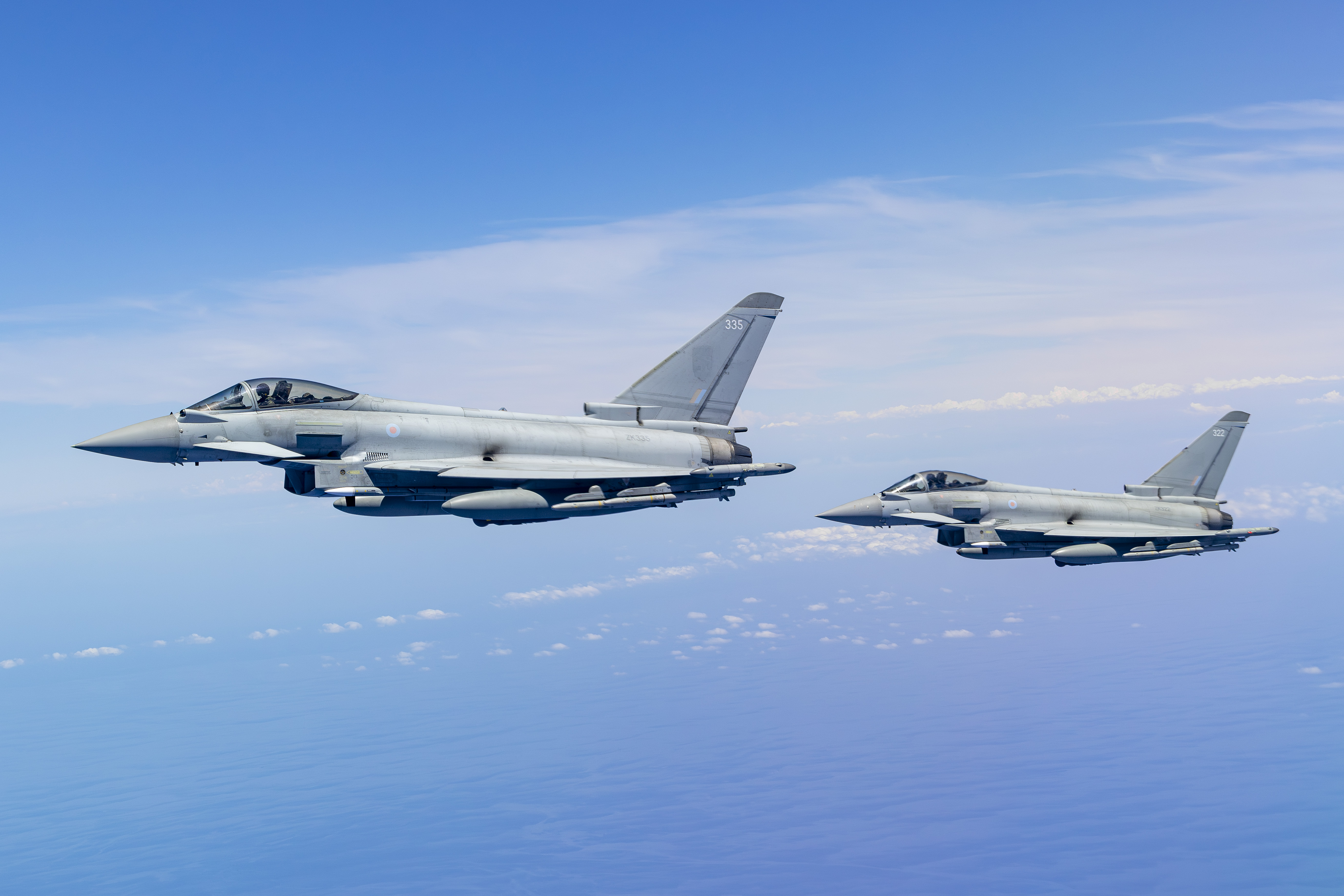
The integration of APKWS forms part of a wider programme of enhancements to Typhoon, ensuring the aircraft remains effective in both current and future combat air operations.
The weapon is carried in standard rocket pods and can be employed using existing targeting systems, including the Litening designator pod used by Typhoon pilots. This minimises the need for major aircraft modification while delivering a significant increase in capability.
APKWS is already in service with air forces around the world and has been proven across multiple platforms, including fast jets and helicopters. Its introduction into RAF operations enhances Typhoon’s flexibility, allowing it to respond rapidly to a wider range of threats.
Looking Ahead
Ongoing work continues to explore how the capability can be further developed. New variants incorporating additional sensing technology are being tested to improve engagement rates against fast-moving or multiple targets, while maintaining the system’s core advantages of affordability and precision.
Recent operational experience has underlined the importance of balancing capability with cost, particularly when countering large numbers of low-cost threats. APKWS represents a practical solution to this challenge, providing commanders with more options to manage resources effectively without compromising operational impact.
A Capability Built for Modern Operations
The introduction of APKWS reflects a broader shift towards adaptable, cost-effective solutions in modern air warfare.
By combining existing systems with advanced guidance technology, the RAF can deliver precise effects while maintaining the agility required for contemporary operations. For those on the front line, it provides a reliable and efficient tool to meet today’s threats, ensuring the RAF remains ready, responsive, and capable wherever it is deployed.