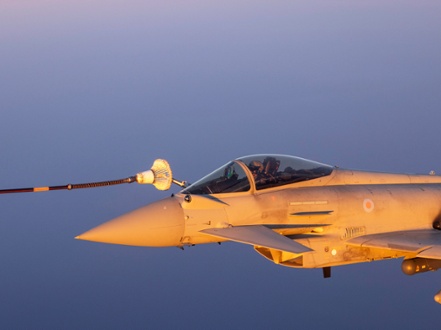
Royal Air Force Typhoons are now equipped with a new low-cost anti-drone weapon, significantly enhancing their ability to counter emerging threats during operations in the Middle East.
The Advanced Precision Kill Weapon System (APKWS) gives RAF pilots a highly accurate option to destroy aerial targets and allows them to engage drones at a fraction of the cost of traditional air-to-air missiles. This improves sustainability and ensures more efficient use of munitions during prolonged operations. APKWS uses a laser targeting system which turns unguided missiles into low-cost precision weapons able to take down enemy drones and other threats.
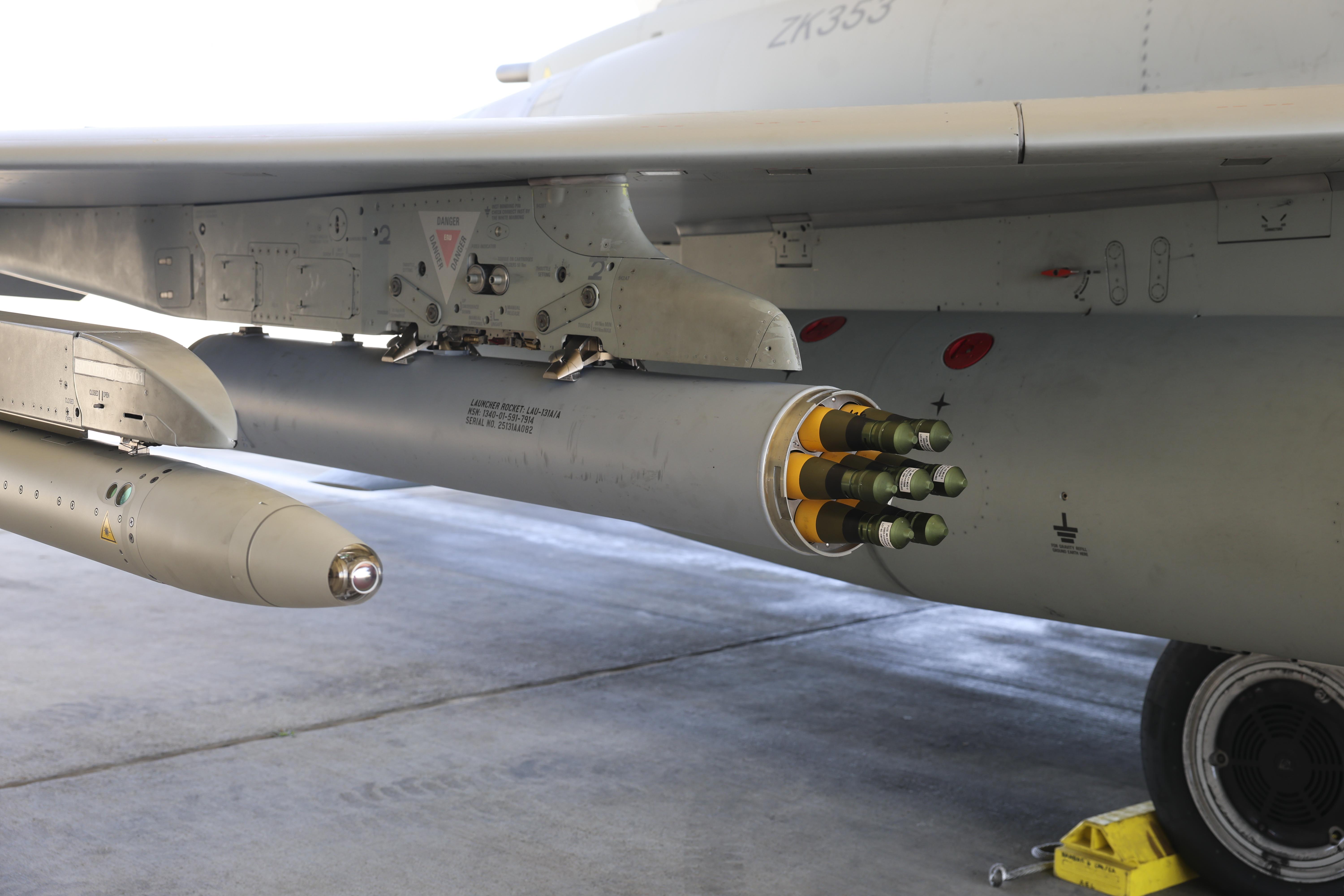
Rapid collaboration between the RAF, Ministry of Defence, and industry partners QinetiQ and BAE Systems enabled the system to move from testing to operational deployment in under two months. Successful trials, including air-to-air engagements conducted by 41 Test and Evaluation Squadron demonstrated the system’s effectiveness in real scenarios.
“We welcome the speed of development and meticulous testing behind the deployment of these missile systems for use on our Typhoons. They are a valuable addition to the air defence package we are already employing with agility across the Middle East.”
Air Commodore Donal McGurk
11 Group Deputy Director Operations
Now in operational use by 9 Squadron, the APKWS enhances Typhoon’s versatility and enabled the aircraft to respond more flexibly to evolving threats. The system strengthens the RAF’s ability to maintain persistent air defence while managing costs and resources more effectively.
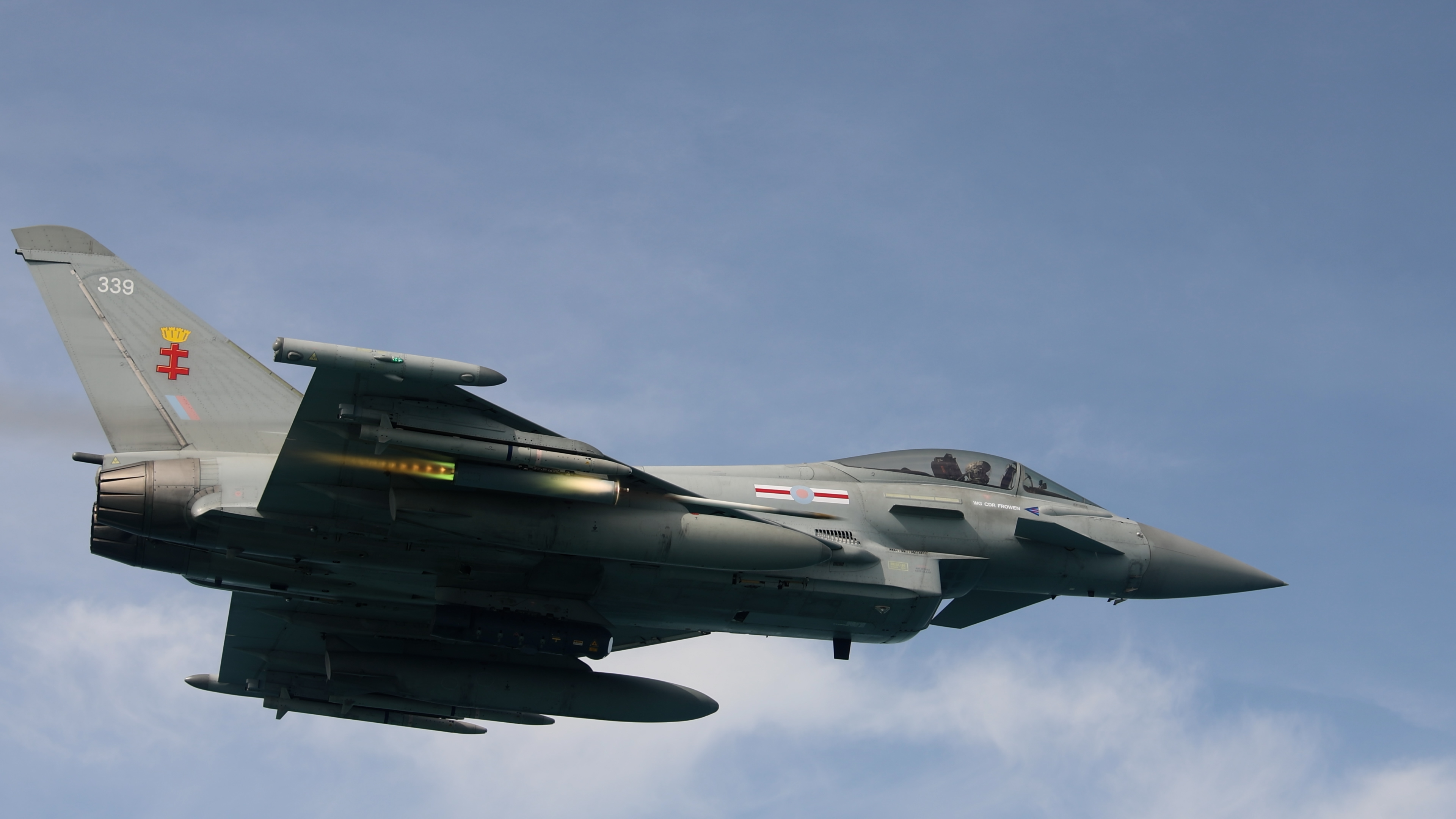
The integration of APKWS reinforces Typhoon’s role as the backbone of RAF combat air power and ensures it remains effective against emerging threats. Aircrew operating in the Middle East continue to benefit directly from this enhanced capability, supporting ongoing missions with greater efficiency, precision, and operational confidence.