The Royal Air Force moved at pace to support British nationals on Tristan da Cunha following a suspected hantavirus case linked to the cruise ship MV Hondius.
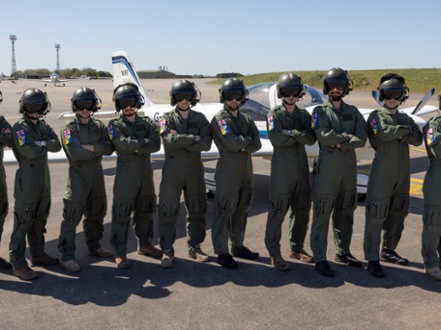
Following a request from the Foreign, Commonwealth and Development Office (FCDO), RAF planners, aircrew, engineers and medical specialists rapidly coordinated a complex long-range operation to project lifesaving support more than 7,000 nautical miles from the UK into one of the world’s most remote inhabited locations.
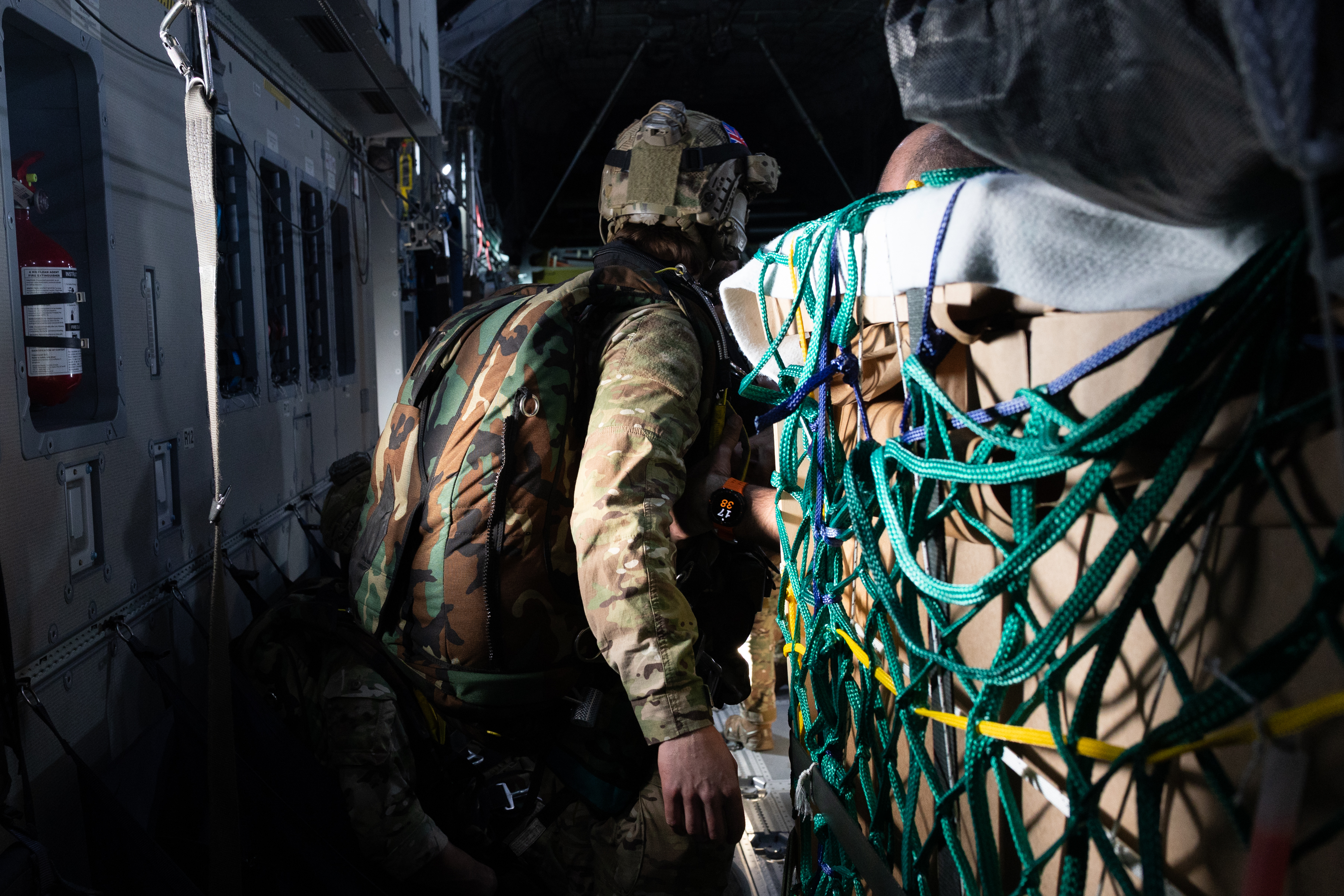
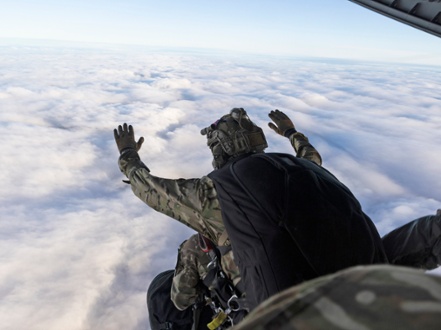
Speed of the mission was critical, given the deteriorating weather conditions and narrow window for intervention. Working with 16 Air Assault Brigade, the mission combined RAF operational planning, air mobility and precision delivery capability. With the absence of a runway on Tristan da Cunha, parachuting personnel directly from an RAF A400M was assessed as the only viable option to deliver support at pace.
Supported by RAF Voyager air-to-air refuelling, the A400M flew from RAF Brize Norton via Ascension Island before deploying six paratroopers alongside two military clinicians — an RAF anaesthetist and an Army nurse from 16 Medical Regiment — directly onto the island with critical oxygen and medical supplies.
At the heart of the mission was the RAF’s ability to quickly set up and maintain long-distance flights, allowing specialist teams and equipment to reach a remote location that had no normal way of getting help.
Alongside the Air Mobility Force effort, the deployed medical team prepared to support the response to the suspected infectious disease case, balancing patient care with infection prevention measures in an austere and isolated environment.

“From a medical perspective, the priority is clear, care for the patient while preventing further spread,” said Toby Elkington 16 Med Reg “You have to keep the public health picture in mind at all times.”
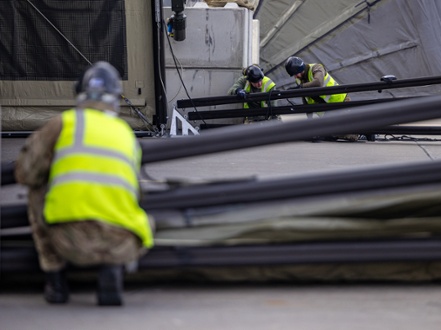
Operating in a potential outbreak environment required strict infection prevention procedures from the outset, with personnel deploying with full personal protective equipment while managing the additional physical demands associated with prolonged operations in austere conditions.
“The situation is fluid,” Toby Elkington explained. “Being on the ground allows us to give a clearer picture and adapt the response as things develop.”
“The safe delivery of eight people and essential supplies to an isolated community over 7000 miles away, at significant pace, was an extraordinary achievement. As the A400M and Voyager crews flew south to deliver a very public display of precision flying, mission success was dependent on the concurrent and monumental effort by the UK and Ascension Island teams to rapidly identify and remote survey the drop zones, determine parachute release points and to manage the safe despatch of parachutists and freight in some difficult weather conditions. I’m immensely proud of the whole team effort and how the individual achievements were outweighed only by their performance as a team-of-teams.”
Group Captain Andy McIntyre
Commander Air Wing
Conducted alongside ongoing RAF operations worldwide, the mission demonstrated the Service’s ability to combine global reach, operational precision and specialist medical support to protect British interests and deliver lifesaving effect wherever required.