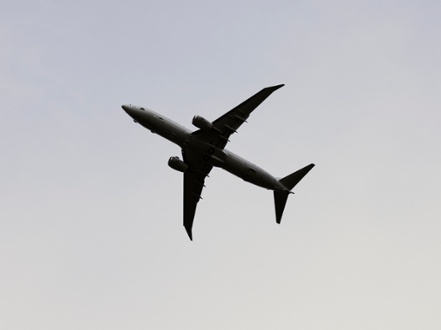
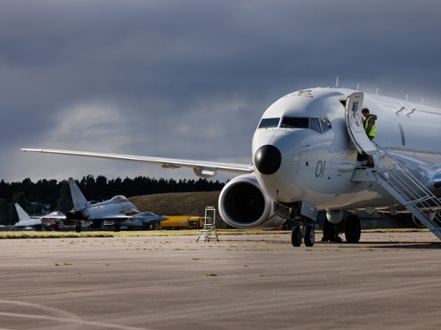
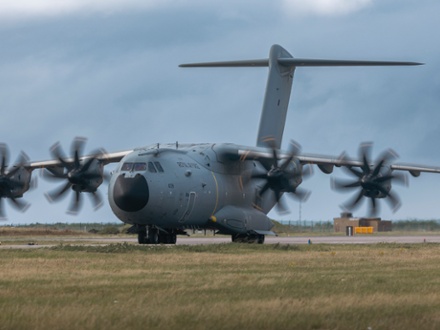
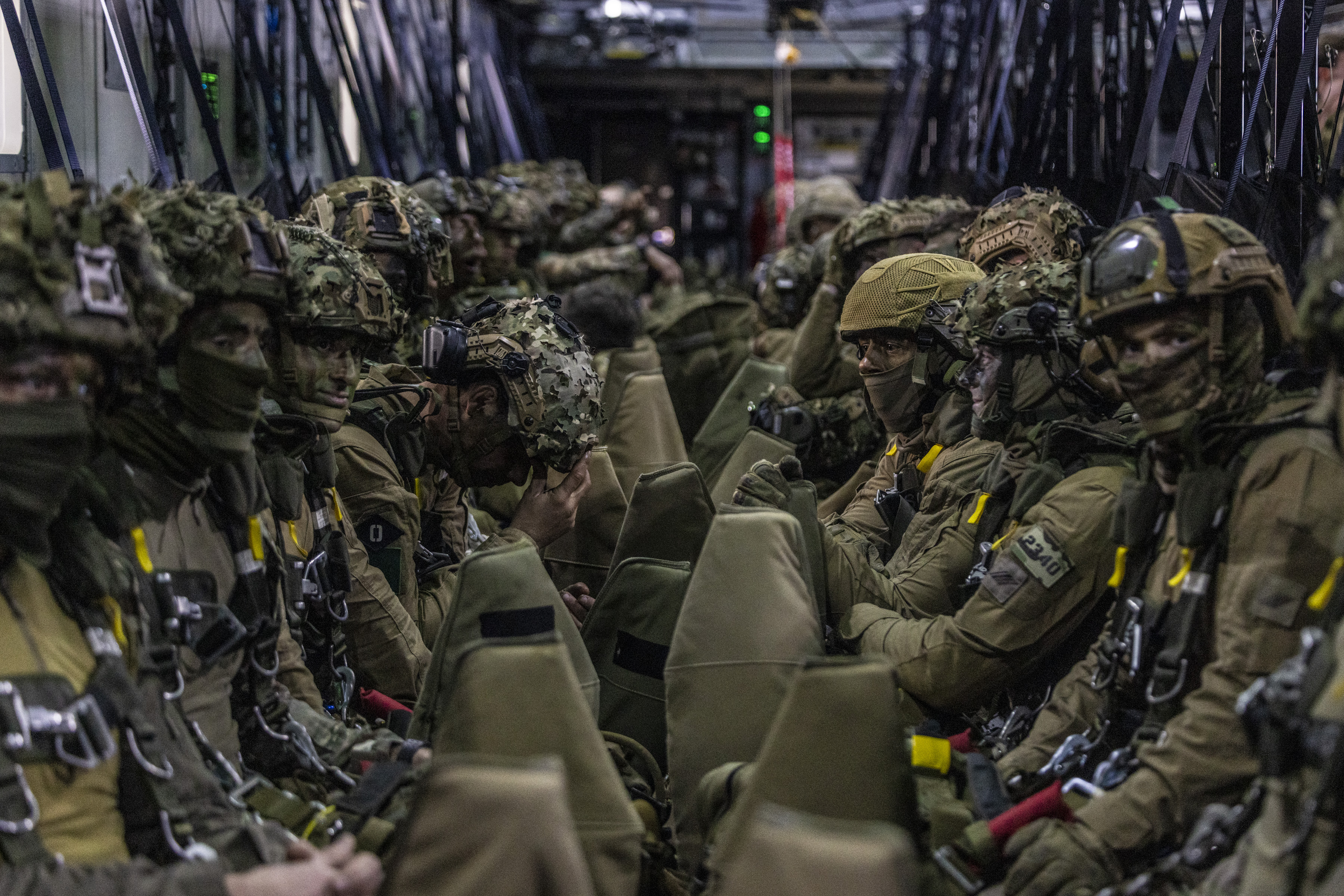
The roar of four Atlas C1 A400M aircraft breaks the silence over the German countryside. Inside, hundreds of paratroopers sit shoulder to shoulder beneath the red glow of aircraft lighting, carrying everything they need for the mission ahead. As the aircraft approach the drop zone, final checks are completed, equipment is secured and Parachute Jump Instructors move through the cabin. When the green light illuminates, soldiers dispatch into the sky below.
It is a moment measured in seconds.
Exercise Rhino Titan marks a significant milestone for UK Defence, demonstrating the ability of the Royal Air Force and British Army to generate and deliver a large-scale airborne force at range. At its heart is the Joint Airborne Task Force, bringing together the RAF Air Mobility Force and 16 Air Assault Brigade Combat Team to prove that combat power can be inserted rapidly, precisely and at scale.
For the RAF, the exercise represents the return of battlegroup-level airborne insertion using the Atlas, combining personnel, equipment and supplies in a way not previously achieved with the aircraft.
"Rhino Titan demonstrates the return of large-scale airborne insertion as a capability. The Atlas allows us to deploy combat forces further, faster and more efficiently than previous generations of aircraft, giving Defence the ability to project force rapidly wherever it is required."
Squadron Leader Luke,
Flight Commander on 30 Squadron
Airborne Mission Commander
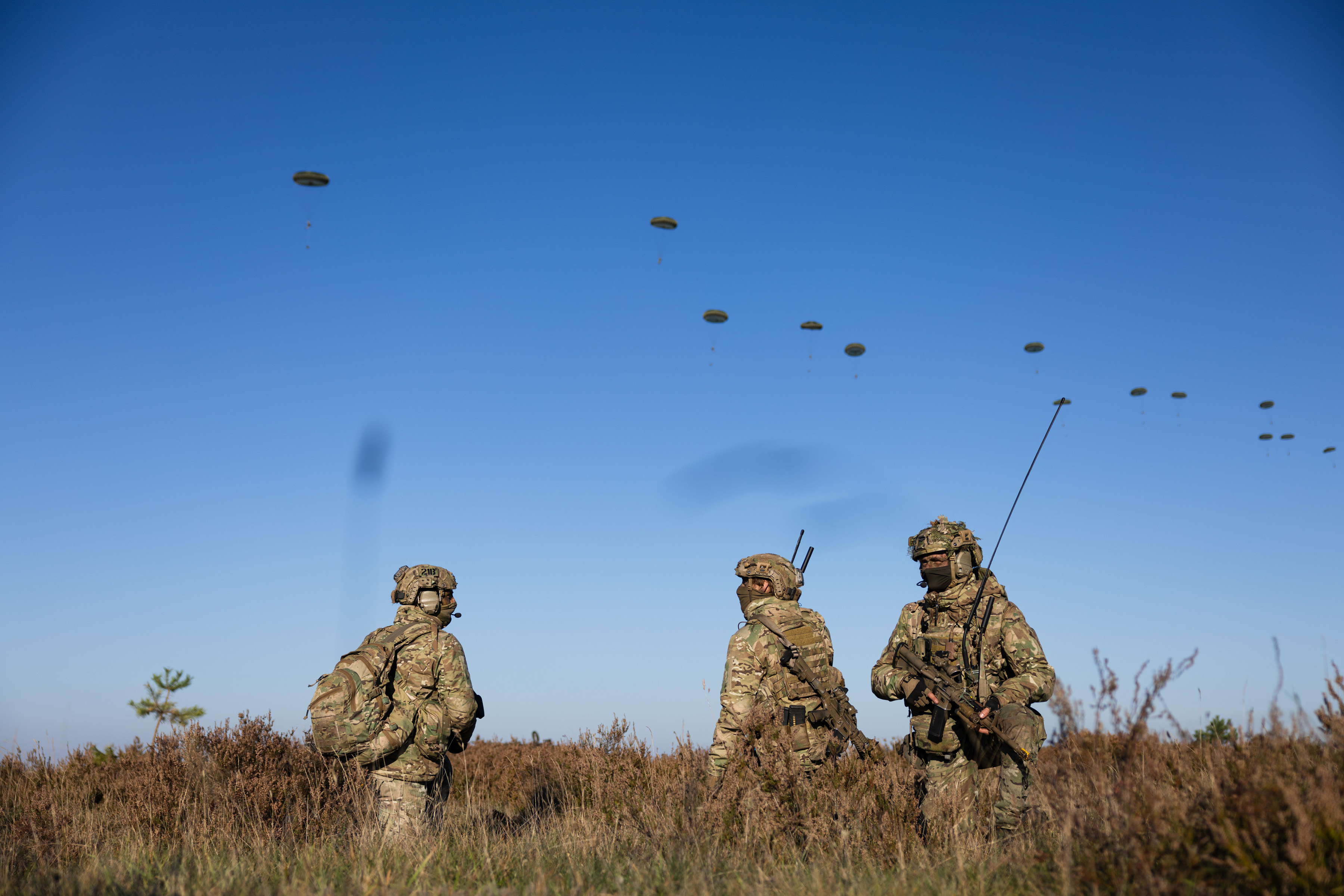
The exercise sees approximately 700 paratroopers delivered across multiple waves of aircraft onto a German drop zone. While airborne operations have long formed part of British military capability, what makes Rhino Titan different is the scale of the operation and the integration of troops and stores within the same aircraft.
More Than Just Paratroopers
Modern airborne operations are no longer simply about delivering personnel.
Alongside the soldiers will come all the equipment necessary for successful mission execution. These capabilities arrive with the force, enabling troops to become operational almost immediately on landing.
The result is a significant increase in capability.
Previously, stores often required separate aircraft. Now, personnel and equipment can arrive together, generating greater combat power from the same number of aircraft.
The Capability Behind the Jump
What the public sees is a parachutist descending beneath a canopy.
What they rarely see is the extensive planning, training and coordination required before a single soldier boards an aircraft.
"By the time soldiers board the aircraft, a significant amount of planning and preparation has already taken place. Parachute Jump Instructors will have delivered specialist ground training, while detailed planning between aircrew, dispatchers and ground forces coordinates every aspect of the mission."
Squadron Leader Nick,
Officer Commanding Parachute Training Squadron
RAF Brize Norton
Paratroopers often board carrying substantial loads, including parachute equipment, weapons, communications systems and bergen loads weighing up to 50 kilograms. Air Loadmasters and Parachute Jump Instructors supervise the process to ensure soldiers are correctly equipped and positioned before departure.
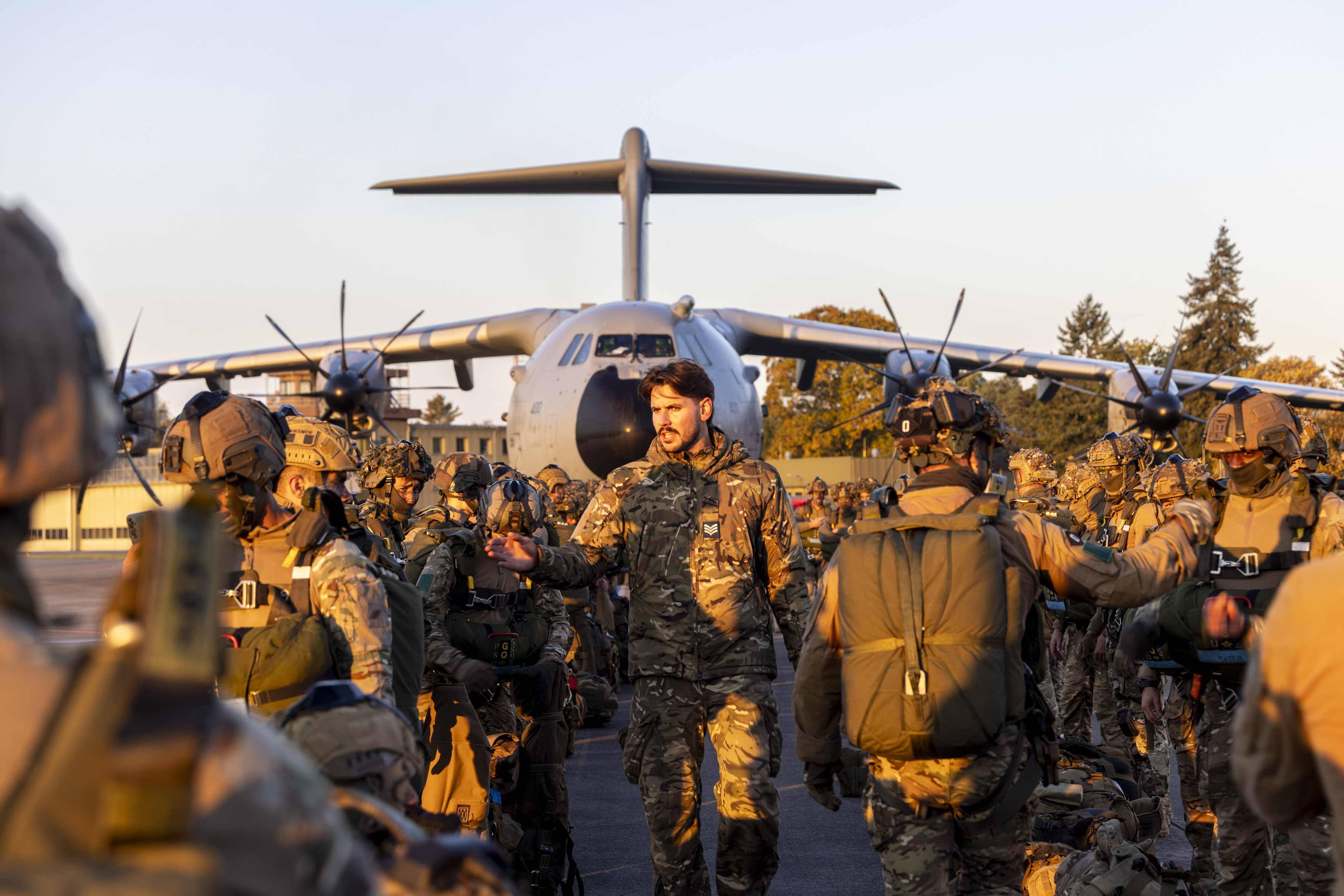
As the aircraft approaches the drop zone, activity intensifies.
Equipment is checked one final time. Static lines are connected. Soldiers move into position.
Every action follows a precise sequence coordinated with the aircrew. When the green light is given, personnel exit in carefully controlled intervals designed to ensure safety and separation in the air.
Over the last 18 months, the Air Mobility Force and Parachute Training Squadron have increased activity between RAF Brize Norton, Weston-on-the-Green and Salisbury Plain. Training has progressed from basic parachuting serials to formation flying, simulated mass drops and integrated personnel-and-stores delivery.
Force generation has required aircraft, crews and specialist instructors to be dedicated to training despite ongoing global operational commitments.
"The harder we train in exercises, the easier it is to deliver the capability when it's needed."
Squadron Leader Luke
Rhino Titan is now the most significant test of that work, proving the UK's ability to rapidly generate and deploy an airborne force capable of responding to evolving threats and crises.
A NATO Capability
The exercise is also a demonstration of interoperability.
The United Kingdom routinely trains alongside NATO allies through activities such as Exercise Falcon Leap, working with Atlas operators and other tactical airlift nations to develop common tactics, procedures and operating methods.
Exercise Rhino Titan builds on that foundation, bringing together British, French and German partners to demonstrate NATO's ability to deploy combat power collectively and at pace.
The exercise reinforces the importance of strategic air mobility in modern warfare.
The ability to insert personnel by parachute enables forces to deploy beyond established infrastructure, providing commanders with more options while increasing unpredictability for potential adversaries.
Ready to Respond
At the heart of the operation is the Joint Airborne Task Force.
Pathfinders deploy ahead of the main force, validating the drop zone and providing reconnaissance and surveillance capabilities before the larger airborne force arrives. The main force then follows, delivered by RAF aircraft and supported by specialist personnel from across the Air Mobility Force.
While a descending parachute may appear to represent a single-service capability, Squadron Leader Nick is clear that airborne operations depend on a truly joint effort.
"It takes RAF aircrew, engineers, Air Loadmasters, Parachute Jump Instructors and support personnel working alongside the Army to deliver that capability safely and effectively."
Squadron Leader Nick
Rhino Titan is ultimately about demonstrating readiness:
Readiness to deploy.
Readiness to reinforce allies.
Readiness to deliver combat power wherever required.