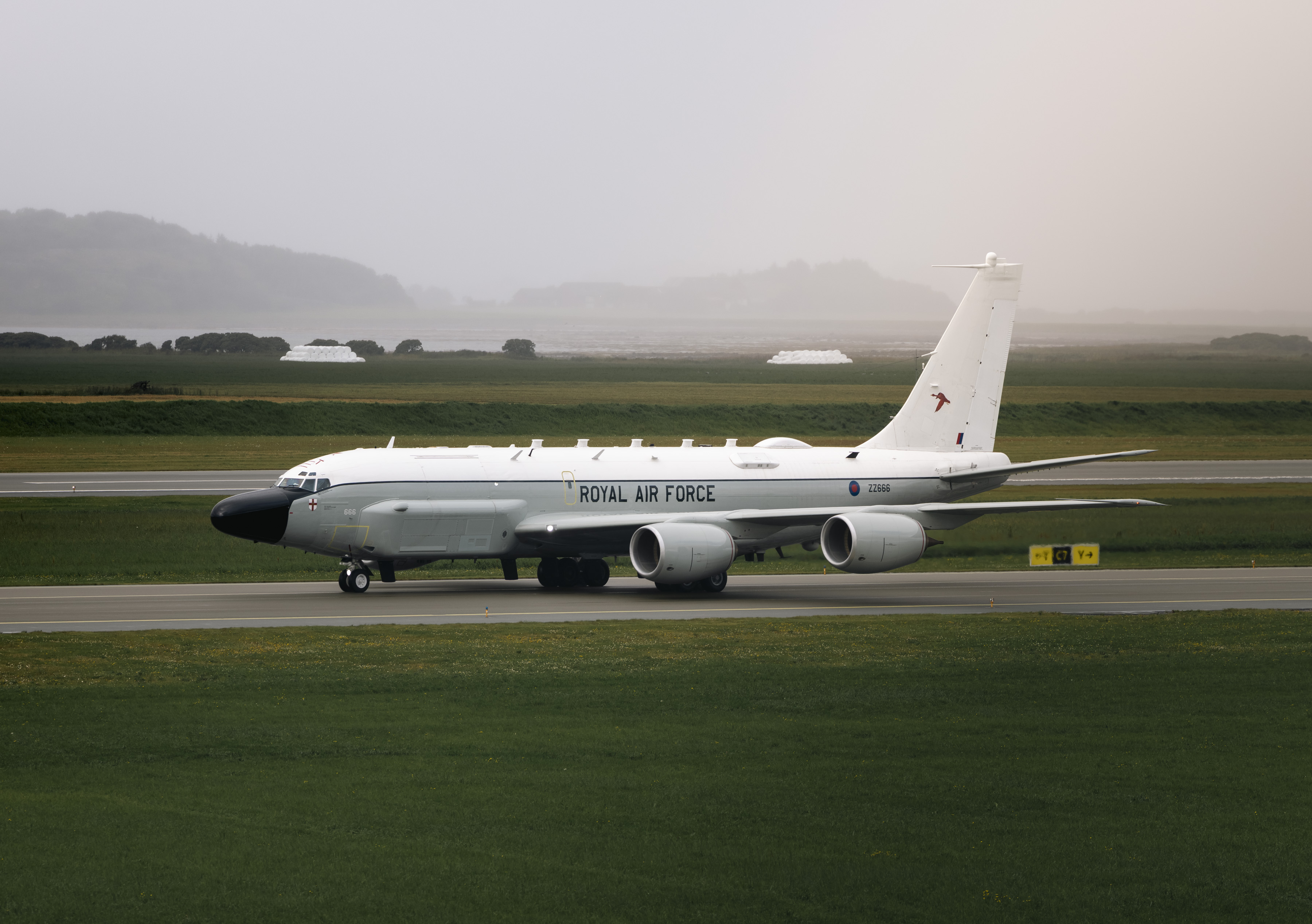
An RAF Rivet Joint has deployed to Ørland, Norway for Exercise Arctic Stone alongside the Royal Norwegian Air Force.
RAF personnel are training alongside their Norwegian counterparts, strengthening interoperability between the Rivet Joint and Norway’s F-35A, and building on the security of NATO's northern flank.
The Rivet Joint is an aircraft that gathers vital intelligence, giving commanders a clearer picture of the security environment and helping to keep the UK and our allies safe.
The deployment underlines the growing strategic importance of the High North, a region increasingly central to NATO's northern defences and to the wider security of Europe.
As the security picture in the region continues to evolve, the presence of RAF assets working alongside key allies and partners in the area is becoming an ever more important part of how NATO maintains stability on its northern flank.
Why intelligence matters
Threats are constantly evolving, and they place different demands on different capabilities depending on how and where they emerge. Examining, understanding and defining those threats is what allows Defence to build an accurate picture of the wider security environment, and it is this picture that informs how best to respond.
Intelligence has always been central to that process. It is the starting point for understanding a threat and deciding how best to counter it. But the nature of intelligence gathering itself is changing.
As the pace of technological development accelerates, and the range of threats grows more complex, assets can no longer rely on visual imagery alone to build a complete picture.
Modern intelligence gathering demands the ability to capture and analyse multiple streams of information simultaneously, drawing together different types of data to produce a fuller, more reliable assessment.
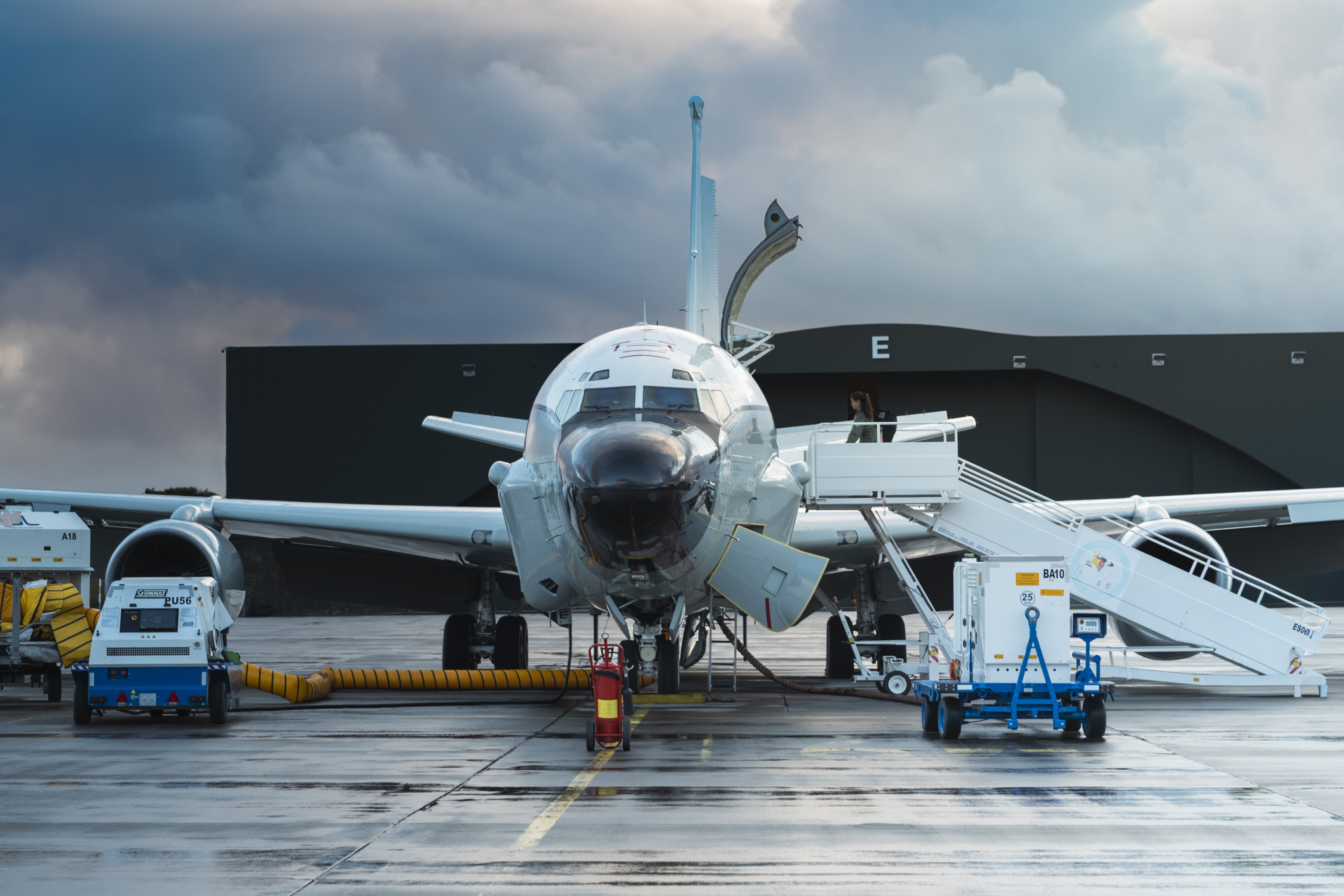
This is where the Rivet Joint comes in. Operated by 51 Squadron, it is one of the key aircraft in the RAF's ISTAR (Intelligence, Surveillance, Target Acquisition and Reconnaissance) fleet, and its versatility is exactly what today's security environment demands.
The aircraft specialises in monitoring signals across the electromagnetic spectrum, giving it the ability to deliver real-time strategic and tactical intelligence in a way few other assets can match. Its crews use advanced sensors to intercept and analyse this data as it is gathered, while ground specialists in No. 54 Signals Unit process and exploit the intelligence collected.
Together, this partnership between air and ground gives commanders improved clarity and situational awareness, day and night, whatever the operational conditions.
Two for the price of one
The week-long deployment puts this capability to work in two distinct but connected ways.
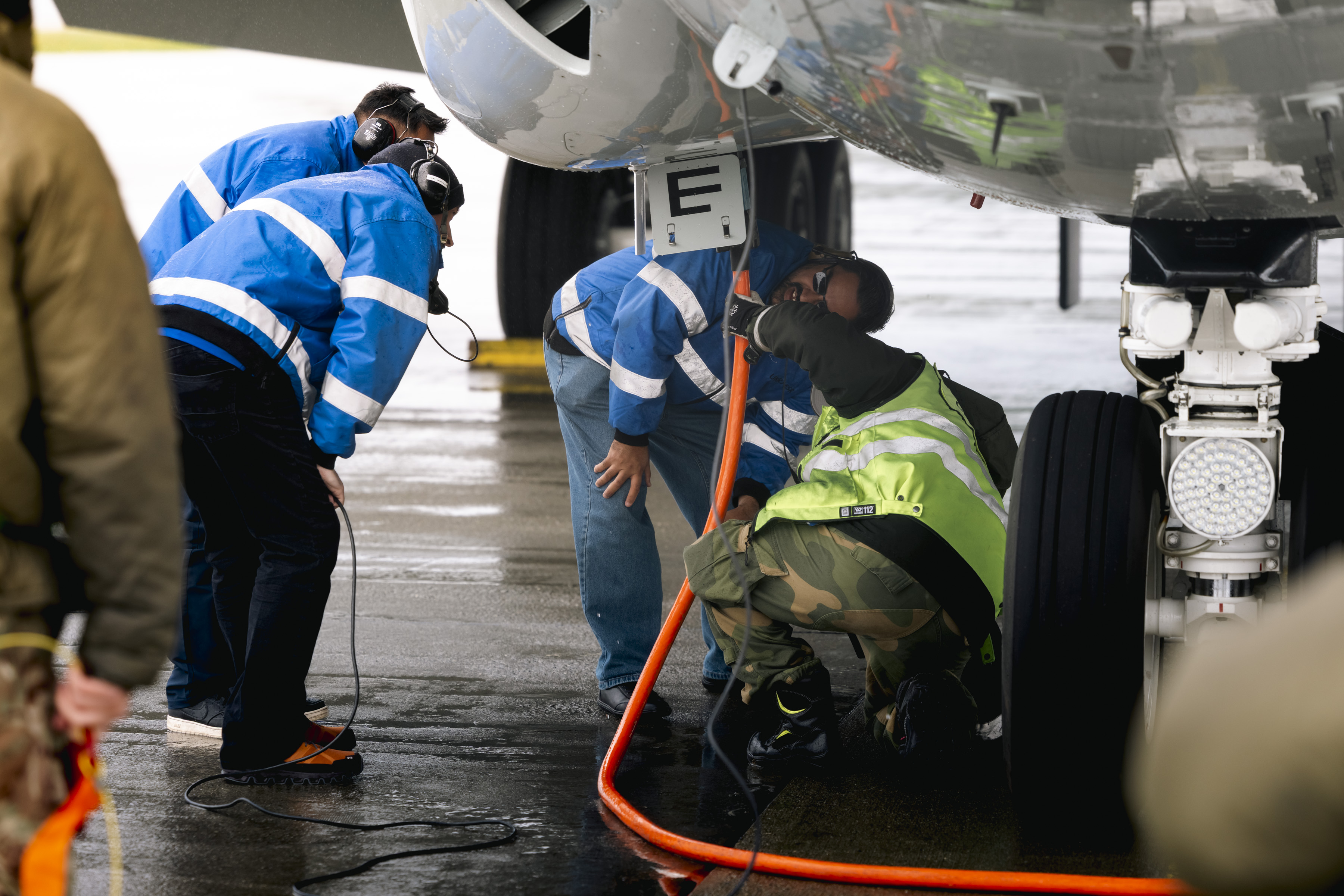
The first benefit is interoperability. Over the course of the deployment, RAF personnel will train alongside the Royal Norwegian Air Force during Exercise Arctic Stone. It will give both air forces the opportunity to train together while also building improved interoperability between the RAF's Rivet Joint and the Norwegian F-35A.
This kind of joint working sharpens the RAF's ability to fly and fight alongside NATO allies, strengthens the security of NATO's northern flank. It also demonstrates the UK's continued commitment to protecting national interests, projecting NATO power and capability in the region, and deterring any potential adversarial aggression.
The second benefit is just as significant: the intelligence gathered during the deployment brings enhanced situational awareness and clarity to senior commanders.
This, in turn, allows Defence to build a clearer, more complete picture of the security environment and to determine how best to meet the challenges it presents.
In a world that continues to grow more digitally connected, and where security threats rarely respect national borders, maintaining the UK's security is no longer just about protecting the homeland. The strength and security of NATO has a direct bearing on the UK's own defence, and that impact should not be underestimated.
A continued commitment
It is vital that the RAF continues to operate and train alongside NATO allies and partners in this way. Doing so keeps the RAF prepared and ready to fly and fight when called upon, while the lessons learned from working with other services support continual improvement across Defence.
Just as importantly, the intelligence shared through deployments like this one ensures that key decision-makers can respond to the current and emerging demands of an ever-evolving security environment, helping to keep the UK, and its allies, safe.