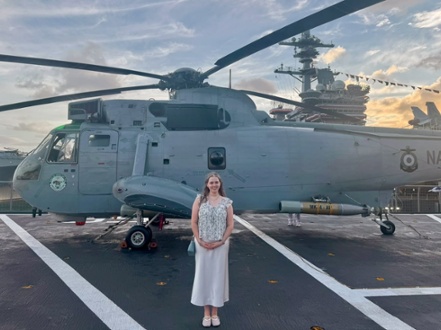
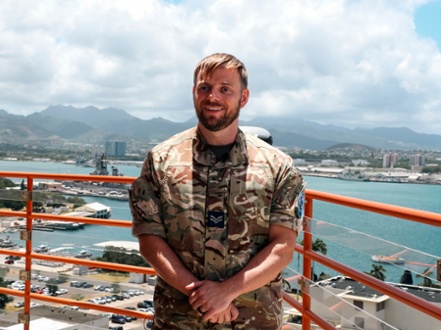
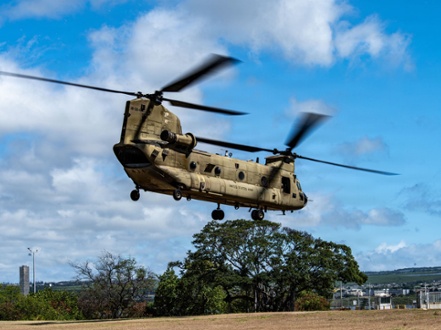
While aircraft flew missions across the Pacific and warships operated at sea, Royal Air Force personnel were working behind the scenes across Hawaii, embedded within multinational teams supporting one of the world’s largest military exercises.
From operational planning and logistics to maritime air operations, RAF personnel worked alongside allies and partners to ensure Exercise Rim of the Pacific (RIMPAC) 2026 ran safely and effectively, strengthening the relationships and procedures that underpin future coalition operations.
Bringing together more than 35,000 personnel from 31 nations, supported by dozens of ships, submarines and aircraft, RIMPAC provides a unique opportunity to develop interoperability in one of the world’s most strategically important regions.
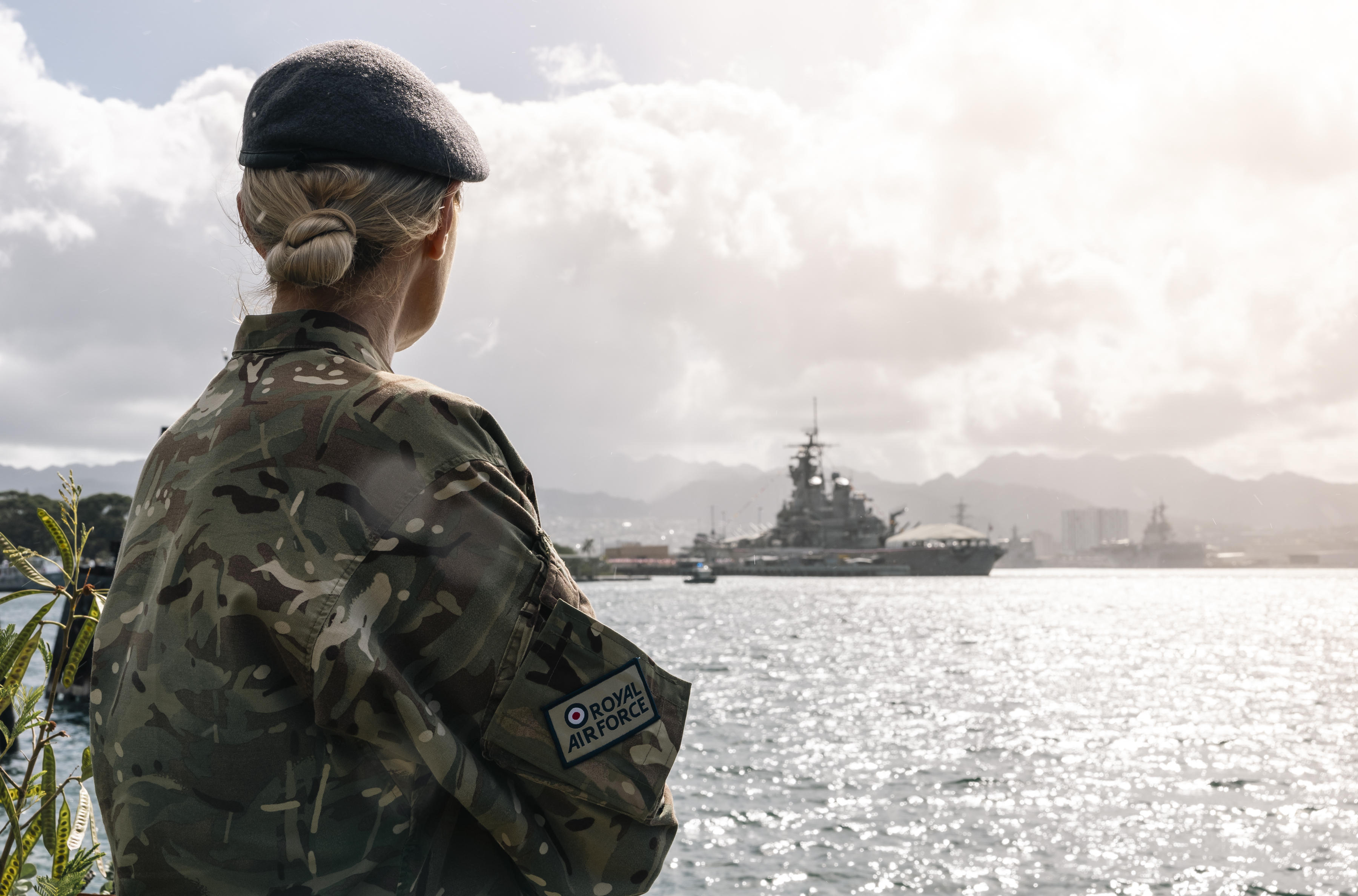
Within the Combined Air Operations Centre, Flight Lieutenant Perry, a Medical Support Officer from Tactical Medical Wing, planned medical support for the exercise while working alongside partner nations from across the coalition.
He said one of the biggest lessons was learning to overcome differences in language and procedures between nations.
“Some of the challenges have been the language we use. Certain terminology that we would use means something different for the Americans, for the Canadians, for Australians. It’s just trying to find that point where we all understand what we’re saying to ensure that we can get mission success.”
Across the island at Marine Corps Base Kaneohe Bay, Corporal Rory, from RAF Lossiemouth’s Poseidon MRA1 Force, was part of the Tactical Operations Centre, coordinating maritime patrol aircraft missions by helping crews prepare for flight, checking Air Tasking Orders and monitoring aircraft throughout their missions.
Working alongside American and Canadian personnel, he experienced first-hand how quickly multinational teams can integrate.
“The interoperability has been absolutely fantastic… we’ve integrated really well. We’re working alongside the Americans and the Canadians… it seems to have worked smoothly.”
Supporting the wider exercise were personnel working across headquarters and logistics. Squadron Leader Morgan advised senior leaders on medical planning during the exercise, while Hannah, a civil servant provided policy advice to commanders, helping ensure operational planning reflected the wider political and diplomatic environment.
Within the Multinational Logistics Support Element, Sergeant Nathaniel worked with partner nations to solve logistics challenges that kept aircraft and personnel moving throughout the exercise. Flying Officer Aaron, another member of the RAF’s Poseidon community, coordinated multinational maritime air operations, synchronising aircraft and crews from several nations to enable safe and effective flying.
For Squadron Leader Morgan, the value of RIMPAC extended beyond the exercise itself.
“We’ve got three different nations on my small team… we’ve managed to integrate rapidly… to ensure we mitigated against scenarios which could have happened.”
Although their roles differed, the RAF contingent contributed to the same outcome - strengthening the partnerships, trust and understanding that allow allied nations to operate together when it matters most. As RIMPAC 2026 draws to a close, those experiences and relationships will return with them to their home units, helping ensure the RAF remains agile, integrated and ready to fly, fight, and win.