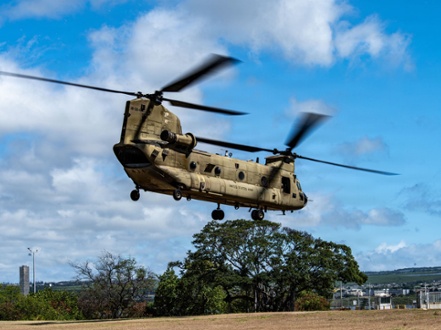
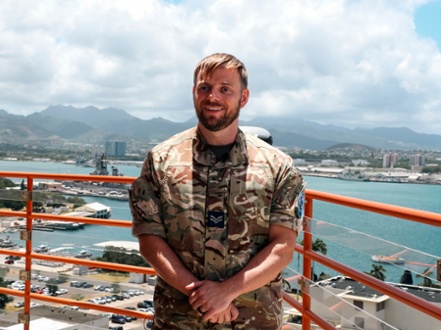
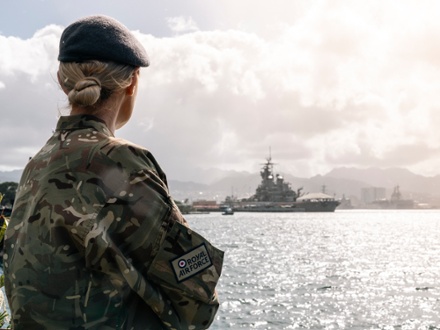
As you cross the bridge into Pearl Harbor, not everyone shaping military operational decisions wears a uniform.
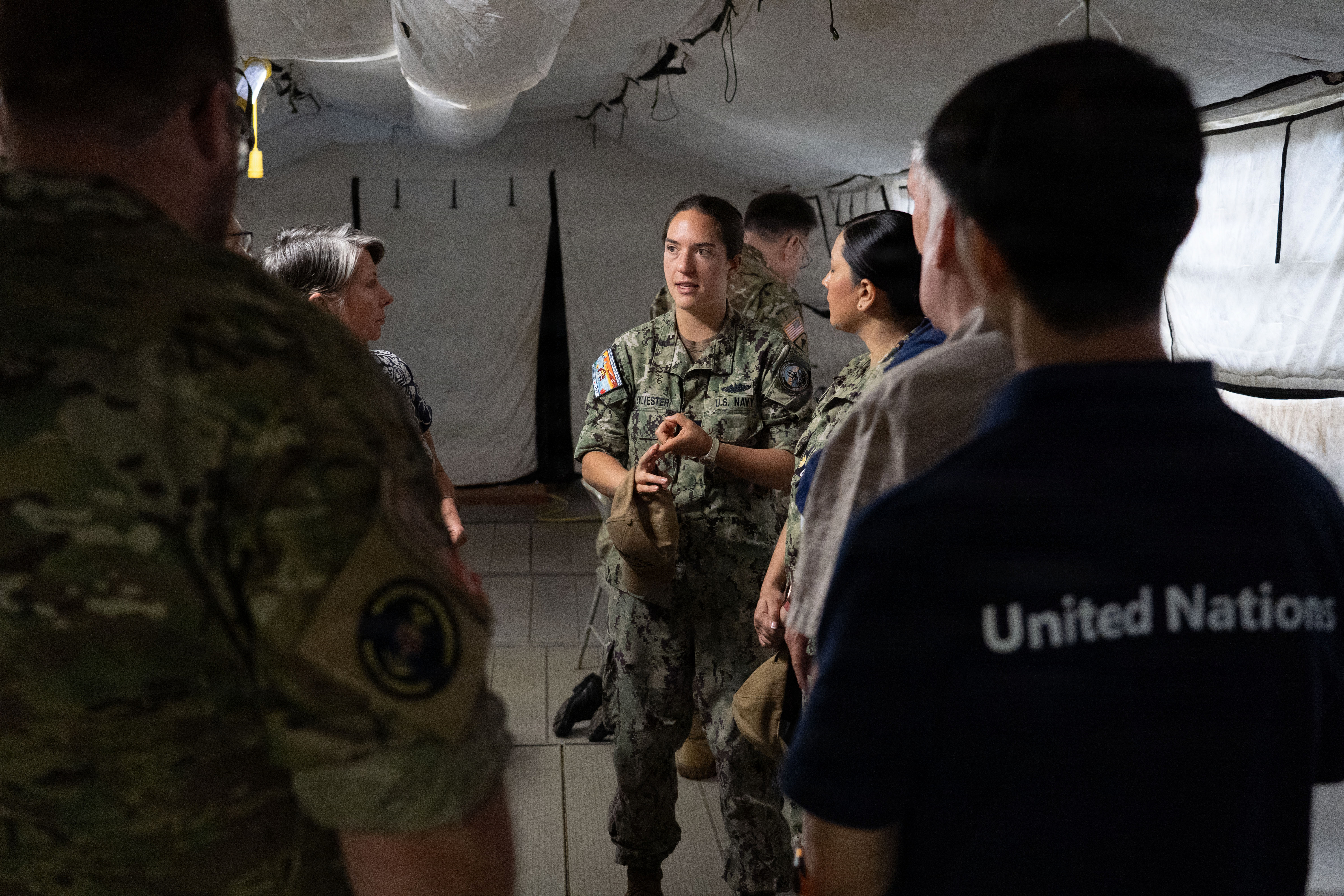
Warships, submarines and support vessels line the harbour, while the unmistakable sound of fast jets and V-22 Ospreys cuts across the Hawaiian sky overhead. Inside the Combined Coalition Task Force Headquarters, personnel from across the world work with quiet purpose on Rim of the Pacific exercise (RIMPAC).
Commanders and planners are balancing training for operations across a coalition of more than two dozen nations, responding to an evolving scenario from humanitarian assistance to high-end military planning. Every decision must be timely, proportionate and legally sound.
Among the RAF personnel deployed to Hawaii are Reservists, Civil Servants and specialist advisers whose expertise rarely makes headlines but shapes almost every outcome. They are part of the RAF’s Whole Force; bringing together the right expertise at the right time to support operational success.
Hannah is a Human Security Policy Adviser from the UK Ministry of Defence, she works inside the Combined Coalition Task Force Headquarters. Working alongside military planners and commanders, she helps bridge the gap between policy, strategy and operations.
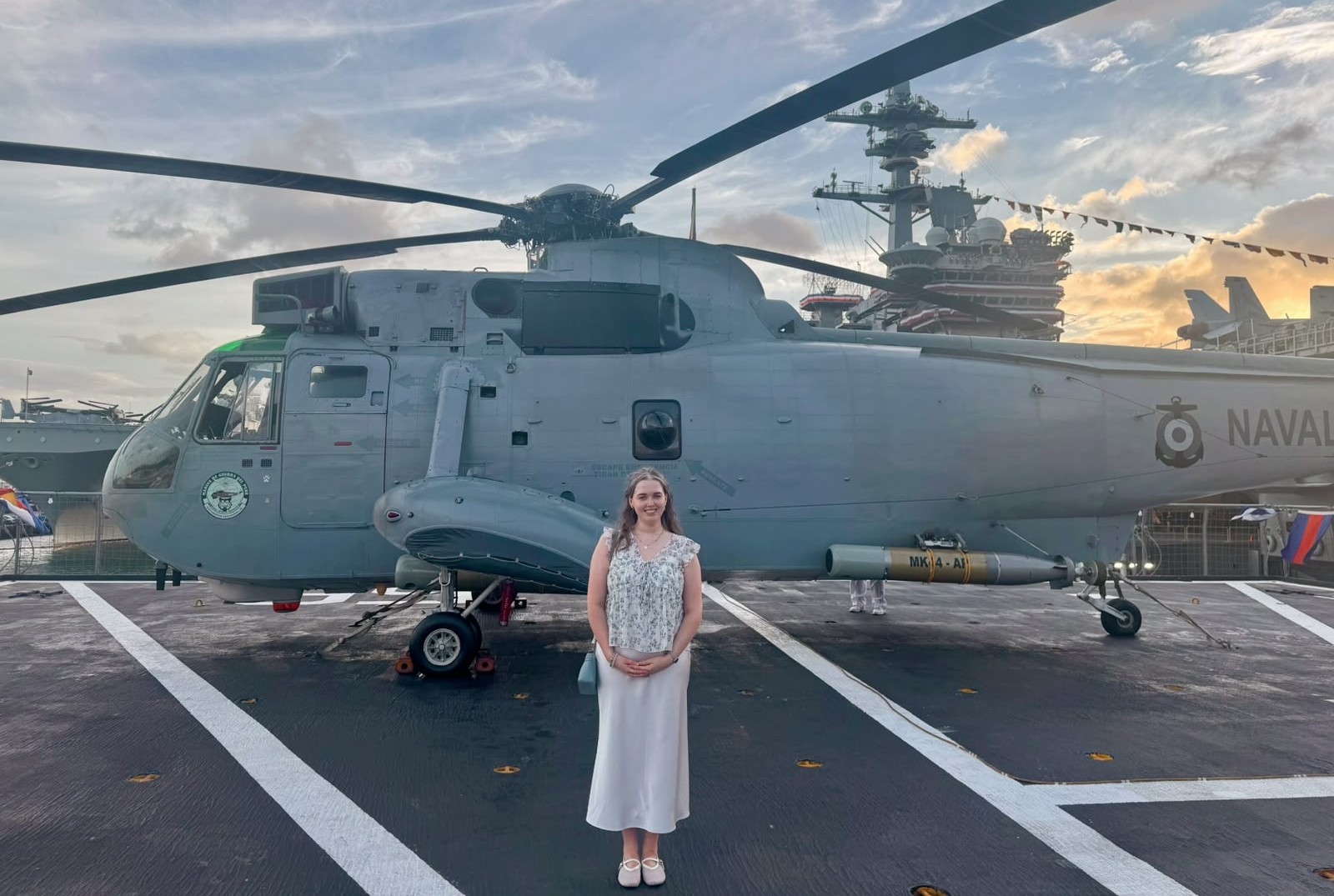
“My role is about providing timely, informed policy advice to the commander,” she explained.
“That means understanding the political environment, the strategic context and the diplomatic considerations that could affect decision making. It also means supporting planners by ensuring they understand the permissions, agreements and wider considerations that enable operations to happen.”
As part of the exercise’s training scenario, coalition nations are responding to communities affected by natural disaster. Questions such as whether aircraft or ships can enter another nation’s airspace or territorial waters, or support an evacuation, are often answered long before the mission begins.
“There is so much information you need to be across,” Hannah said.
“At times that can feel overwhelming, but having clear processes helps simplify that complexity before presenting advice to senior leaders.”
Exercises such as RIMPAC also provide an opportunity to strengthen relationships with international partners.
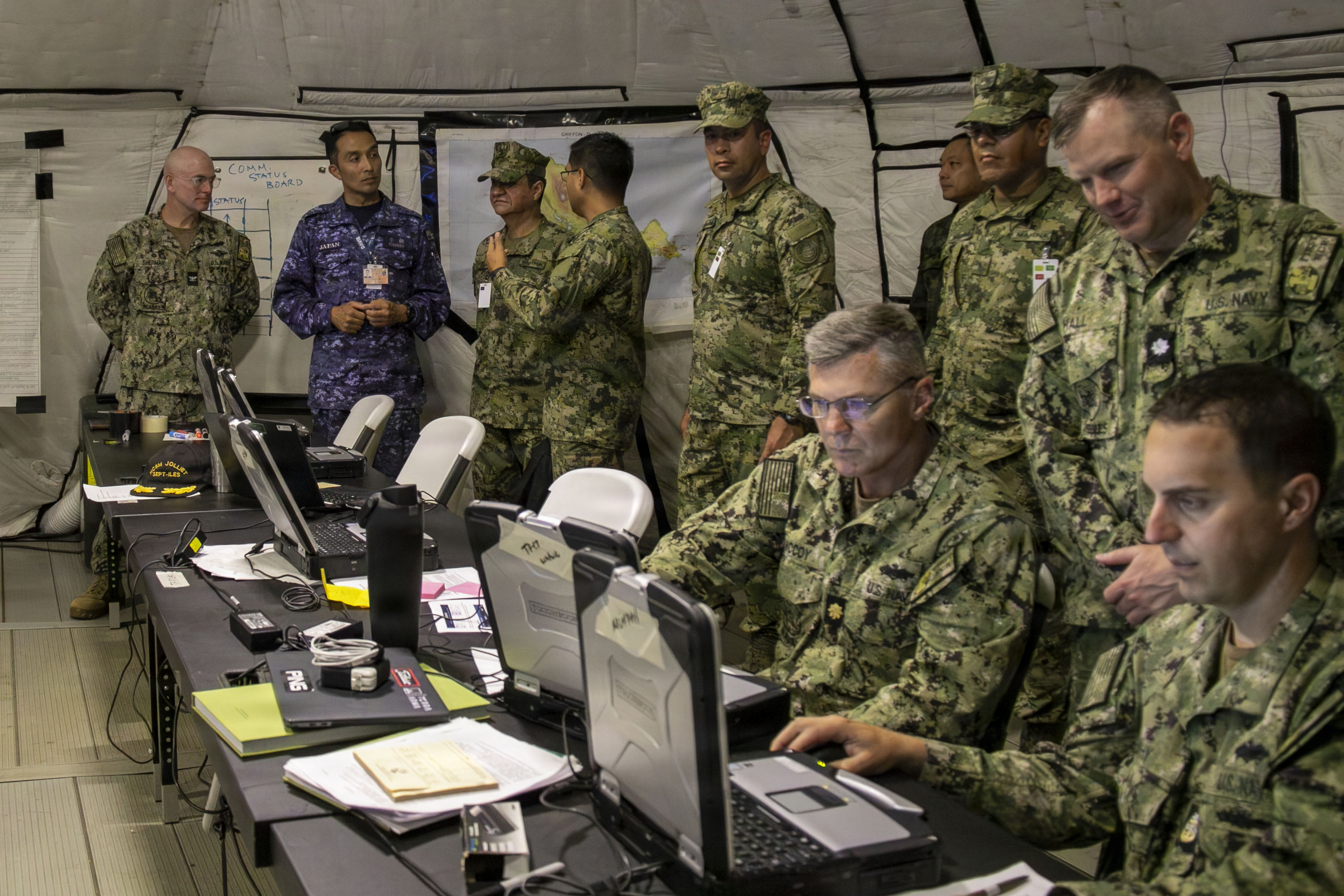
“It’s been a challenge, but a positive one. I’ll take a huge amount back into my day job, and hopefully it prepares me to work in more multinational environments in the future.”
That experience is one of RIMPAC’s greatest strengths. As nations train together, they also learn from one another, improving interoperability and building the relationships that underpin future operations.
Bringing together Regular personnel, Reservists and Civil Servants ensure every decision helps the RAF remain agile, integrated and ready to respond.