

Royal Air Force Typhoon fighter jets lead their allies in NATO’s Flexible Deterrent Options (FDO) training, preparing them to conduct joint operations to secure NATO’s air space.
NATO conducts FDO training to enhance its ability to respond swiftly and effectively to emerging threats across the spectrum of conflict. These activities focus on demonstrating NATO's readiness, adaptability and collective defence capabilities ensuring member states can deter aggression and maintain stability. A key element of FDO training is the integration of air assets, such as the RAF’s Typhoon aircraft, with ground-based air defence systems, enabling a layered and coordinated approach to airspace security.
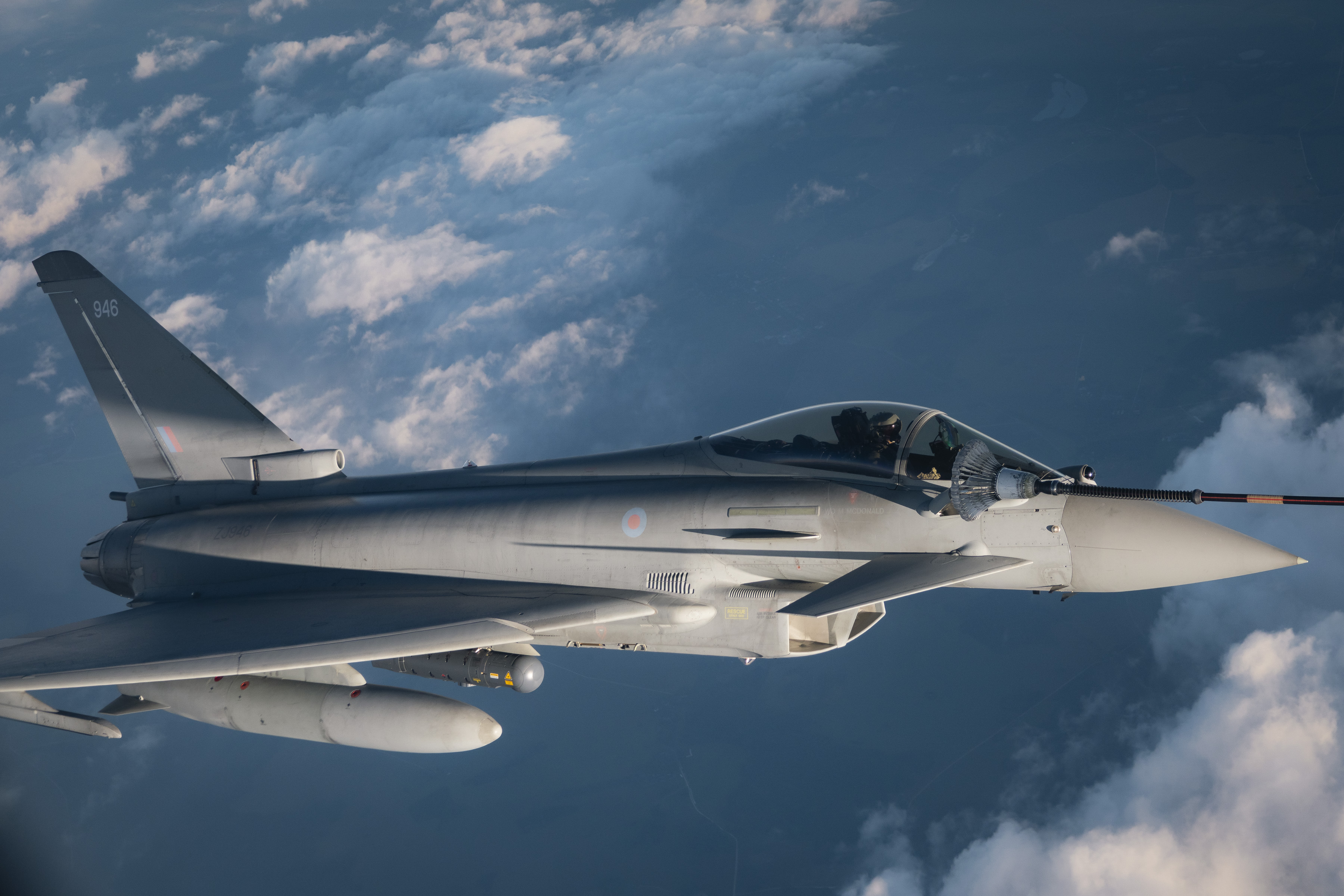
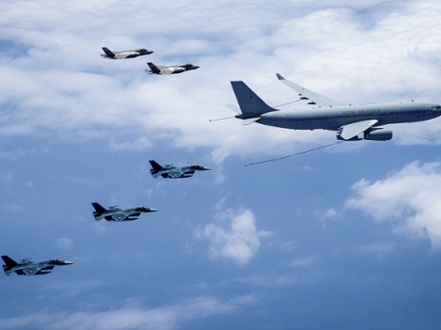
This iteration of FDO training saw the participation of Italian and Spanish Typhoon aircraft, alongside the RAF’s Typhoons, highlighting the strength of NATO’s multinational air power. Additionally, a Spanish A400 provided vital airlift support, while the UK Voyager from 10 Squadron delivered essential air-to-air refuelling capabilities, ensuring sustained operations throughout the exercise. The seamless integration of these assets underscores NATO’s ability to operate as a cohesive and effective force.
"Participating in NATO’s Flexible Deterrent Options training allows the RAF to demonstrate the exceptional capability of the Typhoon and its integration with NATO’s wider air and ground-based defence systems. Launching from multiple locations, and combining in a complex mission scenario, the involvement of Italian and Spanish Typhoons, the Spanish A400, and the UK Voyager further highlights the strength of NATO’s collective air power and ability harness it over great distances. These exercises are critical to ensuring we remain ready to respond to any threat, while reinforcing the strength and unity of the Alliance.’’
Wing Commander Pearson, Officer Commanding IX(B) Squadron
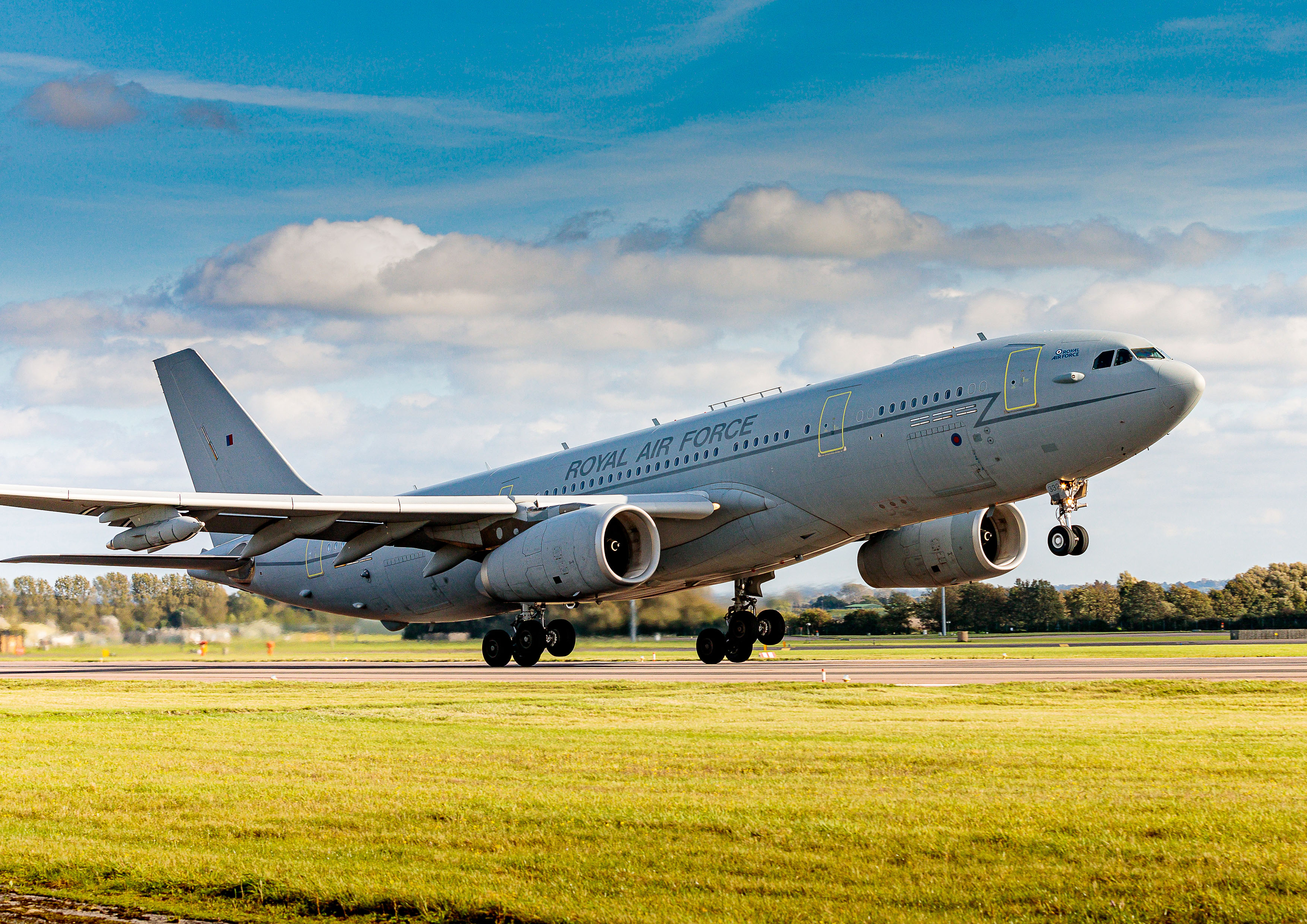
The RAF plays a vital role in these exercises, showcasing its world-class capabilities and commitment to NATO’s collective defence. By practising a range of military, diplomatic, and economic responses, NATO reinforces its commitment to protecting Alliance territory and populations while sending a clear message of unity and resolve to potential adversaries. This training also strengthens interoperability among member forces, ensuring seamless coordination in real-world scenarios.