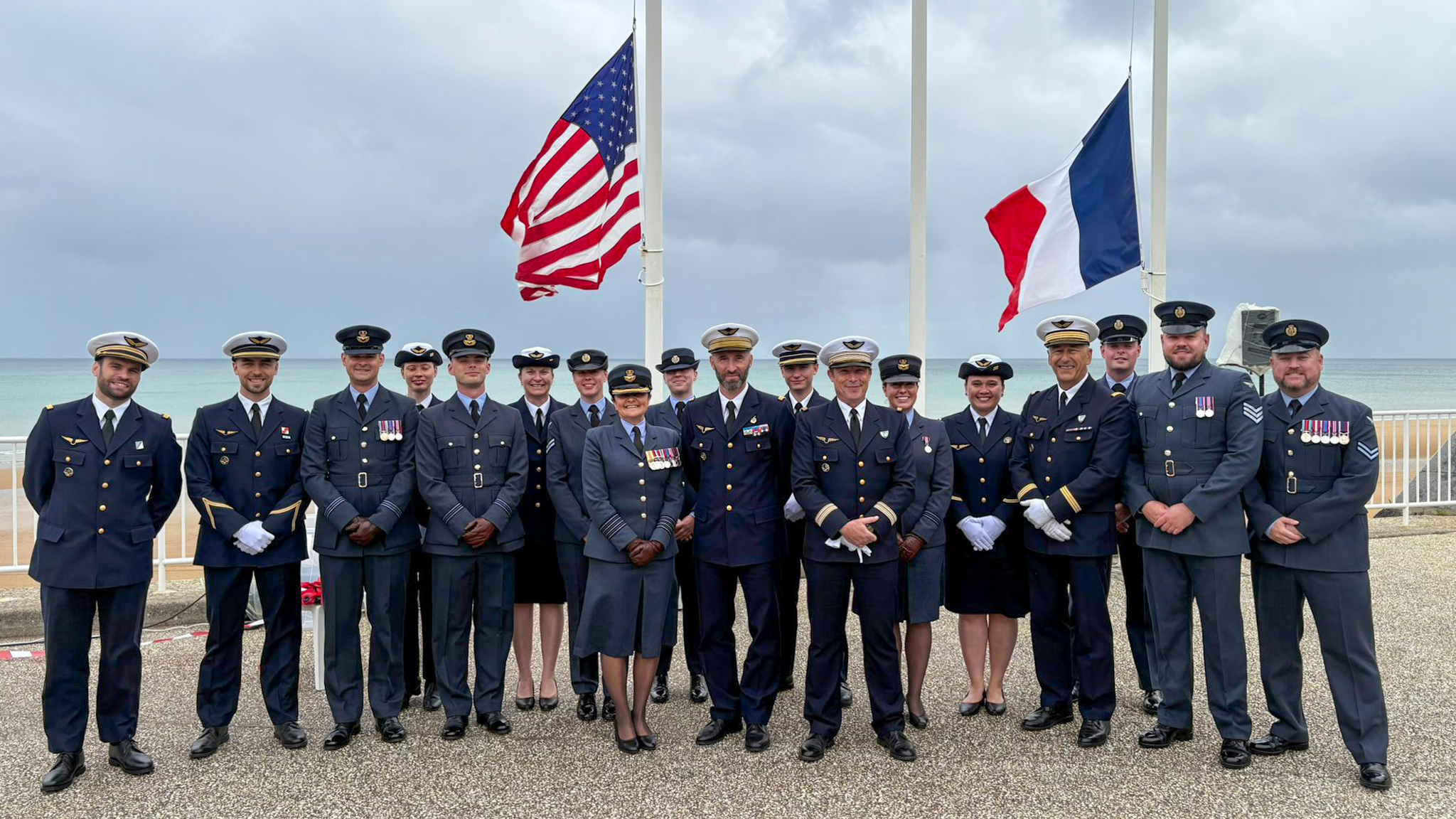
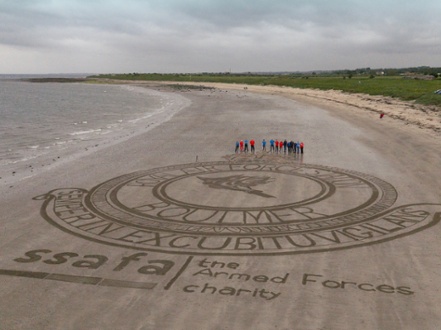
Personnel from RAF Boulmer and the Air Command and Control Force recently visited Normandy as part of a Force Development expedition marking the 82nd anniversary of the D-Day landings.
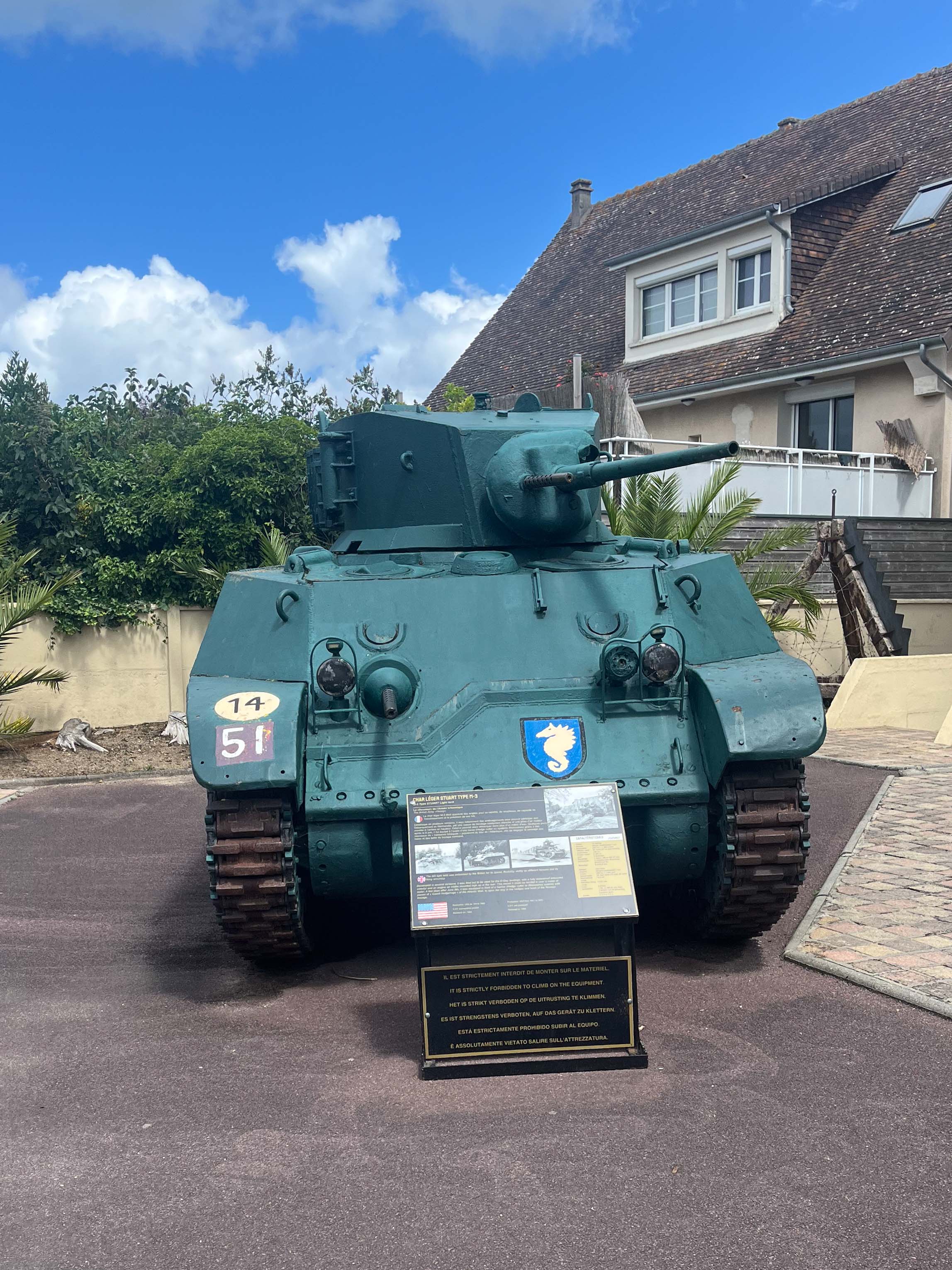
The event brought together RAF personnel from multiple squadrons and sections, representing the Service alongside international military partners and engaging with the public during a significant week of commemorative activity.
The programme focused on understanding the critical role played by the RAF and 21 Base Defence Sector (BDS) during the Normandy landings, particularly the deployment of mobile radar units 15082 and 15083 GCI, which landed on 6 June 1944.
The week began with a visit to Southwick House, where participants examined the original wall-mounted operations map used to coordinate Allied forces during the landings. This set the foundation for a series of stands delivered throughout the exercise, designed to deepen understanding of both historical operations and their relevance to modern capability.
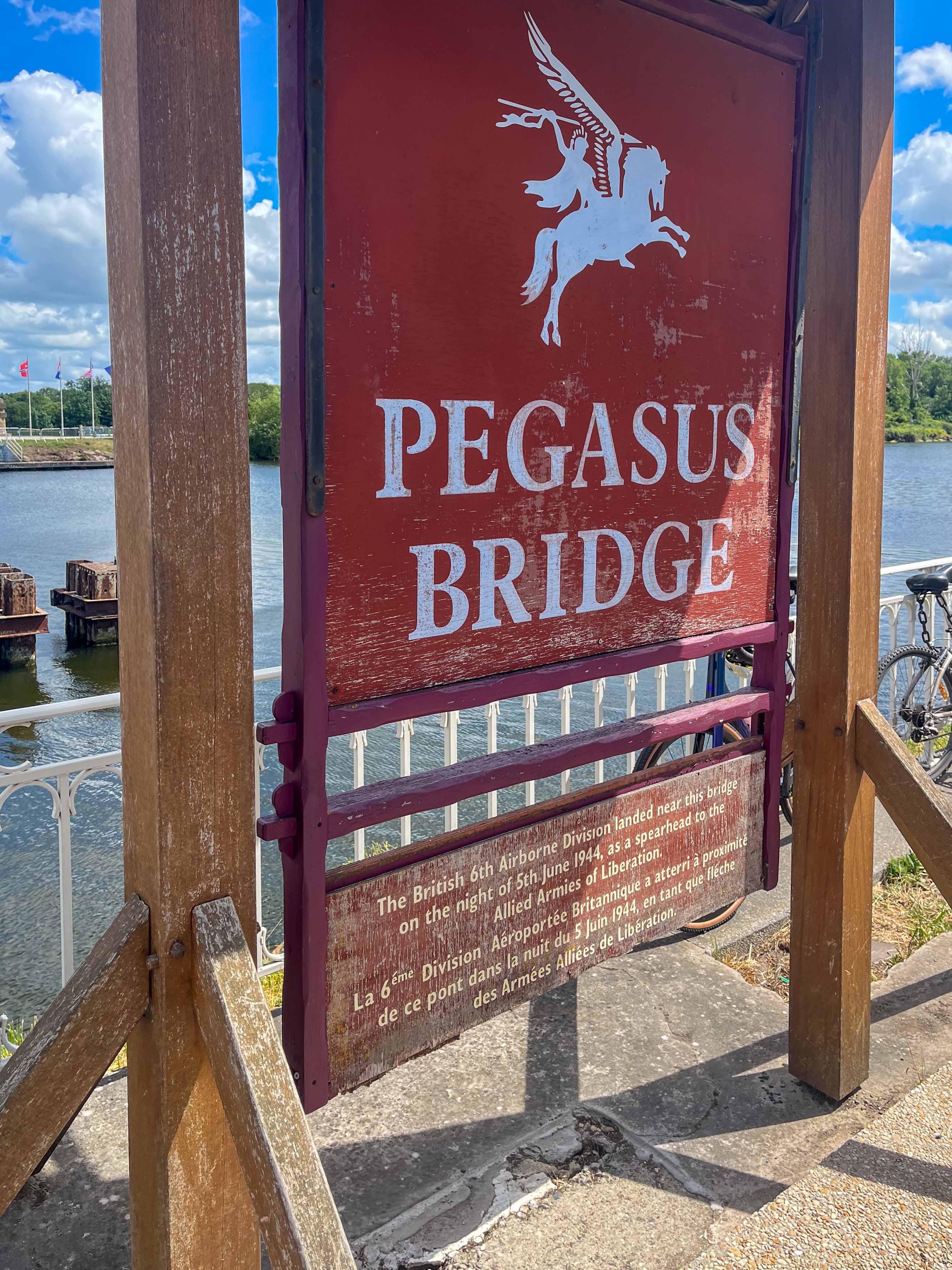
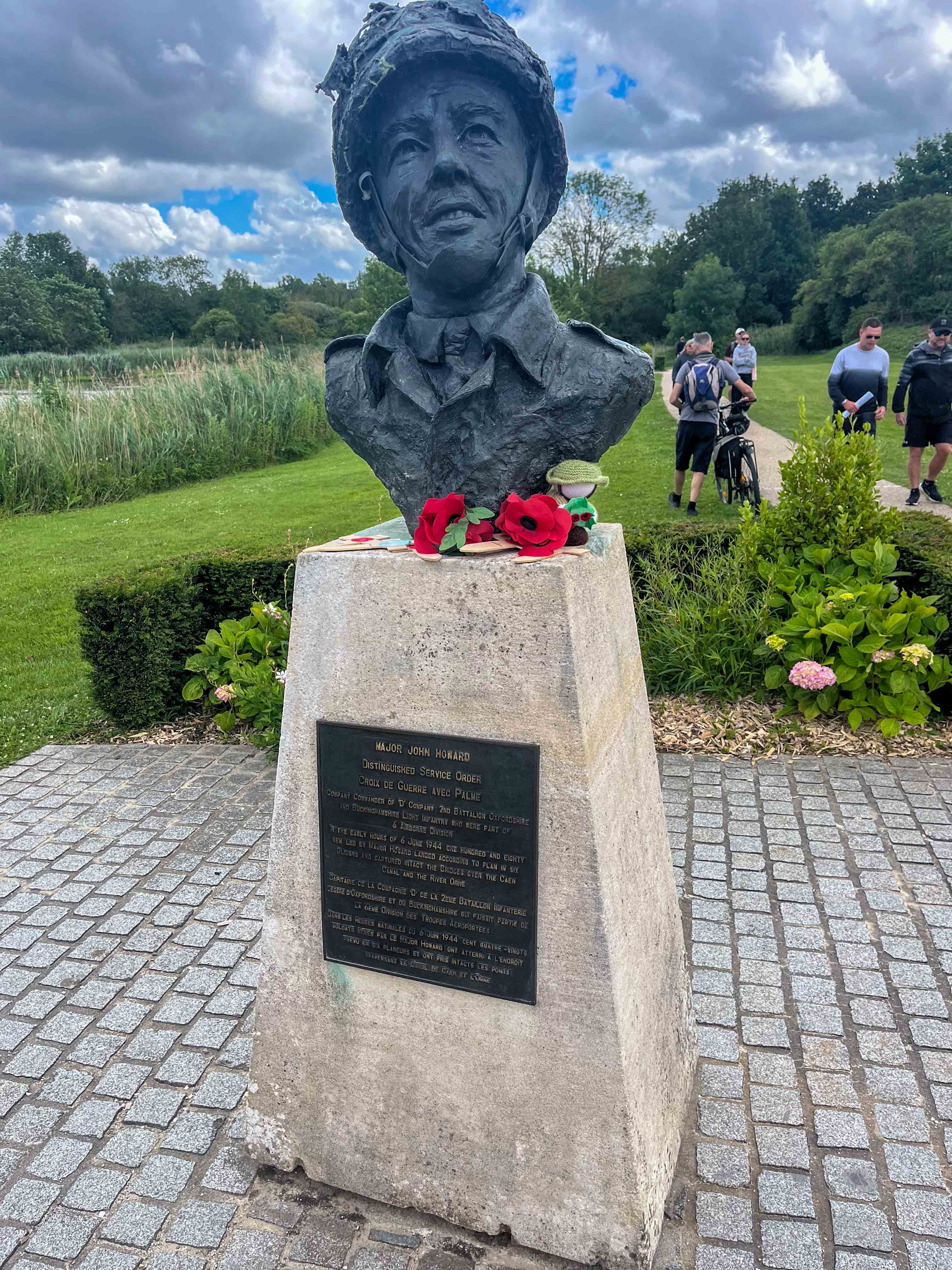
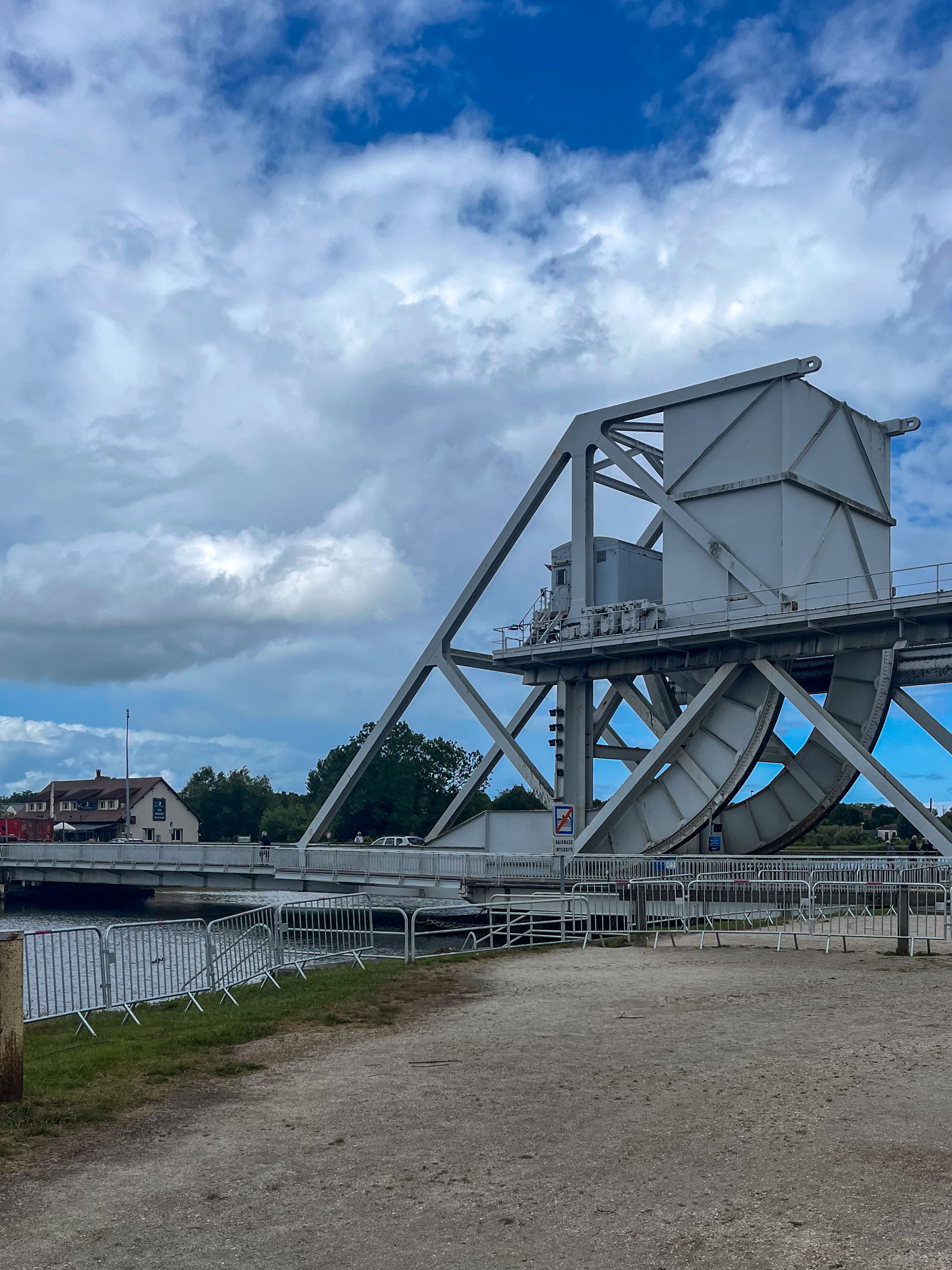
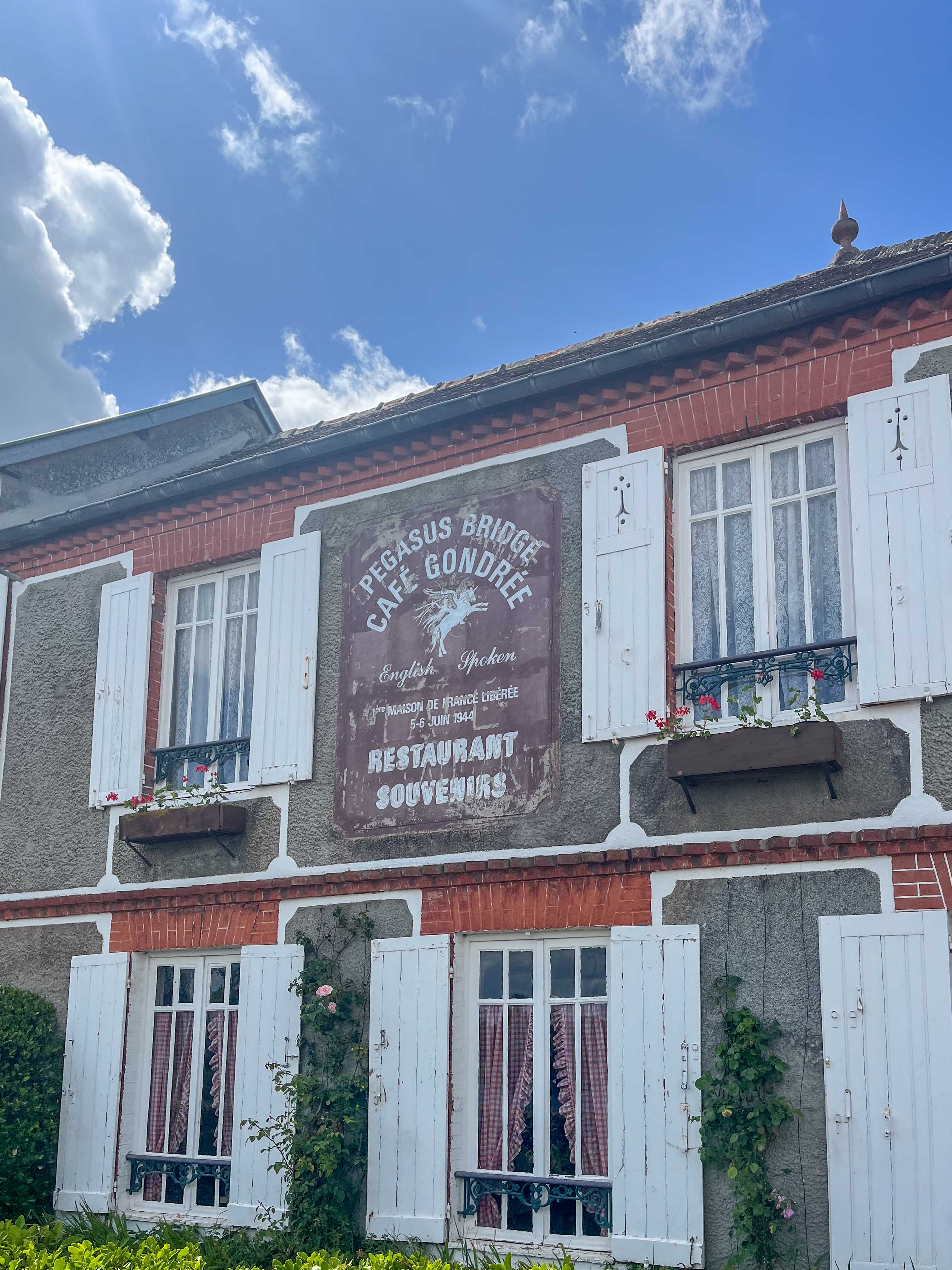
At Sword Beach, the group explored how airspace was prepared to enable successful land operations, while a visit to Pegasus Bridge highlighted the significance of glider assaults under Operation DEADSTICK in securing a vital foothold in Normandy.
The expedition also included time at Pointe-du-Hoc, where personnel gained an appreciation of the formidable German defences and the intensity of the fighting required to overcome them. At Omaha Beach, discussions centred on the effectiveness of mobile radar and Ground Controlled Interception, with comparisons drawn to modern-day RAF capabilities.
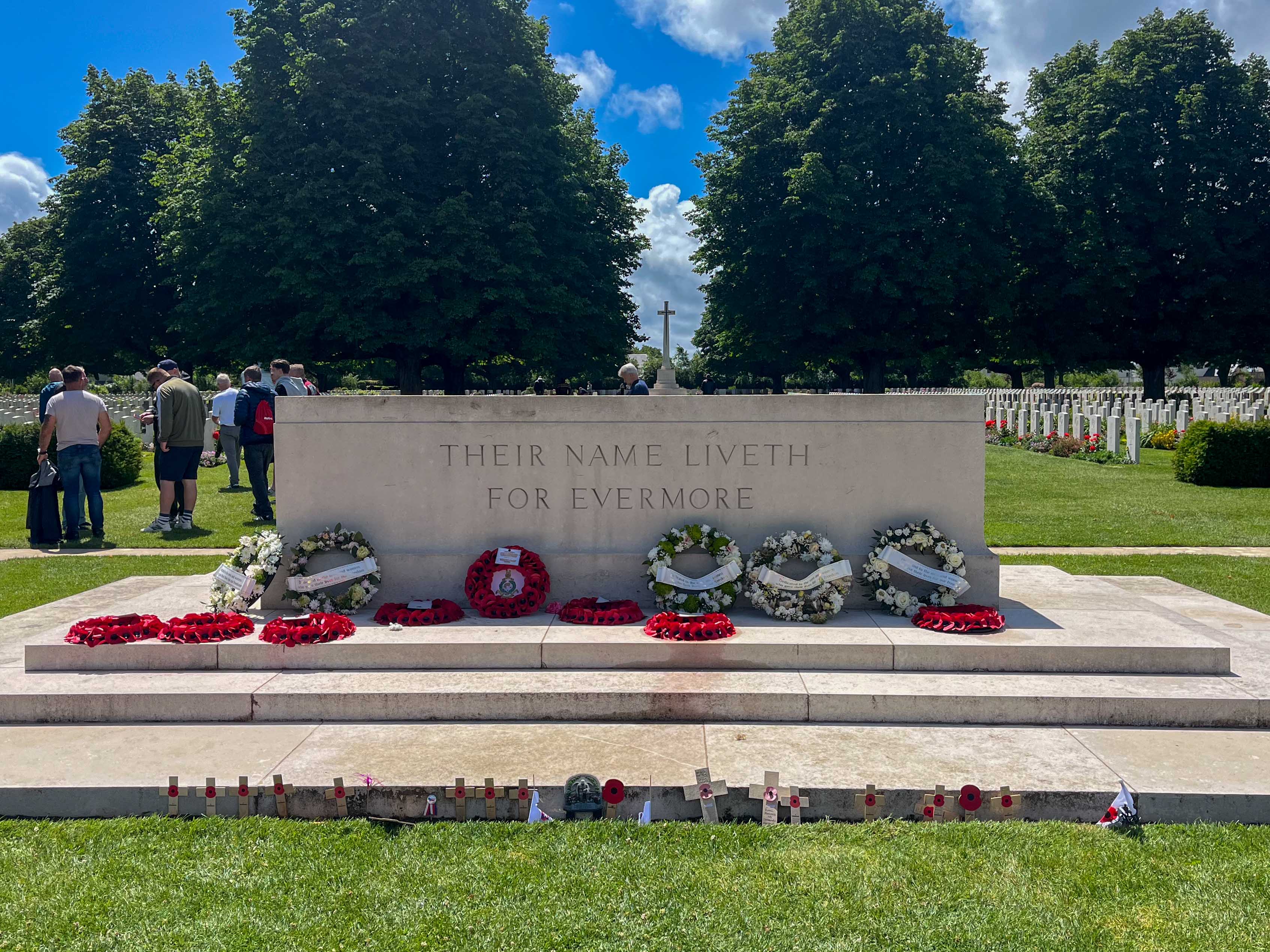
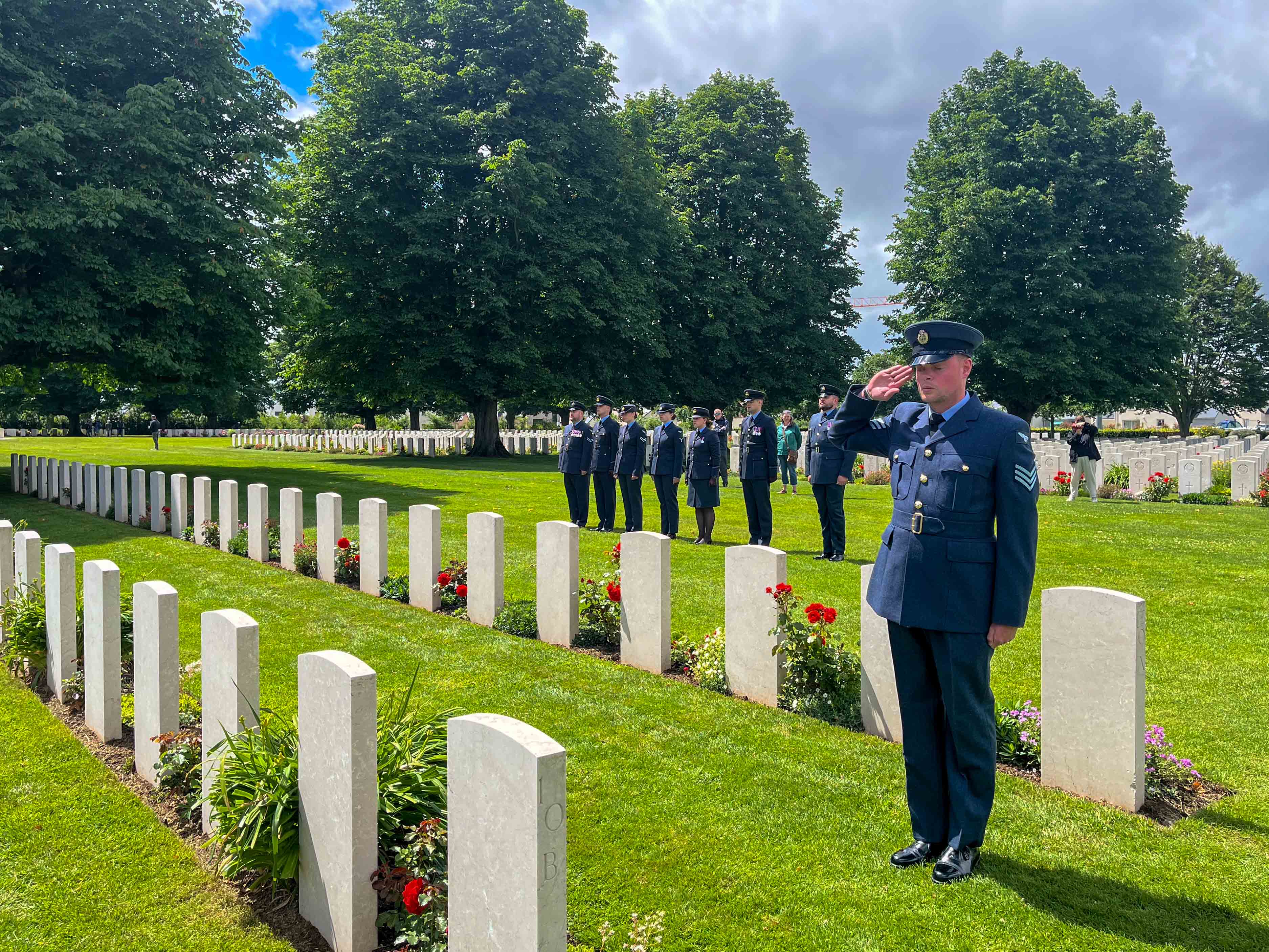
A particularly poignant moment came at the Commonwealth War Graves Commission Cemetery in Bayeux, where members of the group laid a remembrance cross provided by the Royal British Legion. This afforded time for quiet reflection on the sacrifices made by those who lost their lives during the campaign.
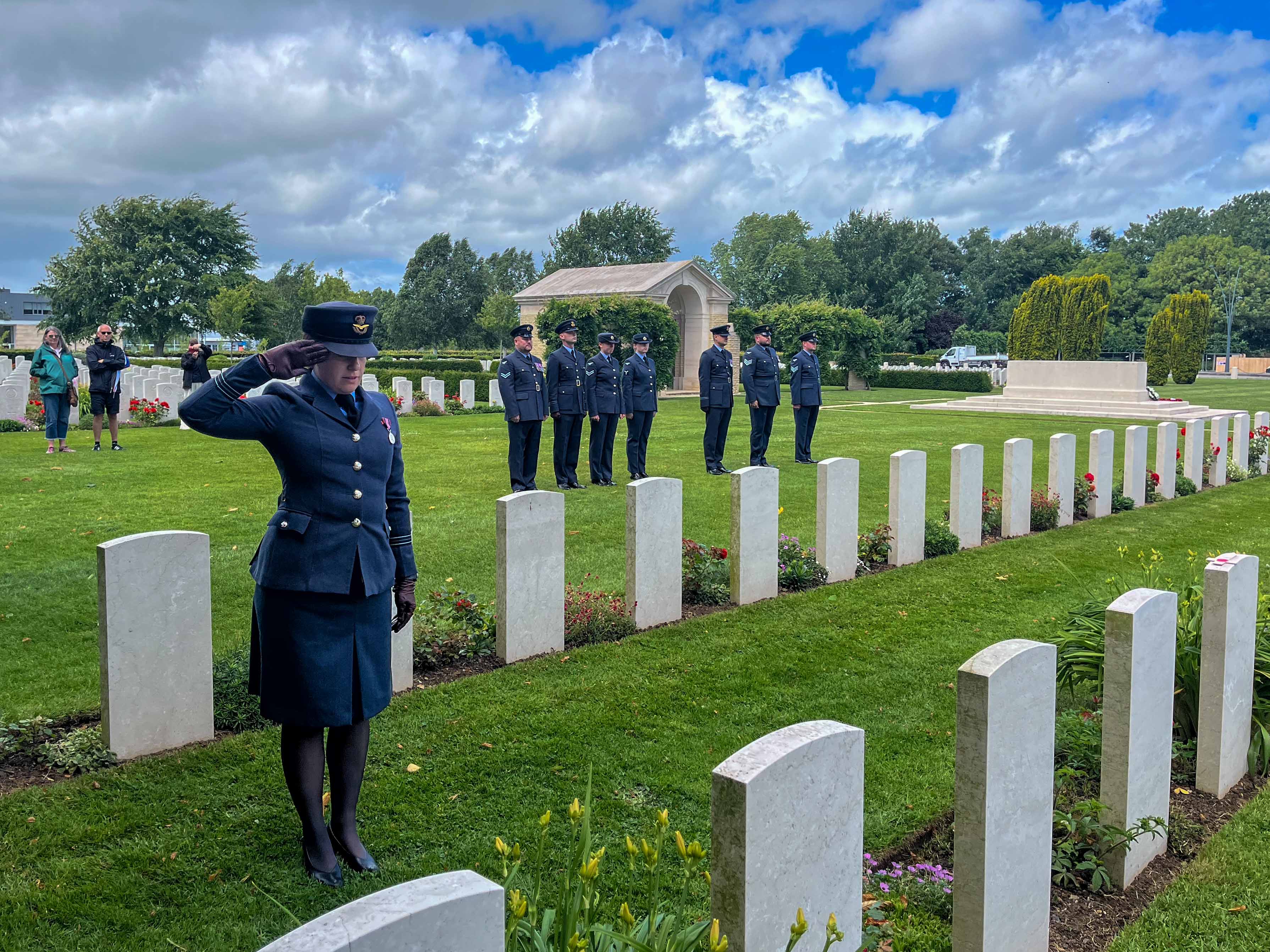
The Force Development phase concluded with further stands at Arromanches and the Hill 112 Memorial, examining the vast logistical effort required to sustain Allied forces following the landings, as well as the intense armoured battles fought inland in the weeks that followed.
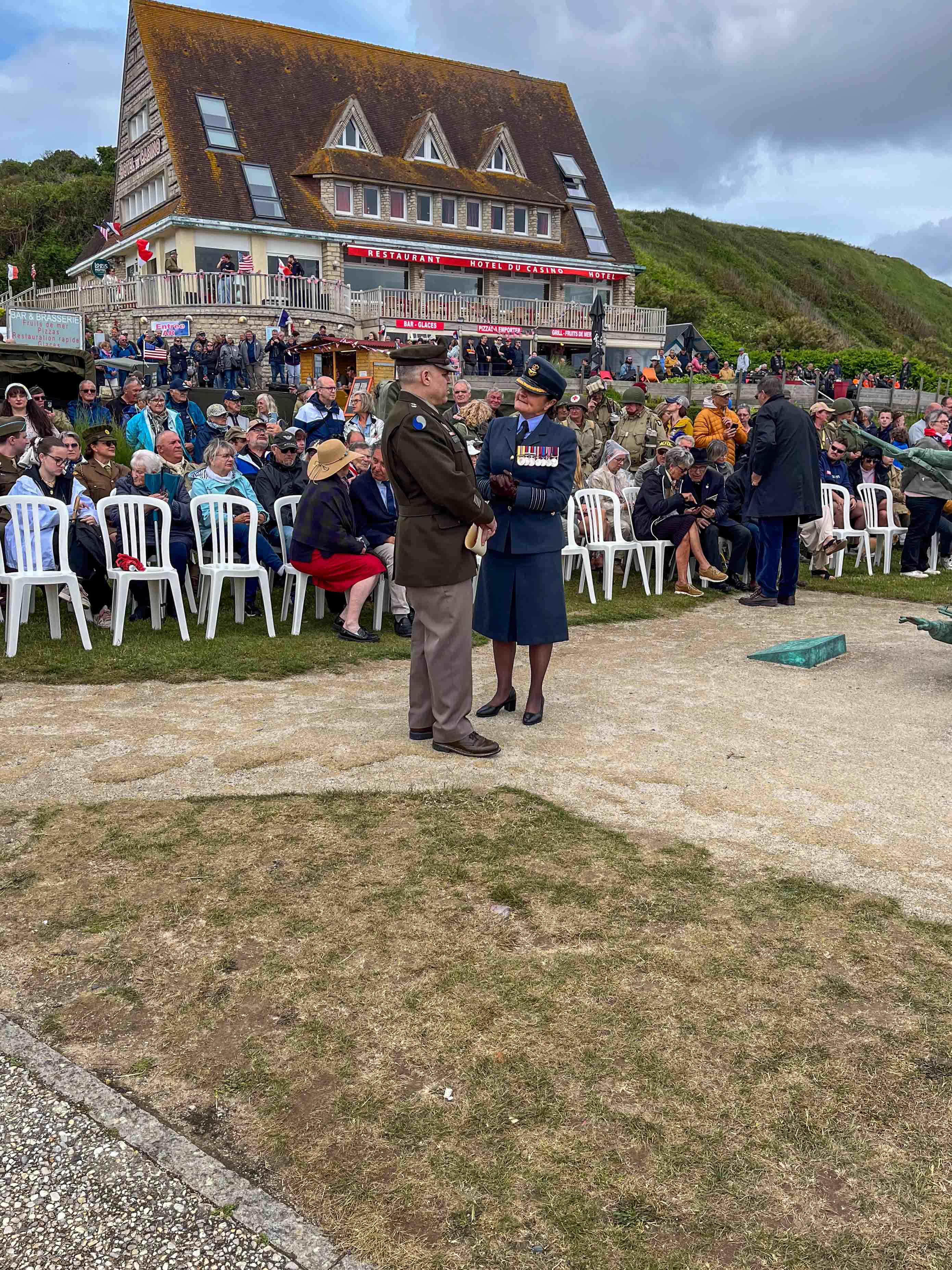
The expedition culminated in a formal commemorative service at Omaha Beach, near the RAF 21 BDS memorial. Hosted by the Mayor of Vierville-sur-Mer, the event was attended by representatives from the French Air Force and the US 29th Infantry Division, alongside a large public audience. Speeches of remembrance were delivered by civic and military leaders, including General Nordhaus and Air Command and Control Force Commander, Group Captain Foy.
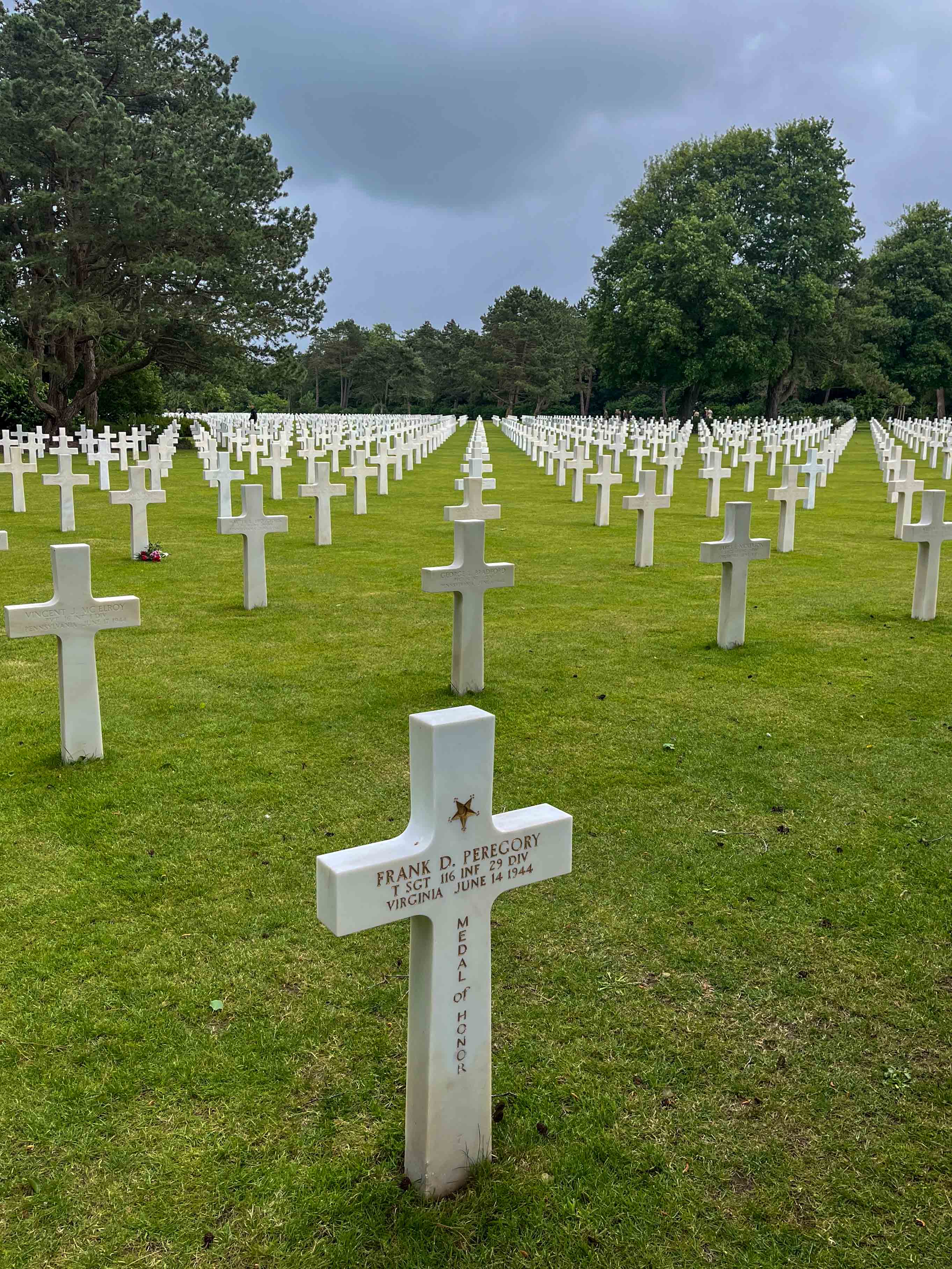
A private ceremony followed, dedicated to those of 21 BDS who lost their lives. Led and translated by Wing Commander Gagnon, the reading of names provided a powerful and personal moment of reflection for all in attendance.
"It was a real honour to lead RAF personnel on this expedition. Every individual demonstrated the highest levels of professionalism, respect and discipline throughout. The feedback has been overwhelmingly positive, with many expressing a strong desire to support and participate in similar exercises in the future."
Flight Lieutenant Matthews
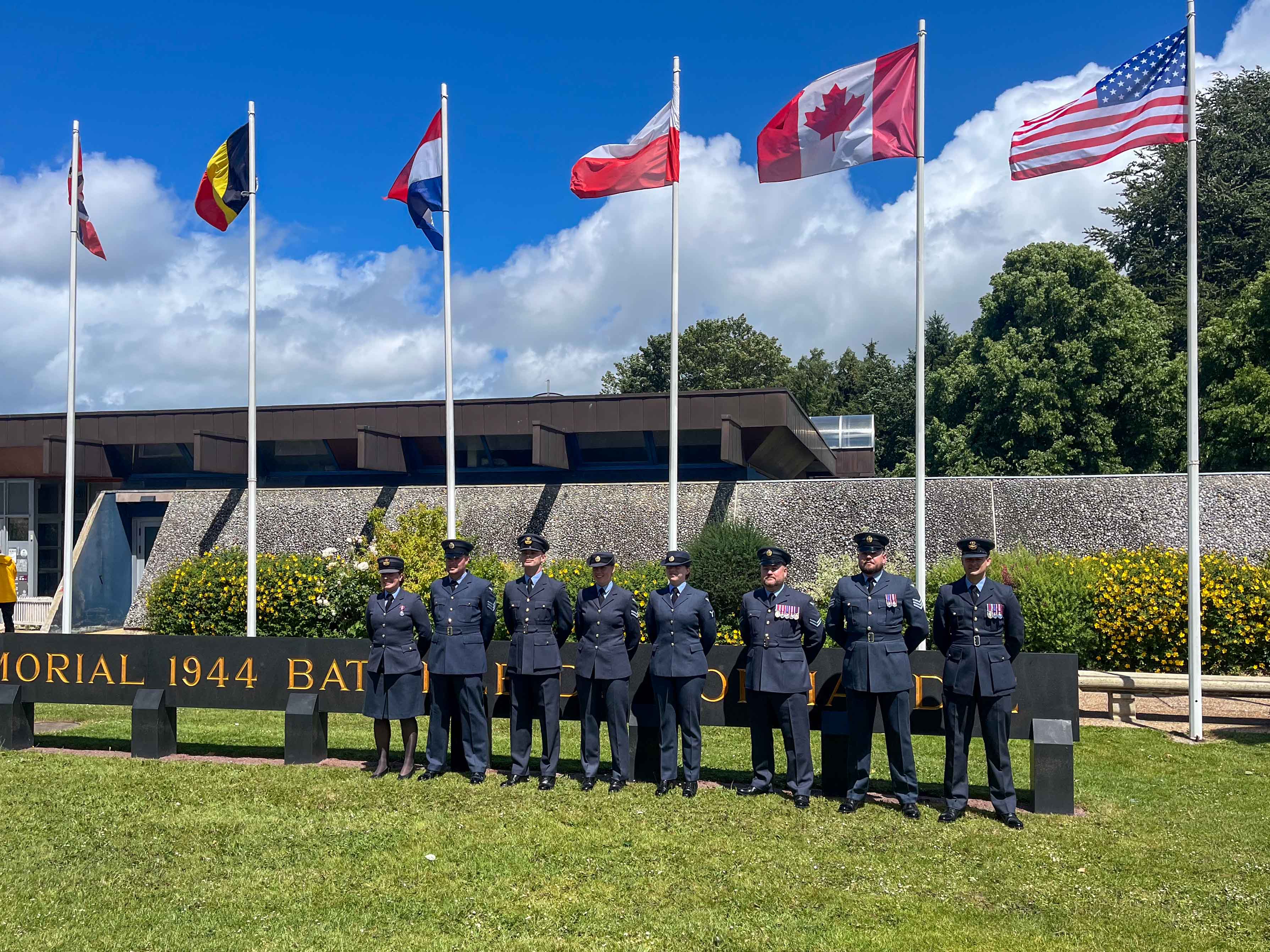
Exercise NEPTUNE SIGNAL provided a valuable opportunity for RAF personnel to connect with their Service's heritage, honour the legacy of those who served, and apply those lessons to contemporary operations, ensuring the significance of D-Day continues to resonate with future generations.