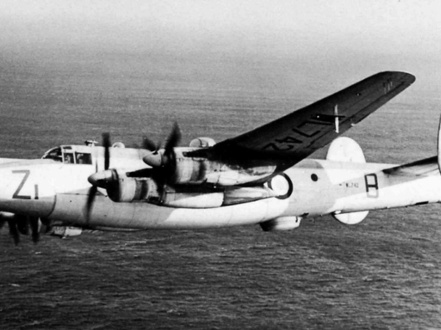
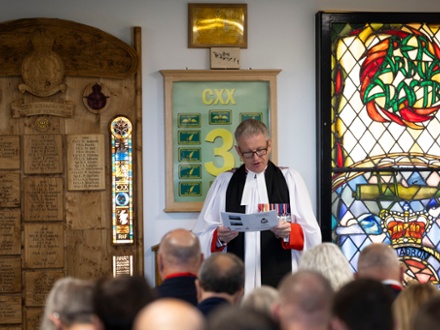
Our second installment of the #HistoryOf42 Series looks at an often-overlooked crew member: the pigeon.
In particular ‘Winkie’, whose story is held dear by all members of 42 (TB) Squadron.
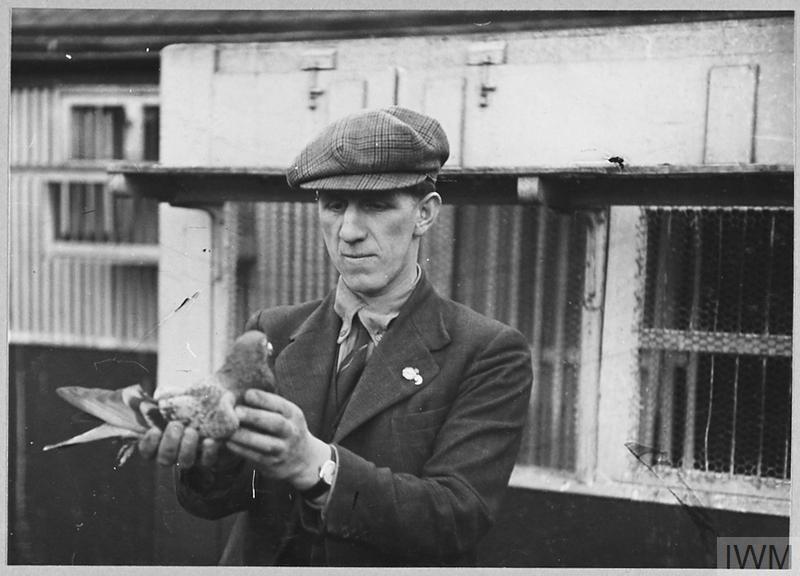
The use of pigeons in WW2 was first drawn up by the International Pigeon Board in 1936. In total the National Pigeon Service would provide 215,750 young birds which would be used across defence.
The first RAF pigeons were supplied in November 1939. These birds were used to send a message back to base in an emergency. This was required for any crew that was operating under 5,000', as emergency transmissions were unlikely to be picked up. Any aircraft that had ditched or crashed into the sea were also unlikely to have a working radio. However, with a top speed of about 50 mph it would take at least 6 hours for a bird to cover around 3000 miles.
Winkie (RAF NEHU 40 NSL) was one of these RAF pigeons. Specifically, a Blue Checker Hen bird, trained for RAF service by Mr George Ross of Broughty Ferry.
On the 23rd of February 1942, Winkie was allocated (along with another bird) to the crew of Squadron Leader (Sqn Ldr) 'Hedley' Cliff who were conducting a reconnaissance and offensive sweep off the coast of Norway.
They along with 5 other crews from No 42 (TB) Sqn were operating from RAF Sumburgh (Shetland) but expected to return to RAF Leuchars (Fife) on completion of their mission.
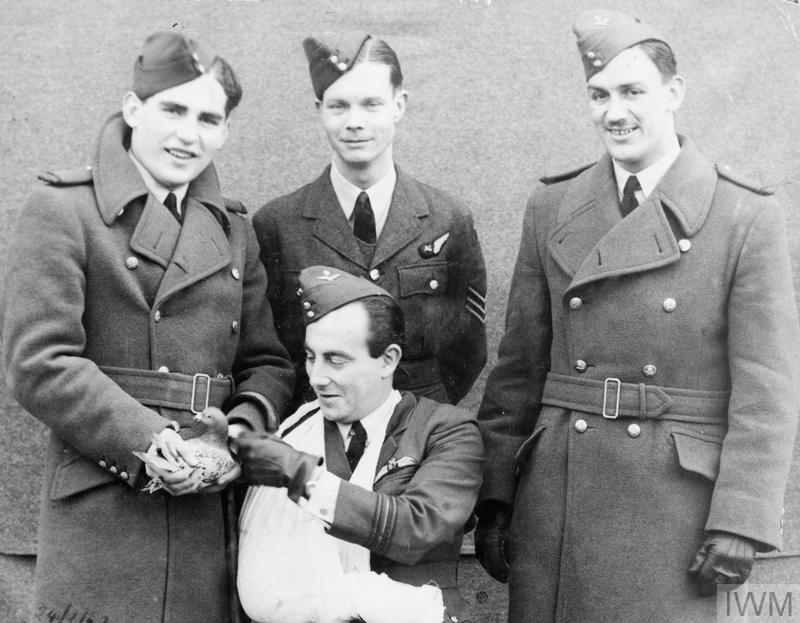
Once Sqn Ldr Cliff and his crew had completed their reconnaissance they set off for RAF Leuchars. On their return things took a turn for the worse when the port engine unexpectedly exploded.
Flying at only 500' there wasn't a lot of time to prepare for the inevitable ditching. A short SOS call was made, but had it reached land? They couldn’t know.
Once the aircraft settled on the water, the crew boarded their life raft, which had fortunately survived the turbulent ditching. As they prepared to cast away, it was time for one last effort to get a message to land: release the pigeons.

Sgt Venn, who had carried the caged pigeons to the safety of the raft, struggled to get Winkie out of her canister and as a result she escaped without having a message attached to her leg.
A message was attached to the second bird, and it was released. What the crew couldn't know was that this bird would never be seen again... instead, by chance, Winkie would be their salvation.
Back at RAF Leuchars, Plt Off McDonald's SOS message had been received but it was so weak that it couldn't be pinpointed. As a result, the search for the crew was conducted by guessing their location. The Catalina flying boat would spend all night searching, to no avail.
The next morning in Broughtyferry, an unaware and unsuspecting George Ross was conducting his usual inspection of the pigeon loft and was surprised to find... Winkie; exhausted and somehow, home.
Finding no message in Winkie's canister, George reported his discovery to RAF Leuchars. They confirmed which crew Winkie had been allocated to but, without a message, where would they begin to look?

Inspecting Winkie, George estimated that she had flown approximately150 miles. He also noted that there were traces of oil on her feathers, meaning she had likely taken rest on an oil tanker somewhere during her journey. That was the key piece of information the RAF needed.
Contacting Rosyth Shipping Control, they confirmed only one tanker was known to be in the North Sea. A Hudson from 320 Sqn was sent out using this new information to update their search location. This crew located the stranded 42 (TB) Sqn airmen and dropped them a smoke marker and Thornbury Bag - a bag containing rations, water and cigarettes.

After some time, a Beaufort from No 42 (TB) Sqn replaced the Hudson. The crew in the Beaufort were able to guide High Speed Launch 118 (HSL 118) towards the dinghy. When HSL 118 arrived the crew swiftly picked up Sqn Ldr Cliff and his crew. As they returned to Blyth tots of rum were administered along with other first aid.
Following check-ups in the hospital, Sqn Ldr Cliff and his crew returned to RAF Leuchars where they were placed on 3 weeks of sick leave to recover from their ordeal.
When they returned to the Squadron a special dinner was held for Sqn Ldr Cliff, who had been awarded the DSO for a mission 10 days prior to the ditching. The guest of honour at the event? Winkie.
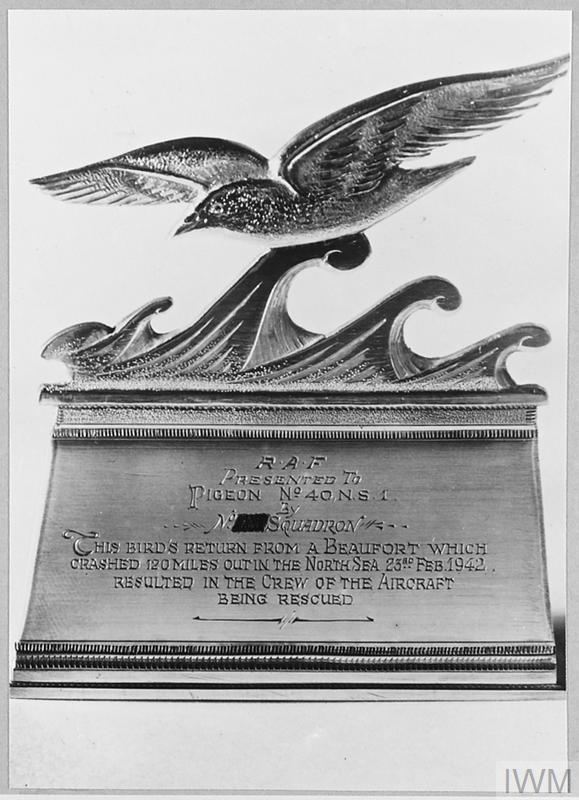
Winkie's story would continue, gaining everlasting fame when she was awarded the very first Dikin Medal by Maria Dickin CBE on 2 Dec 43.
Upon Winkie's death in 1953 George Ross had Winkie stuffed and presented her along with her Dickin Medal to The McManus Art Gallery and Museum in Dundee. It is here that she can be found to this day.