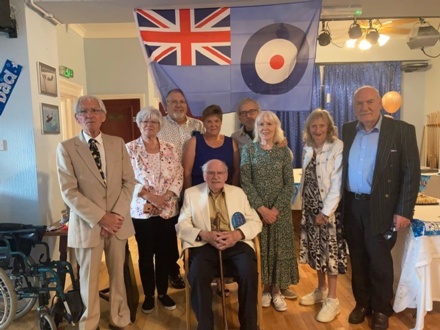
October is Black History Month, giving us an opportunity to shine the light on some Black individuals in the RAF, whose historical contributions shaped the way we live today.
Flight Lieutenant Arthur Wint OD MBE
Flight Lieutenant Arthur Wint OD MBE was a Spitfire pilot and Jamaica’s first ever Olympic gold medallist.
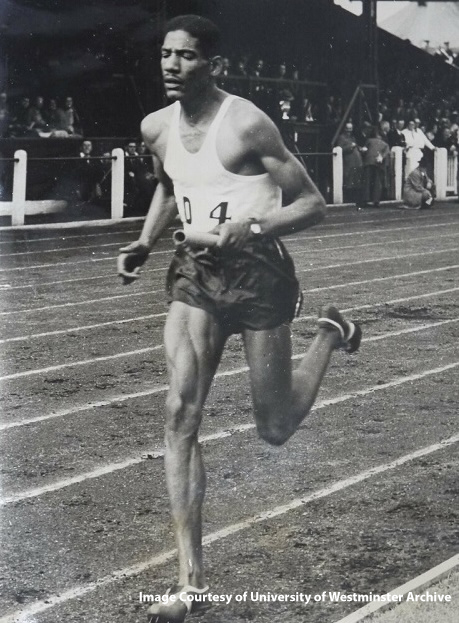
Born in 1920 in Jamaica, Arthur earned his wings in 1944, as an RAF Flight Lieutenant during the Second World War. He later left the RAF to study medicine at St Bartholomew's Hospital, becoming a surgeon, all while training to eventually win the first Olympic gold for Jamaica in the 400 metres race at the 1948 London Olympic Games.
Arthur strongly believed in not giving up through hardship to succeed in his goals. Arthur helped shine a positive light on Jamaica and became well respected. There's a statue of him outside the National Stadium on Arthur Wint Drive - named after him - in Kingston, Jamaica.
Read more about Arthur’s story here.
Leading Aircraftwoman (Acting Corporal) Lilian Bader
Leading Aircraftwoman (Acting Corporal) Lilian Bader was one of the first black women in the RAF.
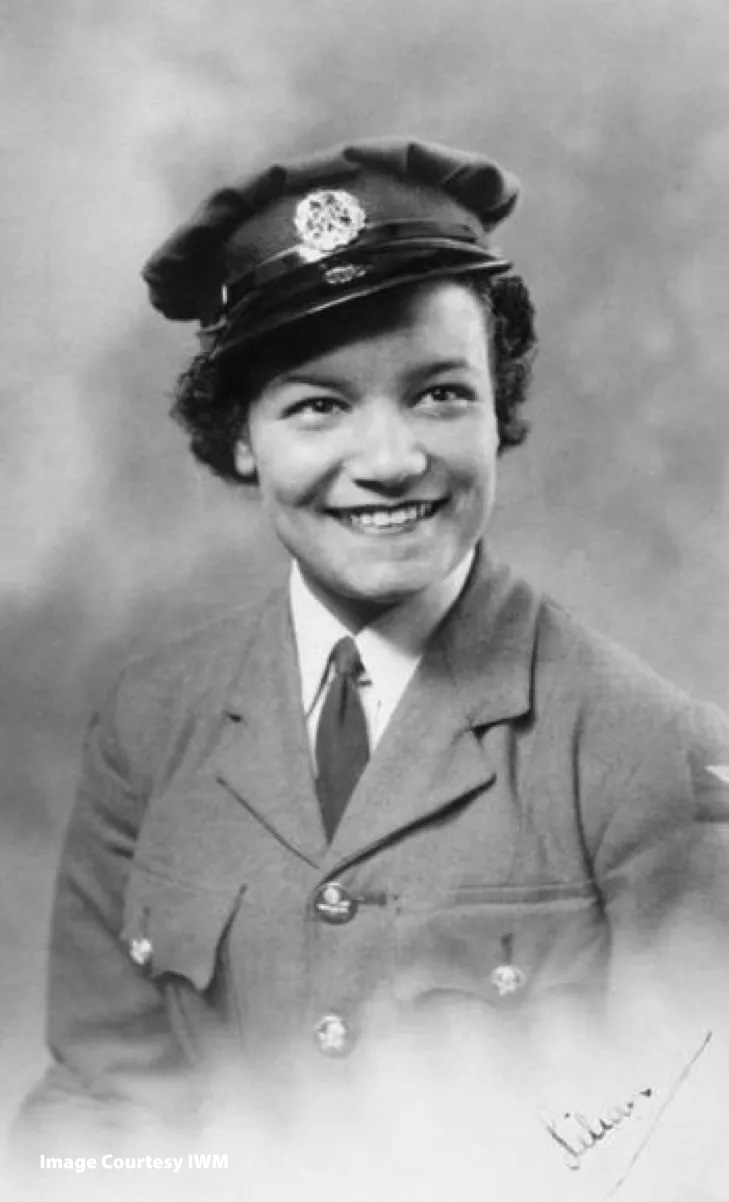
Born in Liverpool in 1918, Lilian was from a family of Service Personnel.
With the onset of the Second World War, Lilian worked briefly in a Navy, Army and Air Force Institutes canteen, but her race greatly limited job opportunities and she was dismissed when they discovered her father’s heritage.
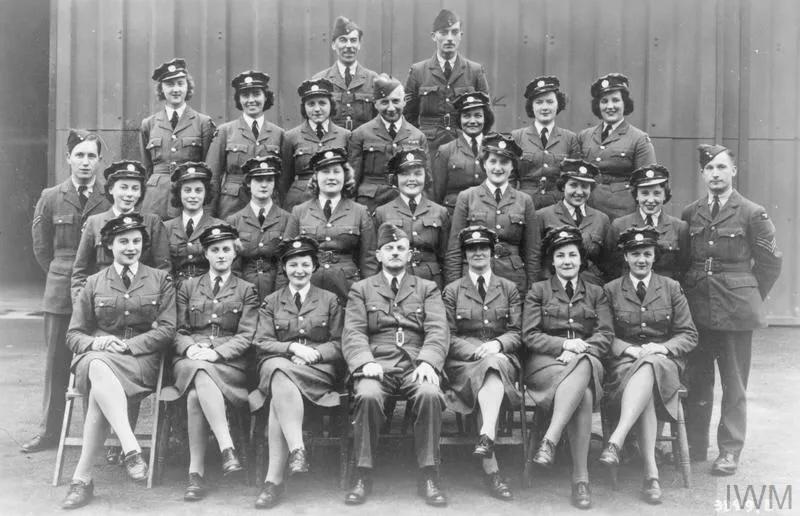
In 1941, Lilian volunteered to join the Women’s Auxiliary Air Force as an Instrument Repairer and was one of the first women in the Air Force to qualify in that trade. Posted to RAF Shawbury, Lilian worked on Airspeed Oxfords, where she was promoted to Acting Corporal.
Later in 1943, Lilian married Ramsay Bader, a tank driver, and was discharged from service after falling pregnant. Lilian went on to graduate from the University of London, becoming a teacher.
Lilian commented on her family’s serving background:
Father served in the First World War, his three children served in the Second World War. I married a coloured man who was in the Second World War, as was his brother who was decorated for bravery in Burma. Their father also served in the First World War. Our son was a helicopter pilot, he served in Northern Ireland. So all in all, I think we’ve given back more to this country than we’ve received.
Lilian Bader passed away on 14 March 2015.
Read more about Lilian’s story here.
Flight Lieutenant Emanuel Peter John Adeniyi Thomas
Flight Lieutenant Emanuel Peter John Adeniyi Thomas was the first black African to qualify as a RAF pilot and the first to be commissioned.
Born in Nigeria in 1914, his family history and the RAF’s achievements in the Battle of Britain inspired Peter to enlist and so he sailed from Nigeria to Liverpool in 1942. Peter flew with a variety of training units and in 1944 was promoted to Flight Lieutenant.
He served at No. 4 Radio School at RAF Madley, taking wireless operators up to practice their work in the air. In January 1945, whilst undertaking one of these training flights over Brecon Beacons, bad weather hit and his aircraft crashed. Sadly, Peter did not survive.
Peter is buried in Haycombe Cemetery in Bath. He is remembered as a popular officer, courteous and good-humoured and his headstone reads:
"FORGIVE MY GRIEF
FOR ONE REMOVED,
THY CREATURE
WHOM I FOUND SO FAIR". MOTHER

Read more about Peter’s story here.
Sergeant William Robinson Clarke
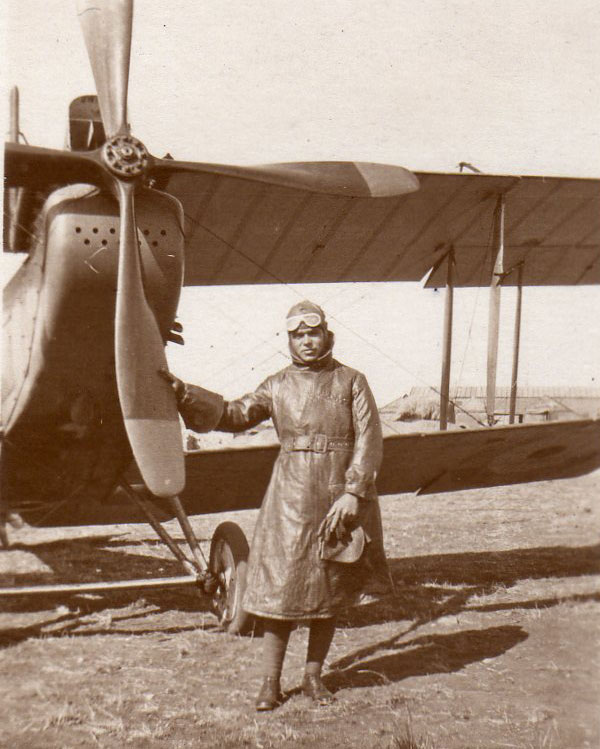
Sergeant William Robinson Clarke was Britain’s first black pilot.
Born in Jamaica in 1895, William trained as a mechanic before travelling to Britain to join the war efforts. In 1915, he joined the Royal Flying Corps (RFC) in 1915, which later merged with the Royal Naval Air Service in 1918 to form what is now the Royal Air Force.
In winter of 1916, William was accepted for pilot training, earning his ‘wings’ in 1917 and being promoted to Sergeant. Once qualified, William joined No 4 Squadron in Belgium to fly R.E.8 biplanes in artillery observation and reconnaissance operations over the Western Front.
A few months later whilst on one of these missions, enemy fighters attacked his biplane. He was wounded but survived and made a recovery.
In 1919, William was honourably discharged, receiving the Silver War Badge alongside his other campaign medals. This was awarded to those discharged from military service in World War One, with the most common reason for discharge usually being sickness or war wounds.
Returning to Jamaica, William went on to work in the building trade, later also becoming Life President of the Jamaican branch of the RAF Association.
Read more about William’s story here.