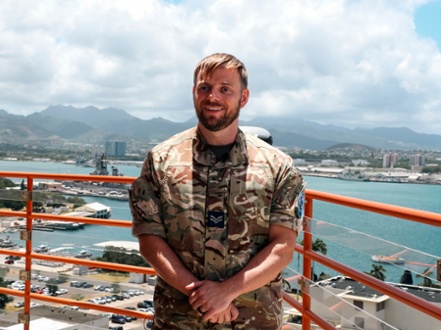
In modern warfare, one voice on a radio can mean the difference between success and disaster. That voice often belongs to a Joint Terminal Attack Controller (JTAC), usually a highly trained RAF Regiment specialist responsible for directing aircraft onto targets safely and accurately.
When Every Metre Matters
"Danger close" is the term used when an airstrike is so close to friendly troops that there is a real risk they could be injured or killed. It highlights just how much responsibility rests on a JTAC. There is very little room for error and getting it wrong can have serious consequences. In this role, accuracy matters more than anything.
The Human Link Between Our People and Aircraft
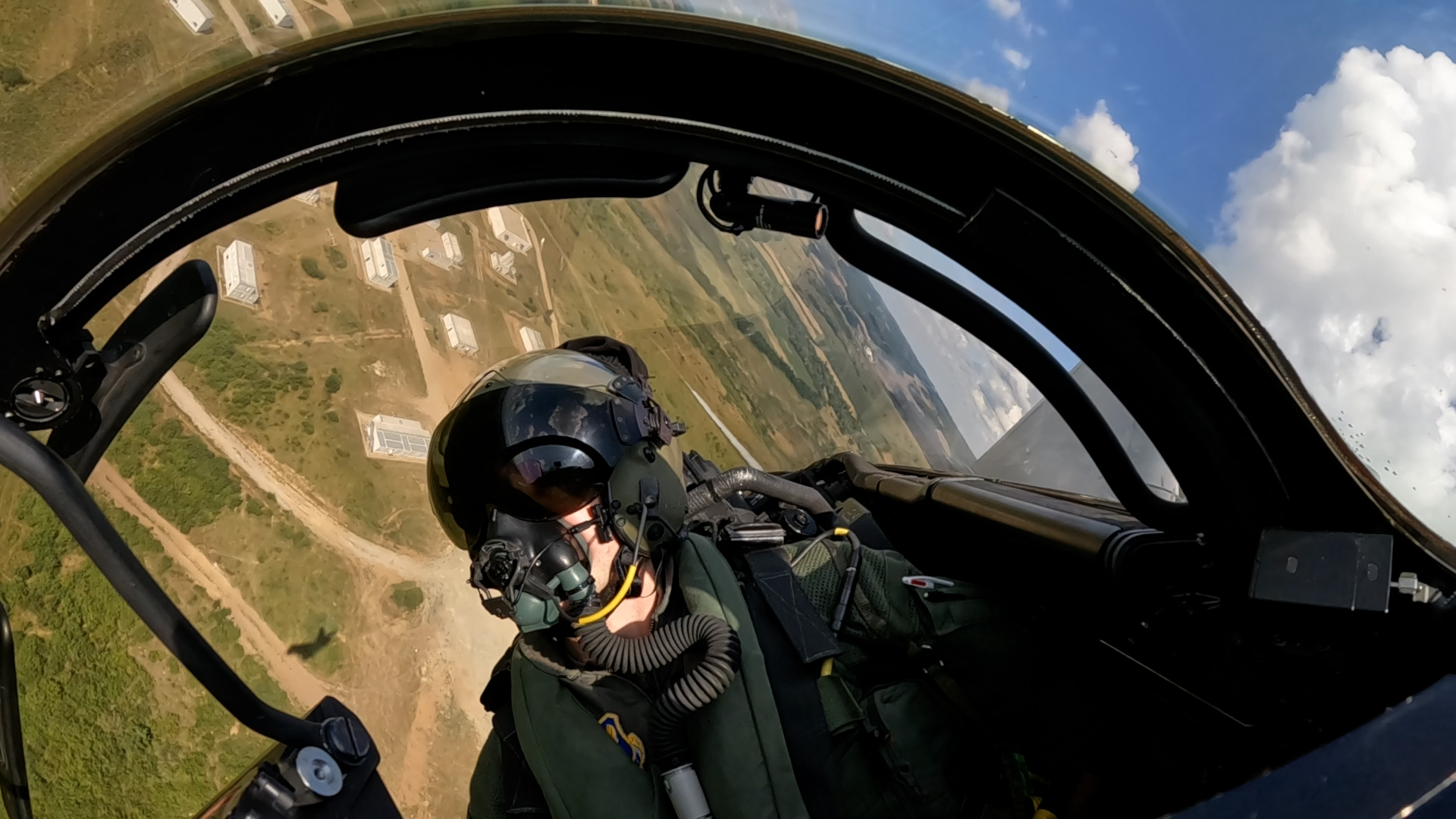
RAF Regiment JTACs are the vital link between troops on the ground and aircraft overhead. When ground forces need air support, the JTAC identifies the target, works out its exact location, and passes that information to the pilot in real time. A well-executed call can remove a threat in minutes. A mistake can have devastating consequences.
To do the job well, JTACs need expert knowledge, quick thinking and the ability to stay calm under pressure. They must understand what the aircraft can do, keep track of a fast-moving battlefield, and communicate clearly, often while facing danger themselves.
Meeting New Threats
The need for JTACs is growing as the world becomes more dangerous and the nature of warfare changes.
The war in Ukraine has shown how quickly technology such as inexpensive, commercially available drones can deliver lethal effect at scale and cause significant damage. In the Middle East, the RAF Regiment has had to adapt to deal with the growing threat from one-way attack drones. In Cyprus, it continues to protect UK Sovereign Base Areas in an unstable region. These environments present distinct and slightly different challenges, but they demonstrate the same thing: the ability to deliver precise, coordinated air power, rapidly and safely, is expertise the UK cannot afford to lose.
Training for Real Operations
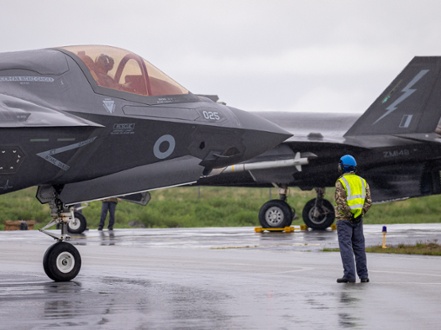
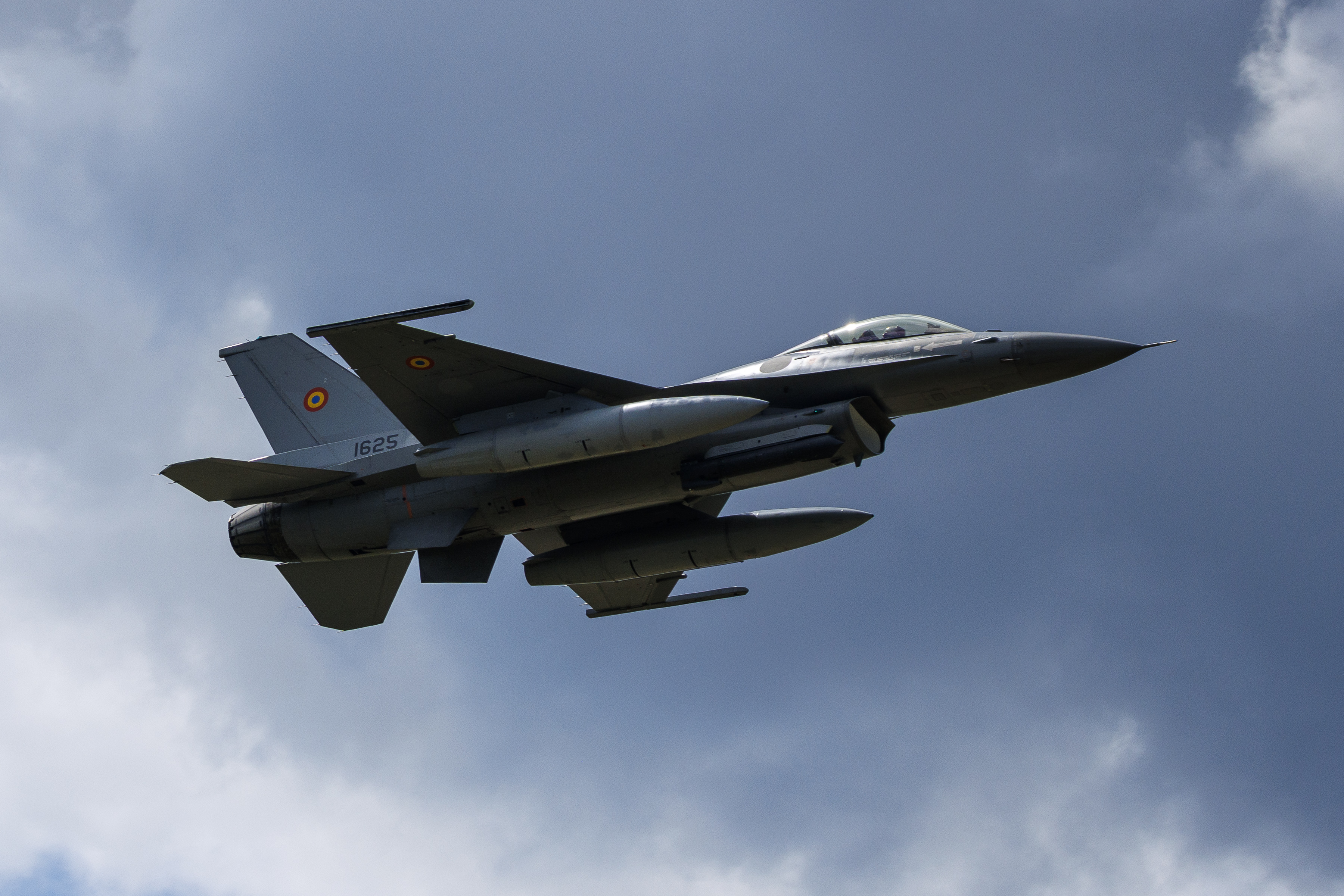
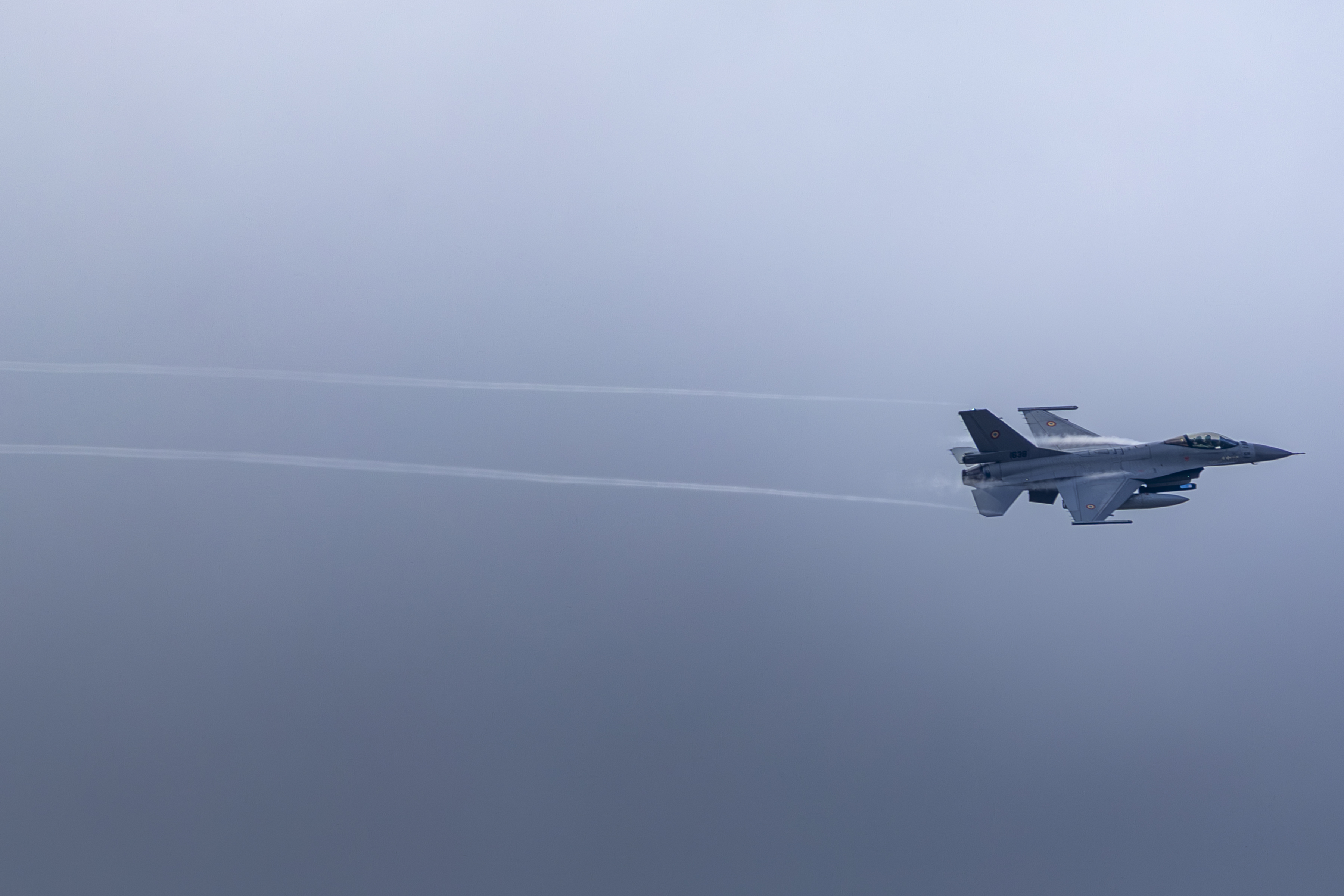
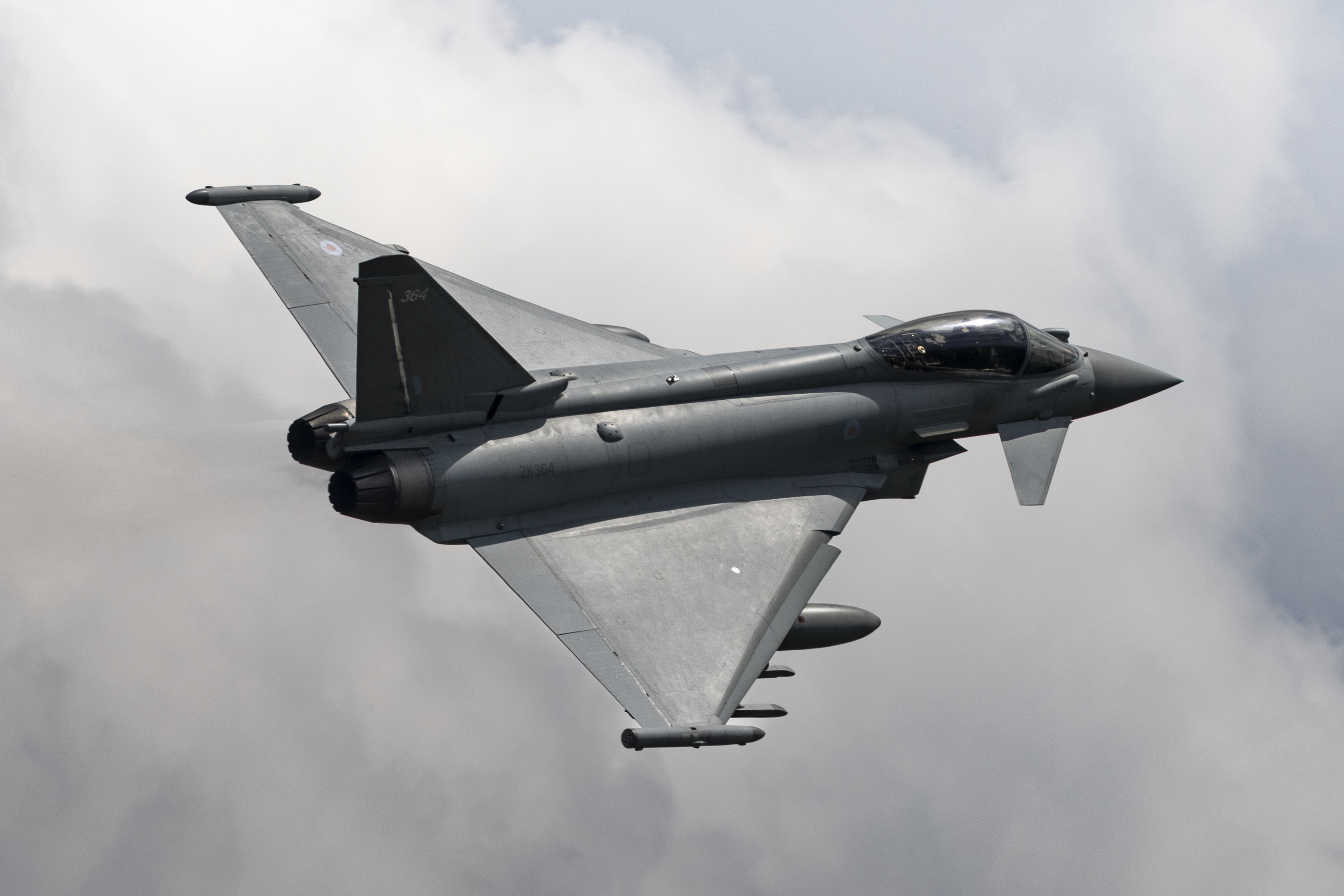
That is why exercises like Beastling Redback, an integral part of the RAF's support to the NATO Air Policing, matter so much. The exercise brought together RAF, French and Romanian forces to practise close air support in complex, realistic scenarios. JTACs from all three nations directed UK Typhoons and Romanian F-16s while working alongside ground forces using armoured vehicle fire in a simulated urban battlefield.
What made the exercise particularly valuable was not just the flying hours or the live fire but learning to work seamlessly with allies. Handing control of an airstrike between JTACs from different partner nations, speaking different languages and operating under different procedures, is not easy. Exercises like Beastling Redback help ensure it can be done smoothly when it matters most.
Working Together for Collective Defence
As global security challenges continue to evolve, maintaining this capability is about more than military readiness. It shows the UK's commitment to its allies and ensures it remains a trusted and capable partner in an uncertain world.
NATO's strength comes not just from the size of the partner nation forces, but in their ability to operate together effectively when it counts. To achieve this, JTACs and other frontline personnel must train regularly in realistic conditions until teamwork and communication become second nature.
Why JTAC Training Matters
JTAC training is important because it prepares personnel to make split-second decisions that can save lives on the battlefield. Essential because:
Lives depend on accuracy. JTACs often operate in "danger close" situations, where airstrikes are taking place near friendly troops. Even a small mistake in communication or targeting can have serious consequences.
Battlefields are complex and fast-moving. JTACs must understand aircraft capabilities, identify targets quickly, track friendly forces, and adapt to changing situations under pressure.
Modern threats are evolving. From drones in Ukraine and the Middle East to operations protecting UK interests overseas, today's battles require highly skilled personnel who can coordinate air power safely and effectively.
Allied forces must work together. Exercises such as Beastling Redback allow JTACs from different nations to practise controlling aircraft and sharing responsibility during operations. This builds the interoperability that NATO relies on during real-world missions.
Speed matters. A well-trained JTAC can bring air support onto a threat within minutes, giving friendly forces a critical advantage when they need it most.
In simple terms, JTAC training ensures that when troops call for air support, the right target is hit quickly, accurately and safely. In modern warfare, that skill can make the difference between mission success and mission failure.