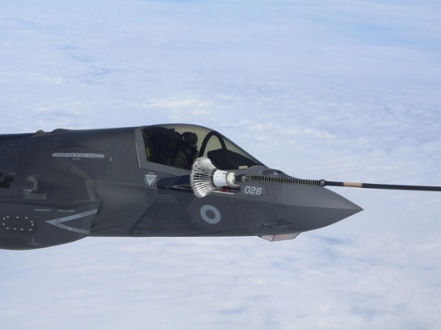
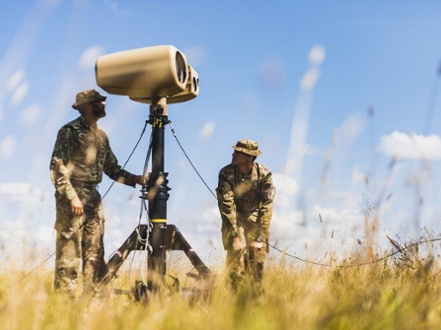
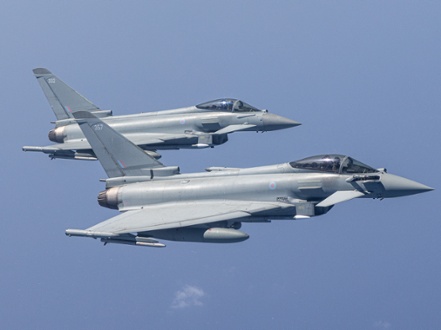
RAF pilots are strengthening their ability to support NATO allies in the High North as they conduct low level tactical flying training ahead of Exercise Cold Response 2026.
While regions go through peaks and troughs of activity, ensuring readiness and operational capability across all kinds of environments is vital for the RAF to fulfil its mission of supporting and defending NATO and its allies.
Training in a harsh environment like the High North ensures RAF personnel can retain core operational skills such as situational awareness, critical thinking and problem-solving while facing severe challenges such as low visibility and outside temperature being as low as -21℃.
Guaranteeing the ability to maintain operational effectiveness gives the RAF and its allies the upper hand and demonstrates the RAF’s key mission of retaining operational readiness.
Gaining the Tactical Advantage
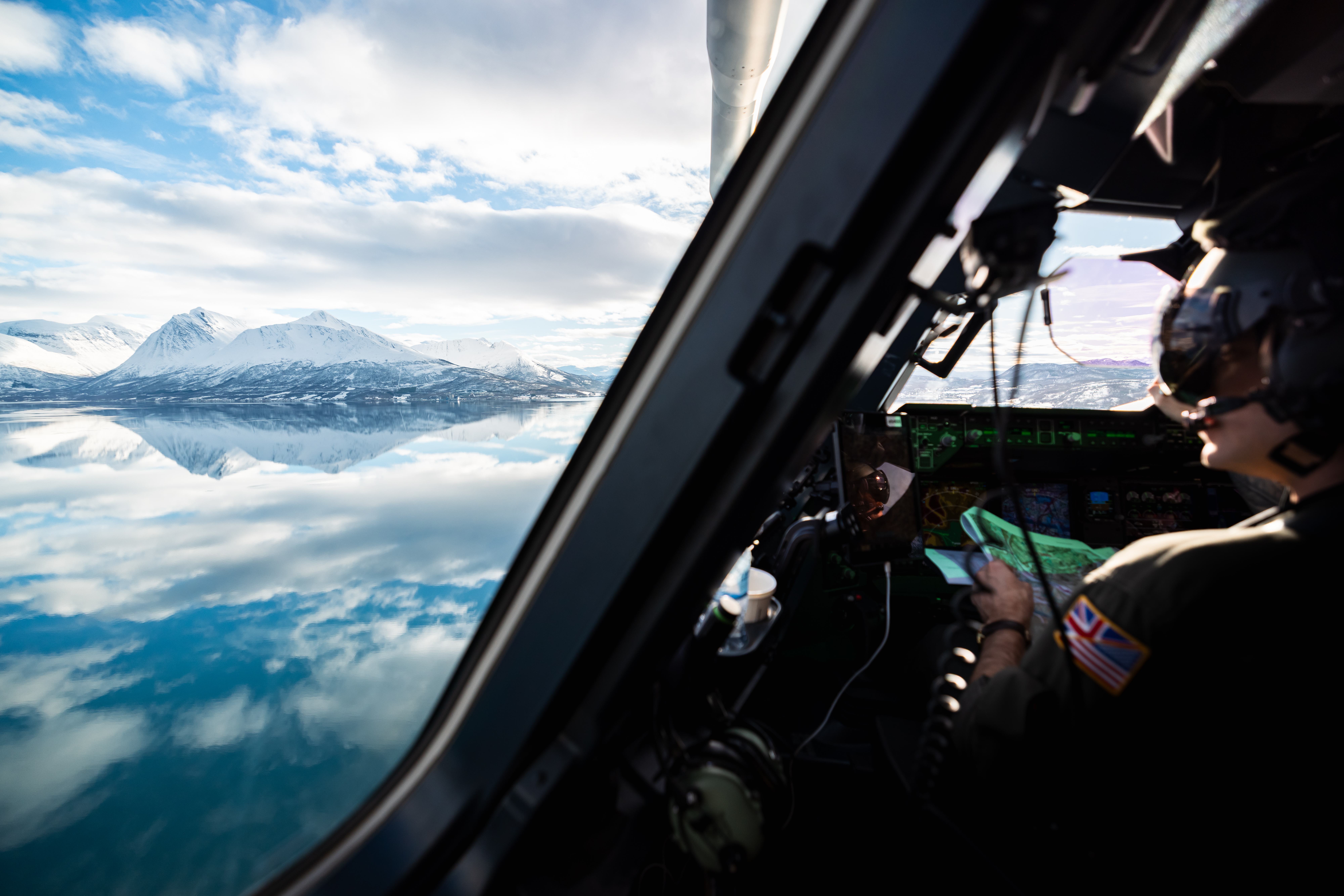
US Marine Corps Captain Jordan Schultz, currently on exchange, piloted an A400M Atlas over to the High North to practise low level flying and rehearse low level drops.
“Flying at a low level gives you the tactical advantage. It’s a little more difficult than just flying straight and level at that altitude. All your reflexes and reaction times need to operate quicker, and it requires a lot of in-depth planning beforehand. And a lot more safety measures need to be thought about and executed.”
Jordan Schultz
US Marine Corps Captain (Exchange)
Delivering Supplies
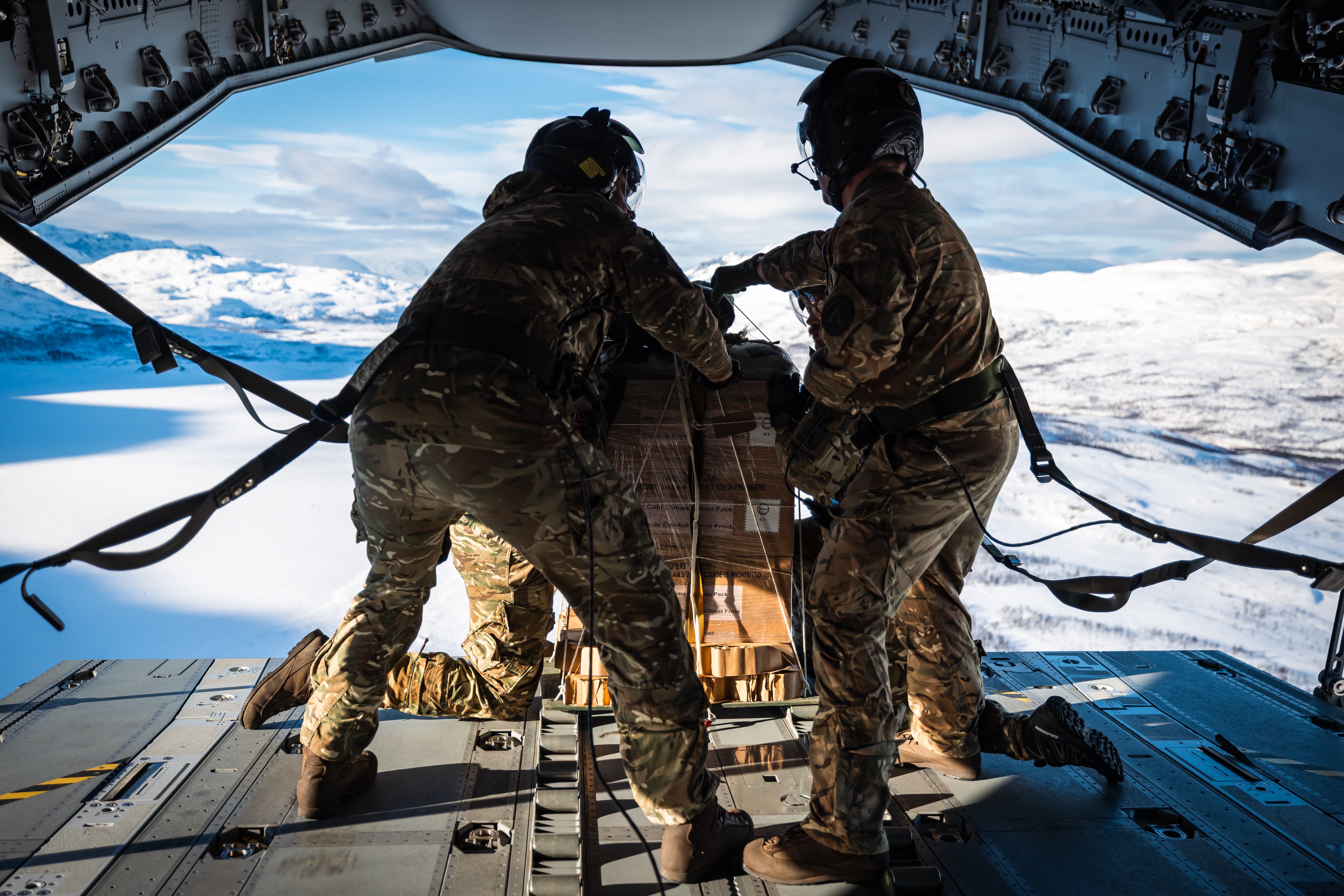
The exercise also afforded the aircrew a chance to practise their low-level drop procedure. Being able to deliver mission critical equipment, without landing, gives the RAF and its allies an advantage. However, it’s fraught with potential dangers, which is why it is vital that teams get the chance to practise processes and hone skills.
NATO First Support
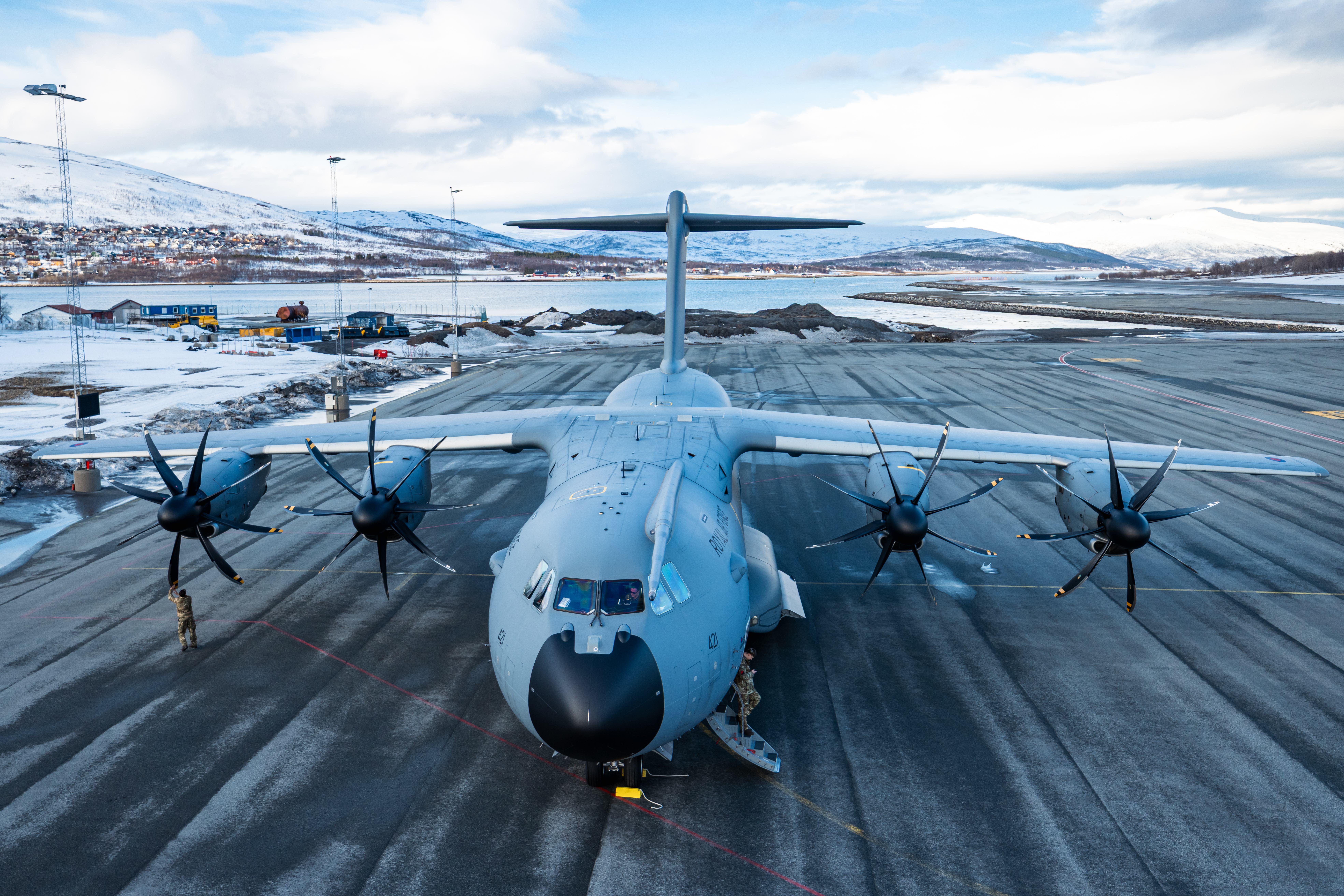
Ensuring operational capability in such a demanding environment directly supports NATO’s wider readiness activity across the region; it shows the RAF’s ability to operate effectively in the High North, and protect key assets and allies.
This work strengthens the UK’s contribution to collective defence and reinforces NATO’s commitment to security in the High North.