Modern air defence is built on integration.
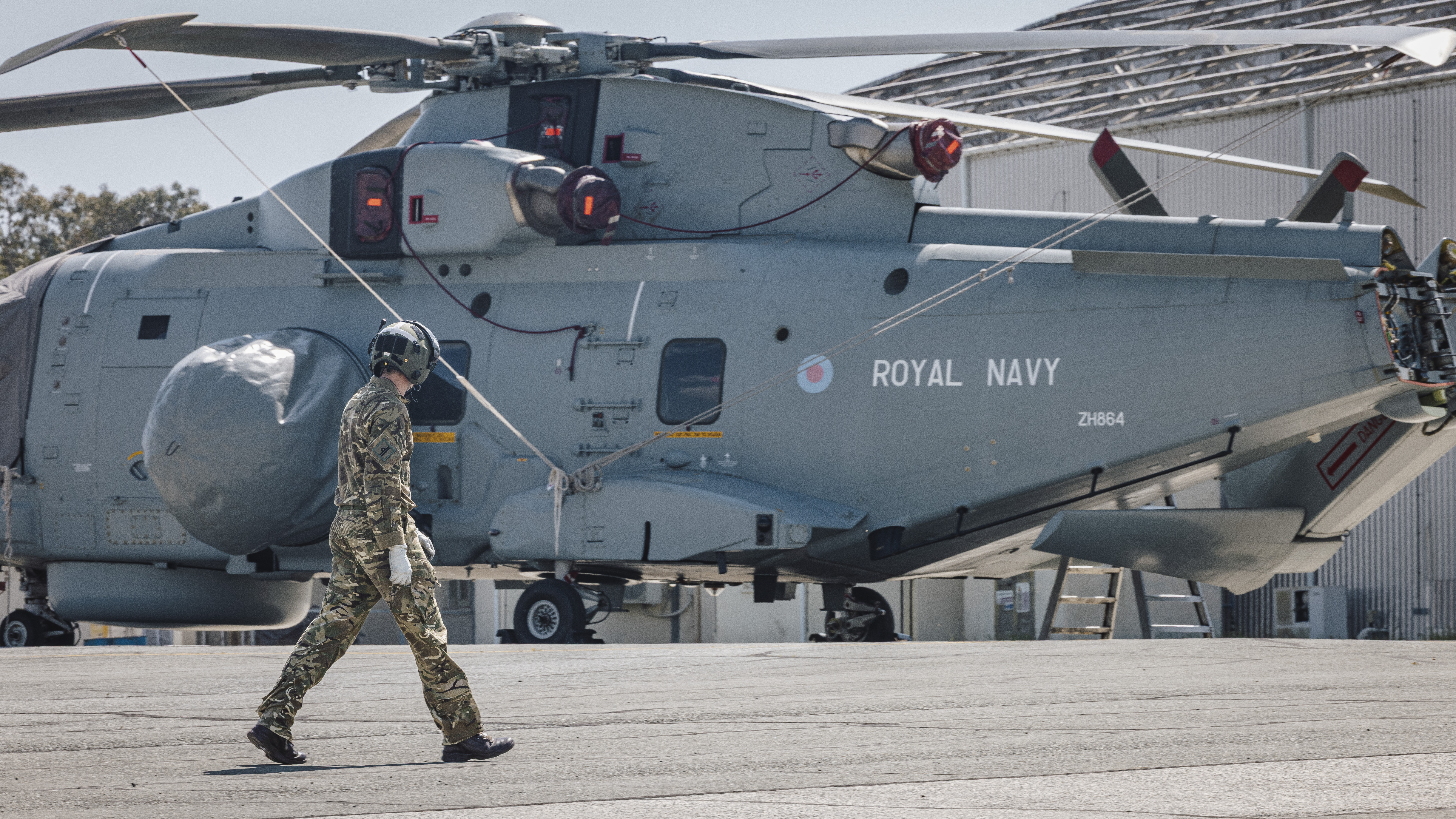
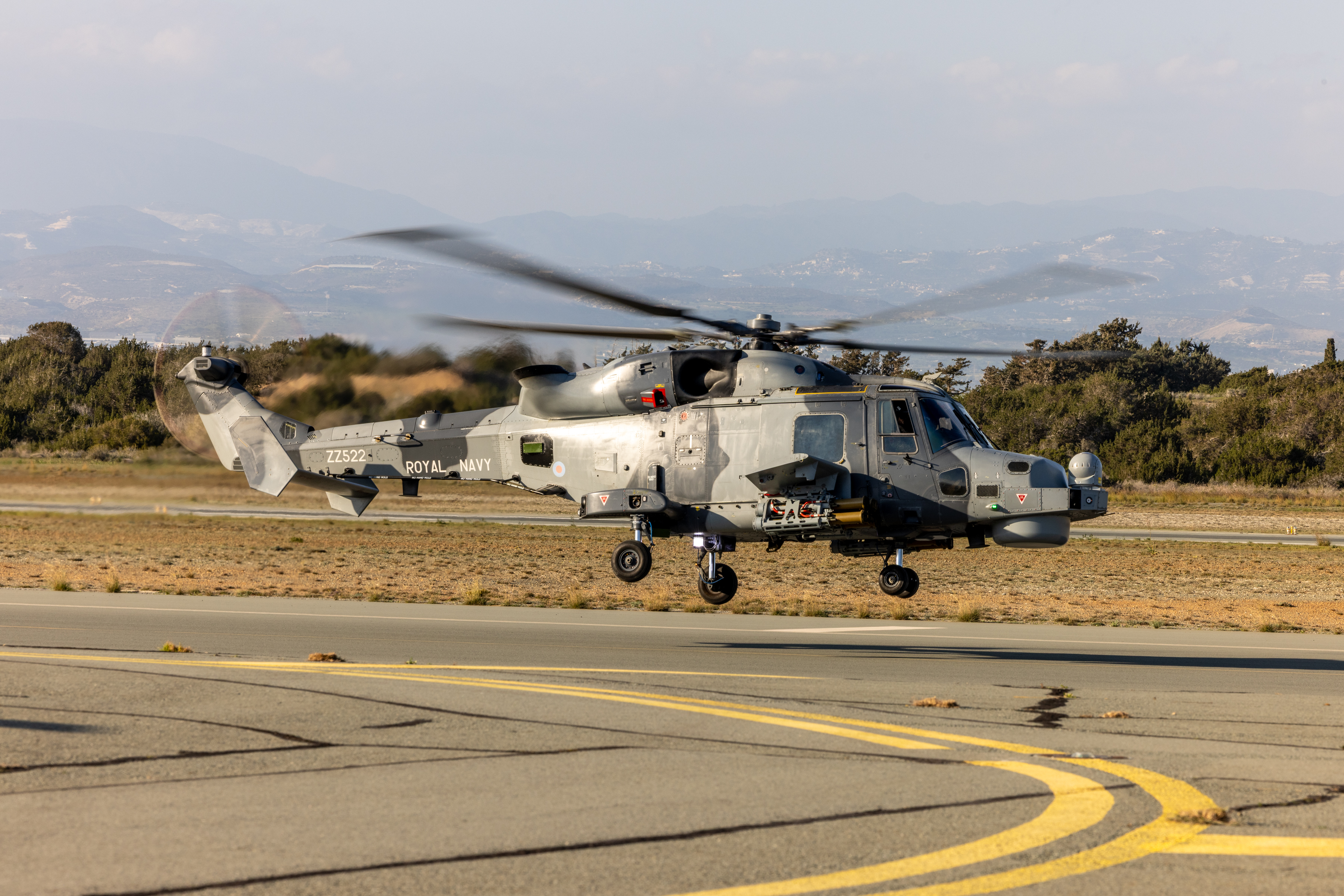
Instead of relying on a single platform, today’s forces connect sensors, aircraft and ground units into a shared network that can detect, track and respond to threats across land, sea and air. Across the Middle East, where UK forces continue to counter persistent uncrewed aerial system (UAS) activity, helicopters such as the AW101 Merlin Mk2 ASaC and AW159 Wildcat HMA2 have become increasingly important contributors to this system.
“Modern air defence depends on every platform sharing what it detects. Merlin and Wildcat give commanders a wider view of what’s happening across the air and maritime environment, and that information feeds directly into the picture used by RAF aircraft and our allies.”
Air Commodore Wigglesworth
ACOS Ops, 11 Group
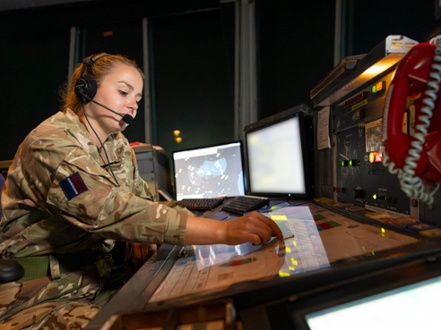
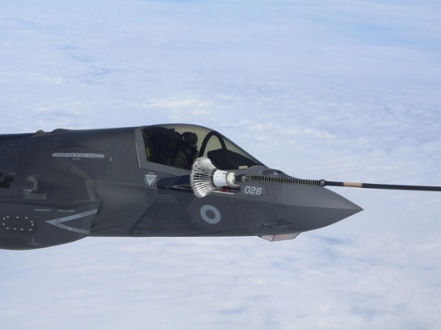
Operating alongside RAF fast jets like Typhoon and F‑35B Lightning II, and working in parallel with RAF Regiment counter‑UAS teams, Engineers and Air Surveillance Officers, these helicopters help extend the reach of the UK’s integrated air defence network across the Middle East. Their contribution supports the wider Defence effort to detect threats early, build a coherent operational picture and protect UK and allied personnel.
Extending the Sensor Network
Air defence begins with situational awareness. In the Middle East, where threat patterns evolve rapidly and activity often sits below traditional radar coverage, Merlin Mk2 ASaC and Wildcat HMA2 provide flexible, mobile surveillance that fills critical gaps.
- Merlin Mk2 ASaC acts as an airborne surveillance platform, detecting and tracking contacts across the maritime and air domain and feeding that information into RAF and allied command networks.
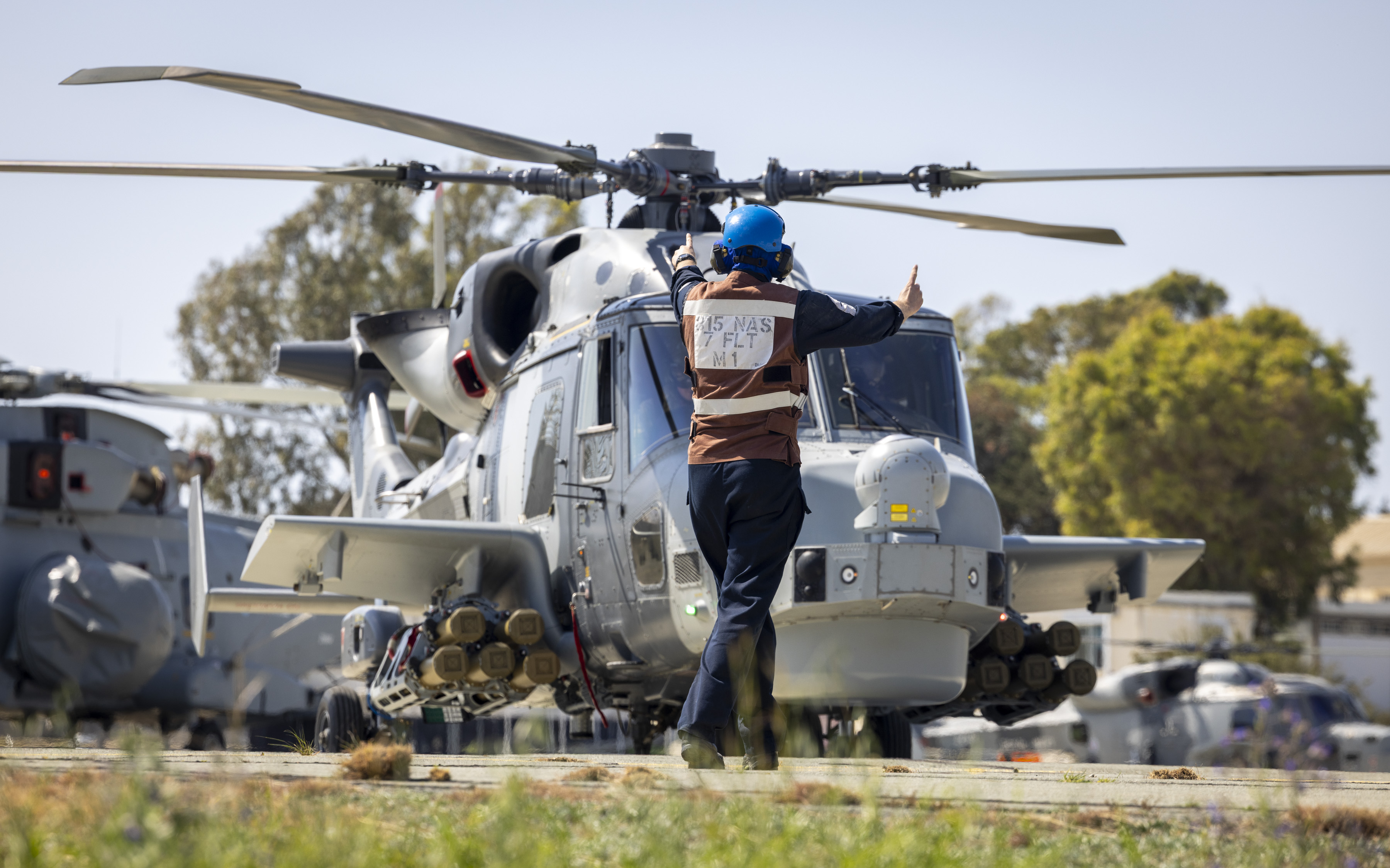
- Wildcat HMA2, operating closer to the tactical edge, uses advanced radar and electro‑optical sensors to identify activity and relay detailed information to commanders.
Working across the region, these aircraft expand the sensor network that underpins the recognised air picture used by UK and allied forces.
Supporting Fast Jet Operations
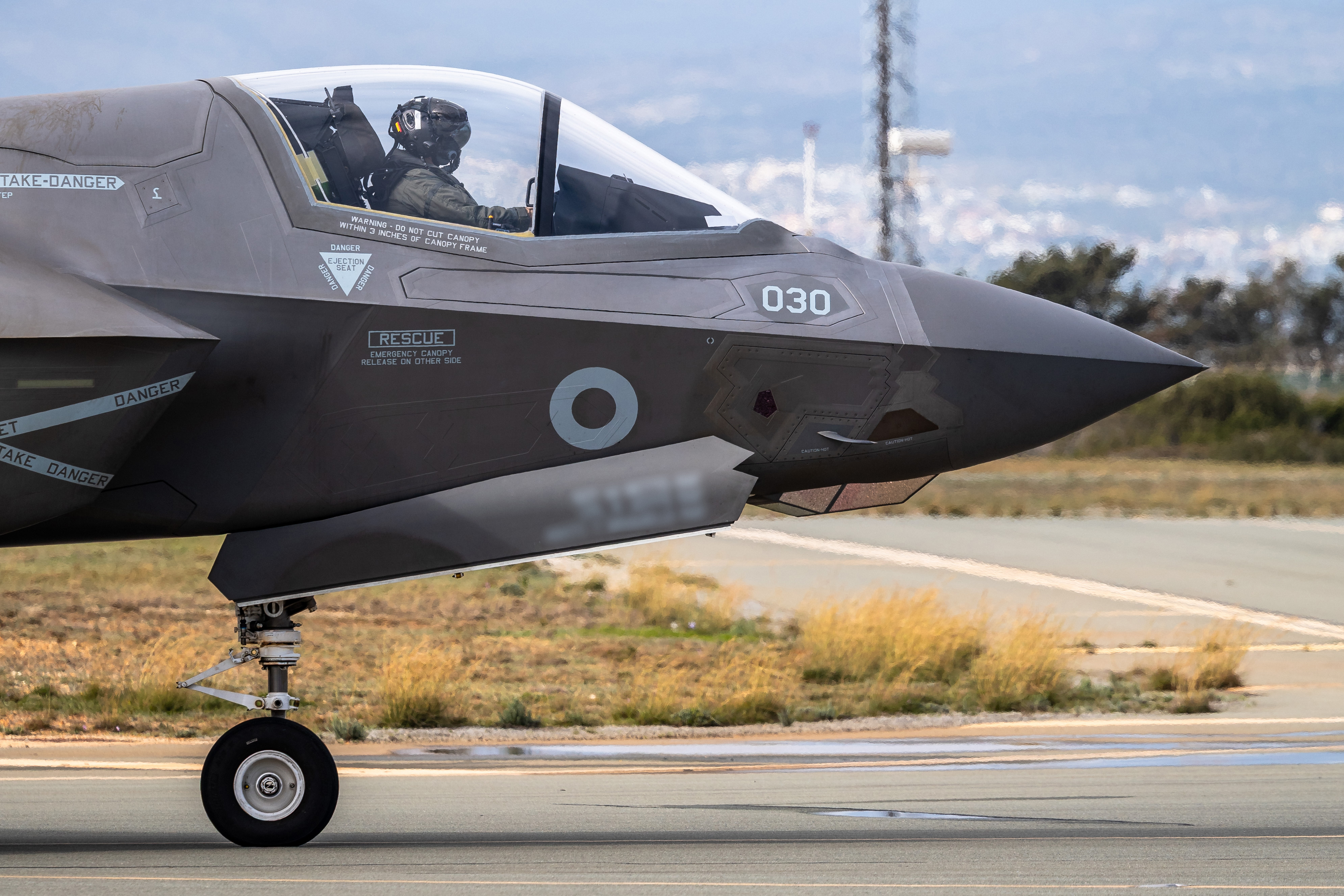
A key element of integration comes through information sharing with RAF fast jets operating in the Middle East.
Data collected by Merlin or Wildcat crews can be passed to aircraft such as Typhoon or F‑35B Lightning II, allowing fighter crews to build a clearer picture before making decisions in complex, dynamic airspace.
“When helicopters, fast jets, maritime and ground forces share data, you get a much clearer understanding of the battlespace. Our aircrews can identify threats early and pass that information to Typhoon or F‑35 teams so they can make informed decisions in real time.”
Air Commodore Wigglesworth
ACOS Ops, 11 Group
This shared battlespace picture ensures helicopters, fast jets and command centres across the Middle East are working from a common understanding of unfolding activity.
Integration with RAF Regiment Counter‑UAS Teams
The RAF Regiment continues to counter persistent UAS threats targeting deployed forces across the Middle East. Recent defensive actions, including some of the most effective outcomes seen to date, highlight the importance of accurate, timely sensing across the Detection‑to‑Defeat chain.
Merlin and Wildcat contribute to this chain by:
- identifying suspicious activity or potential launch areas,
- providing surveillance beyond the reach of ground‑based sensors,
- feeding early warning information into RAF networks across the region.
“Helicopters help us spot threats which ground sensors might not detect. That information is invaluable for RAF Regiment counter‑UAS teams, who rely on accurate, timely updates to protect bases, people and aircraft.”
Air Commodore Wigglesworth
ACOS Ops, 11 Group
This coordination strengthens the layered defence protecting personnel, infrastructure and aircraft.
Enabling Air Mobility and Force Protection
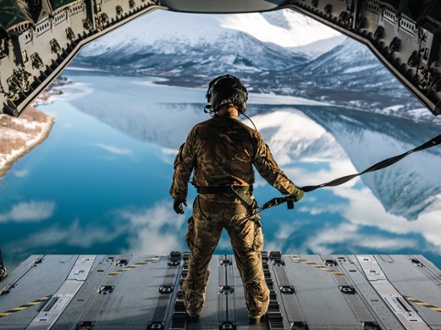
Air mobility missions across the Middle East often operate into uncertain or rapidly changing environments. Merlin and Wildcat enhance situational awareness for these movements by monitoring the surrounding air and maritime picture and sharing relevant information with commanders.
Their integration helps ensure that transport and tanker aircraft can move people, equipment and humanitarian aid safely and with confidence.
A Layered Defence for Allies
UK forces routinely operate alongside partners across the Middle East, making integration essential. Merlin and Wildcat play a key role in a multinational, layered defensive system where:
- Helicopters extend the sensor network.
- Fast jets provide rapid response and interception.
- RAF Regiment delivers base and CUAS protection.
- Air mobility sustains and reinforces operations.
“The UK rarely operates alone. Integrating our helicopters with allied aircraft, ships and ground forces allows us to build a layered defence that is more resilient and more responsive to emerging threats.”
Air Commodore Wigglesworth
ACOS Ops, 11 Group
Working together, these capabilities create a stronger, more agile defensive posture for the region.

Delivering Operational Advantage
The integration of Merlin and Wildcat with RAF aircraft, ground units and allied partners demonstrates how modern Air Defence is delivered across the Middle East.
By linking helicopter surveillance, fast jet capability, ground‑based counter‑UAS systems and air mobility operations, the UK and its partners can detect threats earlier, build a richer operational picture and respond more effectively.
“This isn’t about one aircraft or one system doing everything. It’s about linking capabilities so that threats can be detected early, monitored safely and responded to in a coordinated way.”
Air Commodore Wigglesworth
ACOS Ops, 11 Group
This integrated, multi‑domain approach gives the UK and its allies the operational advantage required to protect people, aircraft and infrastructure in a high‑tempo, high‑threat environment.