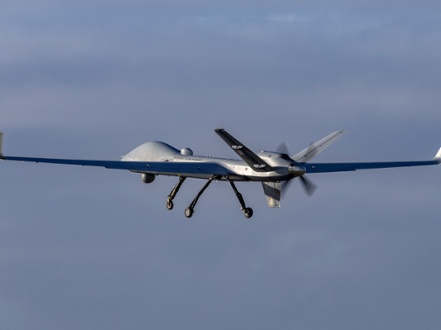
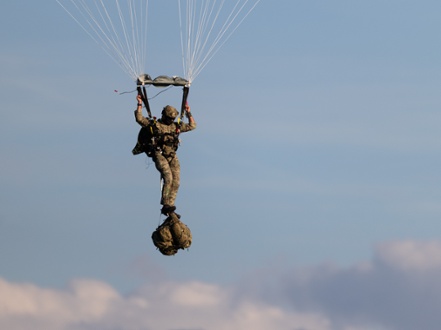
The Royal Air Force kept its worldwide Air Mobility operations going for four months while its main hub, RAF Brize Norton, was without a runway.
Operation Mace Vector put the RAF’s ability to operate away from its usual bases to the test, while keeping vital operations moving. With RAF Brize Norton’s runway being resurfaced, aircraft, equipment and personnel were spread across several civilian and military airfields, including Bournemouth, Stansted, East Midlands, Prestwick, MOD Boscombe Down and RAF Akrotiri.
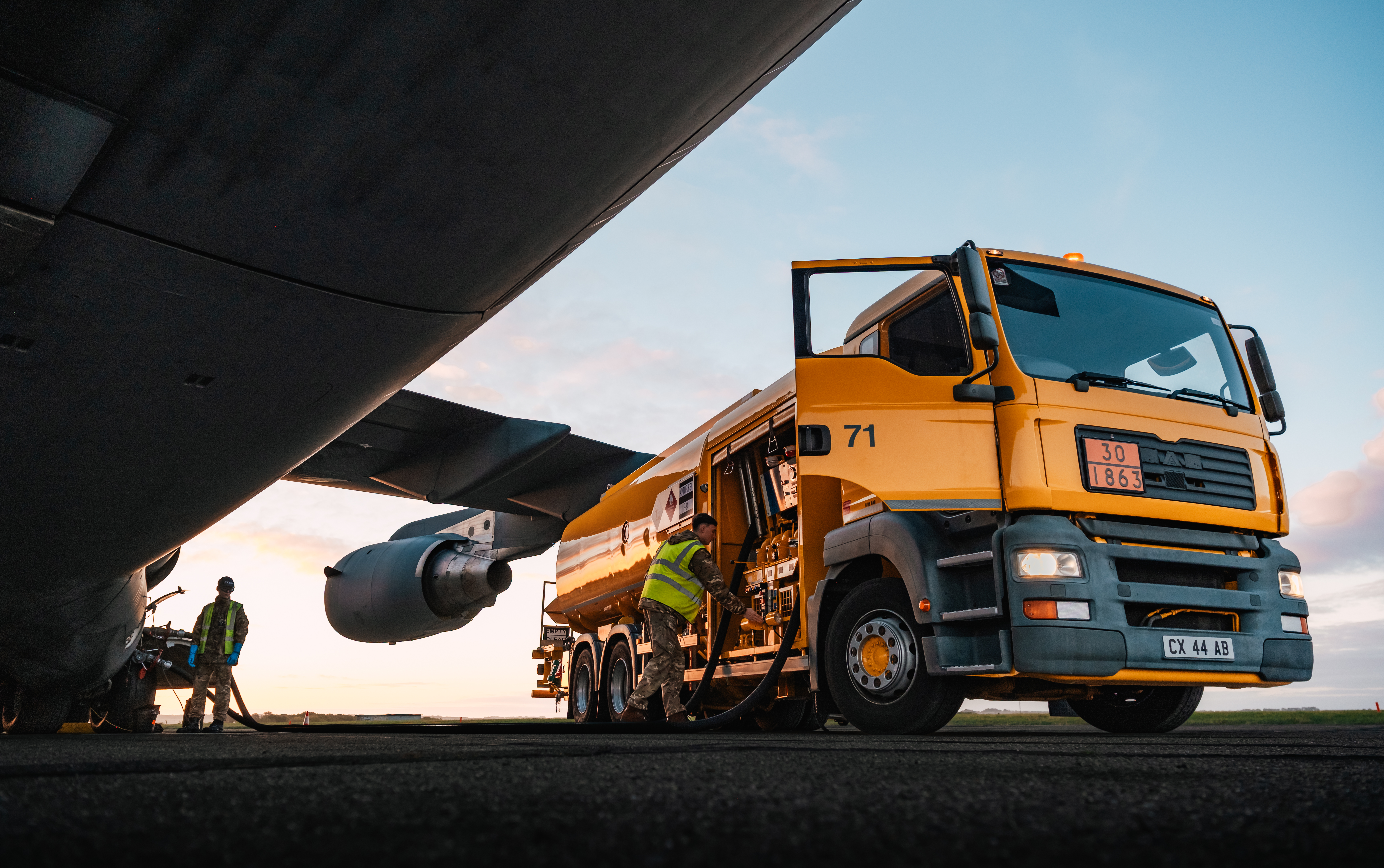
Spreading aircraft, people and equipment across more than one site is known as dispersal. It means no single location is a point of failure. Every part of the supply chain had to adapt, improving processes and causing the organisation to become ever more efficient.
"I am delighted to see our Air Mobility crews return following much needed work to assure our runway for the coming decades. This has been an enormous effort for all involved and I am grateful and proud to see how, across the enterprise, our teams have risen to the challenge to sustain our outputs while preparing our base for the future ahead.
Operationally, our work has continued at pace: whether providing operational support and sustainment to the Middle East and beyond or delivering new joint capabilities with 16 Air Assault Brigade, we have continued to find new and innovative ways to continue to deliver from unfamiliar locations and support environments.
This has demonstrated our ability to deliver dispersed operations under pressure and at scale. I recognise that this has asked a great deal, from families, crews, engineers, support teams and beyond. I am thankful to all and extremely grateful to those who have hosted us over this period. It’s time to get back to our core business of delivering global air mobility from our home, RAF Brize Norton."
Group Captain Stuart Patton
Commander Air Wing, RAF Brize Norton
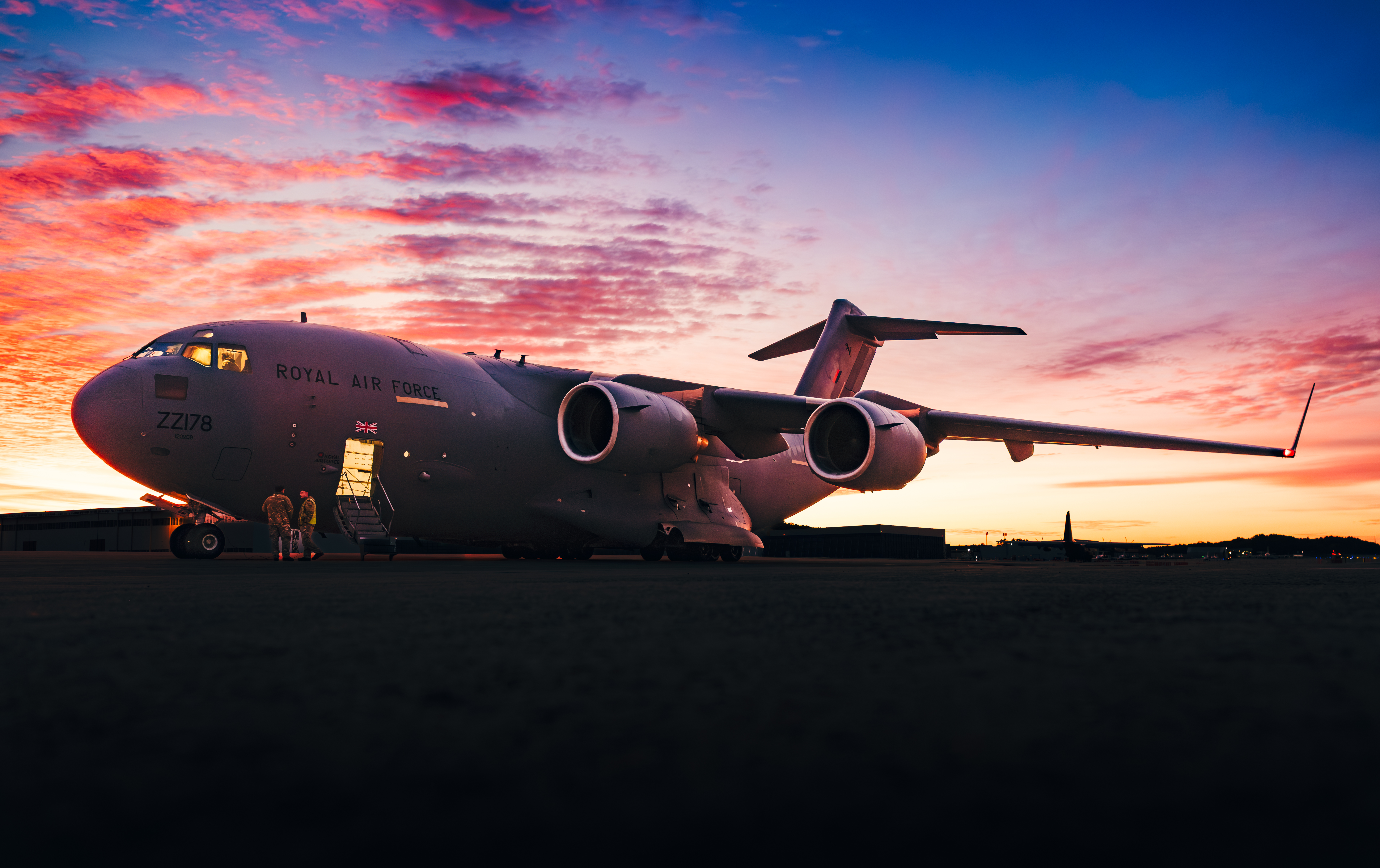
The ability to operate from dispersed locations helps protect assets. It also supports the RAF's core mission: protect the homeland, its people, its partners and its allies.
Challenging the RAF to work from unfamiliar locations also builds resilience, and helps keep the organisation Agile, Integrated and Ready to Fly, Fight and Win.