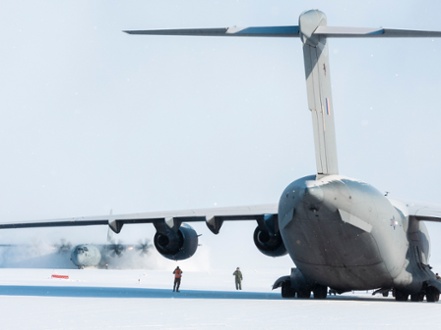
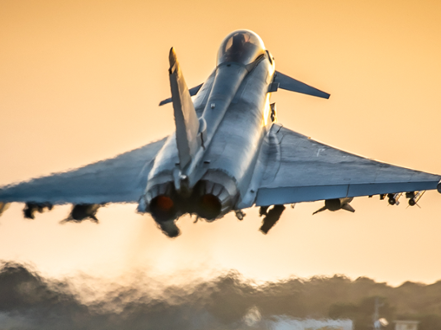
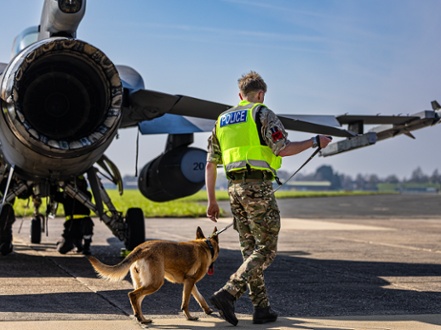
In a region where tensions run high and the pace of operations rarely slows; it is not only those in the cockpit who keep aircraft flying. Behind every operation, every drone intercept, and every successful patrol is a team of engineers and technicians working quietly but relentlessly to keep equipment battle-ready.
When the Aircraft Land, the Real Work Begins
"Our work is making sure 12 Sqn has the weapons it needs," says Corporal James, whose role underpins the RAF mission to defend UK allies in the Middle East. As regional pressures have grown, so too has the number of UK aircraft and assets deployed, and with that comes the constant demand for reloading weaponry and the upkeep and maintenance of assets. That responsibility falls, in no small part, to the personnel of Support Force – from 71 Inspection & Repair Squadron (71(IR) Sqn) and 93 Expeditionary Armament Squadron (93(EA) Sqn).
They may not be firing Rapid Sentry or flying F-35B’s and Typhoons but without them, neither would happen. Working under constant pressure, they rearm, inspect, repair, and return assets to service, because in this environment, downtime is not an option.
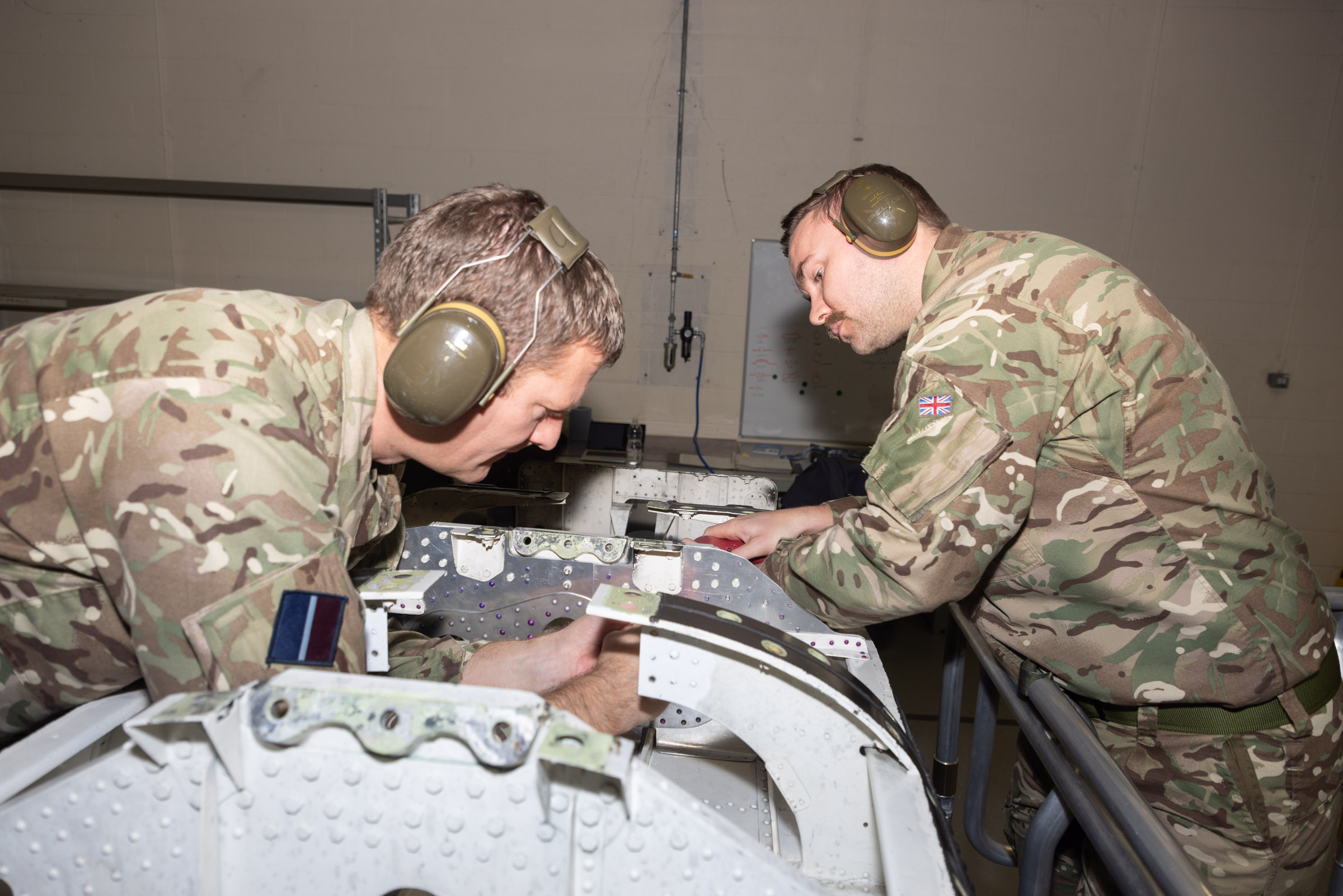
Inspection and Repair
When drones and projectiles are a daily threat, the margin for error is zero. Counter-drone systems must be functioning. Armed aircraft must be airborne. Lives depend on it.
To meet that demand, 71 Sqn have developed a pioneering approach to inspection that allows them to move fast without having to disassemble anything. As Chief Technician Shawn puts it: "Non-Destructive Testing inspections of the F-35B provide the engineering assurance we need to keep aircraft available."
That assurance comes from a suite of advanced techniques, collectively known as Non-Destructive Testing (NDT). It allows the squadron to assess the integrity of aircraft structures and components without causing any damage. Ultrasonic tests detect internal defects in composite panels; eddy-current inspection identifies cracks or corrosion invisible to the naked eye; and dye penetrant testing reveals surface-breaking flaws. Where deeper analysis is needed, computerised radiography, computerised tomography, and magnetic particle inspection provide a comprehensive picture of a component's condition.
The result is fewer aircraft grounded, faster turnarounds, and more time spent protecting people.
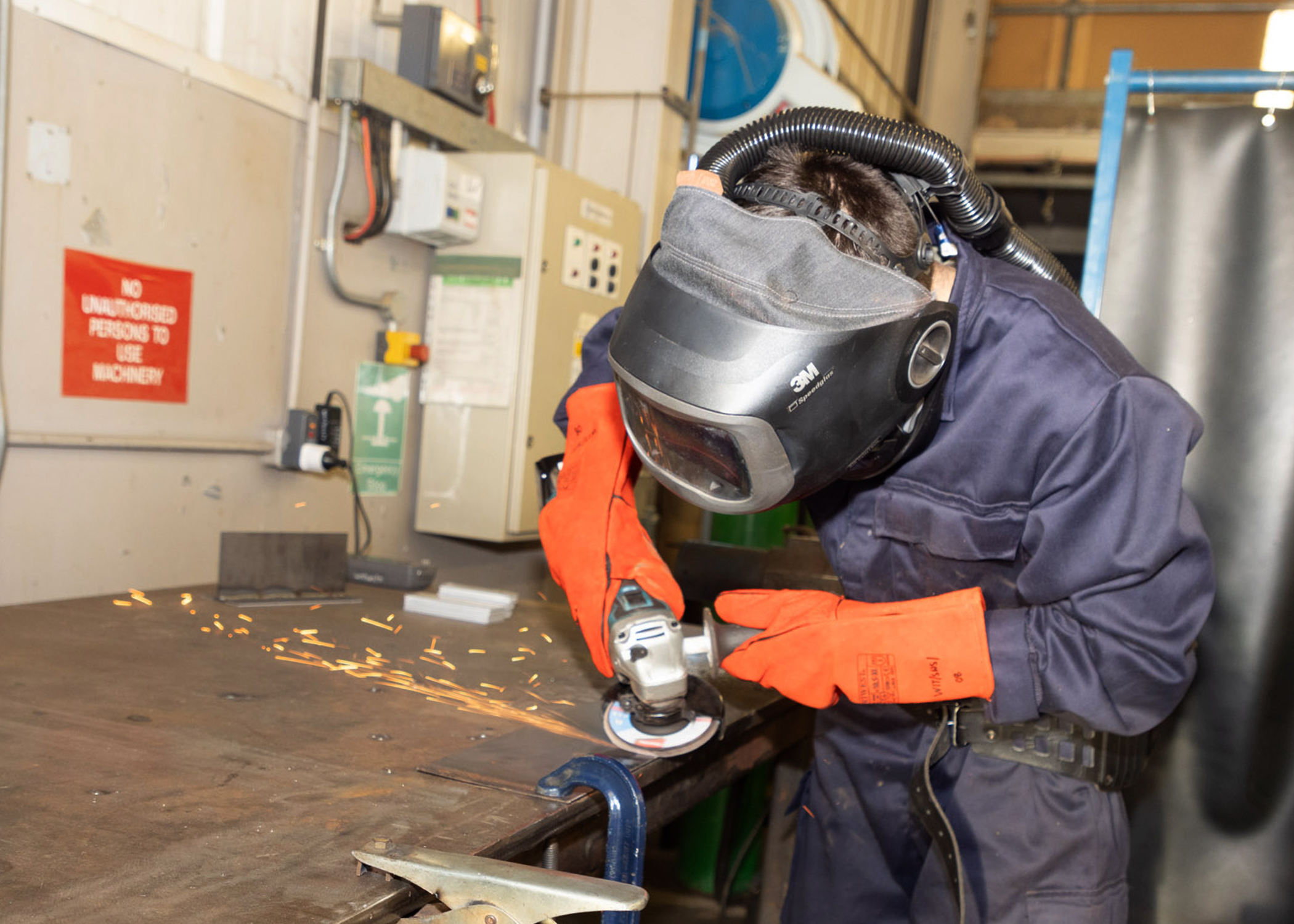
Standing Shoulder to Shoulder with Allies
The mission extends beyond maintenance. Flight Sergeant Scott of 93(EA) Sqn is currently working alongside Qatari counterparts providing storage and safety for Ordnance Munitions and Explosives. This ensures 12 Sqn are fully supported in their role with daily resupply and recovery of various weapons systems and countermeasures to ensure operational readiness.
"By working closely with Qatari Air Force personnel, we're not only providing the physical assets to support the mission," he says. "We're demonstrating that we stand alongside our partners, for the safety of their bases and their families."
It is that commitment, to both capability and partnership, that defines the contribution of 71(IR) and 93 (EA) Squadron. Through their technical expertise and close collaboration with allied nations, they are strengthening the defence relationships that underpin stability across Cyprus and the broader Middle East. The work may go largely unseen, but its impact is felt every time an aircraft takes to the sky.